
Apr . 01, 2024 17:55 Back to list
tire air pressure gauge Performance Analysis
Introduction
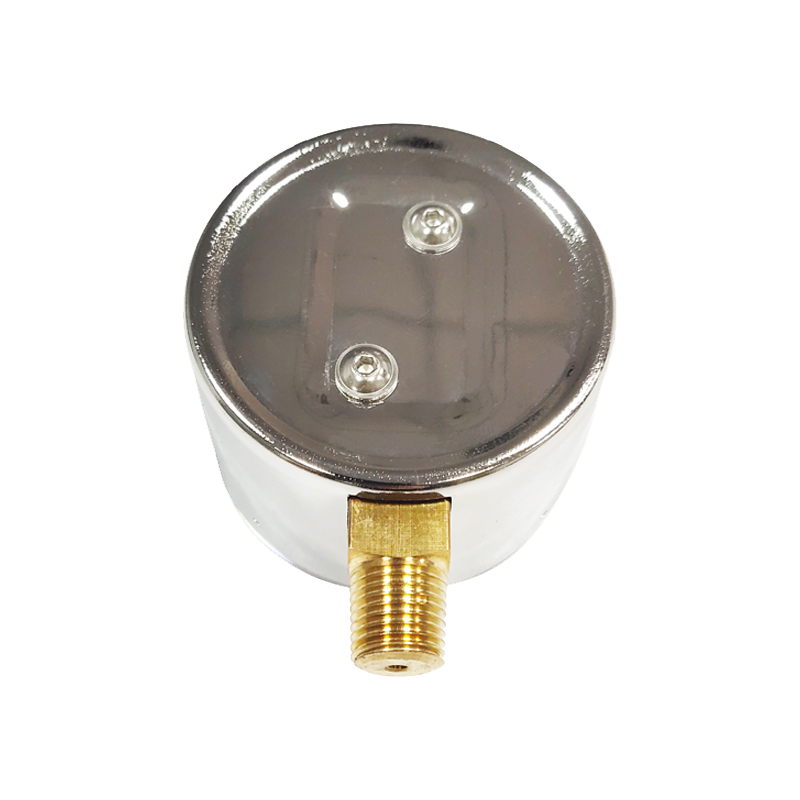
The tire air pressure gauge is a critical component in vehicle maintenance, functioning as a precision instrument for measuring and displaying the air pressure within pneumatic tires. Positioned within the automotive aftermarket and vehicle maintenance supply chain, it serves both professional technicians and individual vehicle owners. Core performance characteristics include accuracy, repeatability, durability, and ease of use. Maintaining correct tire pressure is essential for vehicle safety, fuel efficiency, and tire longevity, making the pressure gauge an indispensable tool. Industry pain points center around gauge accuracy drift over time, susceptibility to mechanical damage, and readability in varying lighting conditions. Modern gauges address these concerns through digital displays, improved sensor technology, and robust housing materials. The evolution of these gauges parallels advancements in tire technology and the increasing sophistication of vehicle monitoring systems.
Material Science & Manufacturing
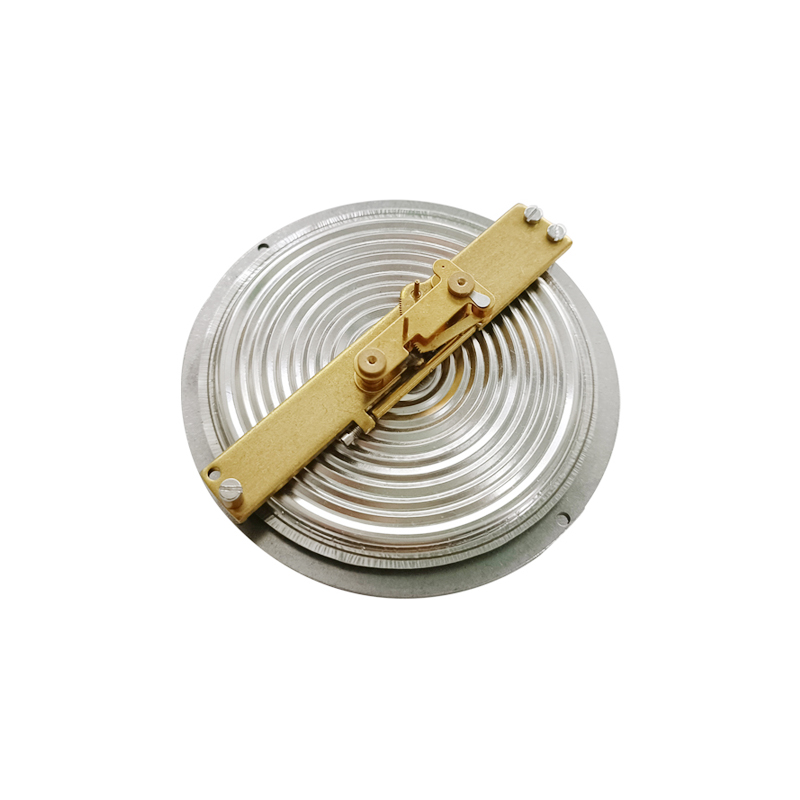
The construction of a tire air pressure gauge typically involves several key materials. The gauge body is commonly fabricated from brass (C36000 for corrosion resistance and machinability), stainless steel (304 or 316 for enhanced durability and resistance to harsh environments), or high-impact polymers (ABS or Polycarbonate for lighter-weight, lower-cost options). The Bourdon tube, the core pressure-sensing element in mechanical gauges, is manufactured from beryllium copper alloy (for elasticity and fatigue resistance) or spring steel. Digital gauges employ piezoresistive pressure sensors, often utilizing silicon diaphragms. Manufacturing processes vary depending on the gauge type. Mechanical gauges involve processes such as deep drawing for the Bourdon tube, precision machining for the housing, and assembly with calibrated movements. Digital gauges require semiconductor fabrication for the pressure sensor, PCB assembly, and calibration using NIST-traceable standards. Critical parameters during manufacturing include Bourdon tube heat treatment (to achieve desired elasticity), sensor calibration (to ensure accuracy across the pressure range), and material finishing (to prevent corrosion and ensure smooth operation). Tolerance control is crucial; even minute deviations in dimensions can significantly impact accuracy. Polymer gauges are frequently manufactured using injection molding, requiring tight control of melt temperature, injection pressure, and cooling rates to prevent warping or defects.
Performance & Engineering
The performance of a tire air pressure gauge is governed by several engineering principles. The accuracy of mechanical gauges depends on the elasticity of the Bourdon tube and the precision of the mechanical linkage. Force analysis focuses on the relationship between tire pressure, the deformation of the Bourdon tube, and the resulting movement of the pointer. Digital gauges rely on the piezoresistive effect, where pressure-induced strain alters the electrical resistance of the silicon diaphragm. Environmental resistance is a crucial factor; gauges must withstand temperature fluctuations, humidity, and exposure to road salts and other contaminants. Compliance requirements, such as those stipulated by the National Highway Traffic Safety Administration (NHTSA) and relevant regional standards, dictate accuracy tolerances and safety features. Fatigue analysis is essential to ensure the long-term reliability of mechanical components, particularly the Bourdon tube, under repeated stress cycles. Engineering considerations also include ergonomic design for ease of use and readability. Digital gauges require power management optimization for extended battery life. The design must minimize parallax error, ensuring accurate readings from various viewing angles. Furthermore, the materials selected must be compatible with the chemical composition of compressed air, preventing corrosion or degradation.
Technical Specifications
| Pressure Range (PSI) | Accuracy (PSI) | Resolution (PSI) | Operating Temperature (°F) |
|---|---|---|---|
| 0-60 | ±1.0 | 0.5 | -20 to 120 |
| 0-100 | ±1.5 | 0.5 | -20 to 150 |
| 0-150 | ±2.0 | 1.0 | -10 to 140 |
| 0-200 | ±2.5 | 1.0 | 0 to 160 |
| 0-220 | ±3.0 | 1.0 | -10 to 170 |
| 0-300 | ±3.5 | 1.0 | 0 to 180 |
Failure Mode & Maintenance
Tire air pressure gauges are susceptible to several failure modes. Mechanical gauges can experience Bourdon tube fatigue cracking due to repeated stress cycles, leading to inaccurate readings. Linkage wear and friction can also contribute to drift and inaccuracy. Digital gauges may fail due to sensor drift, PCB component failure (especially the pressure sensor), or battery depletion. Common causes of inaccuracy include contamination within the Bourdon tube (for mechanical gauges) or sensor drift caused by prolonged exposure to extreme temperatures. Corrosion of internal components, particularly in gauges exposed to harsh environments, is another significant failure mode. For mechanical gauges, regular calibration against a known standard is crucial. Maintenance involves cleaning the gauge body to remove dirt and debris, lubricating moving parts (if applicable), and avoiding dropping or subjecting the gauge to excessive shock. Digital gauges require battery replacement and periodic recalibration. Failure analysis should include visual inspection for physical damage, functional testing across the pressure range, and comparison to a calibrated reference gauge. Preventive maintenance programs can extend the lifespan and ensure consistent accuracy. Proper storage, away from extreme temperatures and humidity, is also essential.
Industry FAQ
Q: What is the acceptable tolerance for accuracy in a tire pressure gauge used for automotive applications?
A: The acceptable tolerance generally falls within ±2 PSI for gauges measuring pressures up to 60 PSI, and ±3-5 PSI for higher pressure ranges. However, stricter tolerances may be required for performance vehicles or racing applications, where precise tire pressure control is critical. NHTSA guidelines do not explicitly define a tolerance, but industry best practices generally adhere to these levels.
Q: How does temperature affect the accuracy of a tire pressure gauge?
A: Temperature influences the pressure reading due to the ideal gas law. As temperature increases, tire pressure increases, and vice versa. High temperatures can also affect the calibration of the gauge itself, leading to drift. Gauges are typically calibrated at a specific temperature (e.g., 70°F/21°C), and accuracy deviations can occur at extreme temperatures.
Q: What is the difference between a digital and a mechanical tire pressure gauge in terms of accuracy and durability?
A: Digital gauges generally offer higher accuracy and resolution than mechanical gauges, particularly in the lower pressure ranges. However, they are more susceptible to electronic failures due to component damage or battery depletion. Mechanical gauges are more robust and less prone to complete failure, but they can drift out of calibration over time due to wear and tear.
Q: What materials are most resistant to corrosion in tire pressure gauges intended for use in coastal environments?
A: Stainless steel (316 grade) and certain engineered polymers are highly resistant to corrosion from salt air and moisture. Brass gauges should be avoided in these environments as they are prone to corrosion. Protective coatings can also be applied to gauge components to enhance corrosion resistance.
Q: How often should a tire pressure gauge be calibrated?
A: Calibration frequency depends on usage and accuracy requirements. For professional automotive technicians, annual calibration is recommended. For personal use, recalibration every 2-3 years is generally sufficient, or whenever the gauge is suspected of providing inaccurate readings. Calibration should be performed by a certified calibration laboratory using NIST-traceable standards.
Conclusion
The tire air pressure gauge, while seemingly simple, is a precision instrument reliant on sophisticated material science, engineering principles, and rigorous manufacturing processes. Maintaining accurate tire pressure is paramount for vehicle safety, efficiency, and tire lifespan, and the gauge serves as the critical link in achieving this. Modern advancements in digital sensor technology and robust housing materials continue to enhance gauge performance and durability.
Future developments may include integrated tire pressure monitoring system (TPMS) calibration tools, wireless data logging capabilities, and self-calibrating gauges. The increasing focus on vehicle safety and the growth of electric vehicles, which often require specific tire pressure settings, will drive further innovation in this field, necessitating ongoing refinement of standards and manufacturing techniques.
 English
  Arabic
  China
China  China (Taiwan)
  Danish
  Dutch
Dutch  French
  German
  Greek
Greek  Hindi
Hindi  Indonesian
  Italian
  Japanese
  Korean
  Latin
Latin  Polish
  Portuguese
  Russian
  Spanish
  Turkish