
Apr . 01, 2024 17:55 Back to list
tire pressure gauge for bicycles Performance Analysis
Introduction
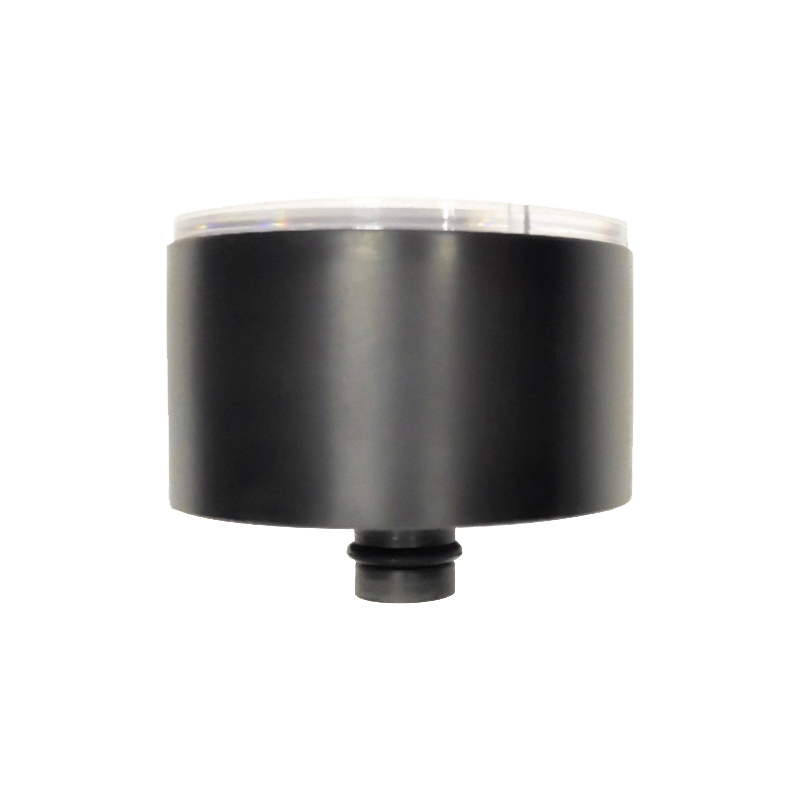
The bicycle tire pressure gauge is a precision instrument used to measure and maintain the air pressure within pneumatic tires used on bicycles. Positioned as a crucial component in bicycle maintenance, it falls within the broader chain of bicycle component manufacturing and aftermarket service. Optimal tire pressure directly impacts rolling resistance, rider comfort, tire longevity, and overall bicycle performance. Gauges range from analog dial-type to digital models, each offering varying levels of accuracy and features. Core performance characteristics include accuracy (typically ±1-3 psi or ±0.07-0.2 bar), durability, and ease of use. A significant industry pain point revolves around maintaining calibration and the susceptibility of analog gauges to internal mechanism failure, leading to inaccurate readings and compromised rider safety.
Material Science & Manufacturing
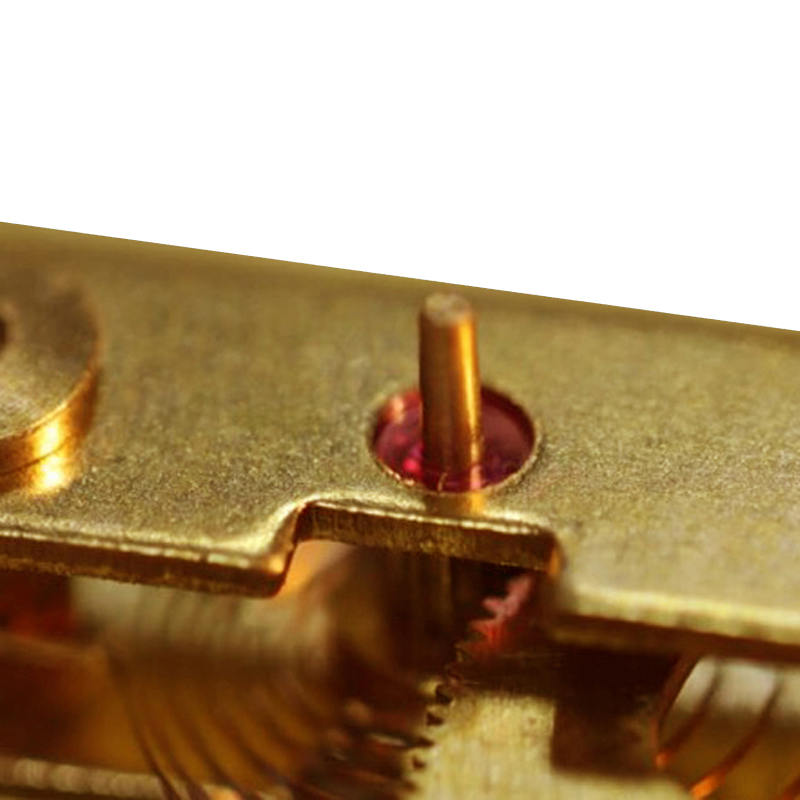
The majority of bicycle tire pressure gauges utilize a combination of materials chosen for their strength, elasticity, and corrosion resistance. Analog gauges commonly employ a Bourdon tube, typically constructed from beryllium copper alloy or steel. Beryllium copper offers superior spring characteristics and corrosion resistance, but at a higher cost. Steel tubes are often coated with a protective layer to prevent oxidation. Gauge housings are frequently manufactured from ABS plastic, polycarbonate, or aluminum. ABS provides a balance of cost-effectiveness and impact resistance, while polycarbonate offers enhanced durability and UV stability. Aluminum housings provide a premium feel and excellent heat dissipation. Digital gauges incorporate a pressure sensor, commonly a piezoresistive silicon sensor. These sensors convert pressure into an electrical signal. Manufacturing processes vary. Analog gauges involve precise tube forming, calibration, and assembly. Digital gauges require sensor integration, circuit board assembly, and software programming. Critical parameter control during manufacturing includes tube annealing for stress relief, sensor calibration to NIST traceable standards, and stringent quality control checks to ensure accuracy and repeatability. The sealing of the gauge is critical to prevent moisture ingress which leads to corrosion.
Performance & Engineering
Performance evaluation of bicycle tire pressure gauges centers on accuracy, repeatability, and hysteresis. Accuracy is assessed by comparing gauge readings to a calibrated pressure standard across the gauge’s operating range. Repeatability measures the consistency of readings under identical pressure conditions. Hysteresis evaluates the difference in readings when approaching a given pressure from above and below. Engineering considerations include minimizing the effects of temperature on sensor readings (temperature compensation) and ensuring robust mechanical construction to withstand vibrations and impacts during use. Force analysis focuses on the stress distribution within the Bourdon tube or pressure sensor under load. Environmental resistance is critical; gauges must operate reliably across a wide temperature range and resist moisture ingress. Compliance requirements are defined by standards such as ASTM E74 and ISO 8000-4, specifying accuracy classes and testing procedures. Digital gauges must also meet electromagnetic compatibility (EMC) standards to prevent interference with other electronic devices. A key engineering challenge is miniaturization while maintaining accuracy and robustness.
Technical Specifications
| Parameter | Analog Gauge (Typical) | Digital Gauge (Typical) | Units |
|---|---|---|---|
| Pressure Range | 0-120 | 0-160 | psi |
| Accuracy | ±3 | ±1 | psi |
| Resolution | 1 | 0.1 | psi |
| Operating Temperature | -20 to 60 | -10 to 50 | °C |
| Housing Material | ABS Plastic | ABS Plastic/Aluminum | - |
| Weight | 50-80 | 70-100 | grams |
Failure Mode & Maintenance
Common failure modes for analog gauges include Bourdon tube fatigue cracking due to repeated flexing, mechanism binding caused by corrosion or debris, and leakage through the gauge housing. Digital gauges are susceptible to sensor drift, circuit board failures due to moisture ingress or component aging, and battery depletion. Failure analysis indicates that excessive pressure spikes or impacts can accelerate Bourdon tube failure. Corrosion is a significant contributor to mechanism binding in both analog and digital gauges. Maintenance for analog gauges primarily involves periodic visual inspection for damage and careful handling to avoid impacts. Digital gauges require battery replacement and protection from moisture. Calibration should be performed annually using a calibrated pressure standard. Preventative measures include storing gauges in a dry environment, avoiding exposure to extreme temperatures, and regularly cleaning the gauge housing. For analog gauges, gentle lubrication of the mechanism (with a silicone-based lubricant) can help prevent binding. Proper storage and handling are the most crucial maintenance steps to extend the lifespan of these instruments.
Industry FAQ
Q: What is the impact of temperature on the accuracy of a digital tire pressure gauge?
A: Temperature can significantly affect the accuracy of digital gauges. Most sensors are temperature sensitive, and variations in temperature can cause drift in the readings. High-quality digital gauges incorporate temperature compensation circuitry to minimize this effect, but it’s still important to operate the gauge within its specified temperature range. Extreme temperatures can exceed the compensation range, leading to inaccurate readings.
Q: How often should a tire pressure gauge be calibrated?
A: Calibration should be performed at least annually, or more frequently if the gauge is used extensively or subjected to harsh conditions. Regular calibration ensures that the gauge continues to meet its specified accuracy. Calibration is typically performed using a calibrated pressure standard traceable to national standards like NIST.
Q: What is the difference between PSI, BAR, and KPA, and how do I convert between them?
A: PSI (pounds per square inch), BAR, and KPA (kilopascals) are all units of pressure. 1 PSI is approximately equal to 0.0689 BAR, and 1 BAR is approximately equal to 100 KPA. Most digital gauges allow you to switch between these units. For accurate conversions, use a reliable online converter or the conversion factor noted above.
Q: What material is the most durable for a gauge housing, and why?
A: Aluminum offers the most durable housing material. It provides excellent impact resistance, heat dissipation, and corrosion resistance compared to ABS plastic or polycarbonate. While more expensive, an aluminum housing will significantly extend the lifespan of the gauge, especially in demanding environments.
Q: What are the key considerations when selecting a tire pressure gauge for high-volume use in a bicycle repair shop?
A: For high-volume use, prioritize durability, accuracy, and ease of reading. A digital gauge with a robust housing and a clear digital display is ideal. Consider features like automatic shut-off to conserve battery life, and a bleed valve for precise pressure adjustments. Regular calibration is also paramount to maintain accuracy and customer satisfaction.
Conclusion
The bicycle tire pressure gauge, seemingly a simple device, relies on sophisticated material science and precise manufacturing to deliver accurate and reliable performance. Understanding the principles behind its operation – from the mechanics of the Bourdon tube to the sensitivity of piezoresistive sensors – is crucial for proper selection, maintenance, and troubleshooting. Maintaining correct tire pressure is not merely about comfort; it directly impacts safety, efficiency, and tire lifespan.
Looking ahead, advancements in sensor technology and materials science will likely lead to even more accurate, durable, and compact tire pressure gauges. Integration with smart bicycle systems and mobile apps is also a foreseeable trend. Continued adherence to industry standards and rigorous quality control will remain paramount to ensure the consistent performance and reliability of these essential cycling tools.
 English
  Arabic
  China
China  China (Taiwan)
  Danish
  Dutch
Dutch  French
  German
  Greek
Greek  Hindi
Hindi  Indonesian
  Italian
  Japanese
  Korean
  Latin
Latin  Polish
  Portuguese
  Russian
  Spanish
  Turkish