
Apr . 01, 2024 17:55 Back to list
Tire Pressure Gauge how to use a tire pressure gauge Performance Analysis
Introduction
A tire pressure gauge is a critical tool in vehicle maintenance, fundamentally responsible for verifying the inflation pressure within pneumatic tires. This extends beyond passenger vehicles to encompass commercial trucks, buses, aircraft, and heavy machinery. Its technical position within the automotive and transportation maintenance chain is as a primary instrument for ensuring optimal tire performance, safety, and longevity. Core performance metrics revolve around accuracy, repeatability, and durability, impacting fuel efficiency, handling characteristics, and preventing premature tire failure. Underinflation leads to increased rolling resistance, reduced fuel economy, and accelerated wear on tire shoulders, while overinflation can cause a harsher ride and increased risk of impact damage. Proper tire pressure, as determined by the gauge, directly correlates to vehicle safety systems such as Anti-lock Braking Systems (ABS) and Electronic Stability Control (ESC) functioning effectively. The industry faces consistent challenges related to gauge calibration drift, user error, and the limitations of various gauge technologies in extreme temperature or environmental conditions.
Material Science & Manufacturing
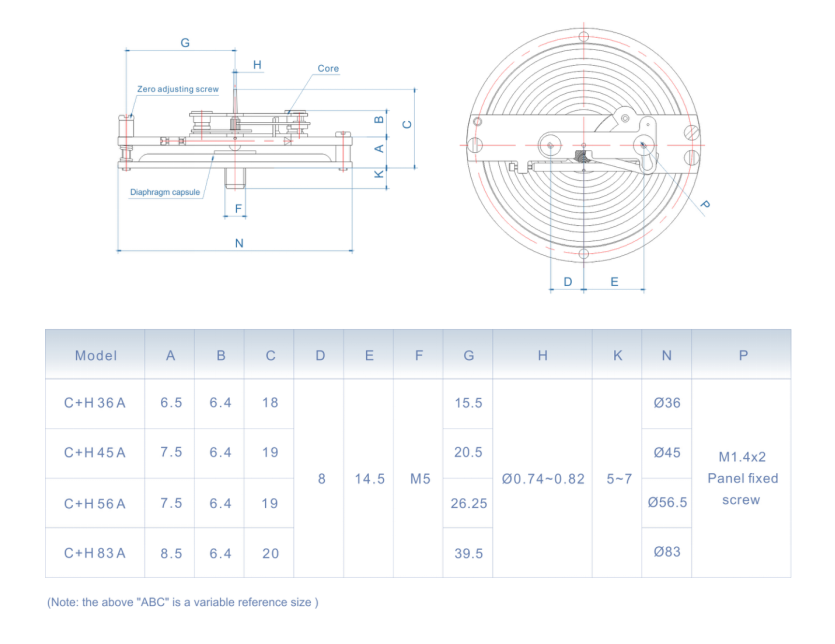
Tire pressure gauges are manufactured from a variety of materials, chosen for their mechanical properties, corrosion resistance, and ability to withstand repeated stress. The sensing element, typically a Bourdon tube, piston, or digital sensor, dictates the gauge's accuracy. Bourdon tubes are constructed from resilient alloys such as beryllium copper or phosphor bronze, selected for their elastic behavior under pressure. These alloys undergo heat treatment processes to optimize their spring characteristics and prevent permanent deformation. Piston-type gauges utilize hardened steel pistons and cylinders, requiring extremely tight tolerances achieved through precision machining and honing. Digital gauges employ piezoresistive pressure sensors often fabricated from silicon, integrated into a circuit board with signal conditioning and display components. Manufacturing processes involve precision metal forming, welding (for analog gauges), plastic injection molding (for gauge housings), and electronic assembly (for digital gauges). Critical parameters include tube diameter and wall thickness for Bourdon tubes, piston-cylinder clearances for piston gauges, and calibration routines for all types. Materials are selected to be compatible with the chemical composition of compressed air – primarily nitrogen, oxygen, and trace hydrocarbons – minimizing corrosion and ensuring long-term reliability. Gauges intended for use with nitrogen-filled tires often incorporate materials specifically resistant to nitrogen permeation to maintain calibration stability.
Performance & Engineering
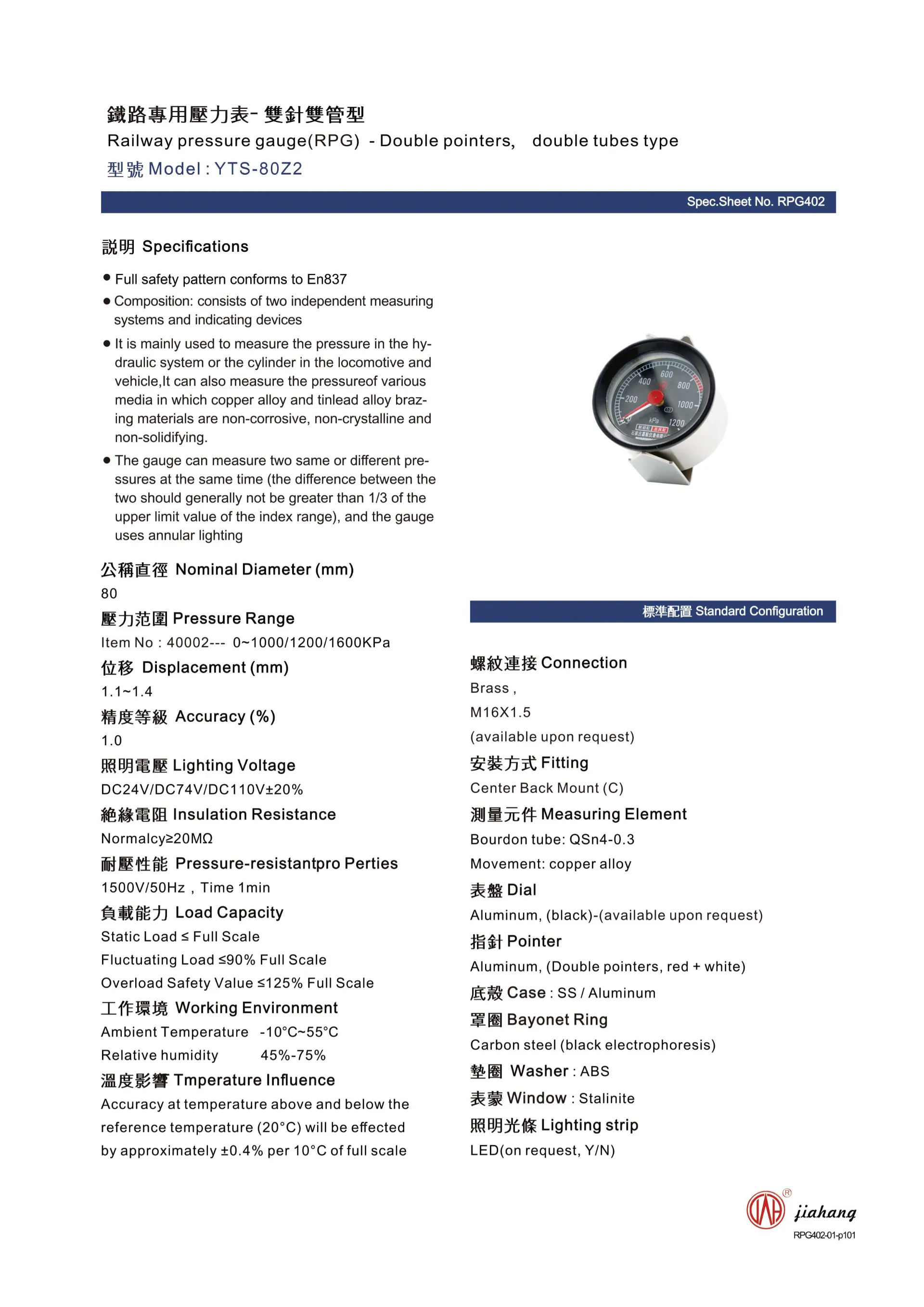
The performance of a tire pressure gauge is fundamentally governed by principles of fluid mechanics and material science. Force analysis centers on the relationship between tire pressure, the area of the sensing element, and the resulting displacement or electrical signal. Bourdon tube gauges translate pressure into linear displacement, requiring careful spring design to ensure accurate readings across the entire pressure range. Piston gauges rely on balancing the tire pressure against a known force, where precision machining and surface finish are paramount to minimize friction and ensure accurate force transmission. Digital gauges utilize Wheatstone bridge circuits to measure the resistance change in a piezoresistive sensor, requiring precise temperature compensation and signal amplification. Environmental resistance is crucial, with gauges needing to withstand temperature fluctuations, humidity, and exposure to road salts and other contaminants. Compliance requirements vary by region, with standards dictating accuracy classes, safety features, and testing protocols. Functional implementation involves ergonomic design for ease of use, clear and unambiguous pressure displays (analog or digital), and robust construction to withstand repeated use and potential impact. Consideration must be given to pressure unit conversion (PSI, BAR, kPa) and the potential for parallax error in analog gauges.
Technical Specifications
| Accuracy | Pressure Range (PSI) | Resolution (PSI) | Operating Temperature (°F) |
|---|---|---|---|
| ±2% of full scale | 0-60 | 0.5 | -20 to 120 |
| ±1.5% of full scale | 0-100 | 1.0 | -4 to 140 |
| ±1% of full scale | 0-150 | 0.5 | 0 to 158 |
| ±0.5% of full scale (Digital) | 0-120 | 0.1 | 32 to 104 |
| ±3% of full scale | 0-30 | 1.0 | -10 to 113 |
| ±2.5% of full scale | 0-80 | 0.5 | -4 to 122 |
Failure Mode & Maintenance
Tire pressure gauges are susceptible to several failure modes. Analog gauges can experience Bourdon tube fatigue cracking due to repeated flexing, leading to inaccurate readings or complete failure. Gear mechanisms (in some designs) can wear, causing erratic pointer movement. Digital gauges are prone to sensor drift, battery failure, and electronic component malfunction. Common issues include corrosion of internal components due to moisture ingress, damage to the air chuck resulting in leaks, and calibration drift over time. Delamination of digital display screens can occur due to temperature extremes. Oxidation of metal components, particularly in harsh environments, can lead to reduced accuracy. Maintenance typically involves periodic calibration against a certified master gauge, regular inspection for physical damage (cracks, leaks), battery replacement (for digital gauges), and proper storage in a clean, dry environment. Avoid dropping the gauge, exposing it to extreme temperatures, or using it to measure pressures outside its specified range. Regular cleaning with a mild detergent solution can prevent corrosion. If significant inaccuracies are observed, the gauge should be replaced or professionally repaired.
Industry FAQ
Q: What is the acceptable tolerance for tire pressure gauge accuracy?
A: Generally, an accuracy of ±2% of full scale is considered acceptable for most automotive applications. However, for high-performance vehicles or critical applications, ±1% or even ±0.5% may be required. The required accuracy depends on the vehicle manufacturer's specifications and the intended use.
Q: How often should a tire pressure gauge be calibrated?
A: Calibration frequency depends on usage and environmental conditions. For professional use, annual calibration is recommended. For personal use, calibration every 2-3 years is a good practice. If a gauge is exposed to extreme temperatures or harsh environments, more frequent calibration may be necessary.
Q: What is the difference between a pencil-type gauge and a digital gauge?
A: Pencil-type gauges are mechanical devices utilizing a Bourdon tube, offering simplicity and no battery requirement. However, they are often less accurate and more susceptible to parallax error. Digital gauges provide higher accuracy, digital readouts, and features like memory and unit conversion but require batteries.
Q: Can a tire pressure gauge be used to measure pressures in other pneumatic systems?
A: While technically possible, it is generally not recommended. Gauges designed for tire pressure are calibrated for a specific range. Using them outside this range can lead to inaccurate readings and potential damage to the gauge. Specialized gauges are available for other pneumatic systems.
Q: What causes a tire pressure gauge to lose accuracy over time?
A: Several factors contribute to accuracy loss, including mechanical wear (Bourdon tube fatigue, gear wear), corrosion of internal components, temperature fluctuations, and calibration drift. Regular calibration and proper storage can minimize these effects.
Conclusion
The tire pressure gauge, despite its seemingly simple function, is a sophisticated instrument governed by fundamental engineering principles. Its material science is carefully chosen to balance durability, elasticity, and corrosion resistance. Accurate tire pressure, consistently verified by a reliable gauge, is paramount for vehicle safety, optimal performance, and extended tire life. Understanding the limitations of various gauge technologies and adhering to regular calibration schedules are crucial for ensuring ongoing accuracy and preventing potential hazards.
Looking forward, advancements in sensor technology and materials science promise to yield even more precise and durable tire pressure gauges. Integration with vehicle Telematics systems and real-time pressure monitoring will further enhance safety and efficiency. Continued refinement of calibration standards and the development of self-calibrating gauges will also play a significant role in improving the reliability of this essential maintenance tool.
 English
  Arabic
  China
China  China (Taiwan)
  Danish
  Dutch
Dutch  French
  German
  Greek
Greek  Hindi
Hindi  Indonesian
  Italian
  Japanese
  Korean
  Latin
Latin  Polish
  Portuguese
  Russian
  Spanish
  Turkish