
Apr . 01, 2024 17:55 Back to list
tire pressure gauge with inflator Performance Analysis
Introduction
The tire pressure gauge with inflator is a critical tool for vehicle maintenance, functioning as a combined measurement and adjustment device for tire inflation. Positioned within the automotive aftermarket and encompassing elements of precision instrumentation and pneumatic systems, it represents a confluence of mechanical and electrical engineering. Core performance revolves around accurate pressure reading, reliable inflation capability, and durability under repeated use. These devices mitigate the risks associated with under- or over-inflated tires, impacting fuel efficiency, tire lifespan, and vehicle safety. The industry faces consistent demand for higher accuracy, faster inflation rates, and integration of digital display technologies. Crucially, reliability and user safety are paramount, demanding robust design and adherence to safety standards.
Material Science & Manufacturing
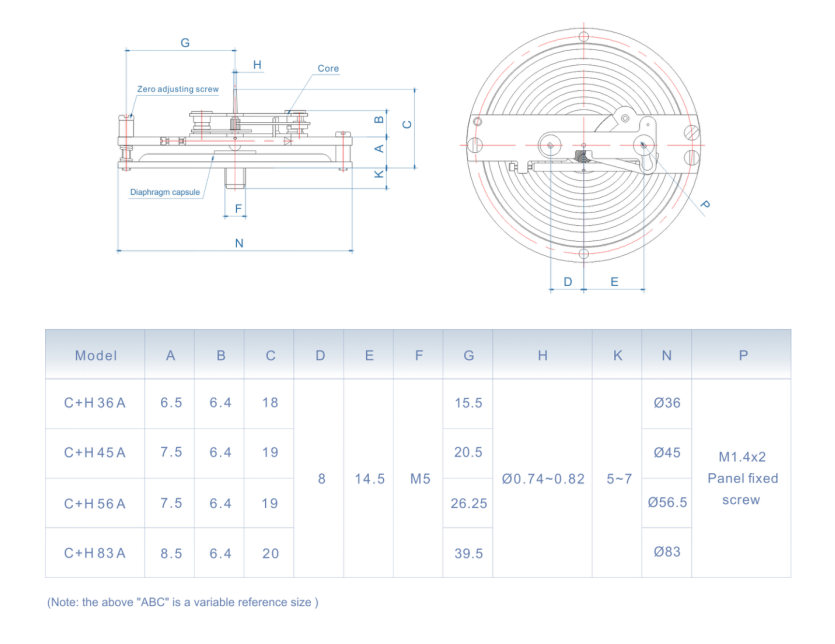
The primary materials utilized in tire pressure gauge with inflator construction dictate its performance and longevity. The gauge housing is frequently manufactured from high-impact acrylonitrile butadiene styrene (ABS) plastic or polycarbonate (PC) due to their balance of impact resistance, temperature stability, and cost-effectiveness. The pressure sensing element typically employs a Bourdon tube, constructed from beryllium copper or stainless steel 304. Beryllium copper offers superior spring characteristics and corrosion resistance, while stainless steel 304 provides a more economical, yet durable, alternative. Inflation components consist of a miniature air compressor, often utilizing a DC motor with permanent magnet configuration, coupled with a brass or aluminum cylinder head and piston. Hoses are commonly fabricated from reinforced PVC or EPDM rubber to withstand repeated flexing and pressure cycling. Manufacturing processes include plastic injection molding for the housing, precision tube bending and welding for the Bourdon tube assembly, and CNC machining for metal components. Key parameter control during production centers around Bourdon tube calibration, ensuring linearity and accuracy across the pressure range. Compressor performance is monitored through rigorous testing of airflow rate, pressure output, and motor efficiency. Hose connections are subject to leak testing under pressure to guarantee a secure seal. Surface treatments, such as passivation for stainless steel and protective coatings for ABS, enhance corrosion resistance and improve product aesthetics.
Performance & Engineering
Performance analysis of a tire pressure gauge with inflator requires consideration of several key engineering factors. Force analysis centers on the stresses applied to the Bourdon tube during pressure measurement, necessitating a robust design to prevent deformation and ensure accuracy. The compression system’s engineering demands efficient thermal management to prevent overheating during prolonged use. Environmental resistance is crucial; devices must withstand temperature fluctuations, humidity, and exposure to road salts and other corrosive elements. Compliance requirements include adherence to safety standards for electrical components (if applicable), pressure vessel integrity, and accuracy standards set by organizations like NIST (National Institute of Standards and Technology). Functional implementation involves the integration of a digital display (LCD or LED) with a microcontroller for signal processing and data presentation. The microcontroller is programmed with calibration curves to compensate for non-linearity in the Bourdon tube response. Power supply design focuses on optimizing energy efficiency and ensuring stable operation within the vehicle’s electrical system. Airflow rate calculations and nozzle design are critical for efficient tire inflation. The selection of seals and O-rings (typically nitrile rubber or Viton) dictates the long-term leak resistance of the system.
Technical Specifications
| Pressure Range (PSI) | Accuracy (PSI) | Inflation Flow Rate (LPM) | Operating Voltage (VDC) |
|---|---|---|---|
| 0-60 | ±1 | 8 | 12 |
| 0-100 | ±2 | 10 | 12 |
| 0-150 | ±3 | 12 | 12 |
| 0-200 | ±4 | 15 | 24 |
| 0-50 | ±0.5 | 6 | 5 |
| 0-35 | ±0.25 | 4 | 3.7 |
Failure Mode & Maintenance
Common failure modes in tire pressure gauges with inflators stem from several sources. Fatigue cracking of the Bourdon tube can occur due to repeated pressure cycling and stress concentration, leading to inaccurate readings or complete failure. Leakage around the hose connections is another frequent issue, caused by degradation of seals or loosening of fittings. Compressor failure can result from overheating, bearing wear, or electrical component malfunction. Digital display failures typically involve LCD screen damage or microcontroller errors. Corrosion of metal components, particularly in harsh environments, can lead to diminished performance and eventual failure. For maintenance, regular calibration of the gauge is recommended to ensure accuracy. Hose connections should be inspected for leaks and tightened as needed. The compressor should be operated within its specified duty cycle to prevent overheating. Periodic cleaning of the device with a mild detergent can remove dirt and grime. If the digital display malfunctions, battery replacement (if applicable) or microcontroller reprogramming may be required. Addressing early signs of corrosion through protective coatings can extend the device’s lifespan. Preventative maintenance, including proper storage and handling, can significantly reduce the likelihood of failures.
Industry FAQ
Q: What is the typical lifespan of the Bourdon tube in a high-use tire pressure gauge with inflator?
A: The lifespan of a Bourdon tube is contingent on material composition, manufacturing quality, and operating conditions. A beryllium copper tube, with proper maintenance, can endure upwards of 500,000 pressure cycles. However, exposure to corrosive environments or excessive pressure spikes can significantly reduce this lifespan. Stainless steel variants typically exhibit a slightly lower cycle life, around 300,000 cycles, but offer greater resistance to certain chemical exposures.
Q: How does temperature affect the accuracy of the pressure readings?
A: Temperature significantly influences accuracy. The Bourdon tube's elasticity changes with temperature, altering its spring characteristics and therefore, its calibration. Most gauges are calibrated at a standard temperature (e.g., 20°C). Deviations from this temperature introduce errors. Manufacturers often implement temperature compensation techniques, but these are not always perfect. Extreme temperatures can also affect the viscosity of the internal fluid used in some gauges, impacting damping and responsiveness.
Q: What are the safety considerations when using the inflator function?
A: Safety is paramount. Over-inflation poses a significant risk of tire rupture, leading to potential vehicle damage or accidents. Users should always adhere to the tire manufacturer’s recommended inflation pressure. The inflator should never be left unattended during operation. Inspecting the hose for cracks or leaks before each use is crucial. Furthermore, proper grounding of the device (if electrically powered) is essential to prevent electrical shock.
Q: What level of accuracy is acceptable for commercial tire pressure gauges with inflators used in fleet maintenance?
A: For fleet maintenance, a higher degree of accuracy is essential. An acceptable accuracy level is typically ±1 PSI, or even ±0.5 PSI for critical applications. Regular calibration and traceability to NIST standards are also mandatory for ensuring compliance with safety regulations and optimizing tire performance. The cost of inaccurate inflation across a fleet can be substantial due to reduced fuel efficiency and premature tire wear.
Q: What materials are preferred for hose construction to maximize durability and chemical resistance?
A: EPDM rubber is generally preferred for hose construction due to its excellent resistance to heat, ozone, weathering, and a wide range of chemicals commonly encountered in automotive environments. Reinforced PVC offers a more economical alternative, but is less resistant to certain solvents and oils. The reinforcement layer (typically a braided polyester or nylon) enhances burst strength and prevents kinking. The coupling materials (brass or stainless steel) should also be chosen for compatibility with the hose material and the surrounding environment.
Conclusion
The tire pressure gauge with inflator represents a vital intersection of precision measurement, pneumatic technology, and material science. Ensuring its reliable performance necessitates careful consideration of material selection, manufacturing processes, and adherence to stringent quality control measures. The accuracy, durability, and safety features of these devices directly impact vehicle safety, fuel efficiency, and tire lifespan.
Future developments are likely to focus on integrating wireless connectivity for real-time data monitoring, incorporating more sophisticated temperature compensation algorithms, and utilizing advanced materials to enhance longevity and reduce weight. Furthermore, increased emphasis will be placed on ergonomic design and user-friendly interfaces to improve the overall user experience and promote responsible tire maintenance practices.
 English
  Arabic
  China
China  China (Taiwan)
  Danish
  Dutch
Dutch  French
  German
  Greek
Greek  Hindi
Hindi  Indonesian
  Italian
  Japanese
  Korean
  Latin
Latin  Polish
  Portuguese
  Russian
  Spanish
  Turkish