
Apr . 01, 2024 17:55 Back to list
Tire Pressure Gauges accuracy of tire pressure gauges
Introduction
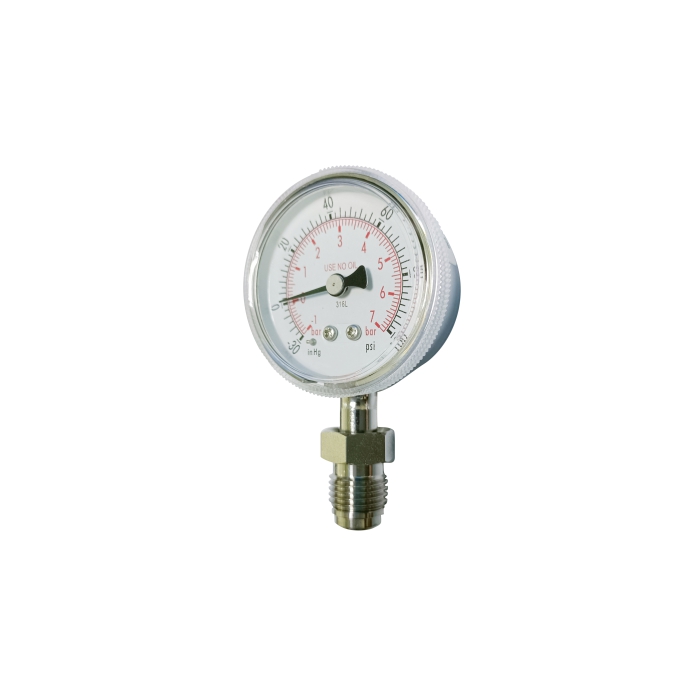
Tire pressure gauges are critical instruments in maintaining vehicle safety and optimizing tire performance. Their function is to accurately measure the pneumatic pressure within a tire, expressed typically in pounds per square inch (PSI), bar, or kilopascals (kPa). Within the automotive industry supply chain, tire pressure gauges represent a foundational quality control and maintenance tool, impacting both original equipment manufacturing (OEM) and aftermarket service sectors. Achieving accurate readings is paramount, as under-inflation leads to increased rolling resistance, reduced fuel efficiency, uneven wear, and potential tire failure. Conversely, over-inflation reduces the contact patch, negatively impacting handling and increasing the risk of damage from road hazards. This guide provides an in-depth examination of the material science, manufacturing processes, performance characteristics, failure modes, and relevant standards governing tire pressure gauge accuracy. The inherent challenge lies in creating a reliable and consistent measurement system within a dynamic environment subjected to temperature variations, user technique, and potential mechanical wear.
Material Science & Manufacturing
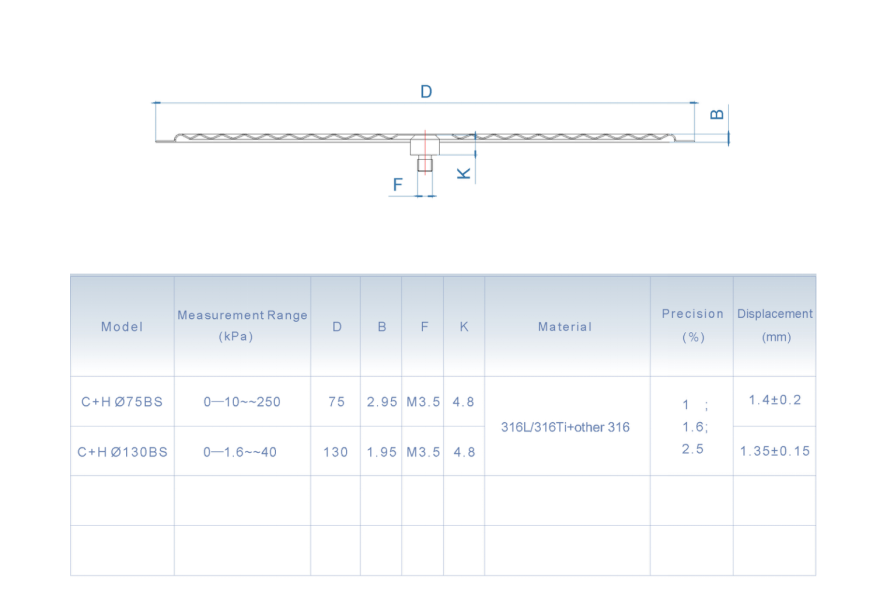
The majority of tire pressure gauges utilize either a Bourdon tube, a diaphragm, or a digital pressure sensor as the core measuring element. Bourdon tubes, typically constructed from beryllium copper or spring steel, are C-shaped tubes that straighten proportionally to the internal pressure. Diaphragm gauges employ a flexible diaphragm, often made of stainless steel or a polymer composite, that deflects under pressure. Digital gauges utilize strain gauges bonded to a silicon diaphragm or piezoelectric sensors. The material selection for each component is critical. Beryllium copper offers high strength and corrosion resistance for Bourdon tubes, while stainless steel provides excellent durability and chemical inertness for diaphragms. The housing is commonly manufactured from brass, aluminum alloy, or impact-resistant plastic (ABS, polycarbonate) through processes like die-casting or injection molding.
Manufacturing processes demand precise tolerances. Bourdon tube fabrication involves forming, heat treatment (to achieve optimal spring characteristics), and calibration. Diaphragm gauges require meticulous welding and sealing to prevent leaks. Digital gauge production involves surface mount technology (SMT) for sensor attachment and printed circuit board assembly (PCBA). Critical parameters include the annealing temperature of the Bourdon tube (influencing its elastic properties), the diaphragm thickness (affecting sensitivity), and the linearity of the sensor output. Calibration is a crucial stage, typically performed using NIST-traceable pressure standards. Automated calibration systems are employed to minimize human error and ensure repeatability. The accuracy of the gauge is fundamentally linked to the precision of the manufacturing and calibration processes; even minor deviations can significantly impact the final measurement.
Performance & Engineering
The performance of a tire pressure gauge is characterized by its accuracy, repeatability, linearity, and hysteresis. Accuracy refers to the deviation between the indicated pressure and the actual pressure. Repeatability quantifies the consistency of measurements under identical conditions. Linearity describes the proportional relationship between pressure and output signal. Hysteresis represents the difference in readings when approaching a given pressure from increasing or decreasing directions. Force analysis focuses on the stresses within the Bourdon tube or diaphragm under pressure, requiring finite element analysis (FEA) to optimize component geometry and prevent plastic deformation. Environmental resistance is a key consideration; gauges must maintain accuracy across a wide temperature range (-20°C to 60°C or beyond) and resist corrosion from exposure to road salts and other environmental contaminants.
Compliance requirements vary by region. In the United States, gauges intended for commercial applications may be subject to National Institute of Standards and Technology (NIST) guidelines. European standards (EN) dictate accuracy classes and testing procedures. Functional implementation involves careful consideration of gauge design. Analog gauges rely on mechanical linkages and dials, requiring precise gear ratios and dial markings. Digital gauges employ analog-to-digital converters (ADCs) and microcontrollers to process sensor signals and display readings. Power consumption is a critical factor for digital gauges, influencing battery life. Proper venting is essential to prevent pressure build-up within the gauge housing due to temperature fluctuations.
Technical Specifications
| Accuracy Class | Pressure Range (PSI) | Resolution (PSI) | Operating Temperature (°C) |
|---|---|---|---|
| 1.0% Full Scale | 0-60 | 0.5 | -10 to 50 |
| 2.0% Full Scale | 0-100 | 1.0 | -20 to 60 |
| 1.5% Full Scale | 0-150 | 0.5 | 0 to 50 |
| 3.0% Full Scale | 0-200 | 2.0 | -20 to 70 |
| Digital - ±0.1 PSI | 0-120 | 0.1 | -10 to 50 |
| Digital - ±0.2 PSI | 0-180 | 0.1 | -20 to 60 |
Failure Mode & Maintenance
Common failure modes in tire pressure gauges include drift in calibration, leaks (in analog gauges), sensor malfunction (in digital gauges), and mechanical damage to the Bourdon tube or diaphragm. Calibration drift can occur due to temperature cycling, physical shock, or material creep. Leaks can arise from faulty seals or cracks in the Bourdon tube. Sensor malfunction in digital gauges can be caused by electromagnetic interference (EMI) or component failure. Fatigue cracking in the Bourdon tube can occur after repeated stress cycles. Oxidation and corrosion can degrade the materials over time, leading to inaccurate readings. Delamination can occur in diaphragm gauges due to material incompatibility or manufacturing defects.
Preventative maintenance involves regular calibration (at least annually), visual inspection for damage, and proper storage. Gauges should be protected from extreme temperatures, physical shock, and corrosive environments. Analog gauges should be checked for leaks using a soap solution. Digital gauges should be tested against a known pressure standard. If a gauge consistently provides inaccurate readings, it should be replaced or professionally recalibrated. Avoid dropping or subjecting the gauge to excessive force. Proper handling and regular maintenance are essential for ensuring long-term accuracy and reliability. In the event of a Bourdon tube rupture, exercise extreme caution as the pressurized tube can become a projectile.
Industry FAQ
Q: What is the typical calibration cycle for a tire pressure gauge used in a commercial tire service center?
A: Industry best practice dictates a calibration cycle of every six to twelve months for tire pressure gauges used in commercial applications. Frequent use and exposure to varying environmental conditions necessitate more frequent calibration to maintain accuracy and adhere to potential regulatory requirements. Calibration should be traceable to NIST standards.
Q: How does temperature affect the accuracy of a tire pressure gauge?
A: Temperature affects the accuracy of tire pressure gauges through several mechanisms. The pressure within the tire itself changes with temperature (following the ideal gas law). The gauge’s internal components, particularly the Bourdon tube or diaphragm, can expand or contract with temperature fluctuations, altering the calibration. High-quality gauges are designed to minimize these effects, but temperature compensation may be necessary for critical applications.
Q: What are the advantages of digital tire pressure gauges over analog gauges?
A: Digital tire pressure gauges generally offer higher accuracy, better resolution, and increased repeatability compared to analog gauges. They often include features such as backlit displays, automatic shut-off, and data logging capabilities. However, they rely on battery power and may be more susceptible to electronic interference.
Q: What is the impact of using a low-quality or inaccurate tire pressure gauge?
A: Using a low-quality or inaccurate tire pressure gauge can lead to under-inflated or over-inflated tires, resulting in reduced fuel efficiency, uneven tire wear, compromised handling, and an increased risk of tire failure. This can have significant safety and economic consequences.
Q: How should a tire pressure gauge be stored to maximize its lifespan and accuracy?
A: To maximize lifespan and accuracy, a tire pressure gauge should be stored in a clean, dry environment, away from direct sunlight, extreme temperatures, and physical shock. Avoid storing it in areas where it may be exposed to corrosive chemicals or solvents. For digital gauges, remove the batteries for long-term storage.
Conclusion
The accuracy of tire pressure gauges is fundamentally tied to the interplay of material science, precise manufacturing processes, and rigorous calibration procedures. Understanding the performance characteristics – accuracy, linearity, and hysteresis – is crucial for selecting a gauge appropriate for the intended application. Failure modes can range from calibration drift to mechanical damage, necessitating preventative maintenance and regular calibration to ensure continued reliable performance.
Looking ahead, advancements in sensor technology and miniaturization will likely lead to even more accurate and robust tire pressure gauges. Integrating wireless connectivity and data analytics will enable real-time tire pressure monitoring and predictive maintenance. Maintaining adherence to international standards and employing best practices in calibration and maintenance will remain paramount to ensure vehicle safety and optimize tire performance in a continually evolving automotive landscape.
 English
  Arabic
  China
China  China (Taiwan)
  Danish
  Dutch
Dutch  French
  German
  Greek
Greek  Hindi
Hindi  Indonesian
  Italian
  Japanese
  Korean
  Latin
Latin  Polish
  Portuguese
  Russian
  Spanish
  Turkish