
Apr . 01, 2024 17:55 Back to list
Tyre Pressure Gauge how to use a tyre pressure gauge Performance Analysis
Introduction
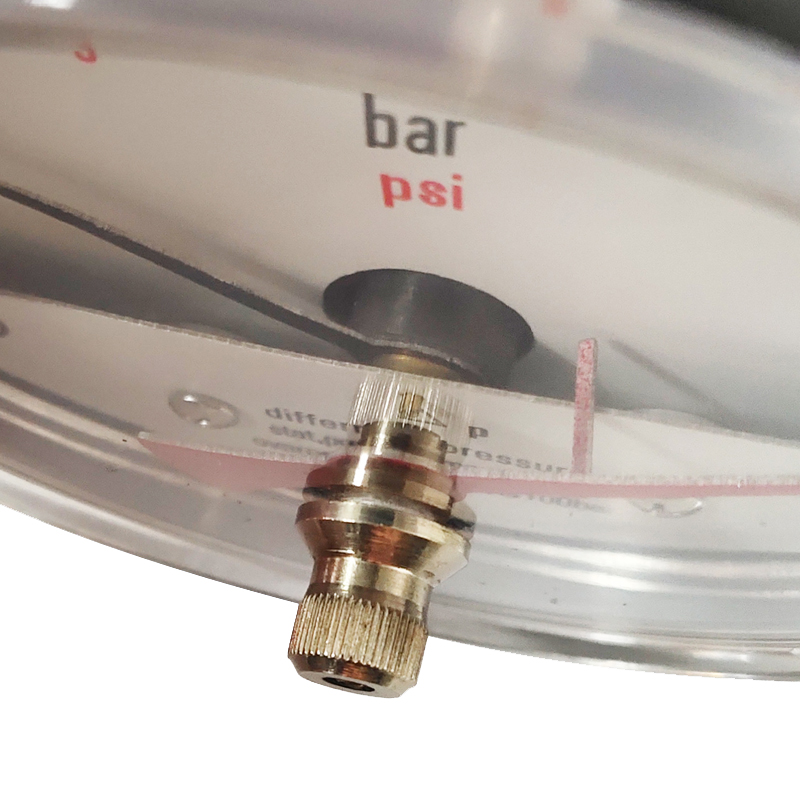
Tyre pressure gauges are critical instruments for maintaining vehicle safety, fuel efficiency, and tyre longevity. Positioned within the automotive aftermarket and essential for vehicle maintenance protocols, they provide a quantitative measurement of the air pressure within pneumatic tyres. Proper tyre inflation, as determined by a reliable gauge, directly impacts handling characteristics, braking distances, and tyre wear patterns. The core performance of a tyre pressure gauge resides in its accuracy, repeatability, and durability, translating directly into quantifiable benefits for vehicle operation and preventative maintenance programs. This guide provides an in-depth exploration of tyre pressure gauge functionality, materials, operational procedures, potential failure modes, and relevant industry standards.
Material Science & Manufacturing
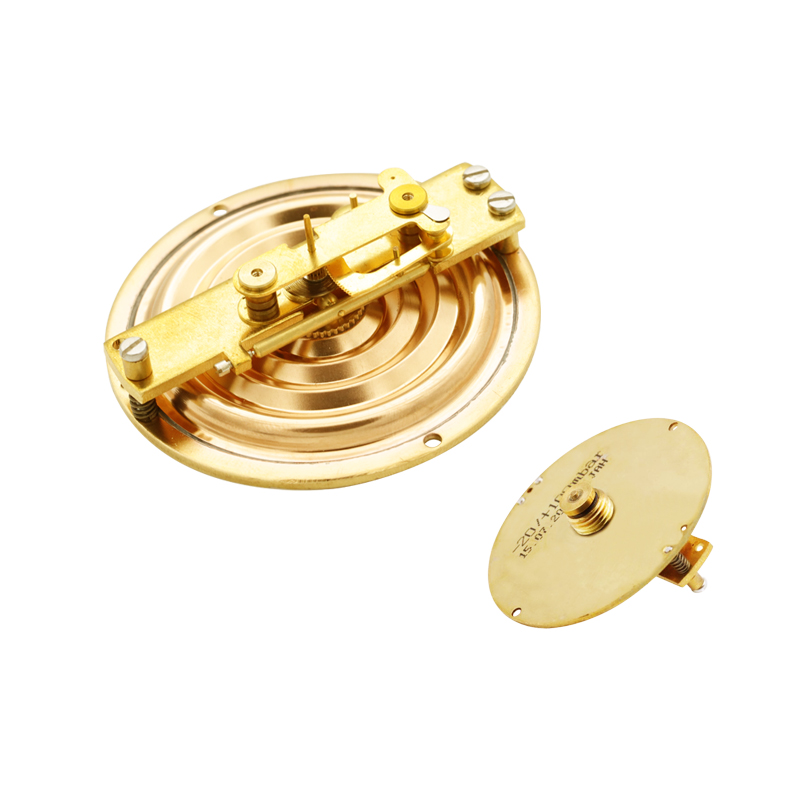
The construction of a typical tyre pressure gauge involves several key materials and manufacturing processes. The gauge housing is commonly fabricated from stainless steel (304 or 316 grade) or robust polymers such as ABS plastic, chosen for their corrosion resistance and impact strength. The sensing element, responsible for detecting pressure, historically employed the Bourdon tube principle. This utilizes a curved, flattened tube that straightens proportionally to the internal pressure. Modern digital gauges often utilize piezoresistive pressure sensors, composed of silicon-based diaphragms with embedded resistors. These resistors change electrical resistance in direct correlation to applied pressure. The manufacturing process for Bourdon tube gauges includes precision tube forming, heat treatment to establish desired elasticity, and meticulous calibration. Digital gauges require semiconductor fabrication, circuit board assembly, and sophisticated calibration routines employing NIST-traceable standards. The gauge face, whether analog or digital, is constructed from polycarbonate or acrylic for clarity and durability. Critical parameter control during manufacturing centers around ensuring dimensional accuracy of the sensing element, proper sealing of the housing to prevent air leaks, and consistent calibration across the pressure range.
Performance & Engineering
The performance of a tyre pressure gauge is dictated by its accuracy, precision, and linearity. Accuracy refers to the gauge's ability to provide a reading close to the true pressure, typically expressed as a percentage of full scale (%FS). Precision describes the repeatability of measurements – how consistently the gauge provides the same reading under identical conditions. Linearity assesses how consistently the gauge’s output changes with changes in input pressure across its entire range. Engineering considerations include minimizing hysteresis (the difference in readings when approaching a pressure from above versus below), compensating for temperature effects on the sensing element, and designing a robust mechanical linkage (in analog gauges) to minimize friction and wear. Compliance requirements are dictated by regional regulations and automotive standards; gauges intended for commercial vehicle applications often require higher levels of accuracy and traceability. Force analysis focuses on the stress distribution within the Bourdon tube or the silicon diaphragm, ensuring structural integrity under maximum pressure. Environmental resistance is crucial, as gauges must withstand temperature fluctuations, humidity, and exposure to road salts and other contaminants. Proper calibration, using a deadweight tester or a calibrated reference gauge, is paramount to ensure consistent and reliable performance.
Technical Specifications
| Pressure Range (PSI) | Accuracy (%FS) | Resolution (PSI) | Operating Temperature (°F) |
|---|---|---|---|
| 0-60 PSI | ±2% | 0.5 PSI | -20 to 150 |
| 0-100 PSI | ±1.5% | 1 PSI | -10 to 160 |
| 0-150 PSI | ±2.5% | 1 PSI | 0 to 140 |
| 0-200 PSI | ±3% | 2 PSI | 10 to 180 |
| 0-60 PSI (Digital) | ±0.5% | 0.1 PSI | -4 to 140 |
| 0-100 PSI (Digital) | ±0.3% | 0.1 PSI | -4 to 158 |
Failure Mode & Maintenance
Tyre pressure gauges are susceptible to several failure modes. Analog gauges can experience Bourdon tube fatigue cracking due to repeated flexing, leading to inaccurate readings or complete failure. Gear train wear within the mechanical linkage can cause sluggish response or inconsistent readings. Digital gauges can fail due to battery depletion, sensor drift (loss of calibration), or circuit board damage from moisture ingress. Common issues include blocked air inlets due to debris, damaged or leaking valve stems on the gauge, and display errors on digital models. Regular maintenance involves visual inspection for physical damage, periodic calibration against a known standard (at least annually), and proper storage to prevent corrosion. Avoid dropping the gauge or exposing it to extreme temperatures. For digital gauges, replace batteries promptly and ensure the seal around the battery compartment is intact. If accuracy cannot be restored through calibration, the gauge should be replaced. Preventative maintenance programs should incorporate regular testing of the gauge against a calibrated reference to ensure ongoing reliability.
Industry FAQ
Q: What is the acceptable tolerance for a tyre pressure gauge used in a commercial trucking fleet?
A: Commercial trucking fleets typically require tyre pressure gauges with an accuracy of ±1% of full scale or better, as mandated by Department of Transportation (DOT) regulations and fleet safety protocols. Regular calibration is crucial to maintain this level of accuracy and ensure compliance.
Q: How does temperature affect the accuracy of a tyre pressure gauge?
A: Temperature variations can impact the accuracy of both analog and digital gauges. Extreme temperatures can alter the elasticity of the Bourdon tube (analog) or affect the performance of the piezoresistive sensor (digital). Gauges should be calibrated at the operating temperature range and temperature compensation may be required in certain applications.
Q: What are the key differences between a pencil-type gauge and a digital gauge?
A: Pencil-type gauges are analog, mechanically operated, and generally less expensive. They are susceptible to parallax error and have a lower resolution. Digital gauges offer greater accuracy, precision, and ease of reading, but rely on batteries and electronic components.
Q: How often should a tyre pressure gauge be calibrated?
A: A tyre pressure gauge should be calibrated at least annually, or more frequently if it is used heavily or exposed to harsh conditions. Calibration ensures continued accuracy and reliability.
Q: What is the significance of 'FS' when specifying gauge accuracy?
A: 'FS' stands for 'Full Scale'. An accuracy specification of ±2% FS means that the gauge reading may deviate by up to 2% of the gauge's maximum pressure reading. For example, on a 100 PSI gauge, ±2% FS translates to an acceptable deviation of ±2 PSI.
Conclusion
The tyre pressure gauge, despite its seeming simplicity, is a technologically refined instrument critical to vehicle safety and performance. From the precise material selection and manufacturing processes involved in constructing the sensing element to the rigorous calibration procedures required to ensure accuracy, maintaining appropriate tyre pressure relies on a reliable gauge. Understanding the operational principles, potential failure modes, and relevant industry standards is crucial for informed selection, proper usage, and effective maintenance.
Future developments in tyre pressure gauge technology may focus on integration with tyre pressure monitoring systems (TPMS) for real-time data logging and wireless connectivity. Enhanced sensor technology and advanced calibration techniques will continue to improve accuracy and reliability. Investing in high-quality, calibrated gauges and implementing regular maintenance protocols are essential for maximizing vehicle efficiency, extending tyre life, and ensuring driver safety.
 English
  Arabic
  China
China  China (Taiwan)
  Danish
  Dutch
Dutch  French
  German
  Greek
Greek  Hindi
Hindi  Indonesian
  Italian
  Japanese
  Korean
  Latin
Latin  Polish
  Portuguese
  Russian
  Spanish
  Turkish