


bourdon type differential pressure gauge
Bourdon Type Differential Pressure Gauge
The bourdon type differential pressure gauge is an essential instrument for measuring the difference in pressure between two points in various applications. Designed for accuracy and reliability, this gauge is ideal for industries such as oil and gas, water treatment, HVAC, and more. With its robust construction and precise measurement capabilities, it ensures optimal performance in demanding environments.
Key Features
- Durable Construction: Built with high-quality materials to withstand harsh conditions.
- Accurate Measurement: Provides reliable readings with minimal deviation.
- Wide Range of Applications: Suitable for various industries including petrochemical, pharmaceutical, and food processing.
- Easy Installation: User-friendly design allows for quick and straightforward setup.
- Corrosion Resistant: Specially treated to resist corrosive substances and ensure longevity.
Technical Specifications
| Specification | Details |
|---|---|
| Pressure Range | 0-100 psi to 0-5000 psi |
| Accuracy | ±1% of full scale |
| Temperature Range | -40°C to 60°C |
| Dial Size | 4", 6", 8" |
| Connection Size | 1/4" NPT, 1/2" NPT |
| Weight | 1.5 kg to 3.5 kg |
Application Scenarios
The bourdon type differential pressure gauge is versatile, making it suitable for a variety of applications, including:
- Oil and Gas Industry: Monitoring pressure differences in pipelines and processing plants.
- Water Treatment: Assessing filter performance and monitoring fluid flow.
- HVAC Systems: Measuring pressure drops across air filters and coils to ensure efficient operation.
- Pharmaceutical Manufacturing: Ensuring sterile environments by monitoring pressure differentials in clean rooms.
- Food and Beverage Processing: Checking pressure in various stages of production to maintain quality standards.
Advantages
Utilizing a bourdon type differential pressure gauge offers several advantages that enhance operational efficiency:
- Cost-Effective: Provides accurate readings without the need for expensive electronic devices.
- Low Maintenance: Robust mechanical design reduces the frequency of required maintenance.
- High Reliability: Proven technology ensures reliable performance over time.
- Wide Compatibility: Can be integrated into various industrial systems with ease.
- Simple Calibration: Easy to calibrate, ensuring that your readings are always precise.
Why Choose Us
When it comes to sourcing a bourdon type differential pressure gauge, our commitment to quality and customer satisfaction sets us apart:
- Expertise: With years of industry experience, our team understands the nuances of differential pressure measurement.
- Quality Assurance: We adhere to stringent quality control measures to guarantee the reliability of our products.
- Custom Solutions: We offer tailored solutions to meet the specific requirements of your application.
- Comprehensive Support: Our dedicated support team is always available to assist you with any inquiries or technical issues.
- Global Reach: We supply our products to clients worldwide, ensuring that you can access our gauges no matter where you are located.
FAQ
1. What is a bourdon type differential pressure gauge?
A bourdon type differential pressure gauge is a mechanical device used to measure the pressure difference between two points in a system, providing critical data for process control and monitoring.
2. How do I select the right pressure range for my application?
To select the appropriate pressure range, consider the maximum pressure differential you expect in your application and choose a gauge that can safely accommodate that range.
3. Can the bourdon type differential pressure gauge be used in corrosive environments?
Yes, our gauges are designed with corrosion-resistant materials, making them suitable for use in various corrosive environments. However, specific applications should be evaluated for suitability based on the materials used.
4. How often should I calibrate my differential pressure gauge?
Calibration frequency depends on your specific application and use conditions. As a general guideline, it is recommended to calibrate at least once a year or as per the manufacturer's recommendations.
5. What maintenance is required for these gauges?
Minimal maintenance is required for a bourdon type differential pressure gauge. Regular visual inspections for damage and ensuring the connections are secure are typically sufficient.
Verwant PRODUCTEN
-
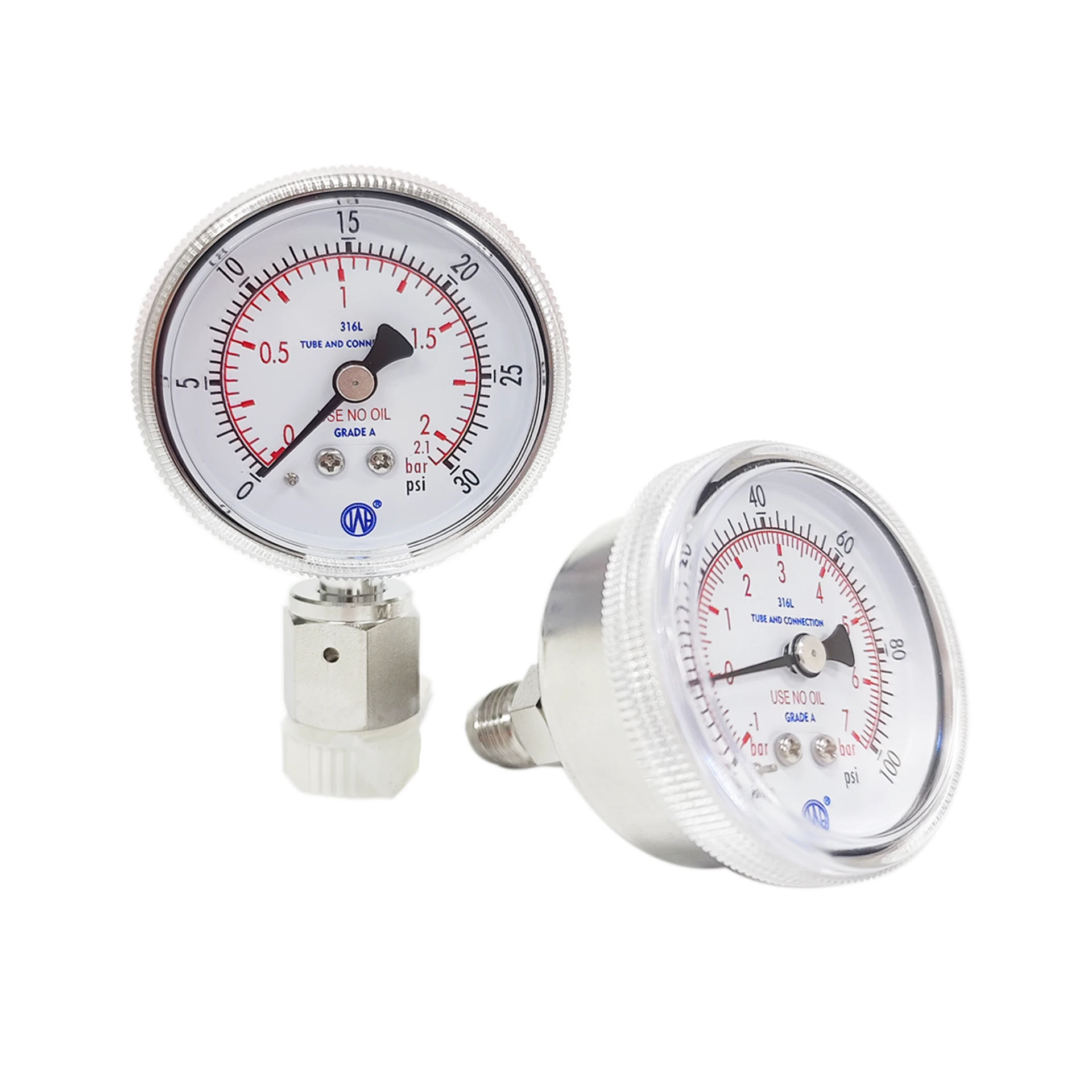
(Ultra)high purity clean pressure gauge-UPG50 / HPG50
-
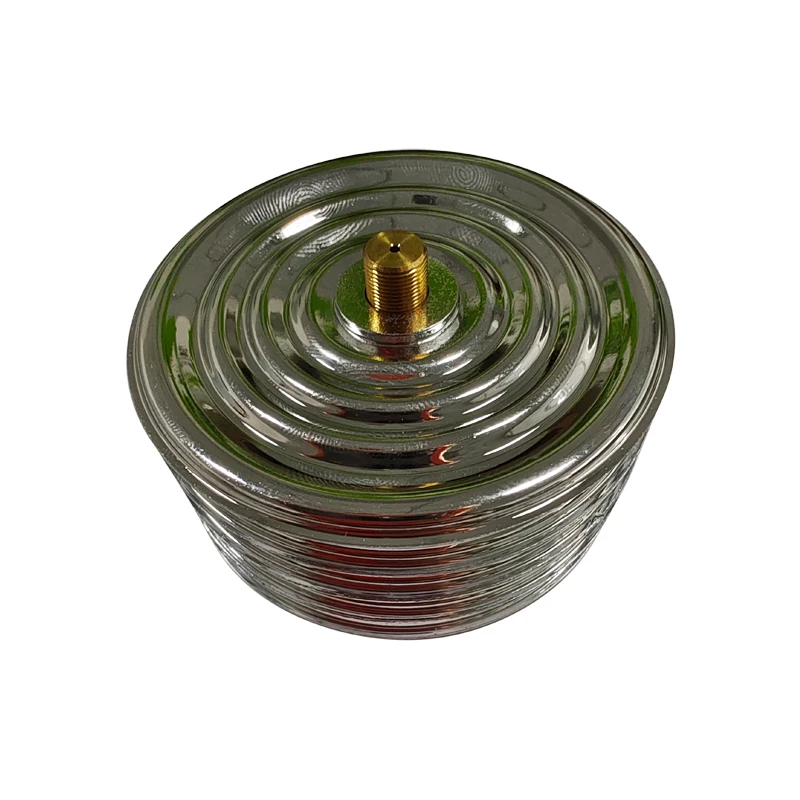
Pressure Diaphragm Capsule-Capsule string-Cube electroplate
-
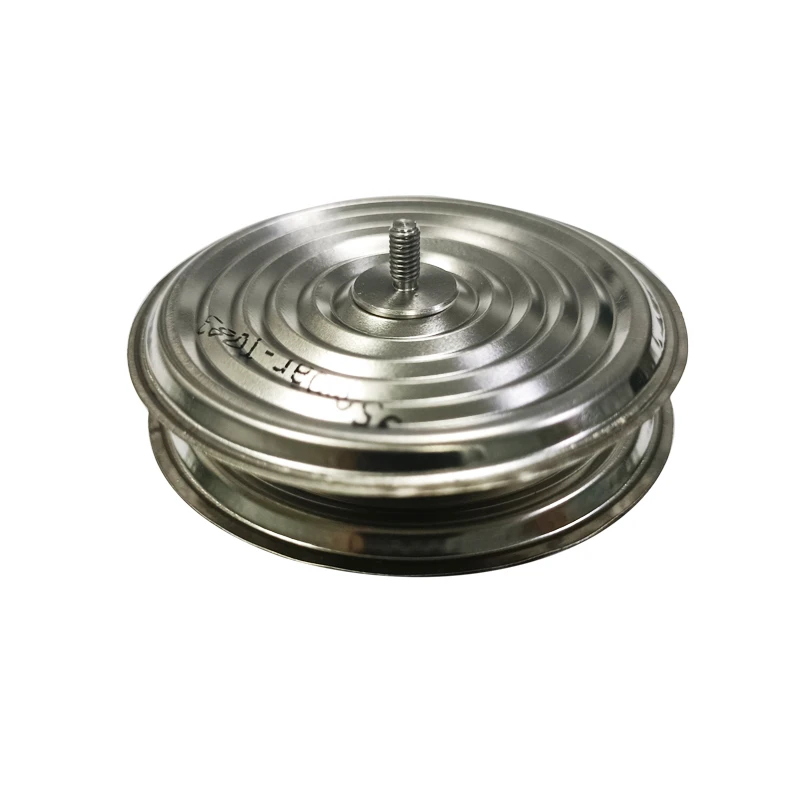
Pressure Diaphragm Capsule-Dual Capsule-316/L SS
-
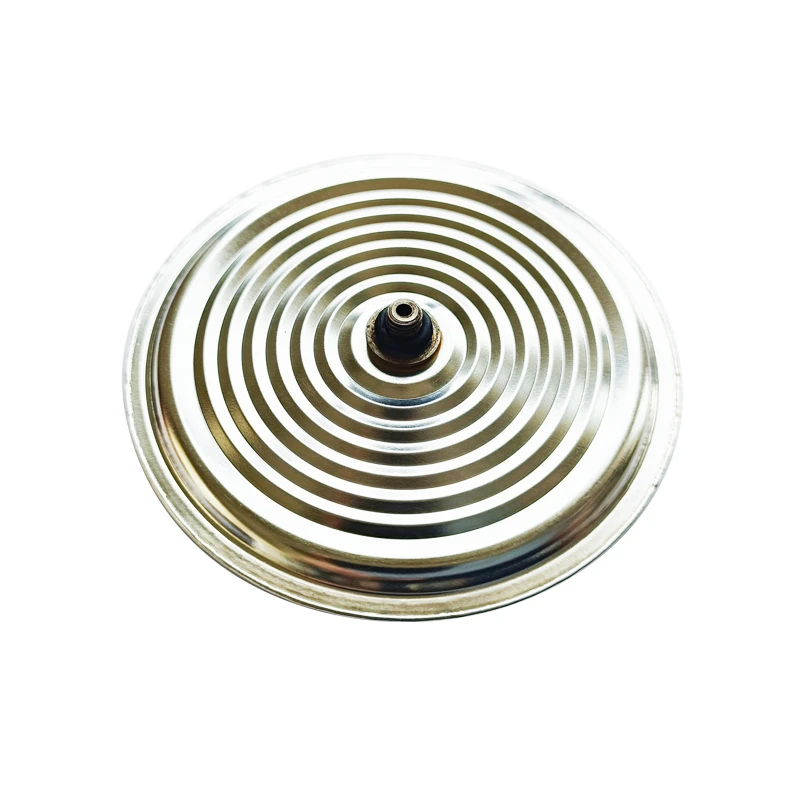
Pressure Diaphragm Capsule(DC)-316 SS-48mm
-
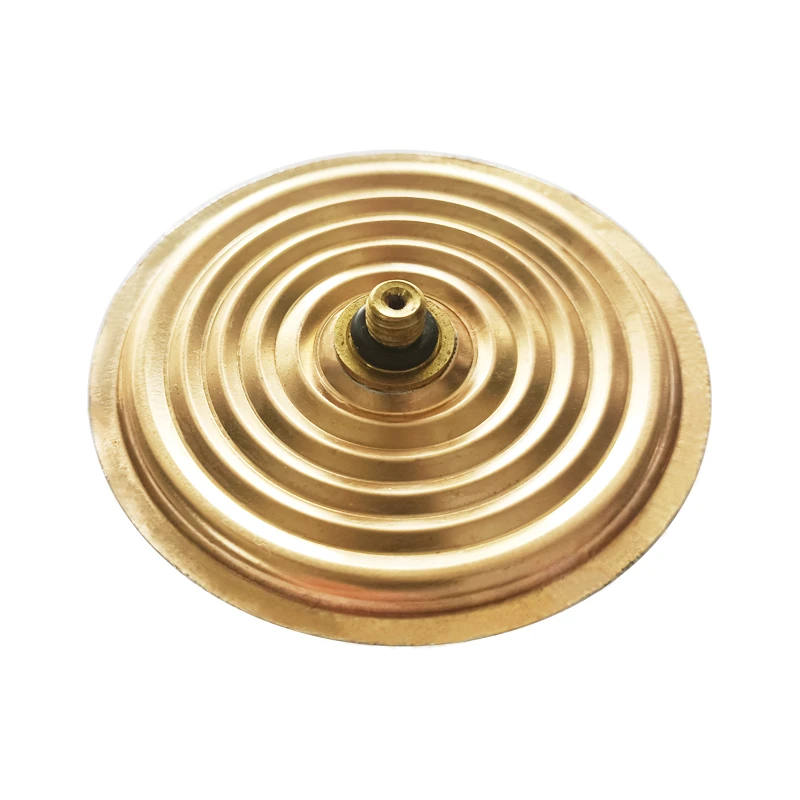
Pressure Diaphragm Capsule(DC)-All copper type-48mm
-
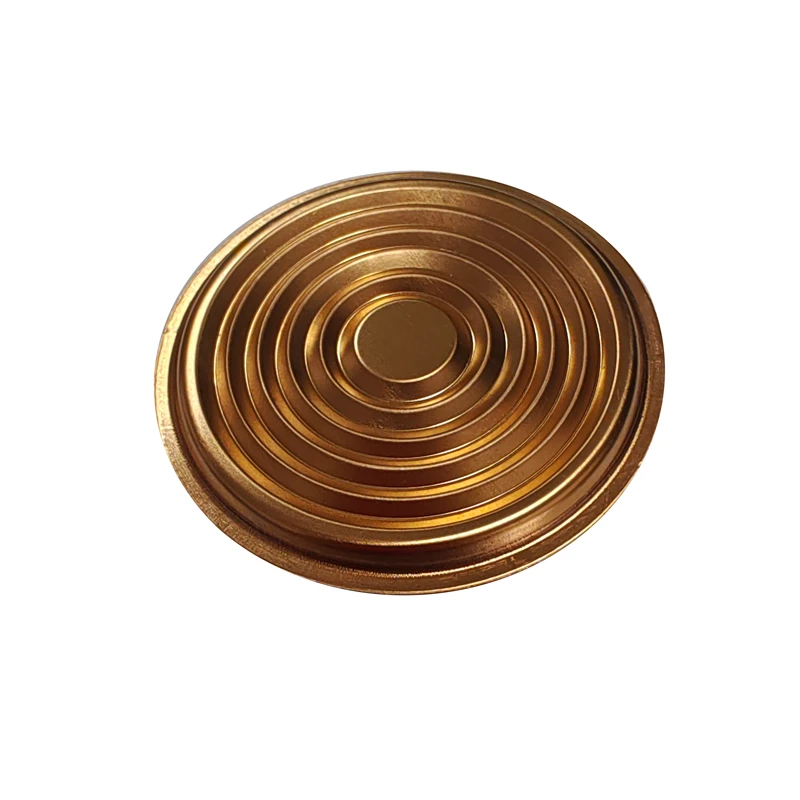
Pressure Single Diaphragm -micropressure-48mm,CuBe2
-
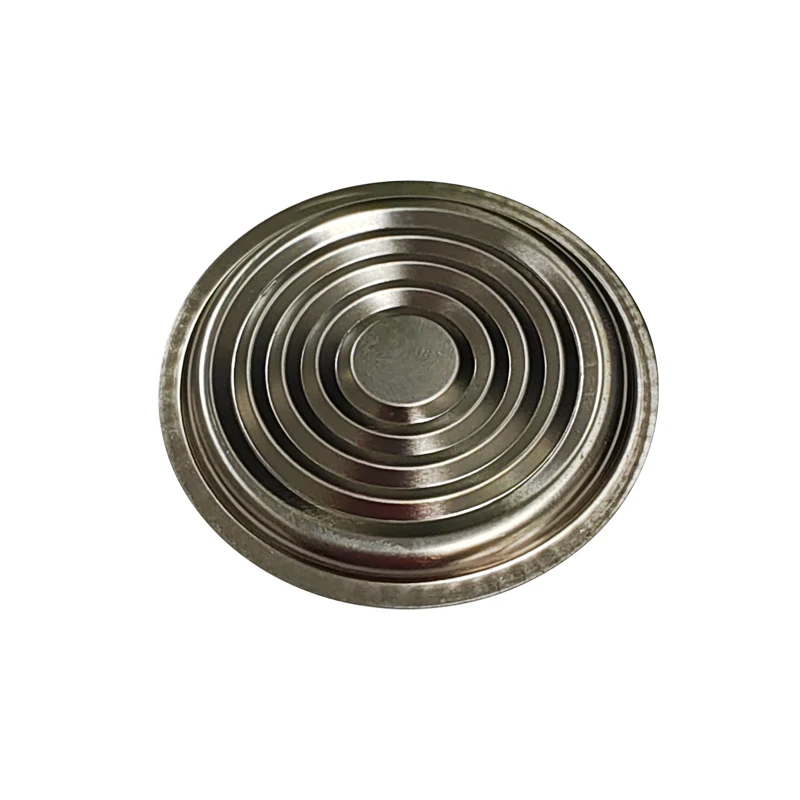
Pressure Single Diaphragm -Corrugated diaphragm-micropressure316/LSS
-
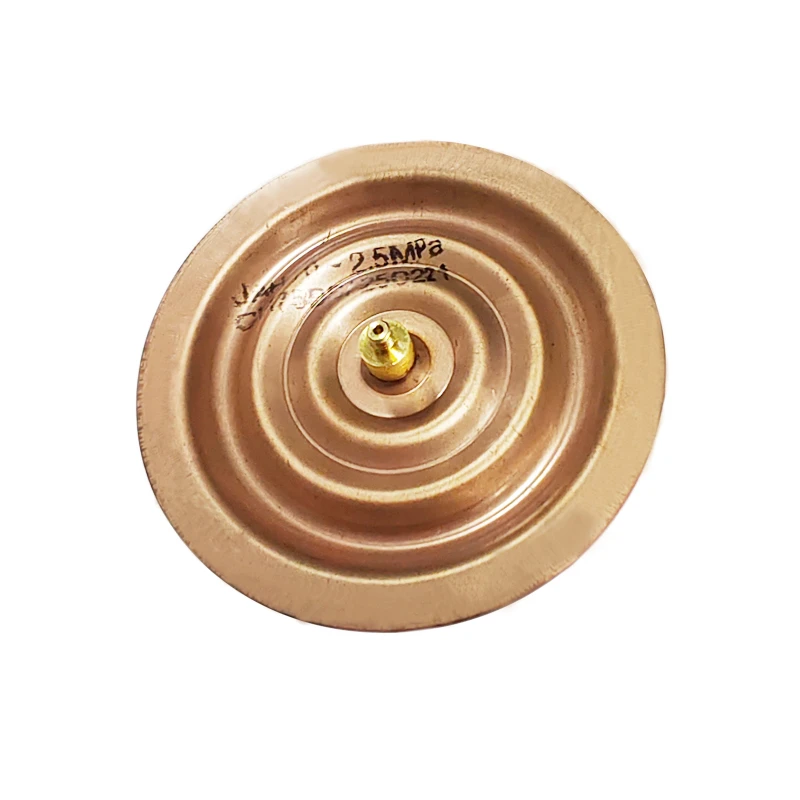
C+H Ø75AS Pressure Diaphragm(PD)-All copper type2.5MPa