

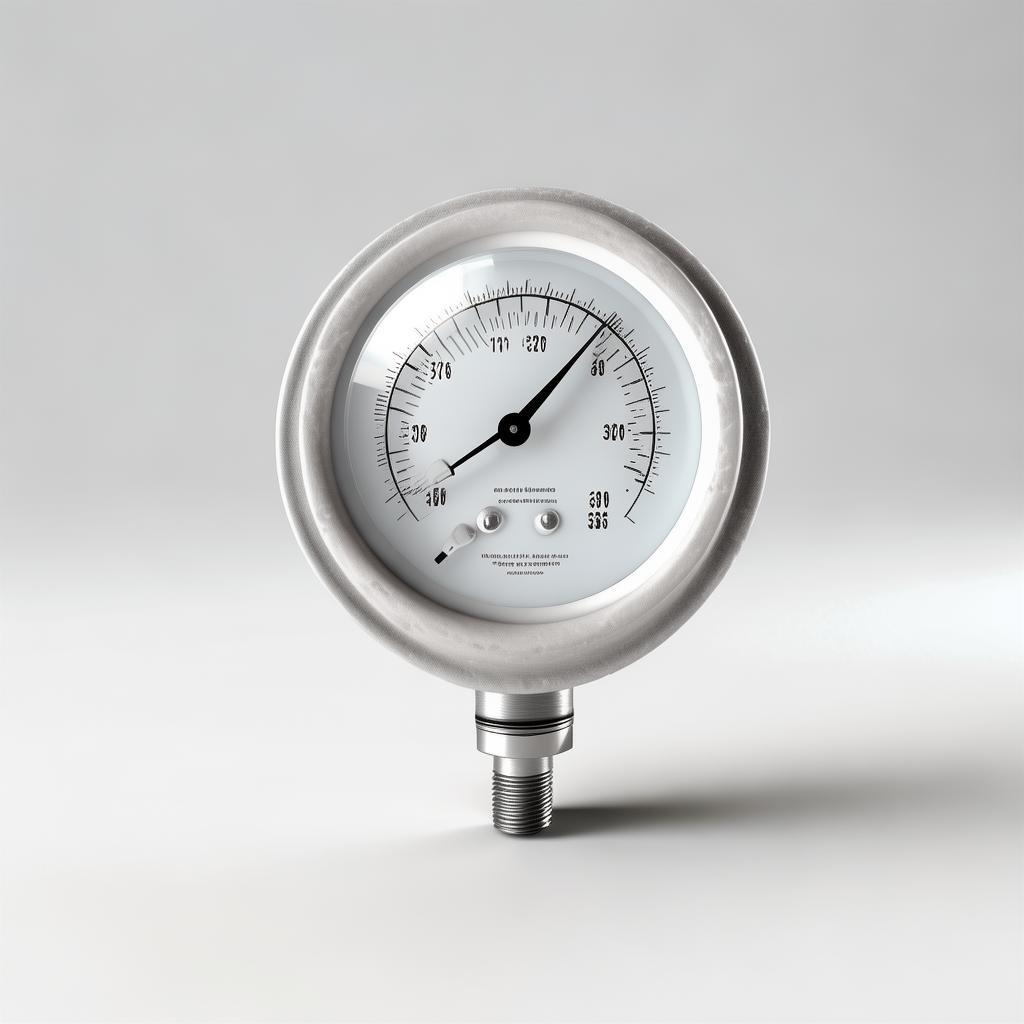
china flanged diaphragm seal pressure gauge
China Flanged Diaphragm Seal Pressure Gauge
The China flanged diaphragm seal pressure gauge is an essential instrument designed for accurately measuring the pressure of fluids in various industrial applications. By employing a diaphragm seal, this device effectively isolates the measuring element from the process media, preventing contamination and damage while ensuring reliable readings in challenging environments.
Key Features
- Robust Construction: Built with high-quality materials for durability and long-lasting performance.
- Flanged Design: Easy installation and a secure fit for various piping systems.
- Wide Pressure Range: Suitable for measuring low to high-pressure applications.
- Temperature Resistance: Capable of withstanding extreme temperatures, making it ideal for diverse environments.
- Corrosion Resistance: Designed to resist corrosive substances, ensuring longevity in harsh conditions.
- Easy Calibration: Simple calibration process to maintain accuracy and reliability.
Technical Specifications
| Specification | Details |
|---|---|
| Model | China Flanged Diaphragm Seal Pressure Gauge |
| Pressure Range | 0-1000 psi |
| Temperature Range | -40°C to 120°C |
| Connection Type | Flanged |
| Diaphragm Material | 316 Stainless Steel |
| Accuracy | ±1% Full Scale |
Application Scenarios
The China flanged diaphragm seal pressure gauge is versatile and can be utilized in numerous industries, including:
- Oil and Gas: For measuring pressure in pipelines, tanks, and separators.
- Chemical Processing: Ideal for monitoring pressure in corrosive environments.
- Water Treatment: Used in monitoring pressure in water and wastewater systems.
- Pharmaceuticals: Ensures accurate pressure readings in sterile environments.
- Food and Beverage: Suitable for use in sanitary applications requiring hygiene compliance.
Advantages
There are several compelling reasons to choose the China flanged diaphragm seal pressure gauge as your pressure measurement solution:
- Protection Against Contaminants: The diaphragm seal design prevents the process media from coming into direct contact with the gauge, protecting sensitive components.
- Enhanced Safety: Reduces the risk of pressure-related accidents and failures, ensuring safer operation in high-pressure applications.
- Improved Accuracy: The isolated measuring element provides more stable and accurate readings, especially in fluctuating pressure environments.
- Cost-Effective: Reduces maintenance costs and downtime due to its robust design and long service life.
Why Choose Us
When selecting a supplier for your China flanged diaphragm seal pressure gauge, consider our commitment to quality and customer satisfaction:
- Industry Expertise: With years of experience in the field, we understand the specific needs of various industries.
- Quality Assurance: Our products undergo rigorous testing and quality control to ensure they meet international standards.
- Customization Options: We offer customization to meet specific requirements, ensuring the perfect fit for your applications.
- Comprehensive Support: Our dedicated customer service team is available to assist you with technical support and inquiries.
FAQ
1. What is a diaphragm seal pressure gauge?
A diaphragm seal pressure gauge is a device that uses a flexible diaphragm to isolate the measuring element from the process media, allowing for accurate pressure measurement in various applications.
2. How do I install the China flanged diaphragm seal pressure gauge?
The installation process involves securing the gauge to a flanged connection in your piping system. Ensure proper alignment and torque specifications are followed for a leak-free connection.
3. Can the diaphragm seal pressure gauge be used in high-temperature applications?
Yes, the China flanged diaphragm seal pressure gauge is designed to withstand temperatures ranging from -40°C to 120°C, making it suitable for a variety of high-temperature applications.
4. What materials are used in the construction of the gauge?
The gauge is typically constructed with 316 stainless steel, providing excellent corrosion resistance and durability in harsh environments.
5. How often should the gauge be calibrated?
Calibration frequency depends on the application and industry standards. However, regular checks are recommended to maintain accuracy, especially in critical measurements.
Verwant PRODUCTEN
-
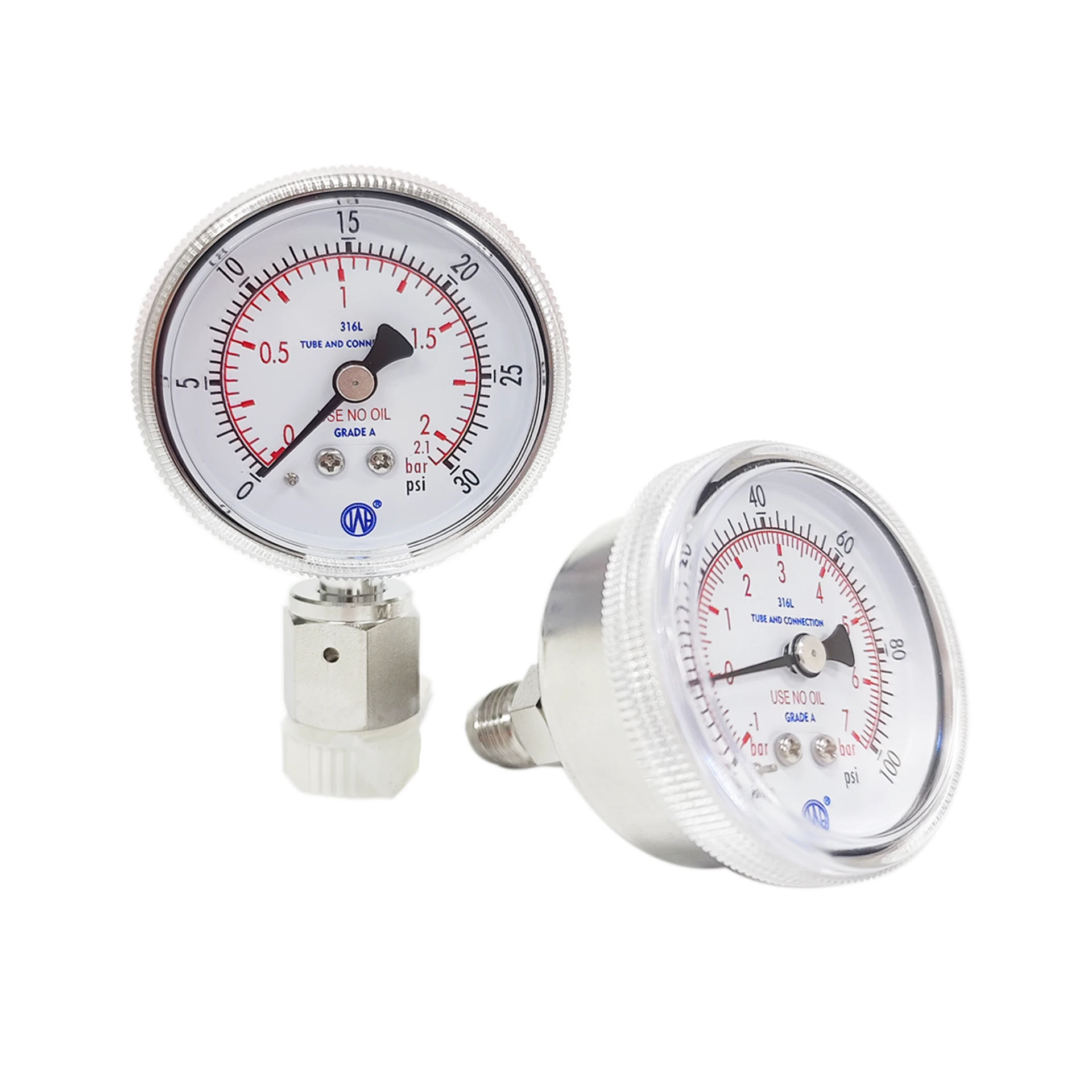
(Ultra)high purity clean pressure gauge-UPG50 / HPG50
-
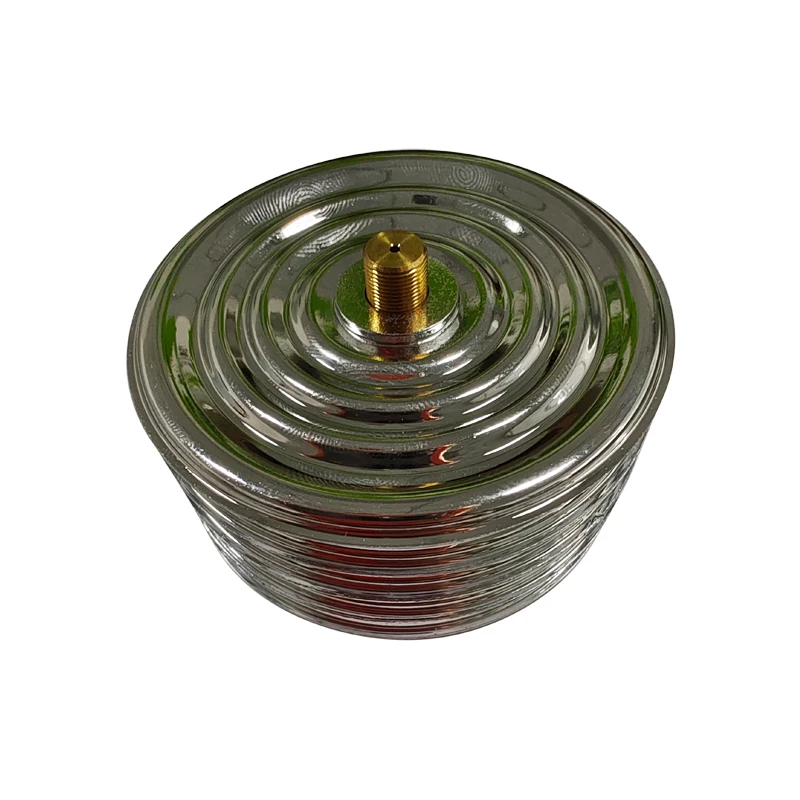
Pressure Diaphragm Capsule-Capsule string-Cube electroplate
-
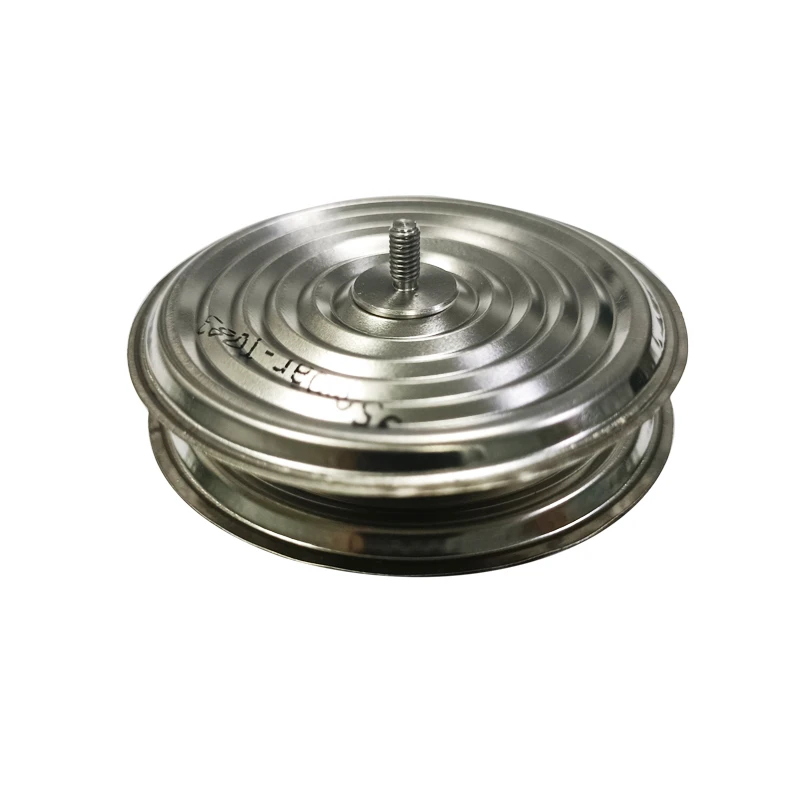
Pressure Diaphragm Capsule-Dual Capsule-316/L SS
-
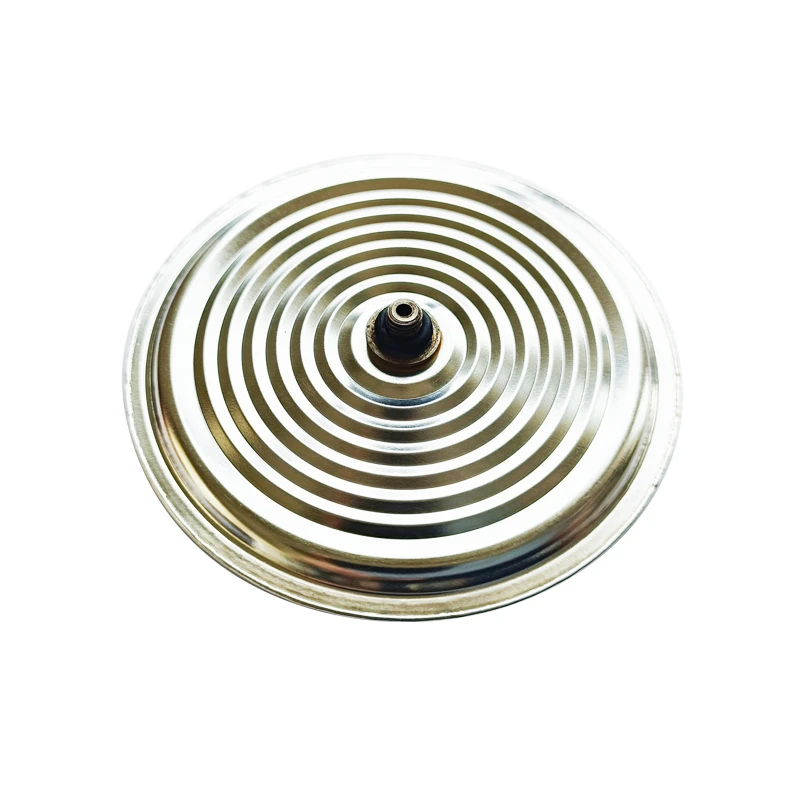
Pressure Diaphragm Capsule(DC)-316 SS-48mm
-
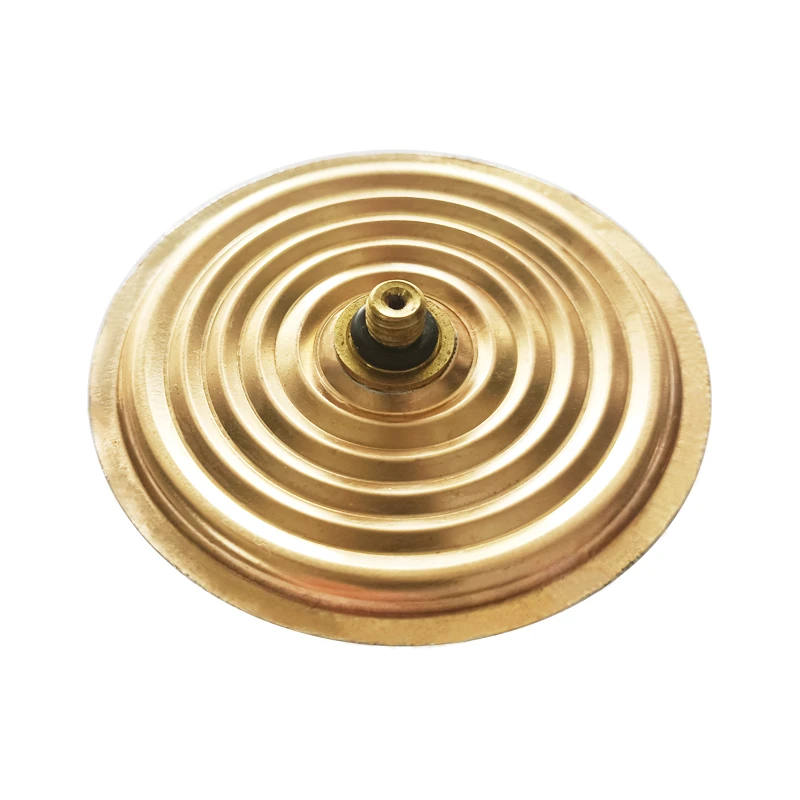
Pressure Diaphragm Capsule(DC)-All copper type-48mm
-
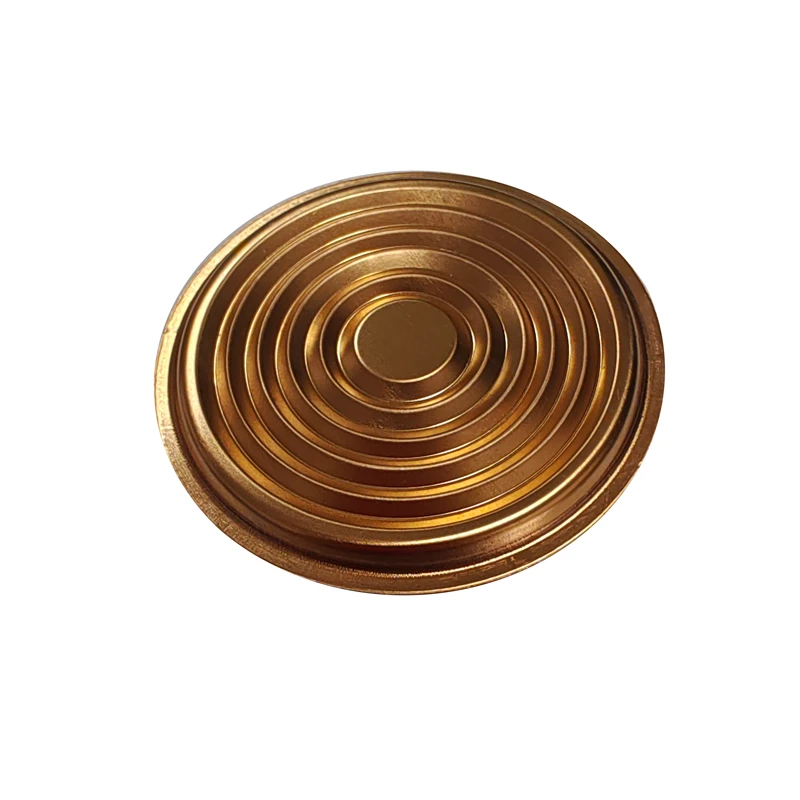
Pressure Single Diaphragm -micropressure-48mm,CuBe2
-
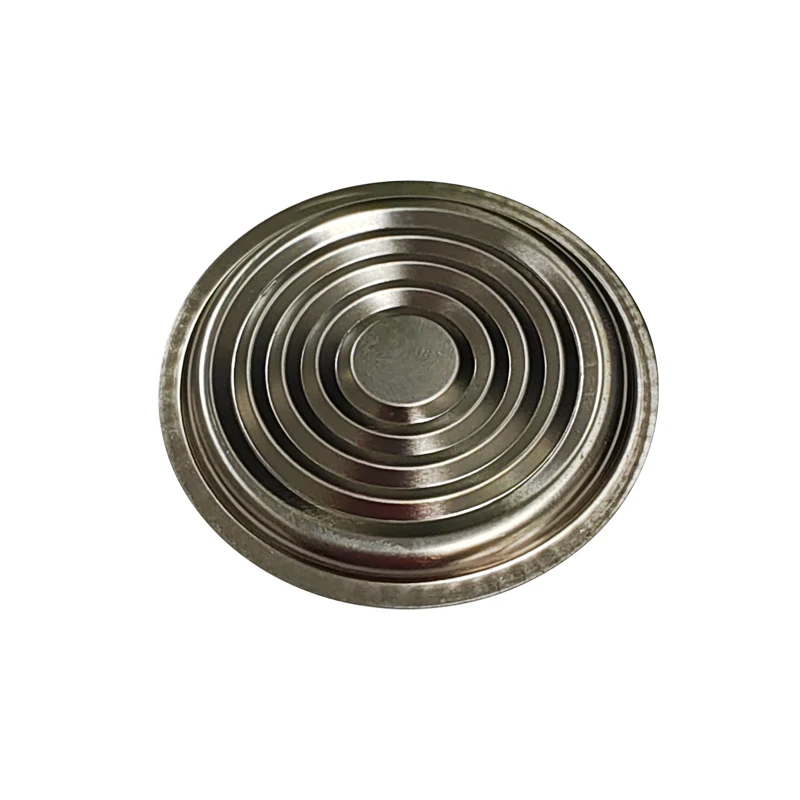
Pressure Single Diaphragm -Corrugated diaphragm-micropressure316/LSS
-
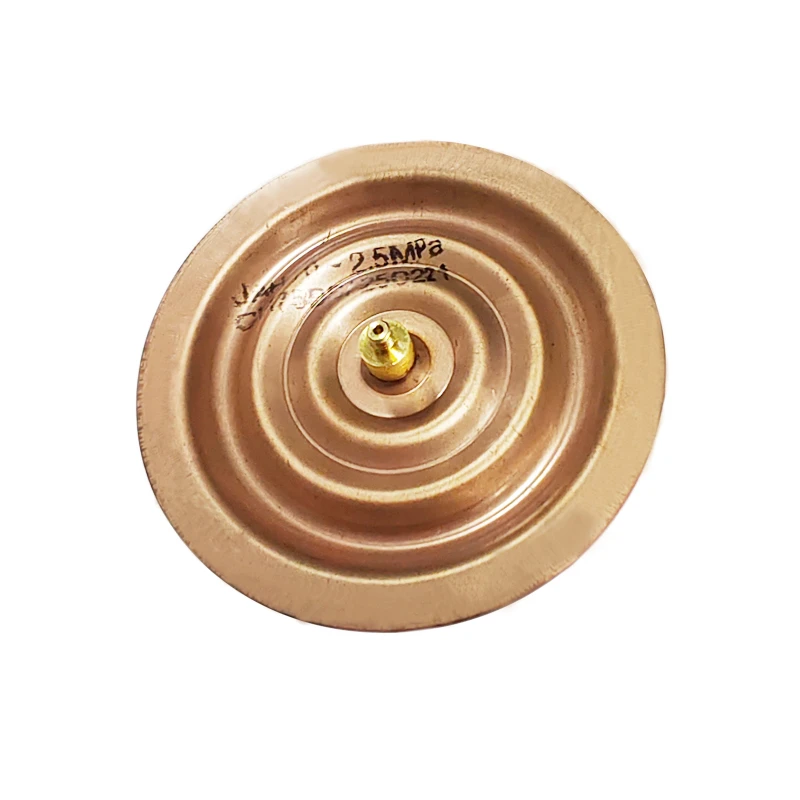
C+H Ø75AS Pressure Diaphragm(PD)-All copper type2.5MPa