


china pressure gauge for fire hydrant
China Pressure Gauge for Fire Hydrant
The China pressure gauge for fire hydrant is an essential tool designed for accurate pressure measurement in fire safety systems. This high-quality pressure gauge ensures that fire hydrants maintain the necessary pressure levels to function effectively during emergencies. With a robust design and precision engineering, our pressure gauges are ideal for both domestic and industrial applications, ensuring reliable performance you can trust.
Key Features
- High Accuracy: Guarantees precise pressure readings to ensure optimal functionality of fire hydrant systems.
- Durable Construction: Made from high-quality materials to withstand harsh environmental conditions.
- Wide Pressure Range: Suitable for various applications with a pressure range tailored to meet specific needs.
- Easy Installation: Designed for quick and straightforward installation on standard fire hydrants.
- Corrosion Resistant: Features a protective coating to prevent corrosion, ensuring longevity and reliability.
Technical Specifications
| Specification | Details |
|---|---|
| Model | PG-FH-01 |
| Pressure Range | 0-300 PSI |
| Accuracy | ±1.5% Full Scale |
| Dial Size | 4 inches |
| Connection Size | 1/4 inch NPT |
| Operating Temperature | -40°F to 150°F |
| Material | Stainless Steel |
Application Scenarios
The China pressure gauge for fire hydrant is specifically designed for use in a variety of applications, including:
- Municipal Fire Departments: Ensures fire hydrants are operational and meet required pressure standards.
- Industrial Facilities: Monitors pressure in fire suppression systems to protect against fire hazards.
- Commercial Buildings: Used to verify the functionality of fire hydrants in high-rise and commercial structures.
- Agricultural Applications: Assists in monitoring water pressure for irrigation systems equipped with fire safety provisions.
Advantages
Choosing our China pressure gauge for fire hydrant offers several advantages:
- Reliable Performance: Designed to provide consistent and accurate pressure readings, crucial for fire safety.
- Cost-Effective: Our products deliver high value at competitive prices, making them an excellent choice for bulk purchases.
- Global Standards Compliance: Our pressure gauges meet international standards, ensuring compatibility and safety in diverse applications.
- Expert Support: Our team of experienced professionals is available to provide guidance and support for installation and maintenance.
Why Choose Us
When selecting a supplier for your China pressure gauge for fire hydrant needs, consider the following reasons to choose our products:
- Quality Assurance: We adhere to strict quality control processes, ensuring each product meets the highest standards.
- Extensive Experience: With years of experience in the industry, we understand the unique requirements of fire safety systems.
- Comprehensive Product Range: Our diverse selection of pressure gauges caters to various specifications and applications.
- Customer-Centric Approach: We prioritize customer satisfaction, offering tailored solutions to meet your specific needs.
FAQ
1. What is the typical lifespan of the pressure gauge?
The lifespan of the China pressure gauge for fire hydrant is generally around 5-10 years, depending on usage and environmental factors. Regular maintenance can extend its life significantly.
2. How often should the pressure gauge be calibrated?
It is recommended to calibrate the pressure gauge annually to ensure accurate readings and reliable performance.
3. Can the pressure gauge be installed by non-professionals?
While the installation process is straightforward, we recommend that a qualified technician perform the installation to ensure proper setup and functionality.
4. Is the pressure gauge resistant to extreme temperatures?
Yes, our China pressure gauge for fire hydrant is designed to operate effectively within a temperature range of -40°F to 150°F, making it suitable for various climates.
5. What should I do if the gauge shows an inaccurate reading?
If the gauge displays incorrect readings, we recommend checking for leaks in the system, ensuring proper installation, and considering recalibration or replacement if necessary.
Verwant PRODUCTEN
-
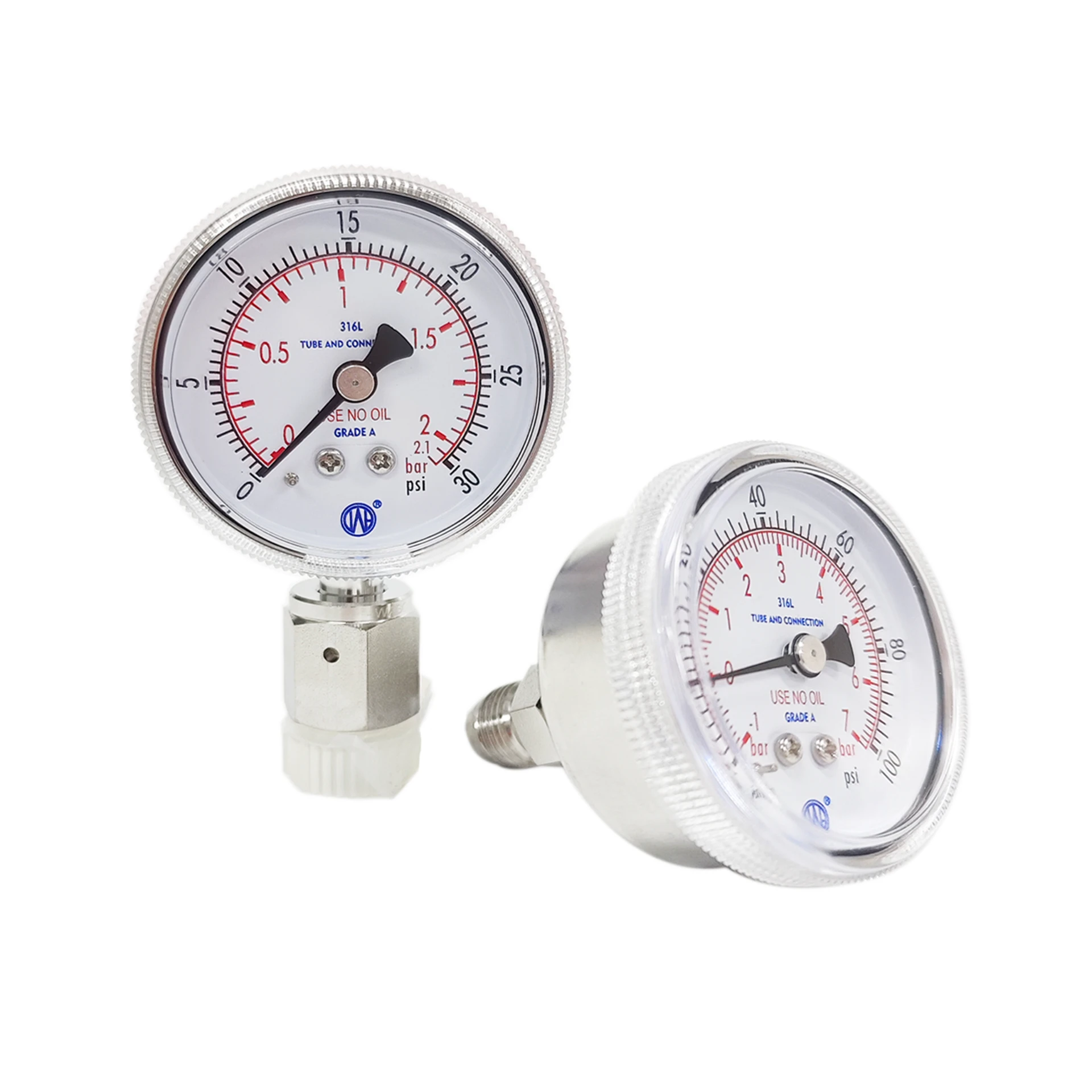
(Ultra)high purity clean pressure gauge-UPG50 / HPG50
-
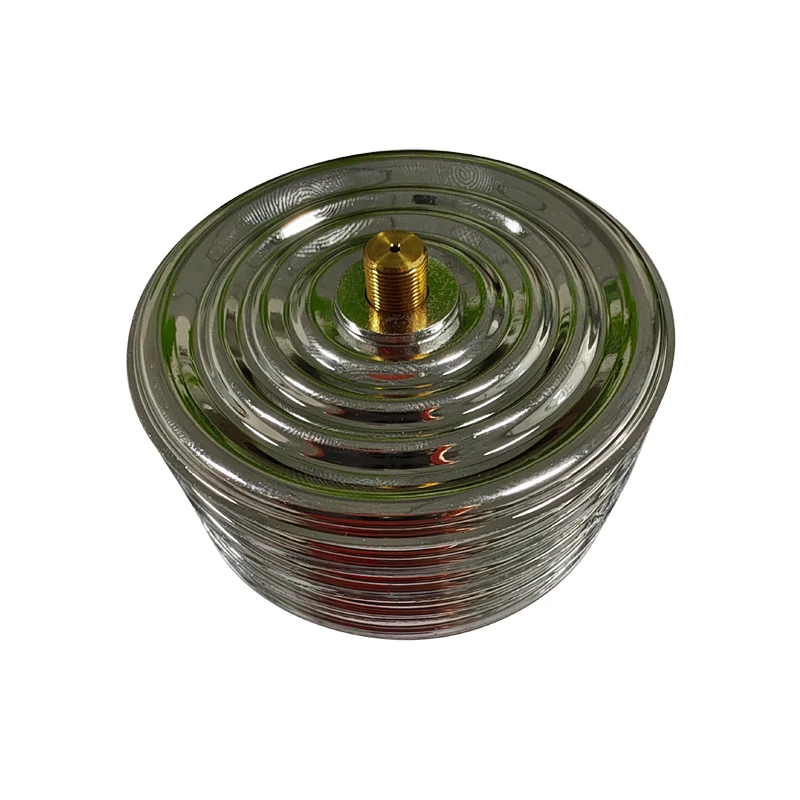
Pressure Diaphragm Capsule-Capsule string-Cube electroplate
-
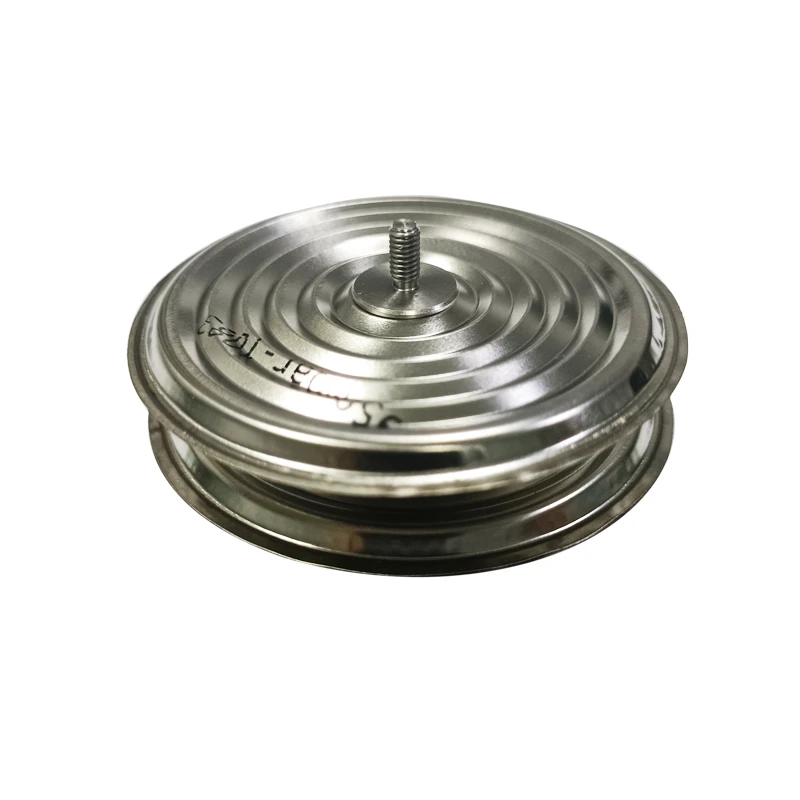
Pressure Diaphragm Capsule-Dual Capsule-316/L SS
-
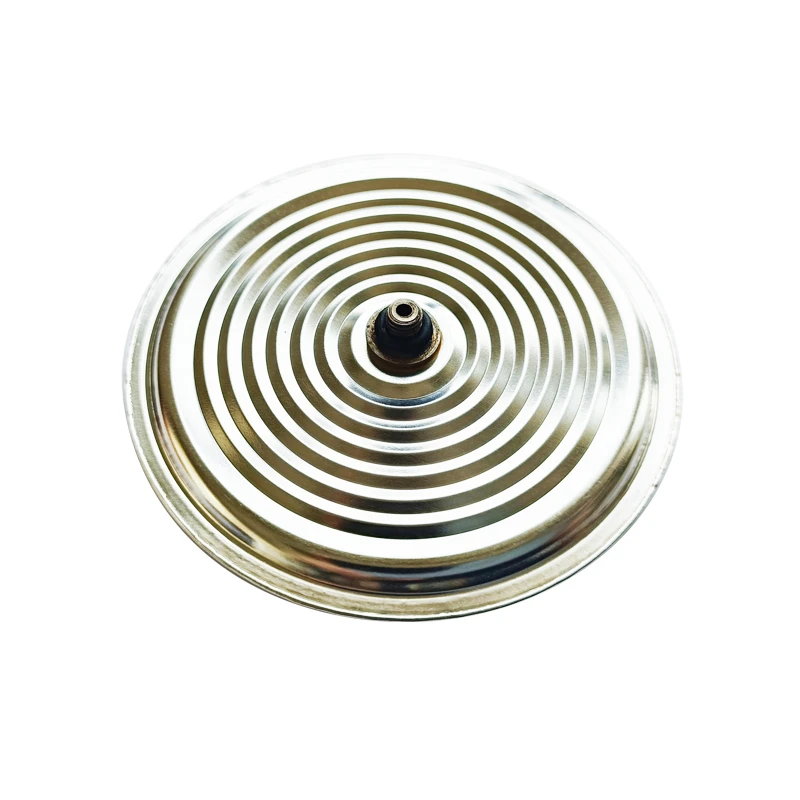
Pressure Diaphragm Capsule(DC)-316 SS-48mm
-
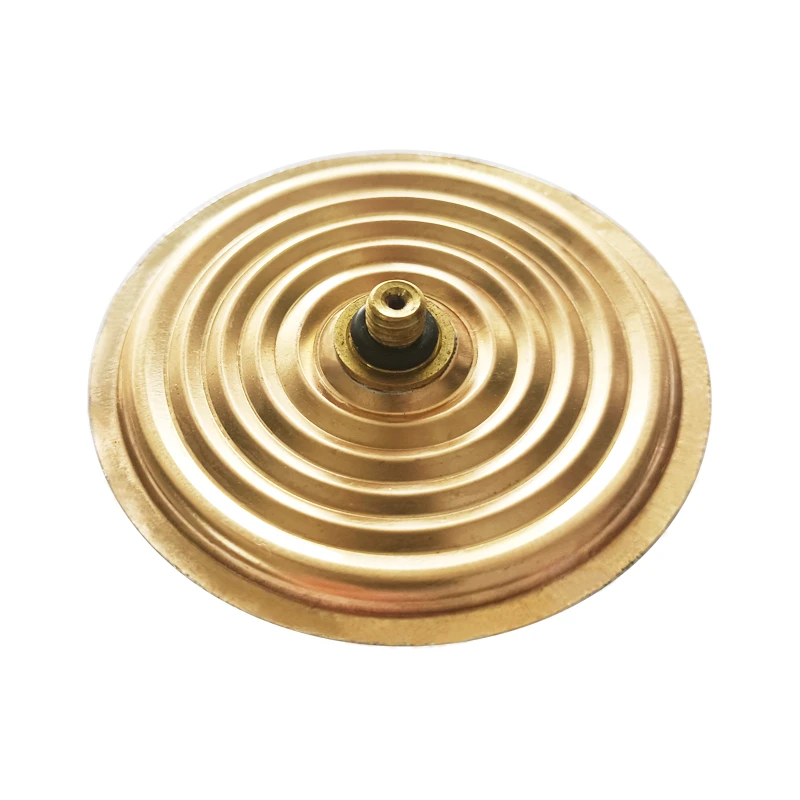
Pressure Diaphragm Capsule(DC)-All copper type-48mm
-
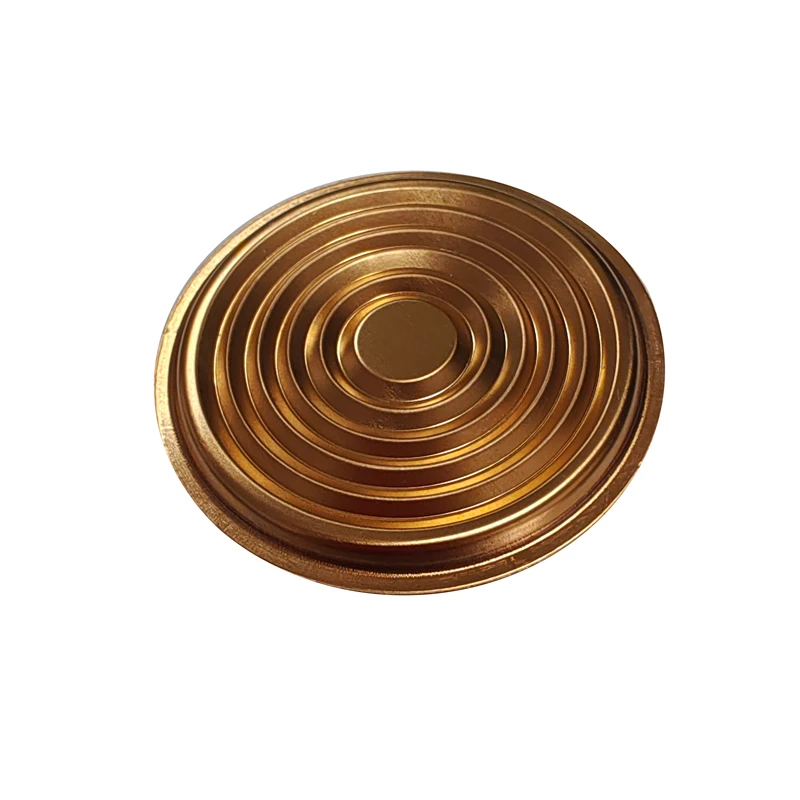
Pressure Single Diaphragm -micropressure-48mm,CuBe2
-
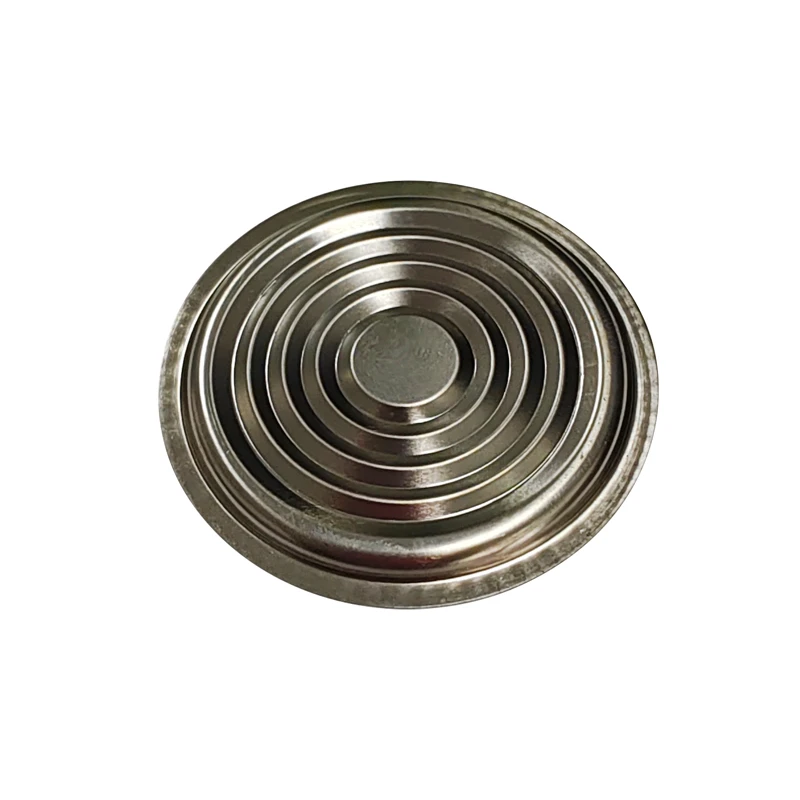
Pressure Single Diaphragm -Corrugated diaphragm-micropressure316/LSS
-
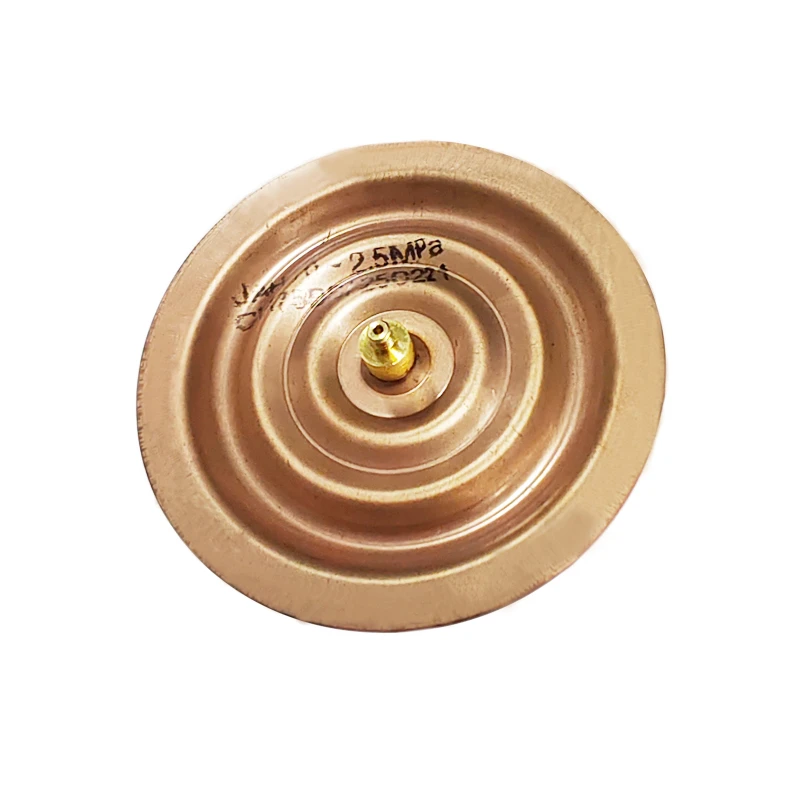
C+H Ø75AS Pressure Diaphragm(PD)-All copper type2.5MPa
 English
  Arabic
  China
China  China (Taiwan)
  Danish
  Dutch
Dutch  French
  German
  Greek
Greek  Hindi
Hindi  Indonesian
  Italian
  Japanese
  Korean
  Latin
Latin  Polish
  Portuguese
  Russian
  Spanish
  Turkish