


diaphragm pressure gauges wika
Diaphragm Pressure Gauges WIKA
The diaphragm pressure gauges WIKA are precision instruments designed to measure pressure in various industrial applications. Engineered with advanced technology, these gauges offer reliability and accuracy, making them essential for professionals across different sectors. Whether in chemical processing, food and beverage, or oil and gas, WIKA diaphragm pressure gauges provide the necessary performance to ensure operational efficiency.
Key Features
- High Accuracy: Provides precise pressure readings for critical applications.
- Durable Construction: Built with robust materials to withstand harsh environments.
- Versatile Design: Suitable for a wide range of media, including viscous and corrosive substances.
- Customizable Options: Available with various scale ranges and materials to meet specific requirements.
- Easy Installation: Designed for straightforward installation and maintenance.
Technical Specifications
| Specification | Details |
|---|---|
| Pressure Range | From vacuum to 600 bar |
| Accuracy Class | ±1% of full scale |
| Dial Size | 63 mm, 100 mm, 160 mm |
| Temperature Range | -40°C to +60°C |
| Material | Stainless steel, brass, or plastic |
| Connection Type | Threaded, flanged, or sanitary connections |
Application Scenarios
The diaphragm pressure gauges WIKA are designed for diverse applications across various industries:
- Chemical Processing: Ideal for monitoring pressure in reactors and pipelines handling aggressive media.
- Food and Beverage: Ensures safe and hygienic pressure measurements in production processes.
- Oil and Gas: Provides reliable pressure readings in exploration and production environments.
- Water Treatment: Used in monitoring pressure in filtration and distribution systems.
- Pharmaceuticals: Essential for maintaining compliance with stringent regulatory standards.
Advantages
Integrating diaphragm pressure gauges WIKA into your operations offers numerous benefits:
- Enhanced Safety: Reduces the risk of equipment failure and leaks, ensuring a safer working environment.
- Cost-Effectiveness: Durable design minimizes maintenance and replacement costs over time.
- Wide Compatibility: Adaptable for use with various fluids and gases, including corrosive and viscous substances.
- Minimal Lag Time: Quick response time ensures timely readings and efficient monitoring.
- Expert Support: Backed by WIKA's extensive industry experience and customer service.
Why Choose Us
When it comes to diaphragm pressure gauges WIKA, our commitment to quality and customer satisfaction sets us apart:
- Proven Expertise: With decades of experience in pressure measurement technology, we are a trusted name in the industry.
- Customized Solutions: We understand that each application is unique, and we offer tailored solutions to meet your specific requirements.
- Global Reach: Our products are used worldwide, ensuring compliance with international standards and regulations.
- Continuous Innovation: We invest in research and development to bring you the latest advancements in pressure gauge technology.
- Comprehensive Support: From selection to installation, our expert team is here to assist you at every step.
FAQ
1. What is a diaphragm pressure gauge?
A diaphragm pressure gauge uses a flexible diaphragm to measure pressure. When pressure is applied, the diaphragm deflects, and this movement is translated into a readable pressure value.
2. What applications are diaphragm pressure gauges suitable for?
Diaphragm pressure gauges are suitable for various applications, including chemical, food and beverage, oil and gas, water treatment, and pharmaceuticals, where accurate pressure measurement is critical.
3. How do I choose the right diaphragm pressure gauge?
Consider factors such as the pressure range, accuracy requirements, materials compatible with the media, and installation type when selecting a diaphragm pressure gauge.
4. Can diaphragm pressure gauges be calibrated?
Yes, diaphragm pressure gauges can be calibrated to ensure accuracy and reliability. Regular calibration is recommended for critical applications.
5. What maintenance is required for diaphragm pressure gauges?
Maintenance typically involves regular inspections for leaks, ensuring connections are secure, and verifying calibration to maintain accurate readings.
Verwant PRODUCTEN
-
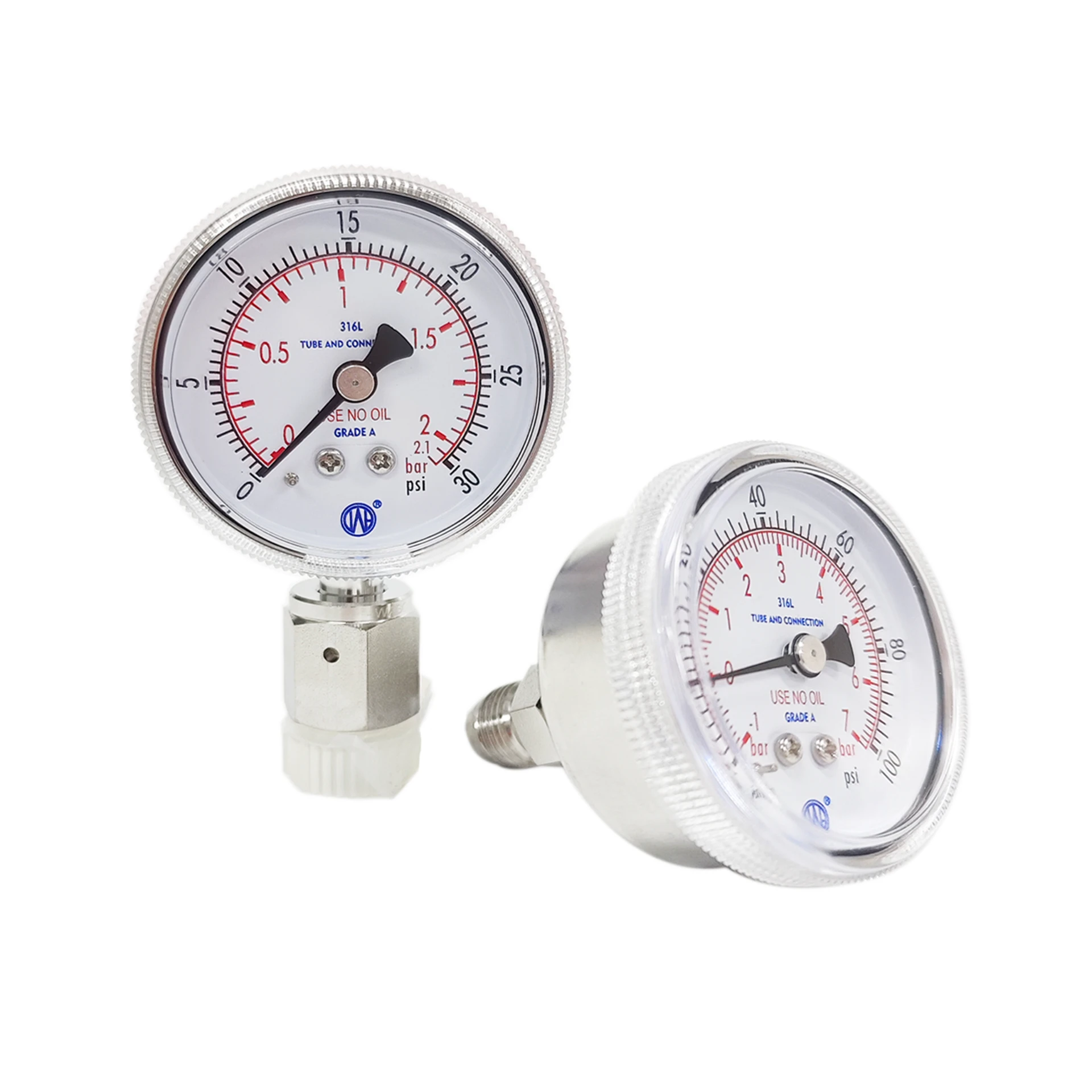
(Ultra)high purity clean pressure gauge-UPG50 / HPG50
-
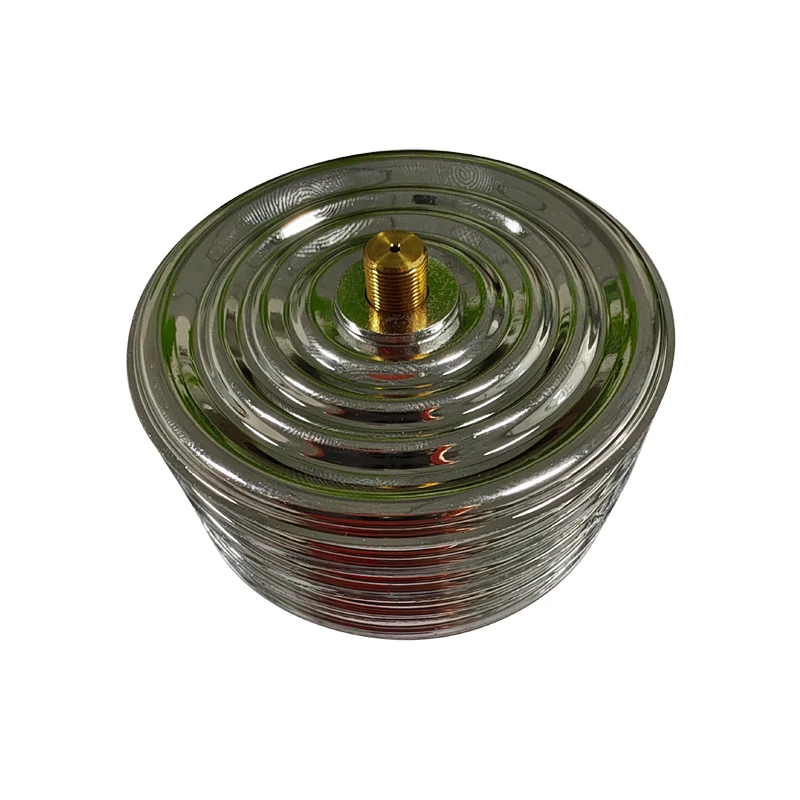
Pressure Diaphragm Capsule-Capsule string-Cube electroplate
-
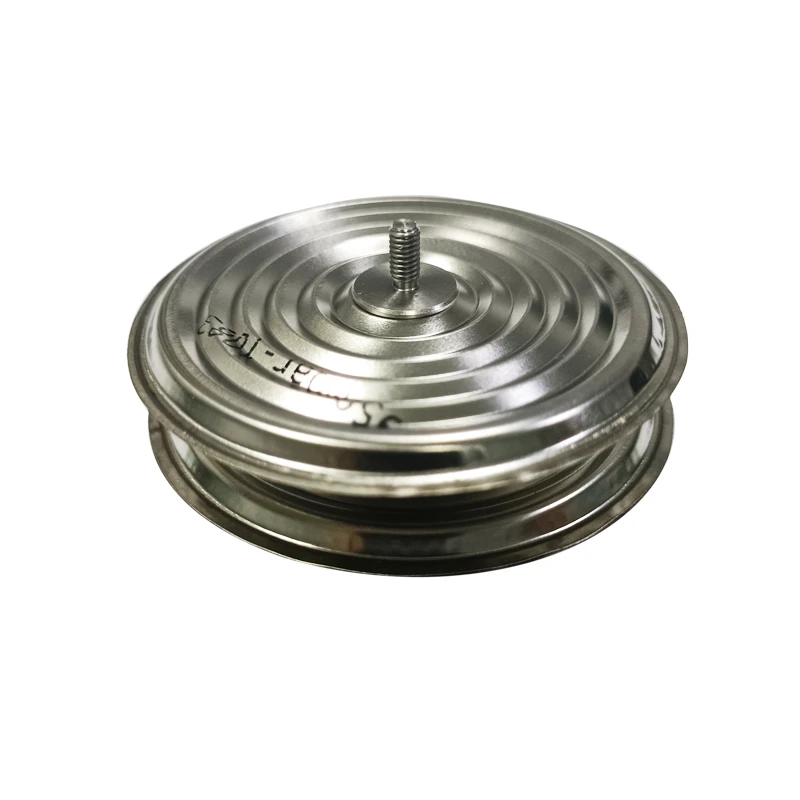
Pressure Diaphragm Capsule-Dual Capsule-316/L SS
-
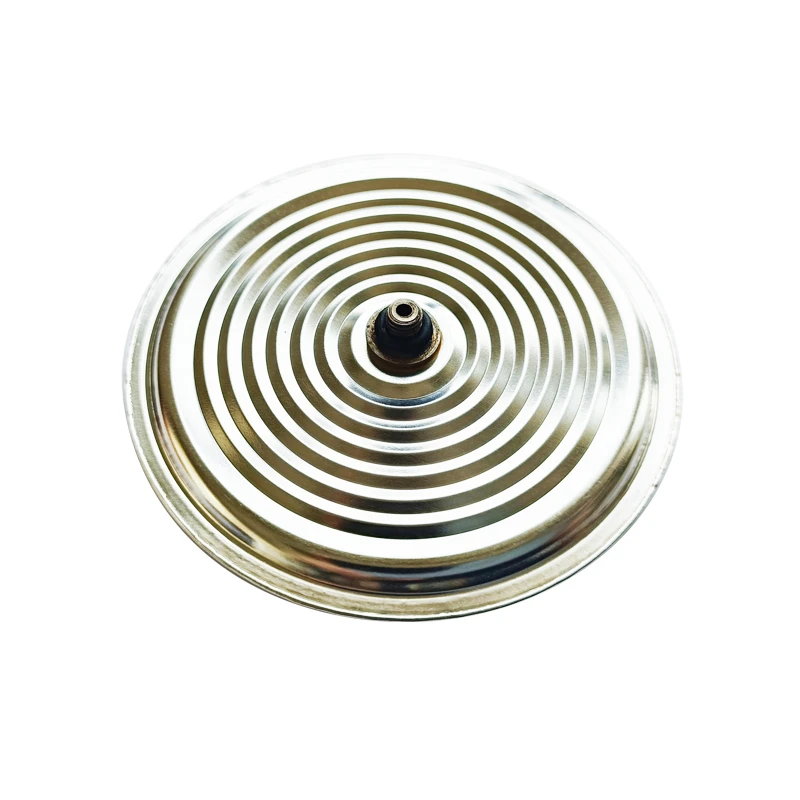
Pressure Diaphragm Capsule(DC)-316 SS-48mm
-
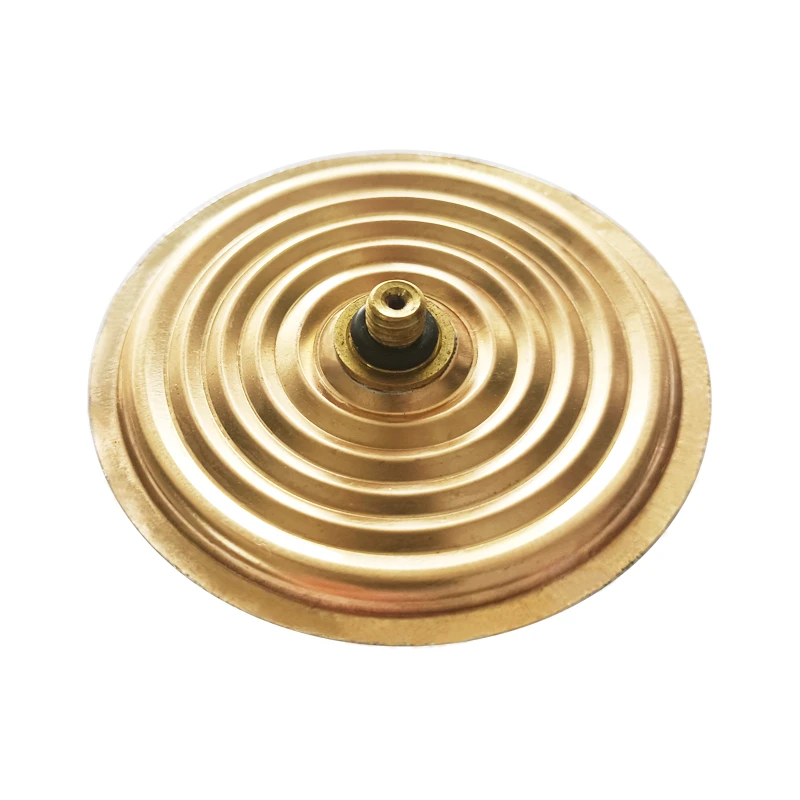
Pressure Diaphragm Capsule(DC)-All copper type-48mm
-
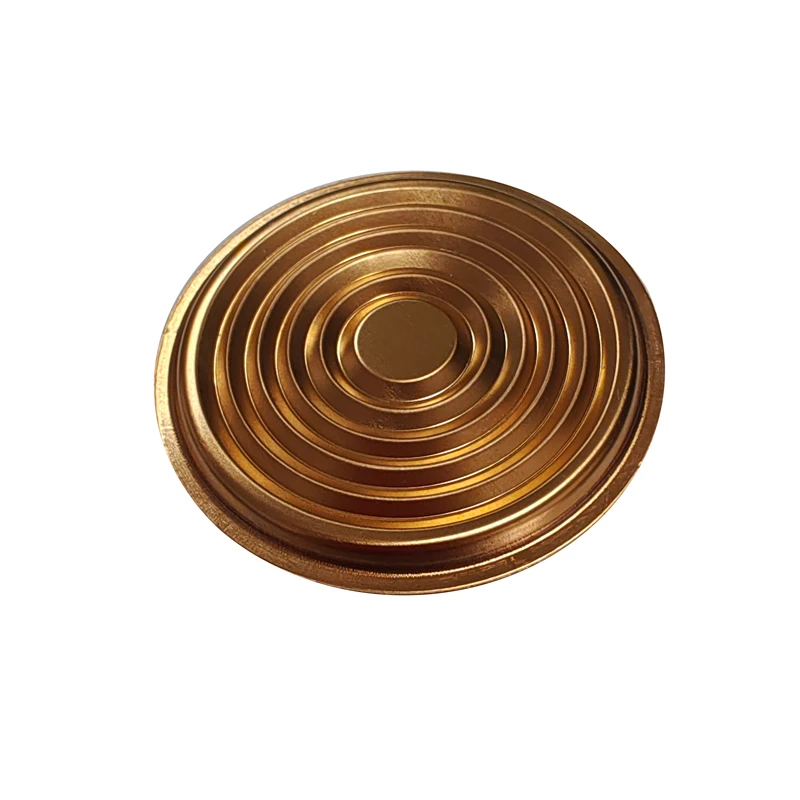
Pressure Single Diaphragm -micropressure-48mm,CuBe2
-
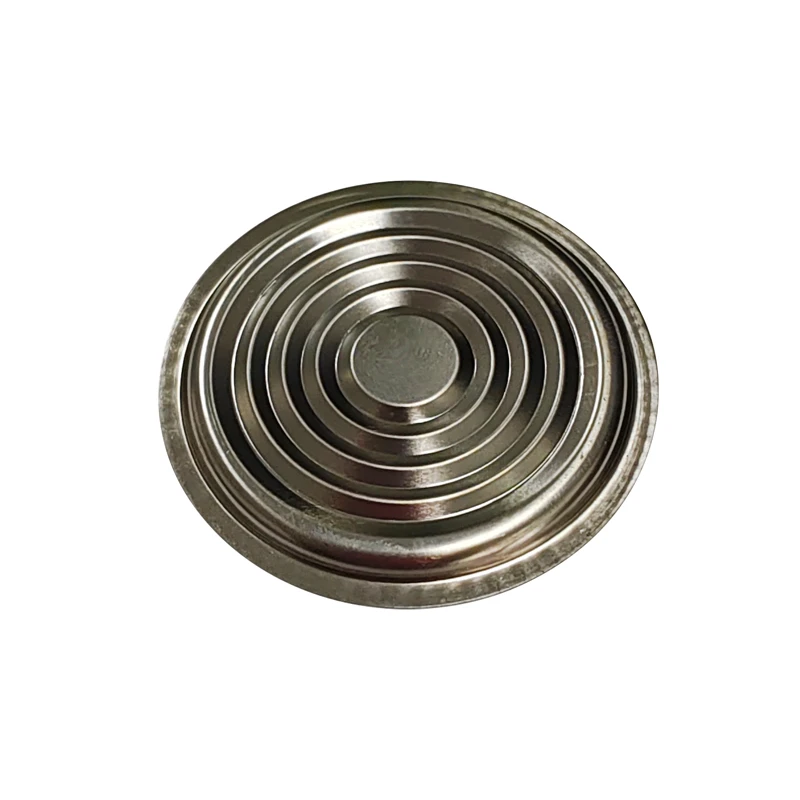
Pressure Single Diaphragm -Corrugated diaphragm-micropressure316/LSS
-
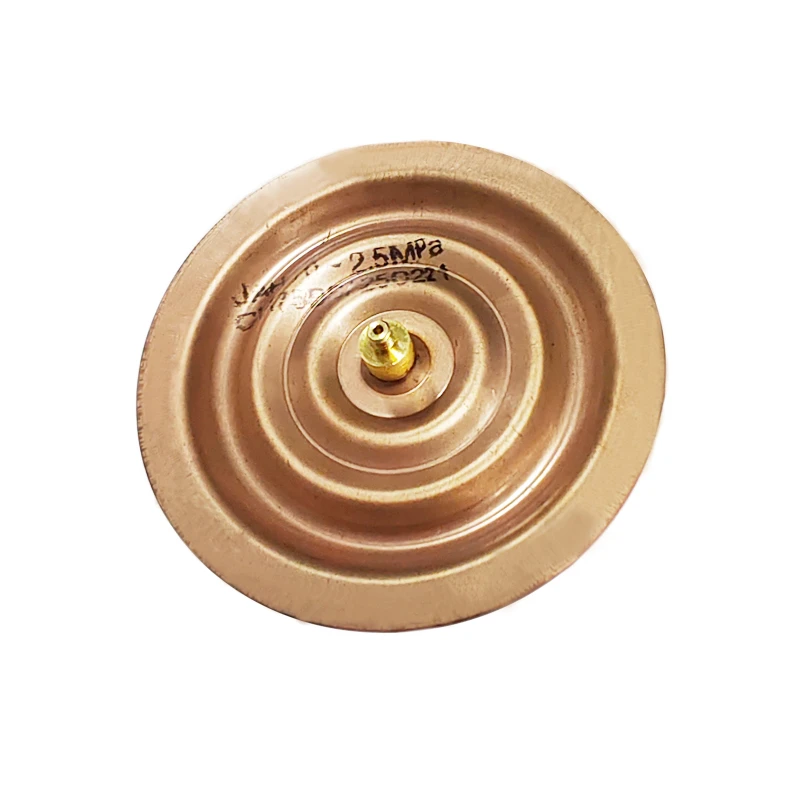
C+H Ø75AS Pressure Diaphragm(PD)-All copper type2.5MPa
 English
  Arabic
  China
China  China (Taiwan)
  Danish
  Dutch
Dutch  French
  German
  Greek
Greek  Hindi
Hindi  Indonesian
  Italian
  Japanese
  Korean
  Latin
Latin  Polish
  Portuguese
  Russian
  Spanish
  Turkish