


differential pressure gauge types
Differential Pressure Gauge Types
The differential pressure gauge is an essential instrument utilized to measure the difference in pressure between two points in a system. Widely used across various industries, these gauges are vital in ensuring optimal performance and safety in processes where pressure differentials are critical. This product page delves into the various differential pressure gauge types, their features, specifications, applications, advantages, and why choosing us is the best decision for your industrial needs.
Key Features
- Accurate Measurement: Provides precise readings for effective process control.
- Durability: Designed to withstand harsh environments and extreme conditions.
- Wide Range of Applications: Suitable for various industries including HVAC, pharmaceuticals, and petrochemicals.
- Variety of Types: Available in digital, analog, and differential types to meet diverse requirements.
- Easy Installation: User-friendly design simplifies the installation process.
- Real-time Monitoring: Enables continuous observation of pressure differences.
Technical Specifications
| Specification | Details |
|---|---|
| Pressure Range | 0-100 psi to 0-5000 psi |
| Accuracy | ±0.5% of full scale |
| Temperature Range | -20°C to +85°C |
| Material | Stainless Steel, Brass, and Plastic |
| Connection Type | 1/4” NPT, 1/2” NPT, and Custom Options |
| Display Type | Analog or Digital |
Application Scenarios
Differential pressure gauge types are applicable in numerous scenarios, providing crucial data for various processes. Some of the key application areas include:
- HVAC Systems: Monitoring pressure drops across filters and coils to maintain optimal airflow.
- Pharmaceutical Manufacturing: Ensuring sterile environments by monitoring pressure differentials in clean rooms.
- Oil and Gas: Measuring pressure changes in pipelines to detect leaks and maintain safety standards.
- Water Treatment: Tracking pressure across filtration systems to ensure effective operation.
- Industrial Processes: Used in various manufacturing processes to monitor pressure fluctuations and maintain quality control.
Advantages
Choosing the right differential pressure gauge types offers numerous advantages that enhance operational efficiency and safety:
- Enhanced Safety: Accurate pressure readings help prevent system failures and accidents.
- Improved Efficiency: Regular monitoring ensures systems operate at optimal levels, reducing energy consumption.
- Cost-Effective: Investing in reliable differential pressure gauges minimizes maintenance costs and downtime.
- Versatile Options: Various types available to suit specific industry needs and conditions.
- Easy Integration: Compatible with most industrial systems, allowing for straightforward implementation.
Why Choose Us
When it comes to selecting the right differential pressure gauge types, we stand out for several reasons:
- Expertise: Our team has extensive knowledge and experience in industrial measurement solutions.
- Quality Assurance: We prioritize quality, ensuring all products meet rigorous industry standards.
- Customized Solutions: We offer tailored solutions to meet your specific requirements and challenges.
- Comprehensive Support: Our dedicated customer support team is available to assist you throughout the purchasing process and beyond.
- Global Reach: We serve clients worldwide, providing reliable products and solutions across borders.
FAQ
1. What are the different types of differential pressure gauges?
There are several types of differential pressure gauges, including analog gauges, digital gauges, and manometer types, each suited for specific applications and environments.
2. How do I choose the right differential pressure gauge?
Consider factors such as the pressure range, accuracy, environmental conditions, and specific application needs when selecting the appropriate differential pressure gauge.
3. Can differential pressure gauges be used in hazardous environments?
Yes, specialized differential pressure gauges are available for use in hazardous environments, designed to withstand extreme conditions and ensure safety.
4. What maintenance is required for differential pressure gauges?
Regular calibration and inspection are recommended to ensure accurate readings and optimal performance. Consult the manufacturer's guidelines for specific maintenance requirements.
5. Are your differential pressure gauges customizable?
Yes, we offer customizable options to meet specific customer requirements, including different connection types, materials, and pressure ranges.
Verwant PRODUCTEN
-
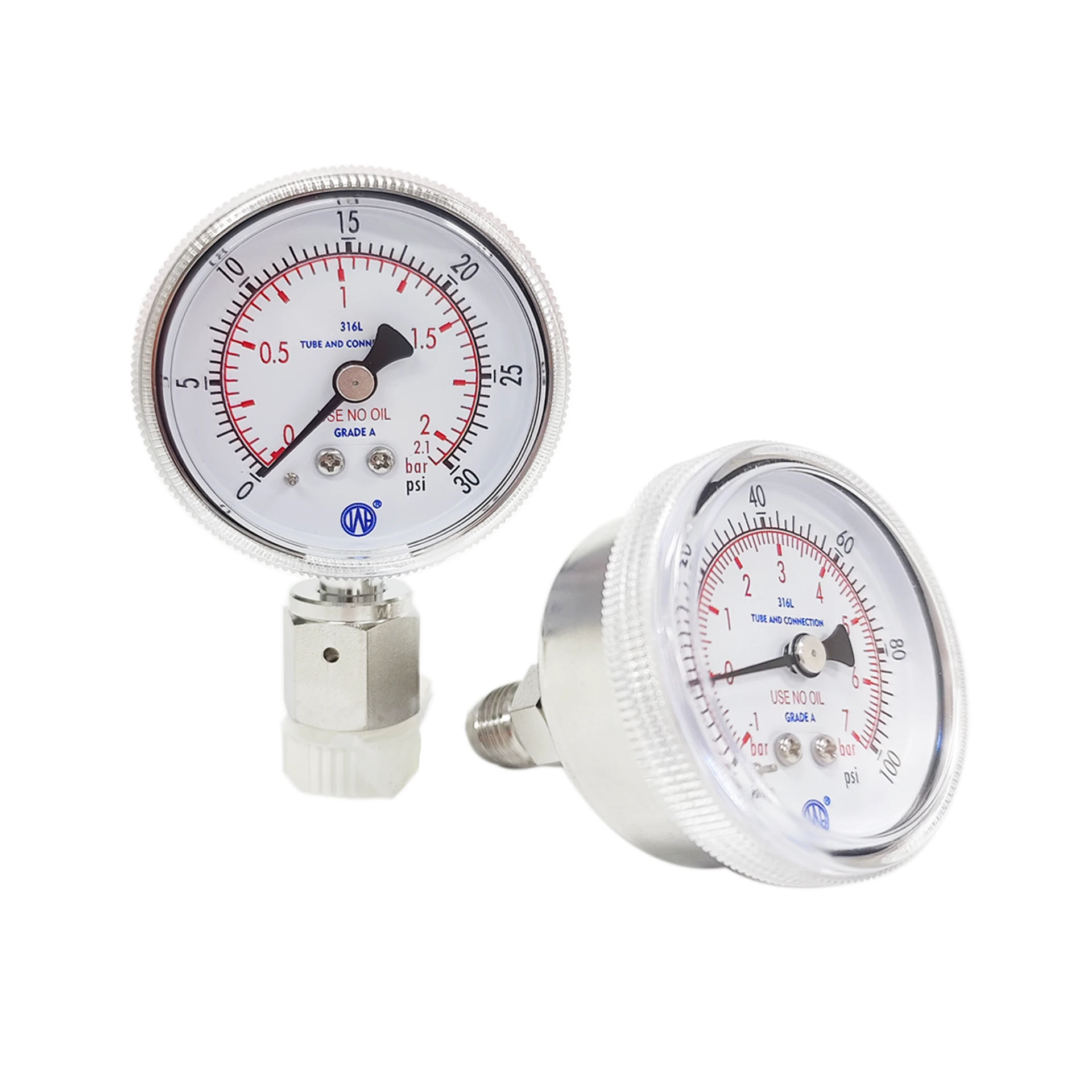
(Ultra)high purity clean pressure gauge-UPG50 / HPG50
-
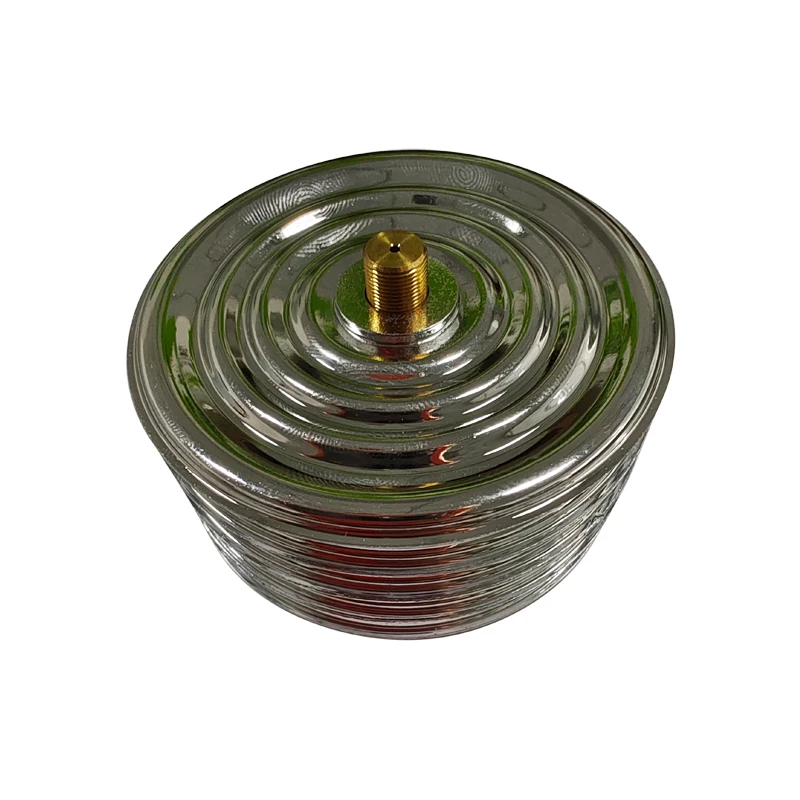
Pressure Diaphragm Capsule-Capsule string-Cube electroplate
-
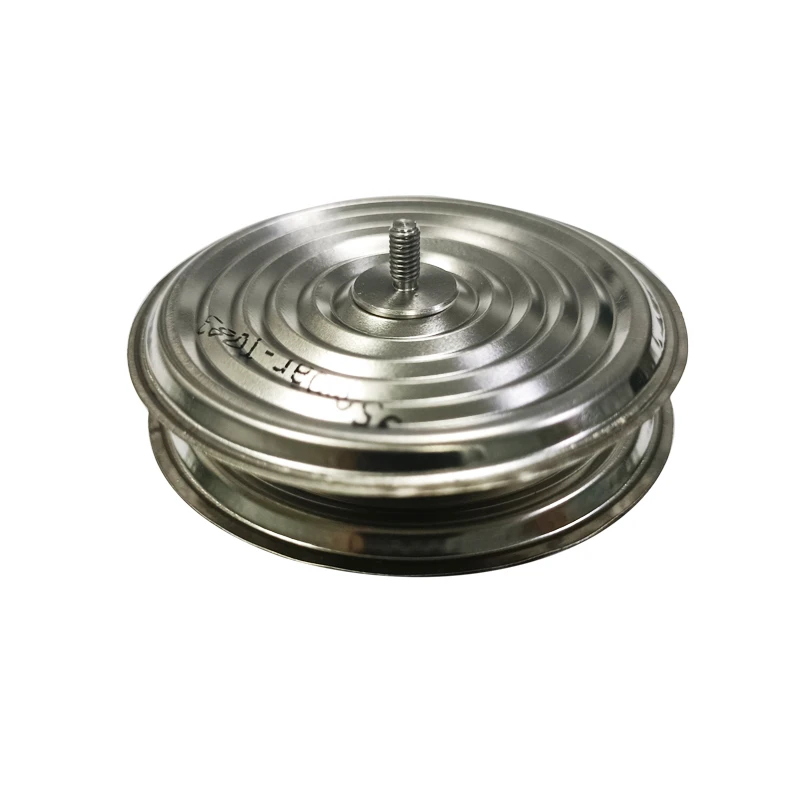
Pressure Diaphragm Capsule-Dual Capsule-316/L SS
-
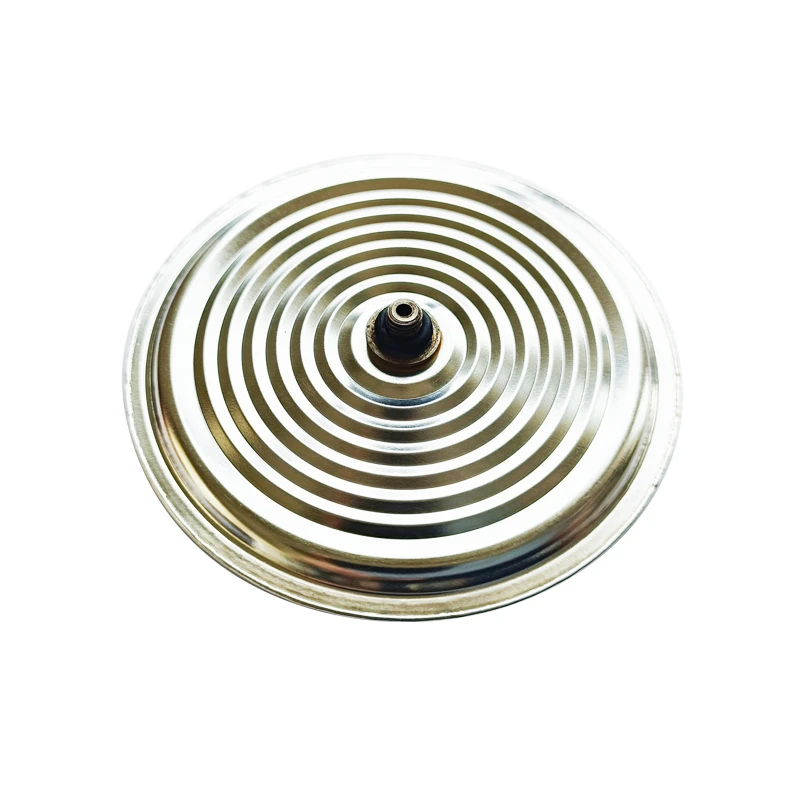
Pressure Diaphragm Capsule(DC)-316 SS-48mm
-
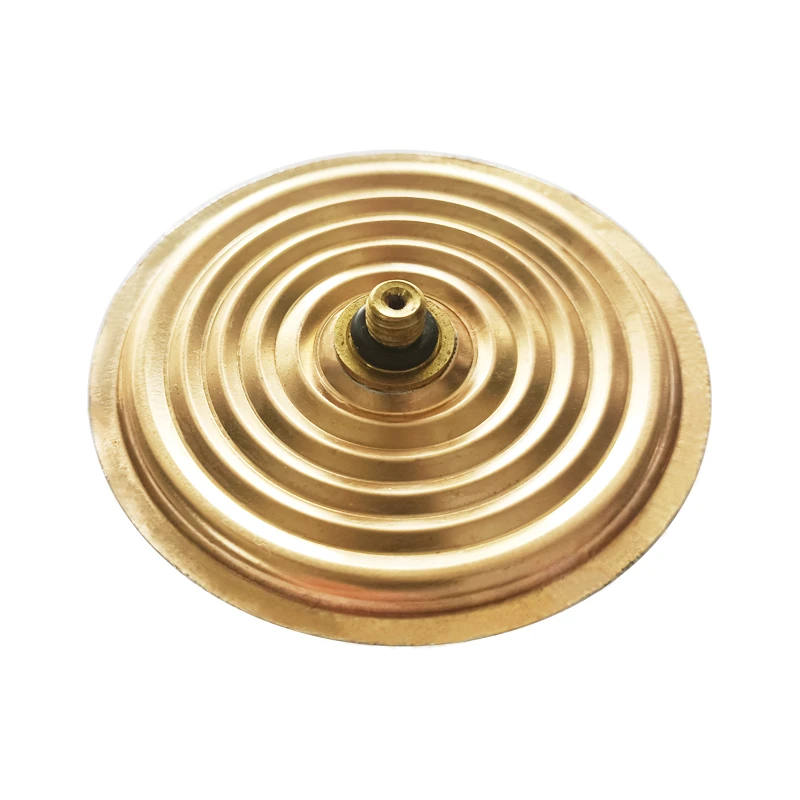
Pressure Diaphragm Capsule(DC)-All copper type-48mm
-
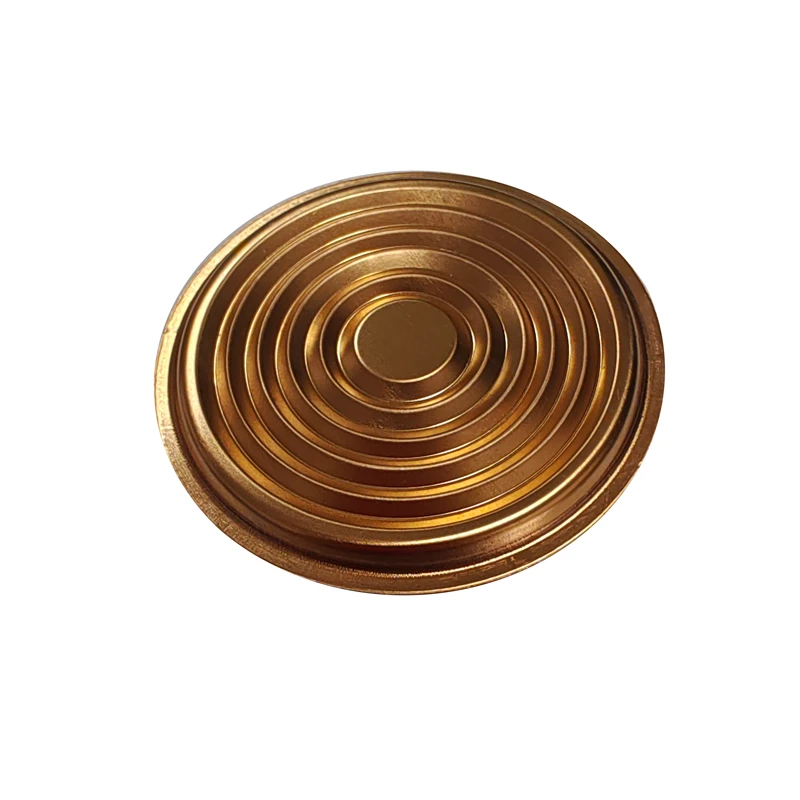
Pressure Single Diaphragm -micropressure-48mm,CuBe2
-
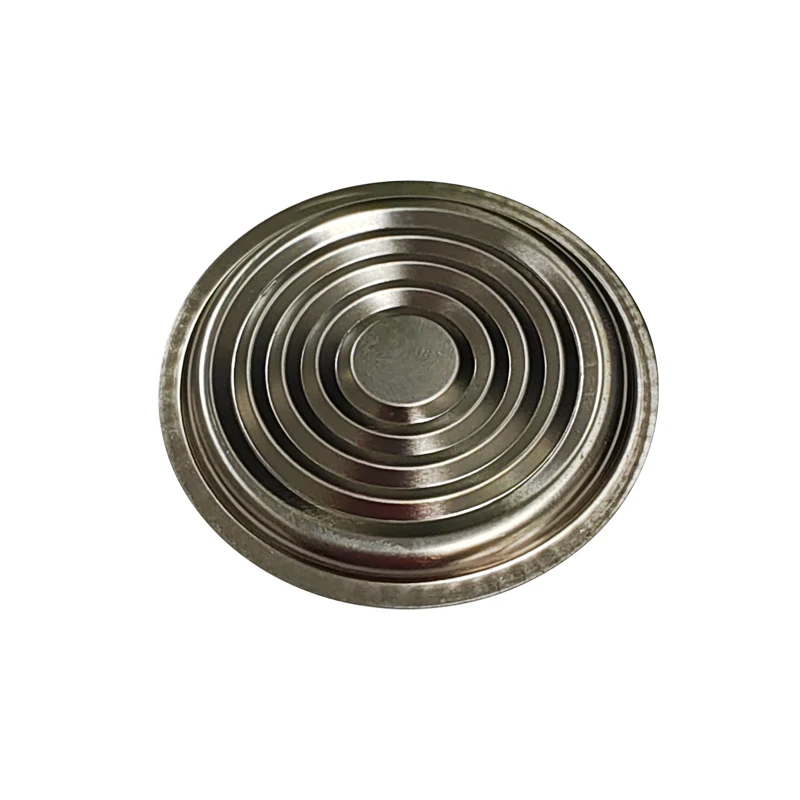
Pressure Single Diaphragm -Corrugated diaphragm-micropressure316/LSS
-
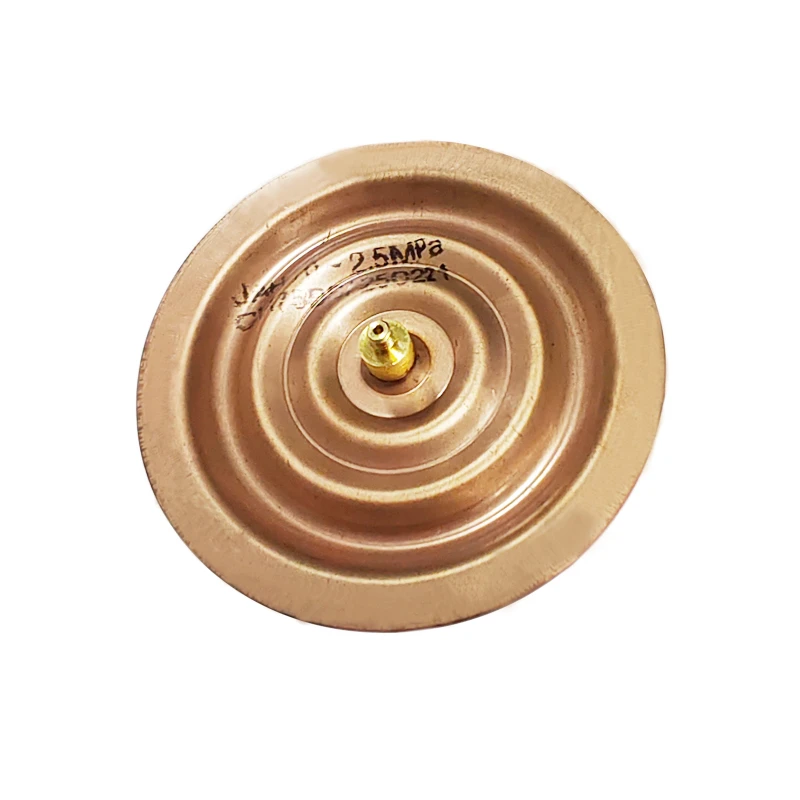
C+H Ø75AS Pressure Diaphragm(PD)-All copper type2.5MPa