


differential pressure gauge wika
Differential Pressure Gauge WIKA
The differential pressure gauge WIKA is a highly reliable instrument designed for measuring the pressure difference between two points in a system. This precision instrument helps ensure optimal performance and safety in various industrial applications, making it a crucial component for processes requiring accurate pressure monitoring. With a focus on durability and accuracy, the WIKA differential pressure gauge is engineered to meet the highest standards in industrial settings.
Key Features
- High Precision: Designed to provide accurate readings even in challenging conditions.
- Robust Construction: Built with high-quality materials to withstand harsh environments.
- Wide Measurement Range: Available in various ranges to suit different applications.
- Easy Installation: User-friendly design ensures quick and straightforward installation.
- Versatile Applications: Suitable for various industries including HVAC, chemical, and oil & gas.
Technical Specifications
| Specification | Details |
|---|---|
| Measuring Range | 0-1 bar to 0-40 bar |
| Accuracy | ±1% of full scale |
| Temperature Range | -40°C to +70°C |
| Protection Class | IP65 |
| Connection Size | 1/4" to 1/2" NPT |
| Material | Stainless Steel |
Application Scenarios
The differential pressure gauge WIKA is ideal for a variety of application scenarios, including:
- HVAC Systems: Monitoring air flow and pressure in ventilation systems to optimize performance.
- Process Engineering: Ensuring consistent pressure levels in pipelines and tanks.
- Chemical Processing: Measuring the pressure difference in reactors and separators.
- Oil & Gas: Monitoring pressure in drilling and extraction processes.
- Water Treatment: Ensuring efficient filtration processes by monitoring pressure across filters.
Advantages
Choosing the differential pressure gauge WIKA offers several advantages:
- Superior Quality: Manufactured according to strict international standards, ensuring reliability and performance.
- Long Lifespan: Built to withstand extreme conditions, reducing the need for frequent replacements.
- Cost-Effective: Enhances system efficiency and reduces downtime, translating to significant cost savings.
- Customization Options: Available in various configurations to meet specific requirements of different industries.
Why Choose Us
We are a leading provider of the differential pressure gauge WIKA, committed to delivering exceptional products and services. Our extensive industry experience ensures that we understand your needs and can provide tailored solutions. Here’s why you should choose us:
- Expertise: Our team comprises industry experts who can guide you in selecting the right gauge for your application.
- Customer Support: We pride ourselves on our dedicated customer service, providing assistance before, during, and after your purchase.
- Competitive Pricing: We offer high-quality products at competitive prices, ensuring you receive the best value.
- Global Reach: Serving clients worldwide, we understand the complexities of international trade and logistics.
FAQ
1. What is a differential pressure gauge?
A differential pressure gauge measures the difference in pressure between two points within a system, helping to monitor system performance and detect issues.
2. How does the WIKA differential pressure gauge work?
The gauge uses a sensing element to detect the pressure difference and converts that measurement into a readable format, typically displayed on a dial or digital screen.
3. What industries use differential pressure gauges?
Differential pressure gauges are commonly used in HVAC, chemical processing, oil and gas, water treatment, and many other industrial applications.
4. What maintenance does a differential pressure gauge require?
Regular inspection is recommended to ensure accuracy and functionality. Depending on the environment, cleaning and recalibration may be necessary.
5. Can the gauge be customized for specific applications?
Yes, the differential pressure gauge WIKA can be customized in terms of size, measurement range, and connection types to meet specific application requirements.
Verwant PRODUCTEN
-
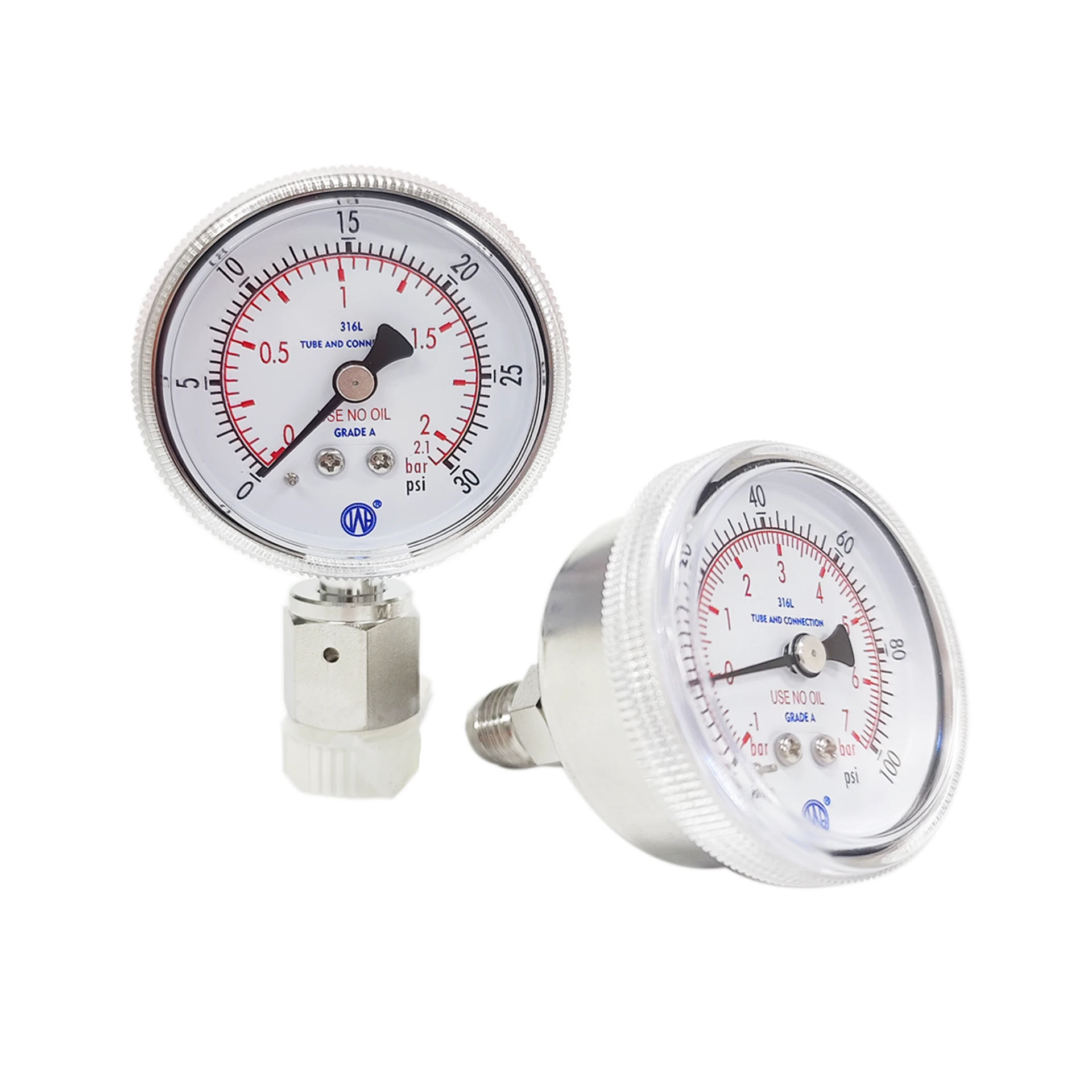
(Ultra)high purity clean pressure gauge-UPG50 / HPG50
-
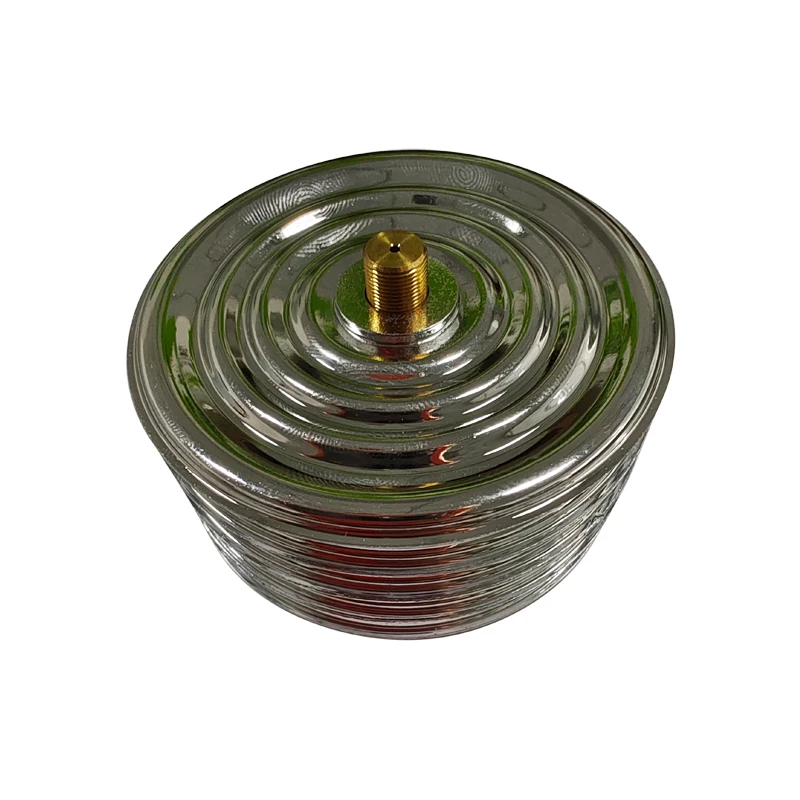
Pressure Diaphragm Capsule-Capsule string-Cube electroplate
-
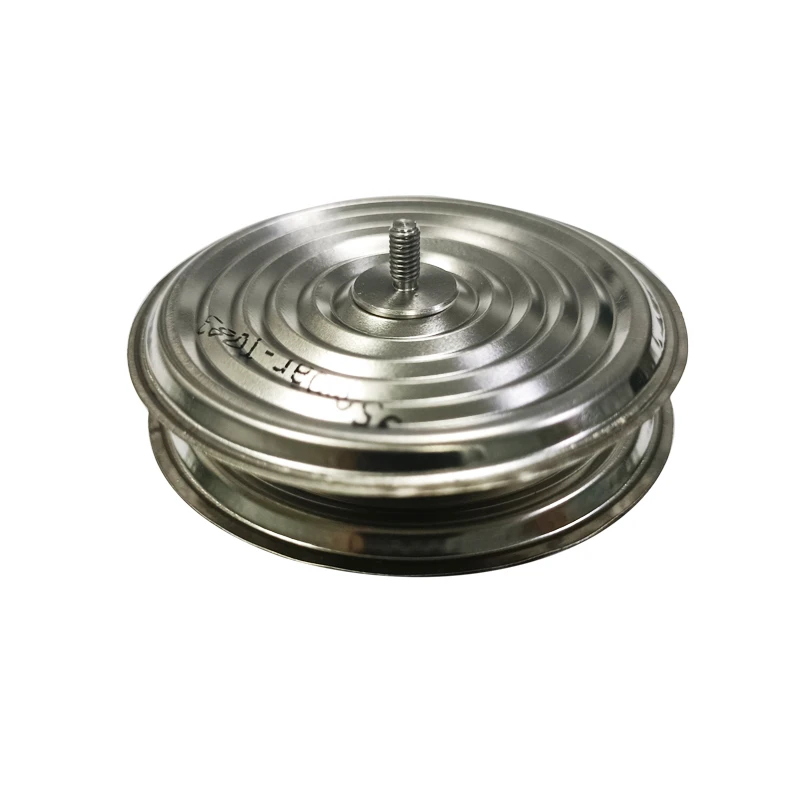
Pressure Diaphragm Capsule-Dual Capsule-316/L SS
-
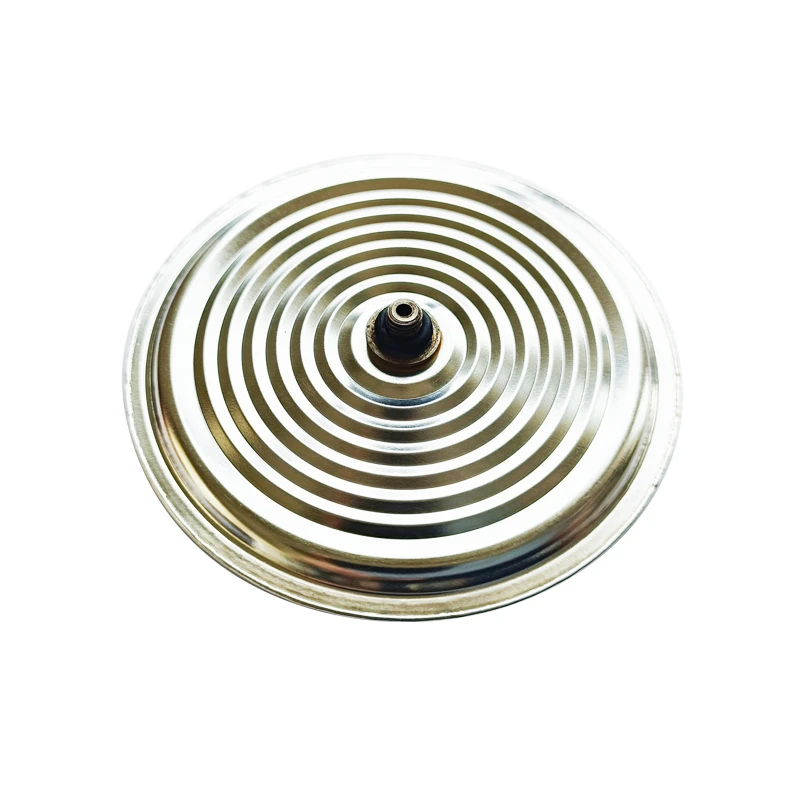
Pressure Diaphragm Capsule(DC)-316 SS-48mm
-
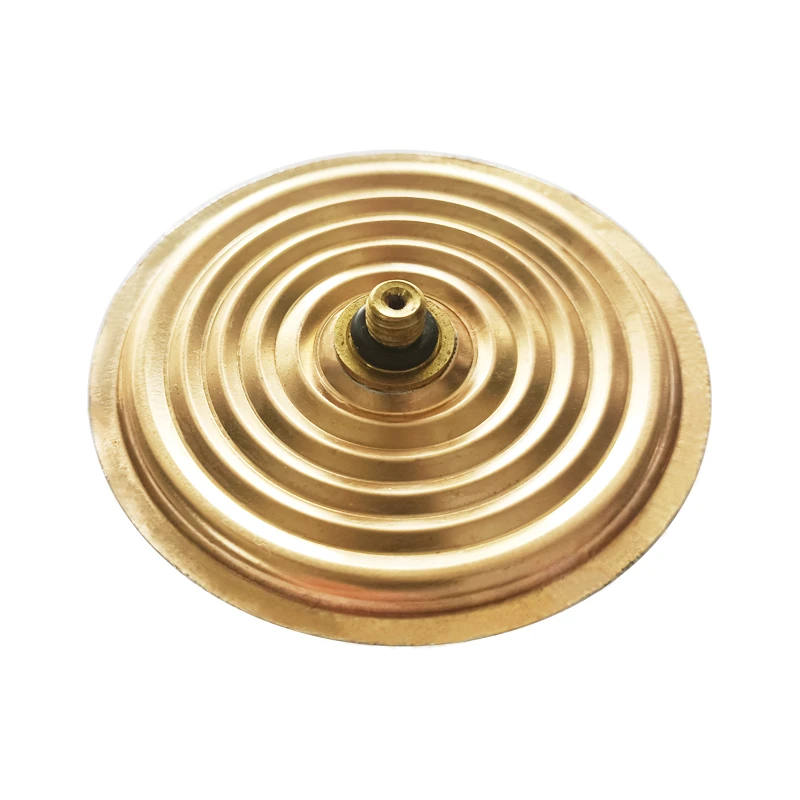
Pressure Diaphragm Capsule(DC)-All copper type-48mm
-
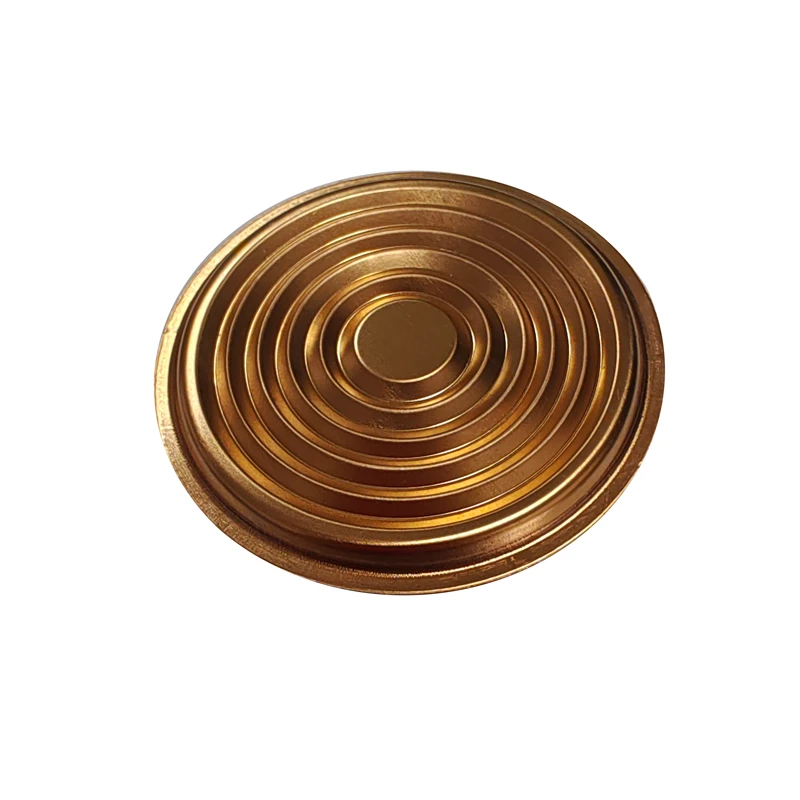
Pressure Single Diaphragm -micropressure-48mm,CuBe2
-
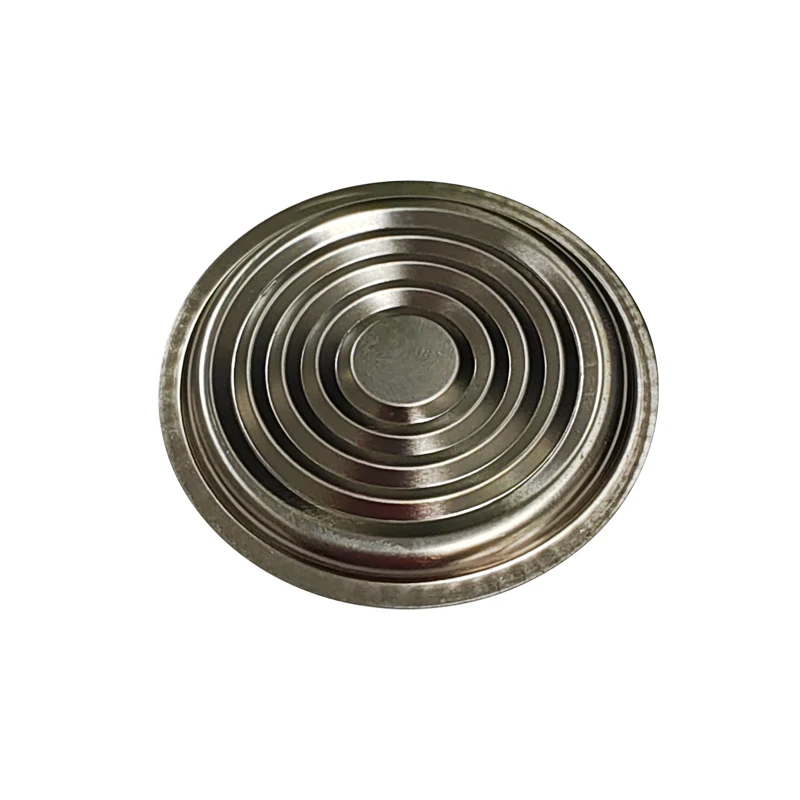
Pressure Single Diaphragm -Corrugated diaphragm-micropressure316/LSS
-
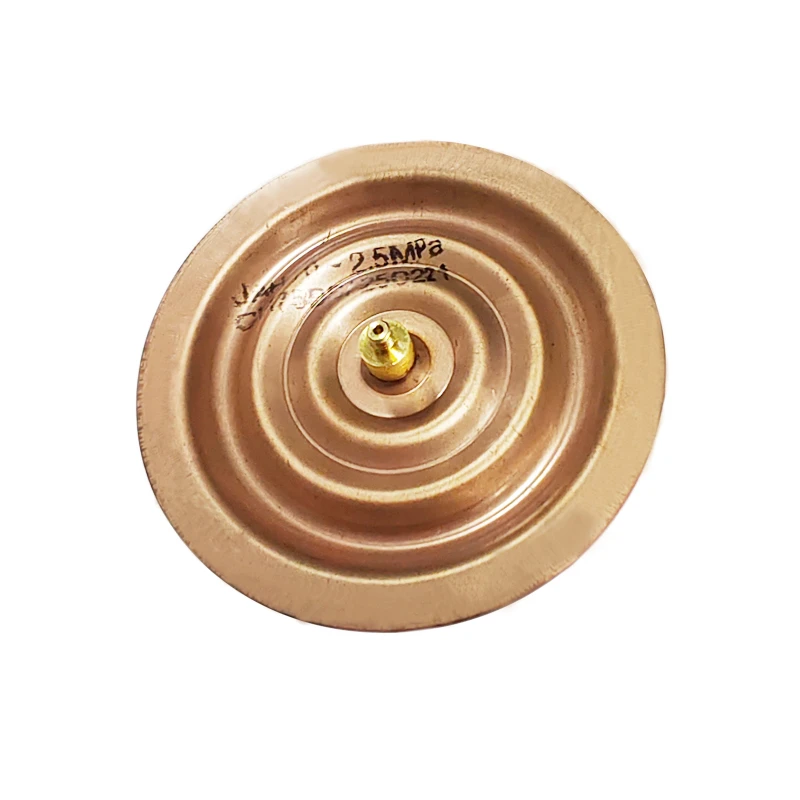
C+H Ø75AS Pressure Diaphragm(PD)-All copper type2.5MPa