


differential pressure gauge with diaphragm seal
Differential Pressure Gauge with Diaphragm Seal
The differential pressure gauge with diaphragm seal is an essential instrument designed for precision measurement of pressure differences in various industrial processes. This advanced device not only ensures accuracy but also enhances the reliability of readings in harsh environments. Featuring a diaphragm seal, this gauge is uniquely suited for applications involving corrosive, viscous, or high-temperature media, making it a staple in industries such as oil and gas, chemical processing, and water treatment.
Key Features
- Enhanced Protection: The diaphragm seal protects the measuring element from extreme conditions, ensuring longevity and reliability.
- Accurate Measurements: Provides precise differential pressure readings, crucial for process control and monitoring.
- Versatile Applications: Suitable for a wide range of fluids and gases, including corrosive and viscous substances.
- Robust Construction: Built to withstand high pressure and temperature, ensuring durability in demanding environments.
- Easy Installation: Designed for simple installation and maintenance, reducing downtime and operational costs.
Technical Specifications
| Specification | Details |
|---|---|
| Pressure Range | 0-10 bar to 0-400 bar |
| Accuracy | ±0.5% of Full Scale |
| Material | Stainless Steel, PTFE, or Hastelloy |
| Temperature Range | -40°C to +200°C |
| Connection Size | ½” to 2” NPT or BSP |
| Seal Type | Diaphragm Seal |
Application Scenarios
The differential pressure gauge with diaphragm seal is widely used across various sectors due to its versatility and reliability. Typical applications include:
- Oil and Gas: Monitoring pressure differences in pipelines and storage tanks to ensure safe operations.
- Chemical Processing: Measuring pressure drops across filters, reactors, and heat exchangers to maintain process efficiency.
- Water Treatment: Ensuring optimal filtration and treatment processes by monitoring pressure changes.
- Pharmaceuticals: Critical for maintaining sterile environments and accurate dosing in production lines.
- HVAC Systems: Used for measuring airflow and pressure loss in ventilation systems.
Advantages
Utilizing a differential pressure gauge with diaphragm seal offers numerous advantages that enhance operational efficiency and safety:
- Protection Against Contamination: The diaphragm seal prevents the ingress of contaminants, ensuring accurate readings even in challenging conditions.
- Extended Service Life: Durable materials and robust design lead to reduced maintenance and longer service intervals.
- Improved Process Control: Accurate differential pressure readings facilitate better control over processes, leading to increased productivity.
- Versatility: Adaptable to various fluids and applications, making it a one-stop solution for many industries.
- Cost-Effective: Lower maintenance costs and improved efficiency translate to significant savings over time.
Why Choose Us
When selecting a differential pressure gauge with diaphragm seal, partnering with a trusted supplier is crucial. Here are compelling reasons to choose us:
- Industry Expertise: With years of experience in the field, we understand the unique needs of various industries and provide tailored solutions.
- Quality Assurance: Our products undergo rigorous testing to ensure they meet the highest standards of quality and performance.
- Customer Support: We offer comprehensive customer support, ensuring you have assistance whenever you need it.
- Competitive Pricing: Our pricing strategy ensures you receive top-quality products at an affordable rate.
- Global Reach: We cater to clients worldwide, providing fast and reliable shipping options.
FAQ
What is a differential pressure gauge with diaphragm seal?
A differential pressure gauge with diaphragm seal is a device used to measure the pressure difference between two points in a system, with a protective diaphragm that prevents contamination and damage to the measuring element.
Where can I use a differential pressure gauge with diaphragm seal?
This type of gauge is suitable for various applications, including oil and gas, chemical processing, water treatment, and HVAC systems, especially in environments with corrosive or viscous materials.
What materials are available for the diaphragm seal?
Diaphragm seals can be made from materials like stainless steel, PTFE, or Hastelloy, depending on the application and the nature of the media being measured.
How do I install a differential pressure gauge with diaphragm seal?
Installation is straightforward. Follow the manufacturer's guidelines for mounting, ensuring the connections are secure and leak-free. If necessary, consult with a professional for assistance.
What maintenance is required?
Regular inspection for leaks and calibration checks are recommended to ensure accurate readings. Additionally, cleaning the diaphragm seal may be necessary if it is exposed to fouling substances.
Verwant PRODUCTEN
-
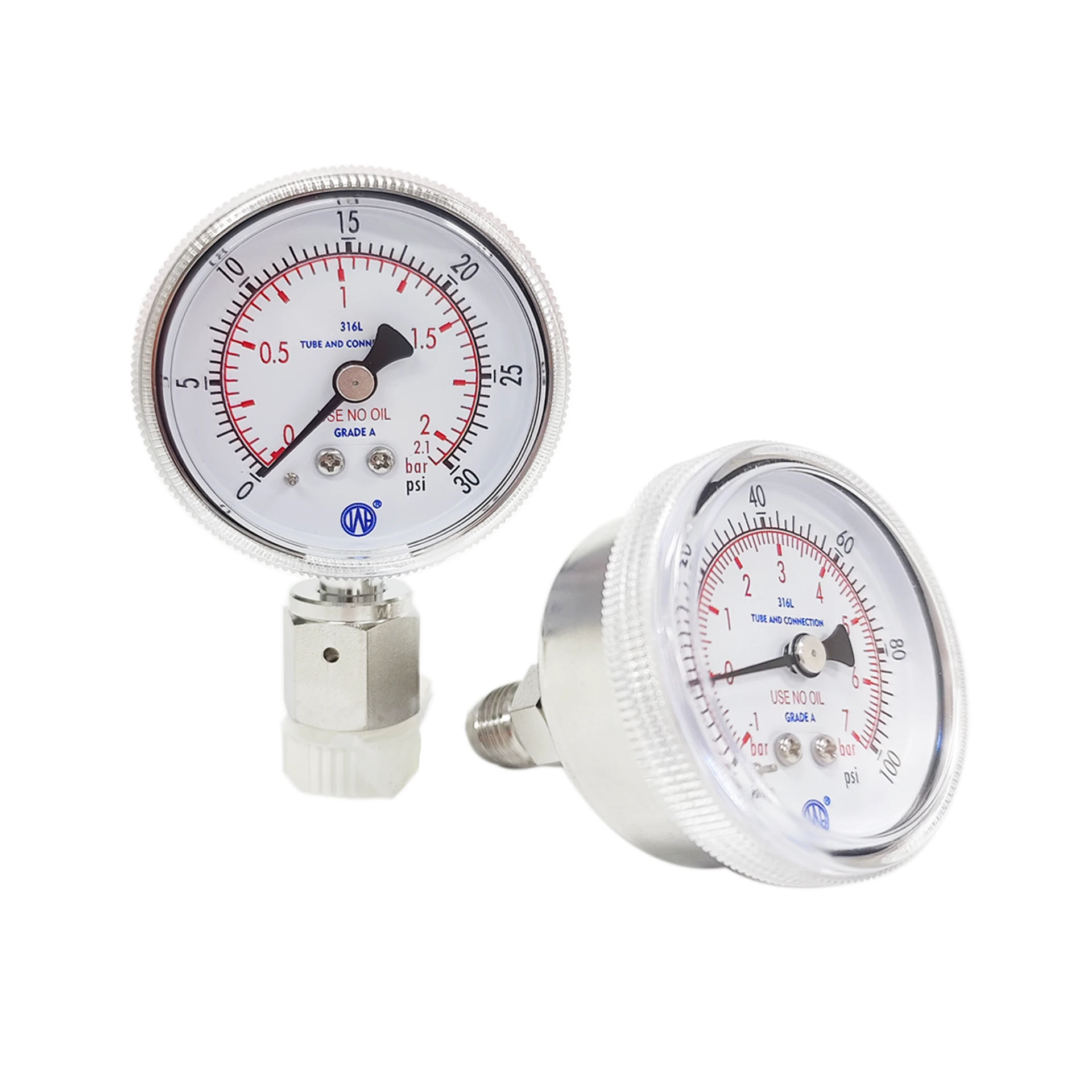
(Ultra)high purity clean pressure gauge-UPG50 / HPG50
-
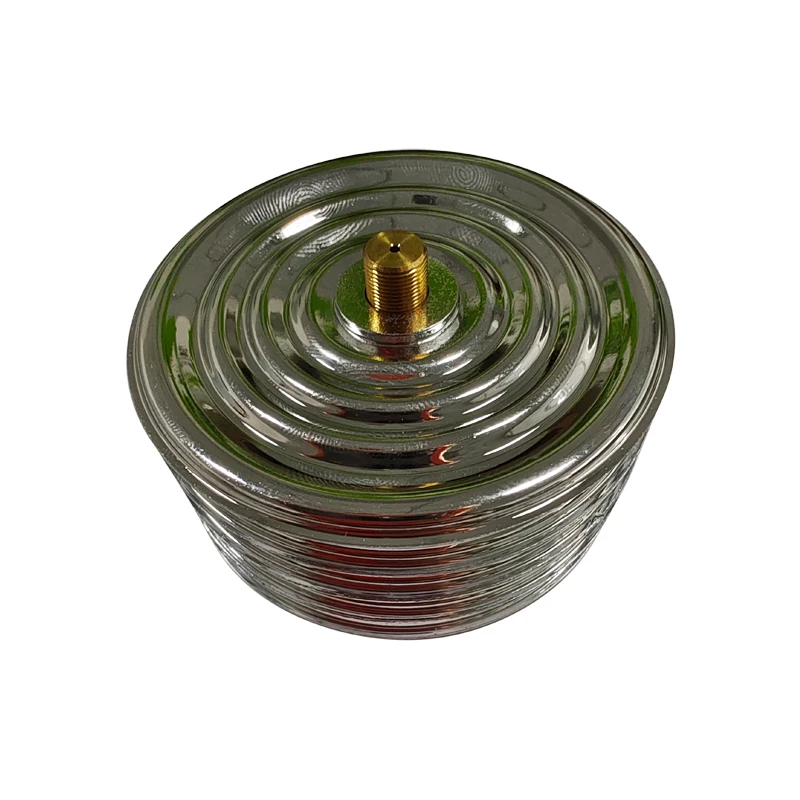
Pressure Diaphragm Capsule-Capsule string-Cube electroplate
-
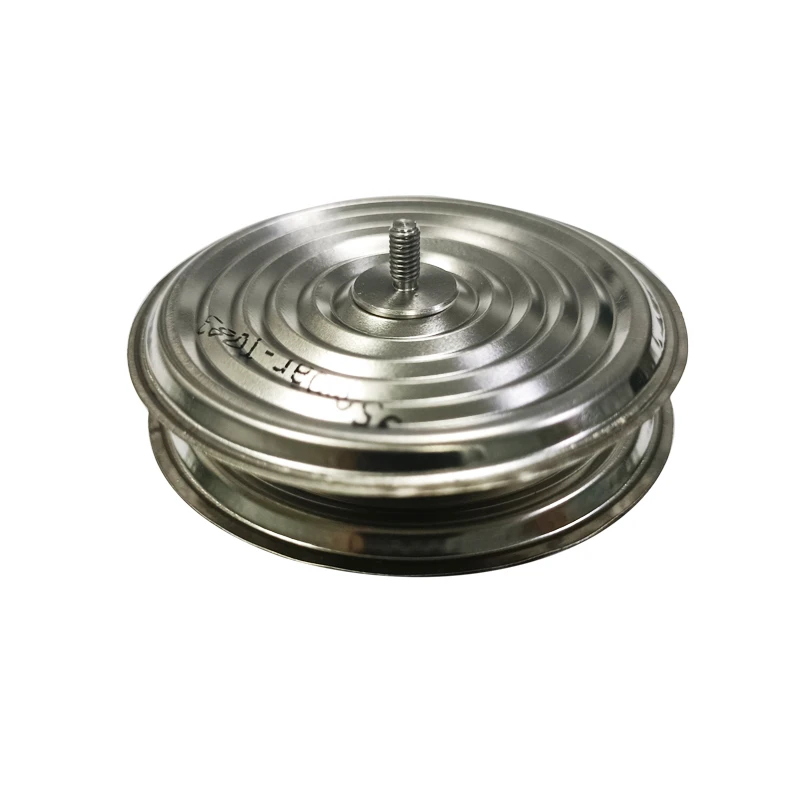
Pressure Diaphragm Capsule-Dual Capsule-316/L SS
-
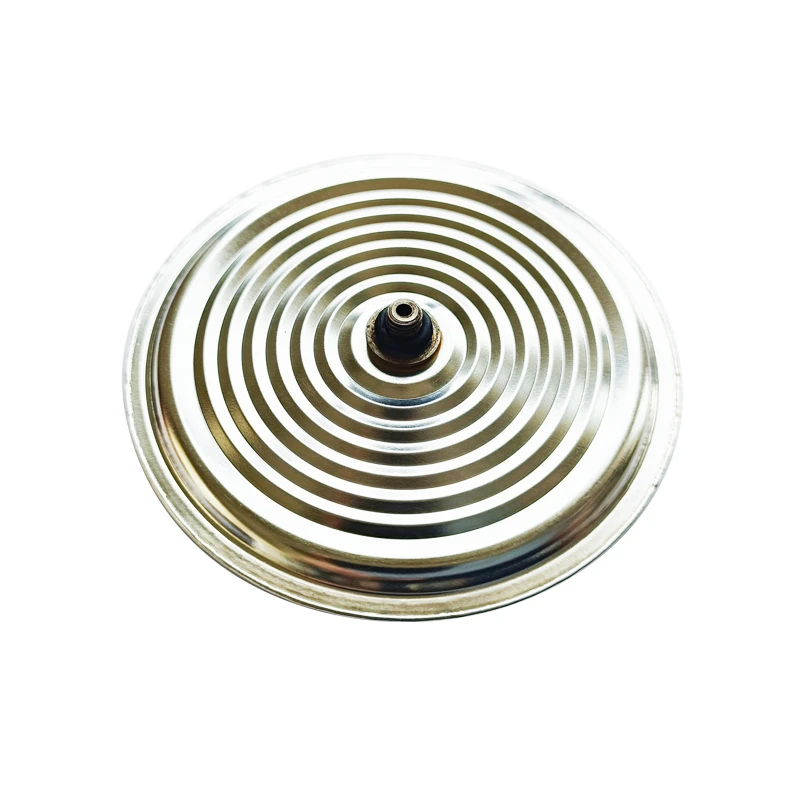
Pressure Diaphragm Capsule(DC)-316 SS-48mm
-
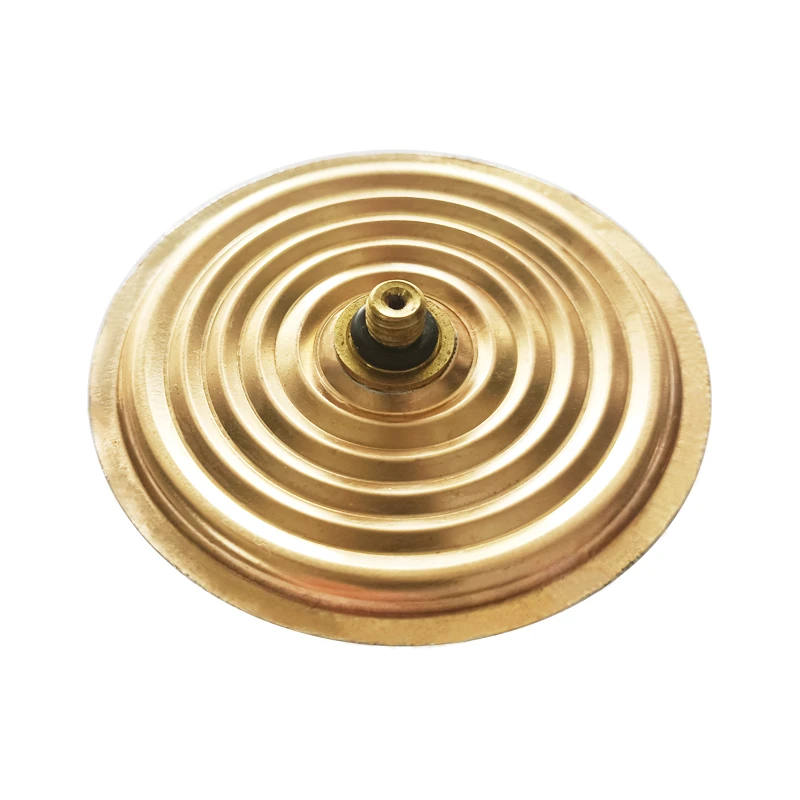
Pressure Diaphragm Capsule(DC)-All copper type-48mm
-
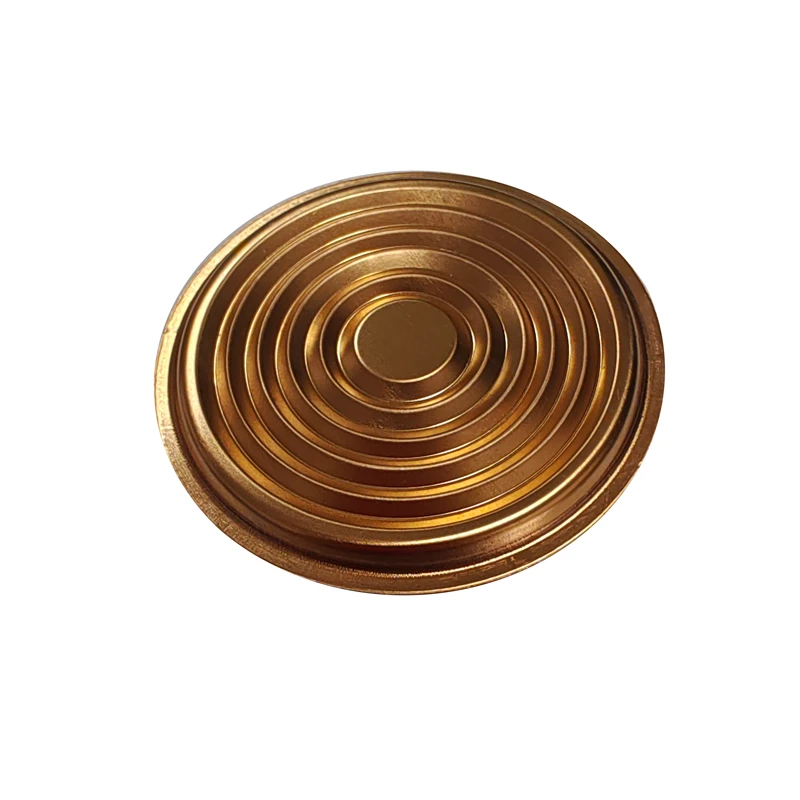
Pressure Single Diaphragm -micropressure-48mm,CuBe2
-
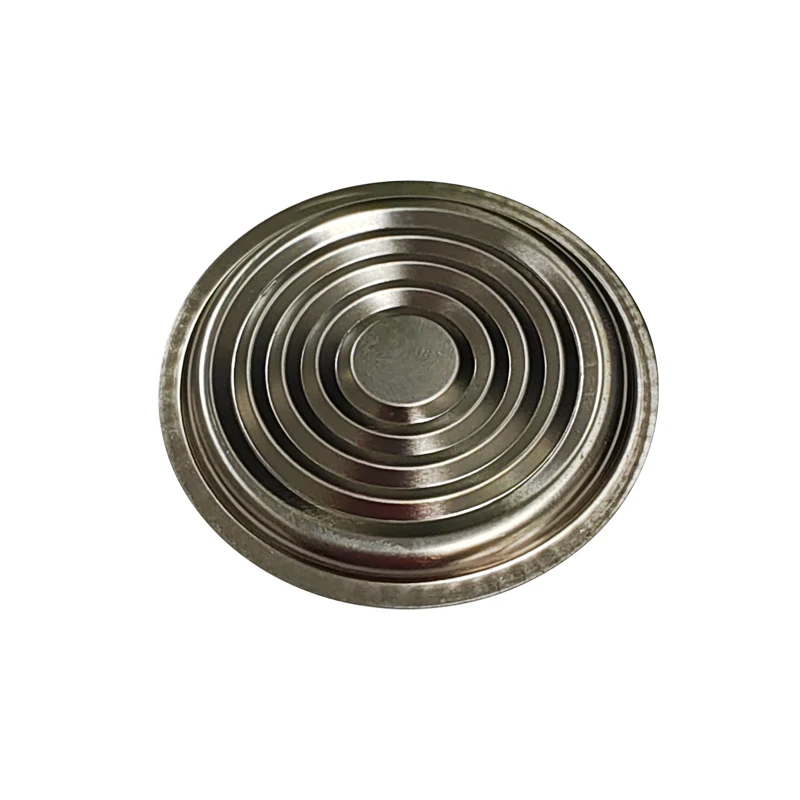
Pressure Single Diaphragm -Corrugated diaphragm-micropressure316/LSS
-
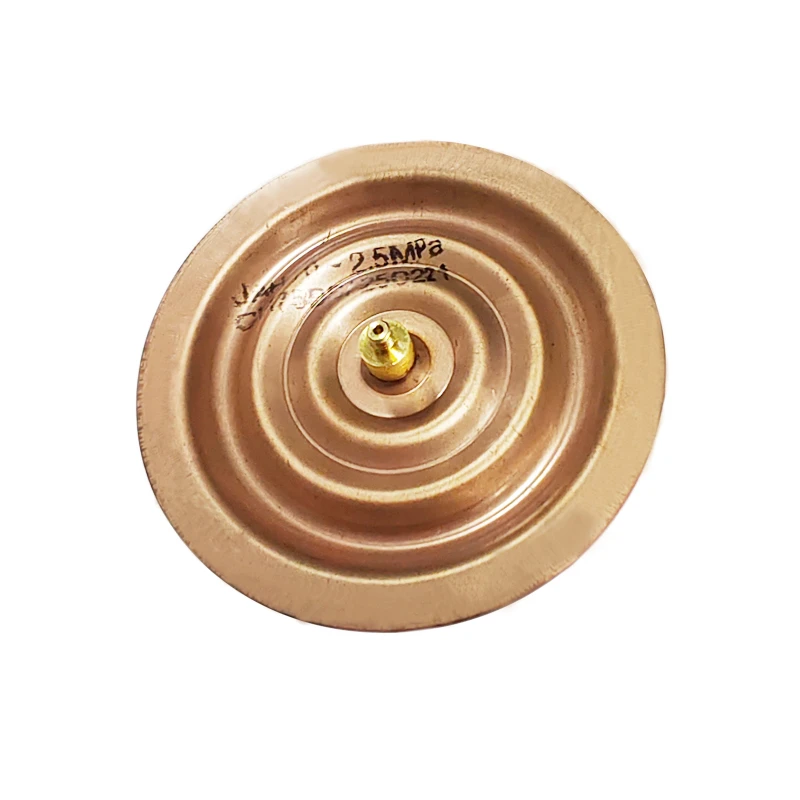
C+H Ø75AS Pressure Diaphragm(PD)-All copper type2.5MPa