


explain diaphragm pressure gauge
Explain Diaphragm Pressure Gauge
The explain diaphragm pressure gauge is a highly reliable instrument designed for measuring the pressure of gases and liquids in various industrial applications. Utilizing a flexible diaphragm, this gauge converts pressure into a mechanical displacement, providing accurate readings across a wide range of pressures. Known for its durability and precision, the diaphragm pressure gauge is an essential tool in industries such as oil and gas, chemical processing, and water treatment.
Key Features
- Robust Construction: Designed to withstand harsh environments and corrosive substances.
- High Accuracy: Offers precise measurements with minimal deviation.
- Wide Pressure Range: Suitable for both low and high-pressure applications.
- Temperature Resistance: Functions effectively in extreme temperatures.
- Easy Installation: User-friendly design for quick and hassle-free installation.
Technical Specifications
| Specification | Details |
|---|---|
| Pressure Range | 0-1000 psi |
| Accuracy | ±1% of full scale |
| Material | Stainless Steel, Brass |
| Dial Size | 4.5 inches |
| Temperature Range | -40°F to 150°F |
| Connection Type | 1/4" NPT or 1/2" NPT |
Application Scenarios
The explain diaphragm pressure gauge is versatile and finds applications in various industries, including:
- Oil and Gas: Monitoring pressure in pipelines and refineries.
- Chemical Processing: Ensuring accurate pressure readings in reactors and storage tanks.
- Water Treatment: Measuring pressure in filtration and pumping systems.
- Food and Beverage: Monitoring pressure in processing equipment to ensure safety and quality.
- Pharmaceuticals: Used in critical processes that require precise pressure control.
Advantages
The explain diaphragm pressure gauge offers a multitude of advantages that make it a preferred choice for many industries:
- Durability: Its robust construction ensures longevity, reducing the need for frequent replacements.
- Safety: Designed to minimize the risk of leaks and failures, protecting both equipment and personnel.
- Low Maintenance: Requires minimal upkeep, allowing for continuous operation with reduced downtime.
- Versatility: Can be adapted for various applications with different pressures and mediums.
- Cost-Effective: Offers a balance of affordability and performance, making it a smart investment.
Why Choose Us
When it comes to sourcing the explain diaphragm pressure gauge, choosing the right supplier is crucial. Here’s why we stand out:
- Expertise: Our team comprises industry experts with years of experience in pressure measurement technology.
- Quality Assurance: We adhere to stringent quality control processes to ensure that every product meets high standards.
- Customization: We offer tailored solutions to meet specific project requirements and challenges.
- Global Reach: With a strong international trade network, we deliver products efficiently across the globe.
- Customer Support: Our dedicated support team is available to assist with inquiries and technical issues.
FAQ
1. What is a diaphragm pressure gauge?
A diaphragm pressure gauge is a device that measures pressure by converting the pressure exerted by a gas or liquid into a mechanical displacement using a flexible diaphragm.
2. How does a diaphragm pressure gauge work?
When pressure is applied to the diaphragm, it flexes and causes a connected pointer to move along a calibrated scale, indicating the pressure level.
3. Can the explain diaphragm pressure gauge be used for corrosive liquids?
Yes, the explain diaphragm pressure gauge is available in materials such as stainless steel and other resistant alloys, making it suitable for corrosive environments.
4. What is the typical lifespan of a diaphragm pressure gauge?
With proper maintenance and in suitable conditions, a diaphragm pressure gauge can last several years, often exceeding 10 years of reliable service.
5. How do I select the right diaphragm pressure gauge for my application?
Consider factors such as the pressure range, medium type, environmental conditions, and whether you need additional features like temperature resistance or specific connection types.
Verwant PRODUCTEN
-
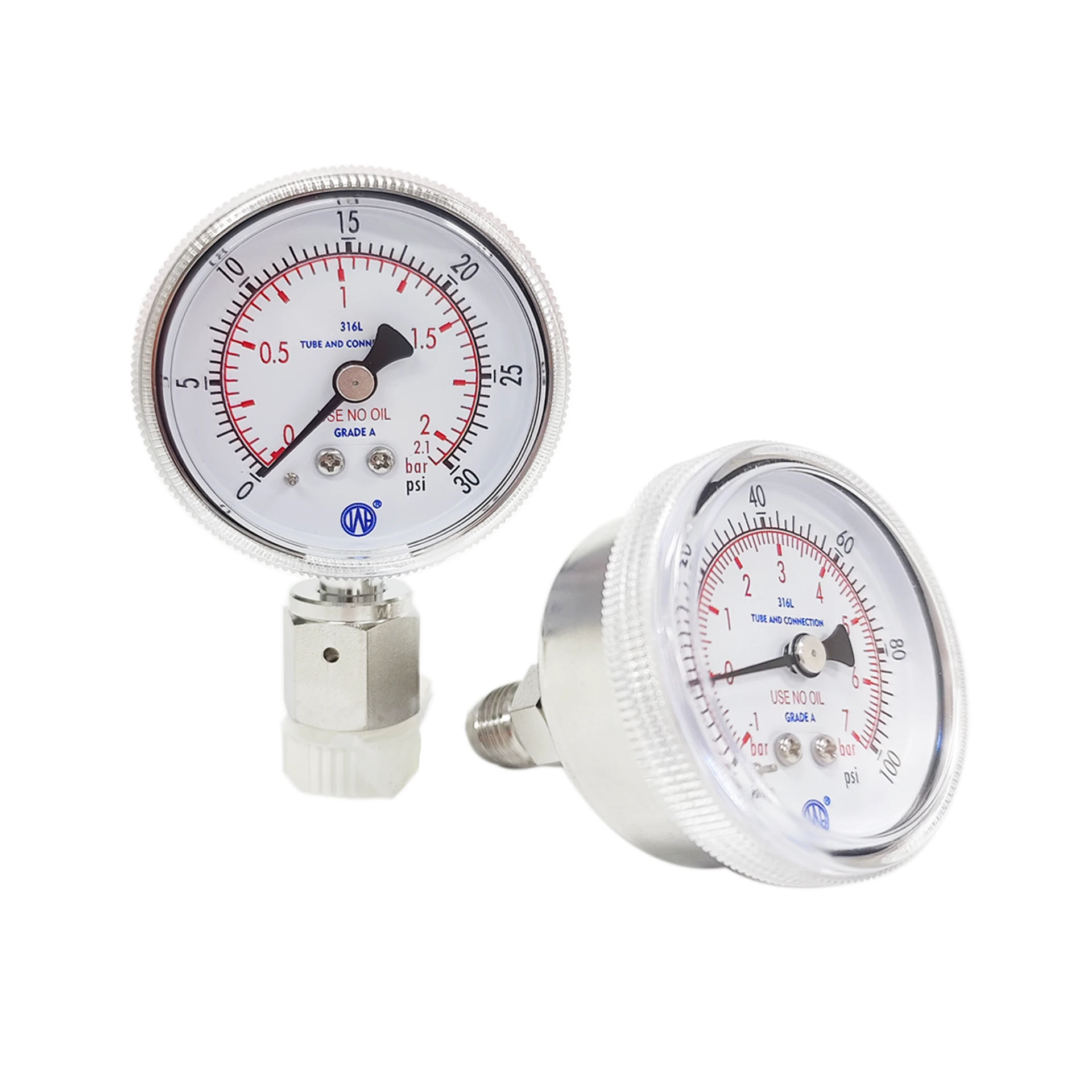
(Ultra)high purity clean pressure gauge-UPG50 / HPG50
-
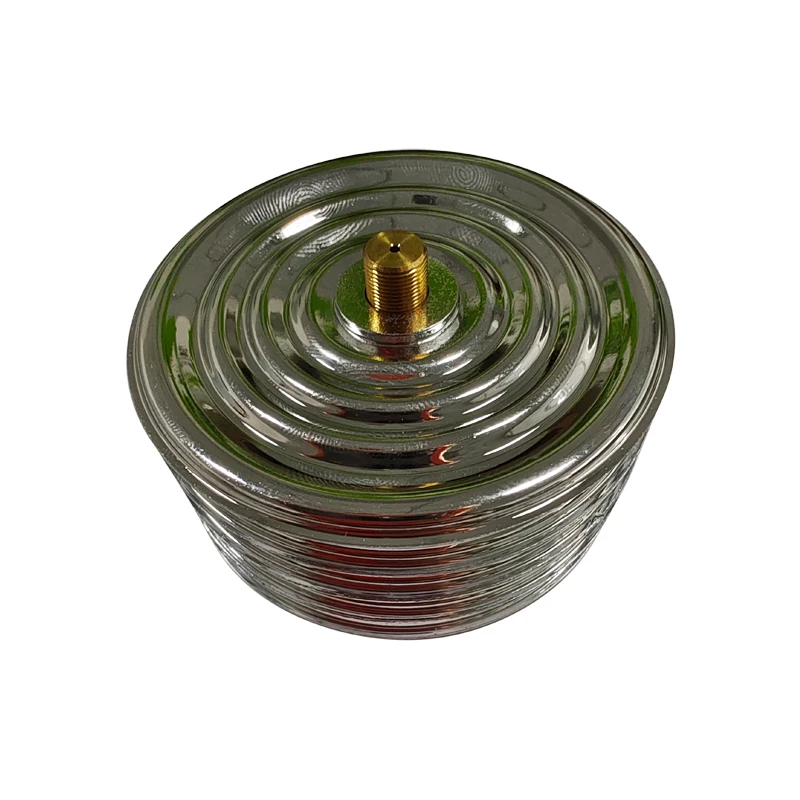
Pressure Diaphragm Capsule-Capsule string-Cube electroplate
-
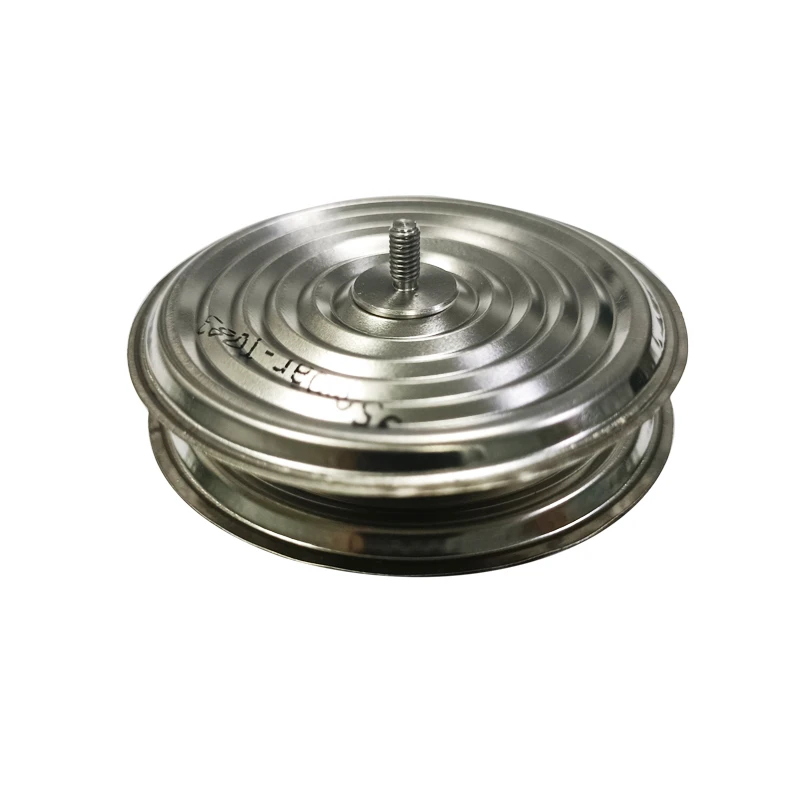
Pressure Diaphragm Capsule-Dual Capsule-316/L SS
-
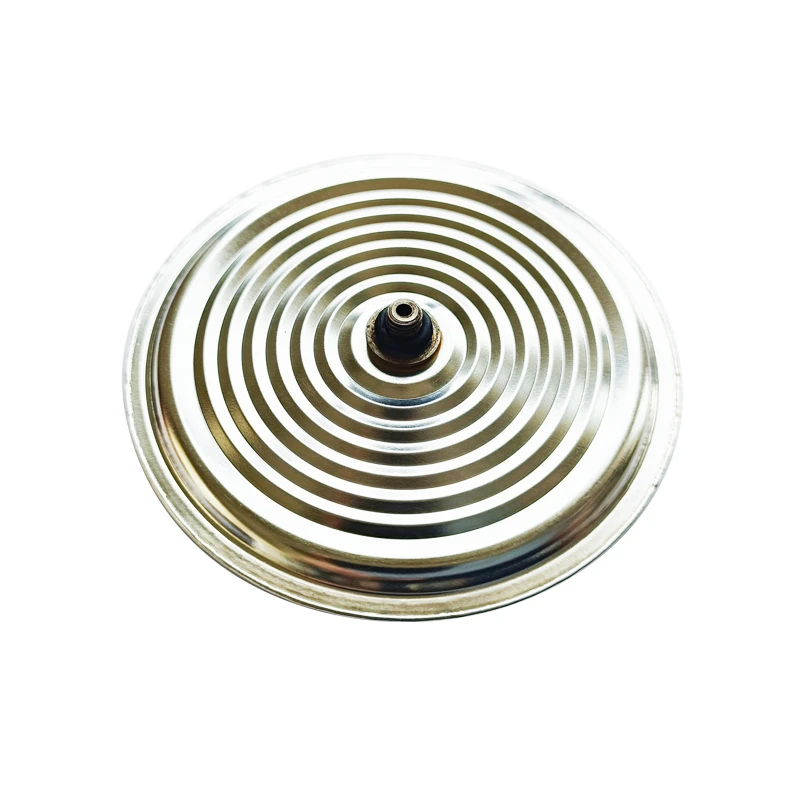
Pressure Diaphragm Capsule(DC)-316 SS-48mm
-
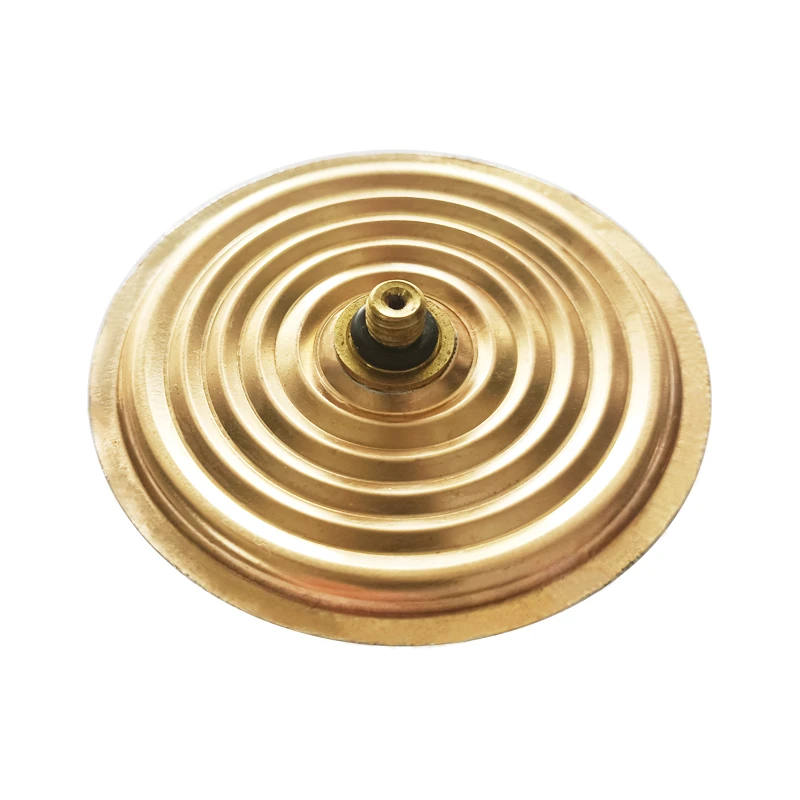
Pressure Diaphragm Capsule(DC)-All copper type-48mm
-
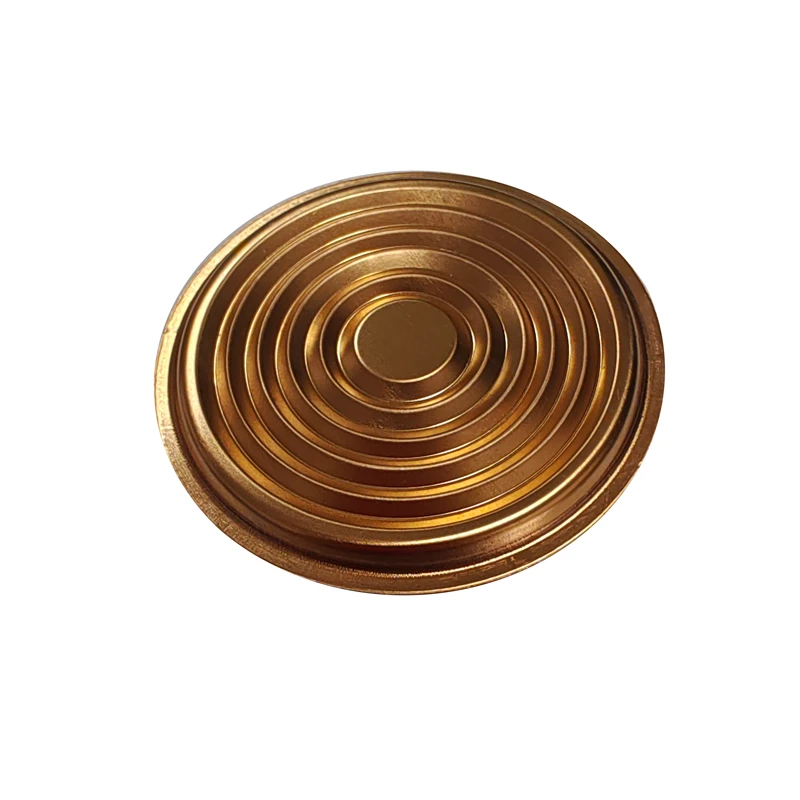
Pressure Single Diaphragm -micropressure-48mm,CuBe2
-
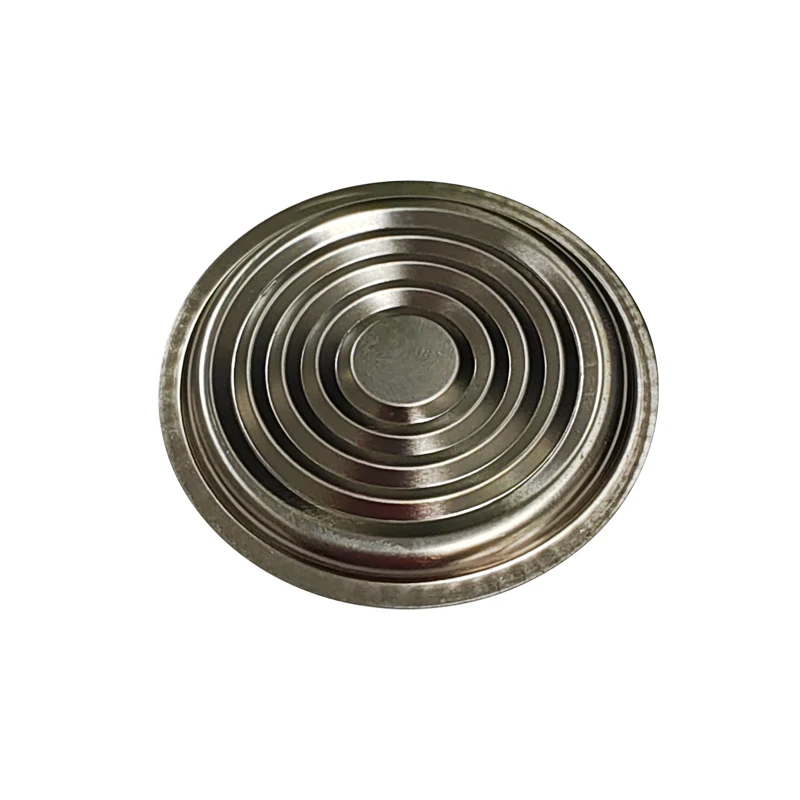
Pressure Single Diaphragm -Corrugated diaphragm-micropressure316/LSS
-
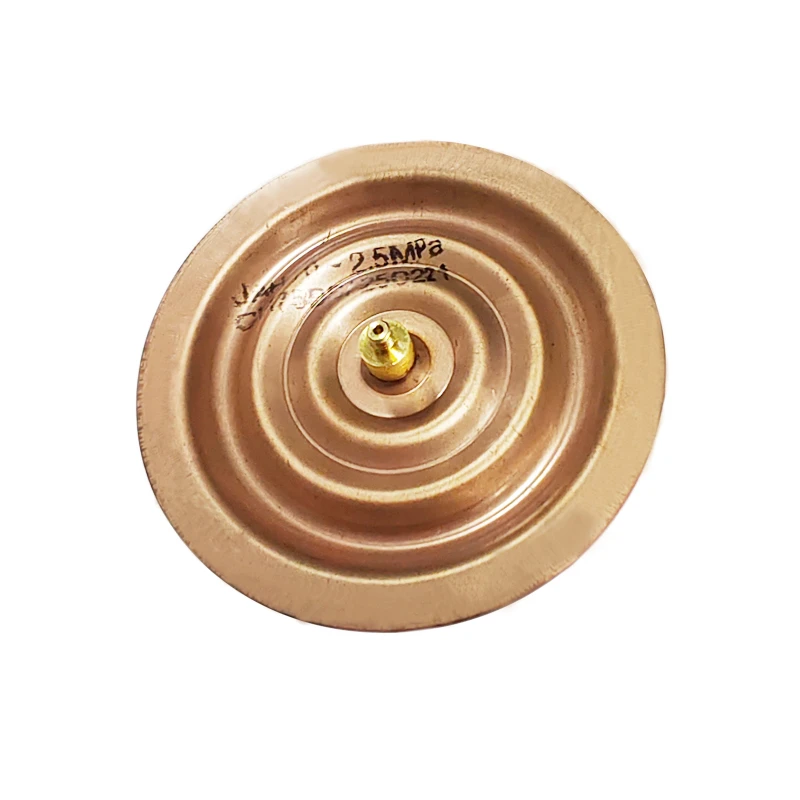
C+H Ø75AS Pressure Diaphragm(PD)-All copper type2.5MPa