


fire extinguisher pressure gauge in red
Fire Extinguisher Pressure Gauge in Red
Product Overview
The fire extinguisher pressure gauge in red is an essential safety device designed to provide reliable monitoring of the pressure levels within fire extinguishers. Its vibrant red color not only enhances visibility but also signifies the critical nature of its function in emergency situations. This gauge serves as a crucial indicator, ensuring that fire extinguishers are always in optimal working condition, thereby safeguarding lives and property.
Key Features
- High Visibility: The red design ensures easy identification and enhances safety awareness.
- Durable Construction: Made from high-quality materials to withstand harsh environmental conditions.
- Easy Reading: Large, clear dial with marked pressure ranges for quick assessments.
- Universal Fit: Compatible with most standard fire extinguishers, making it versatile for different applications.
- Reliable Performance: Ensures accurate pressure readings to maintain compliance with safety regulations.
Technical Specifications
| Specification | Details |
|---|---|
| Model | FEPG-RED-2023 |
| Material | High-grade aluminum and glass |
| Pressure Range | 0-300 PSI |
| Size | 3 inches in diameter |
| Weight | 0.5 lbs |
| Operating Temperature | -40°F to 140°F |
Application Scenarios
The fire extinguisher pressure gauge in red is suitable for various environments, including:
- Commercial Buildings: Ensures that fire safety equipment is readily functional in offices, malls, and warehouses.
- Industrial Facilities: Monitors fire extinguisher readiness in factories and manufacturing plants.
- Residential Areas: Provides peace of mind in homes, ensuring fire safety measures are in place.
- Public Spaces: Essential for schools, hospitals, and government buildings where safety is paramount.
Advantages
Utilizing a fire extinguisher pressure gauge in red offers numerous advantages:
- Enhanced Safety: Regular monitoring of extinguisher pressure prevents failures during emergencies.
- Compliance: Helps meet local fire safety regulations and standards, reducing liability risks.
- Cost-Effective: Early detection of pressure issues can save costs associated with fire damage and liability.
- Easy Installation: Simple to attach and use, making it an efficient addition to any fire safety system.
- Long-lasting: Built to endure, ensuring longevity and consistent performance over time.
Why Choose Us
When it comes to fire safety equipment, our fire extinguisher pressure gauge in red stands out for several reasons:
- Industry Expertise: We have years of experience in manufacturing and supplying fire safety products.
- Quality Assurance: Our products undergo rigorous testing to ensure they meet the highest safety standards.
- Customer Focus: We prioritize our customers' needs, offering tailored solutions and attentive service.
- Global Reach: Our international trade capabilities ensure that we can serve clients worldwide with efficiency.
- Competitive Pricing: We provide high-quality products at competitive prices, ensuring great value for your investment.
FAQ
1. How often should I check the pressure of my fire extinguisher?
It is recommended to check the pressure of your fire extinguisher monthly to ensure it is operational and within the required pressure range.
2. Is the fire extinguisher pressure gauge in red easy to install?
Yes, the fire extinguisher pressure gauge in red is designed for easy installation and can be fitted to most standard fire extinguishers without specialized tools.
3. What should I do if the pressure is low?
If the pressure is below the recommended range, it is essential to recharge or replace the extinguisher immediately to ensure readiness in case of a fire emergency.
4. Can the gauge withstand extreme temperatures?
Yes, our gauge is designed to operate effectively in a wide range of temperatures, from -40°F to 140°F, making it suitable for various environments.
5. How can I ensure the gauge remains accurate?
Regular maintenance and periodic checks will help ensure the accuracy of the fire extinguisher pressure gauge in red. If you notice any discrepancies, consider recalibrating or replacing the gauge.
Verwant PRODUCTEN
-
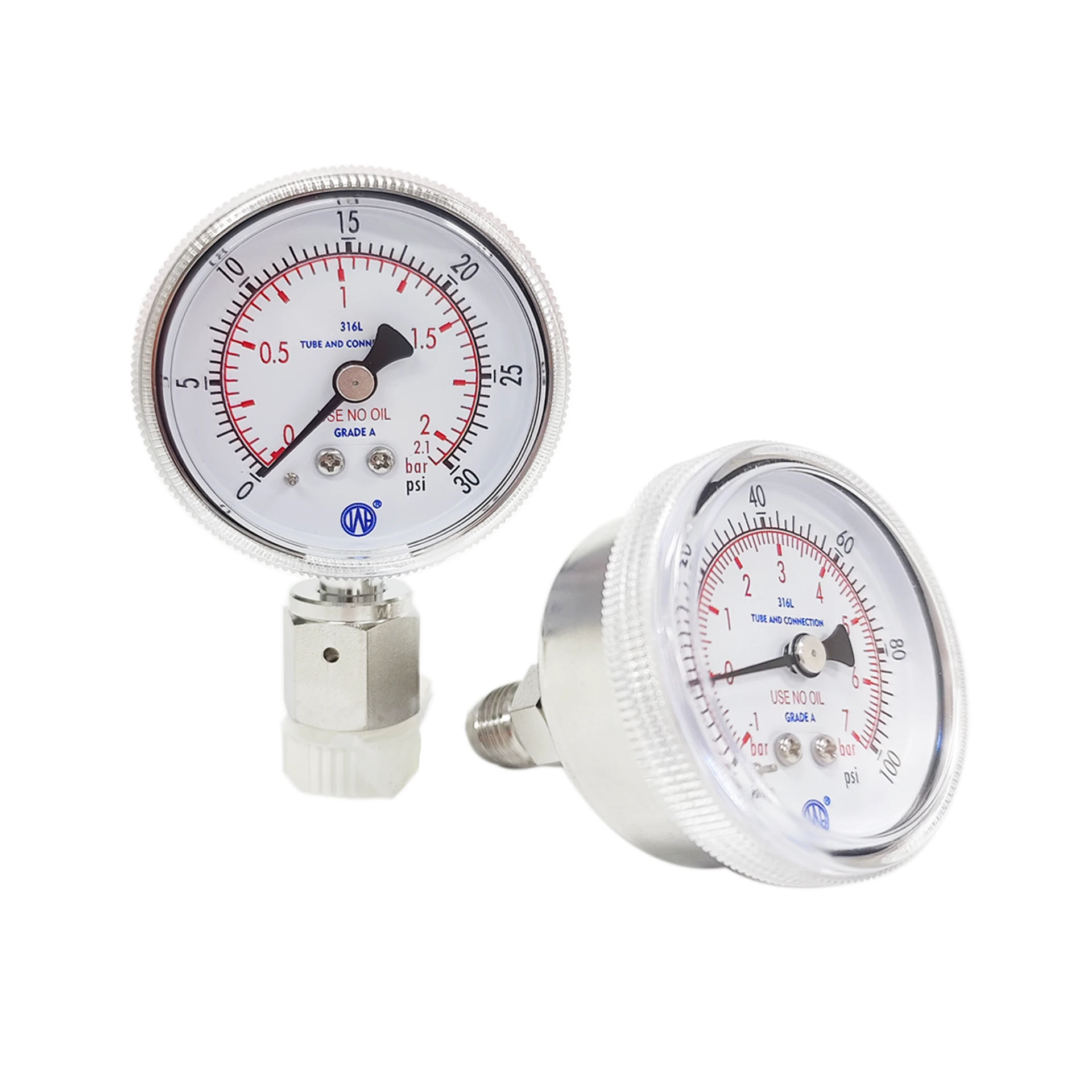
(Ultra)high purity clean pressure gauge-UPG50 / HPG50
-
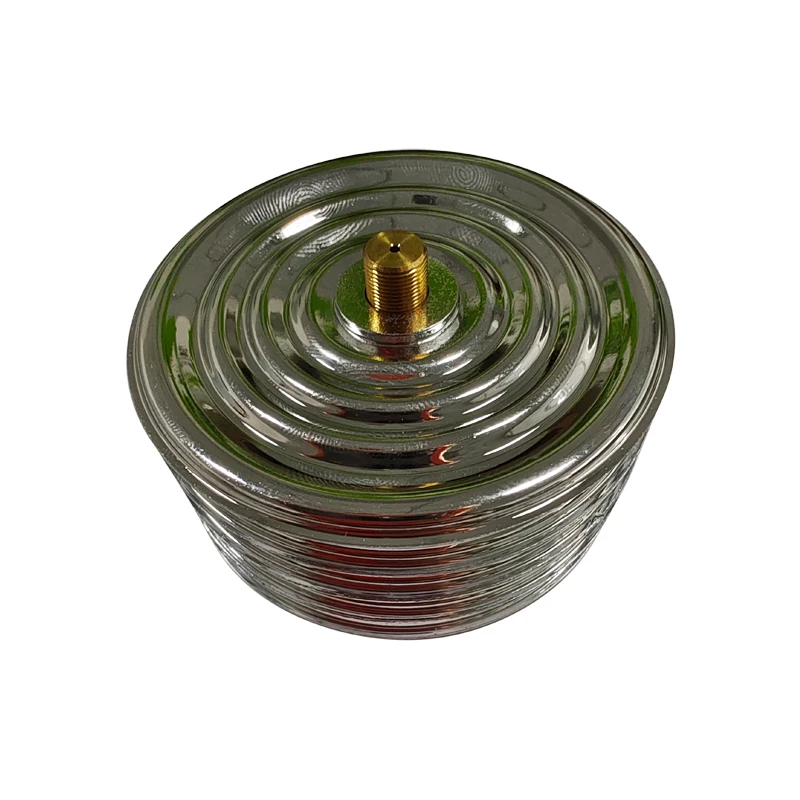
Pressure Diaphragm Capsule-Capsule string-Cube electroplate
-
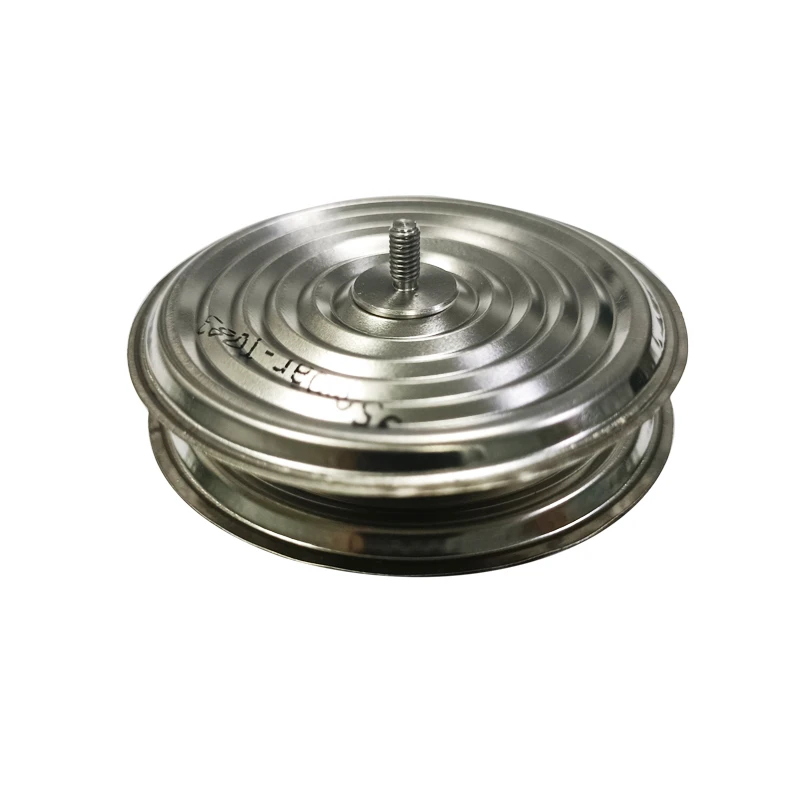
Pressure Diaphragm Capsule-Dual Capsule-316/L SS
-
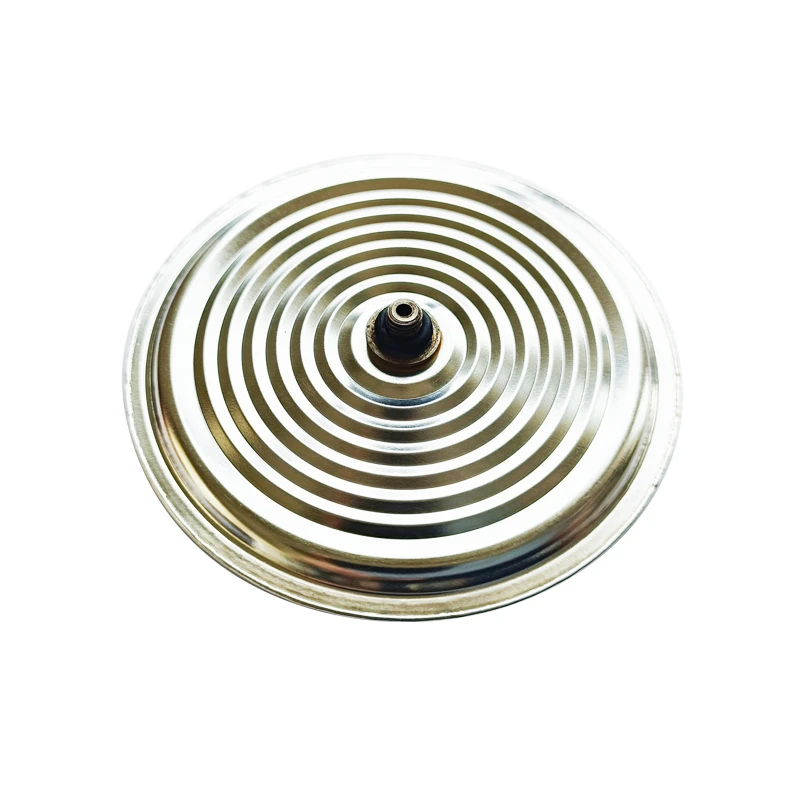
Pressure Diaphragm Capsule(DC)-316 SS-48mm
-
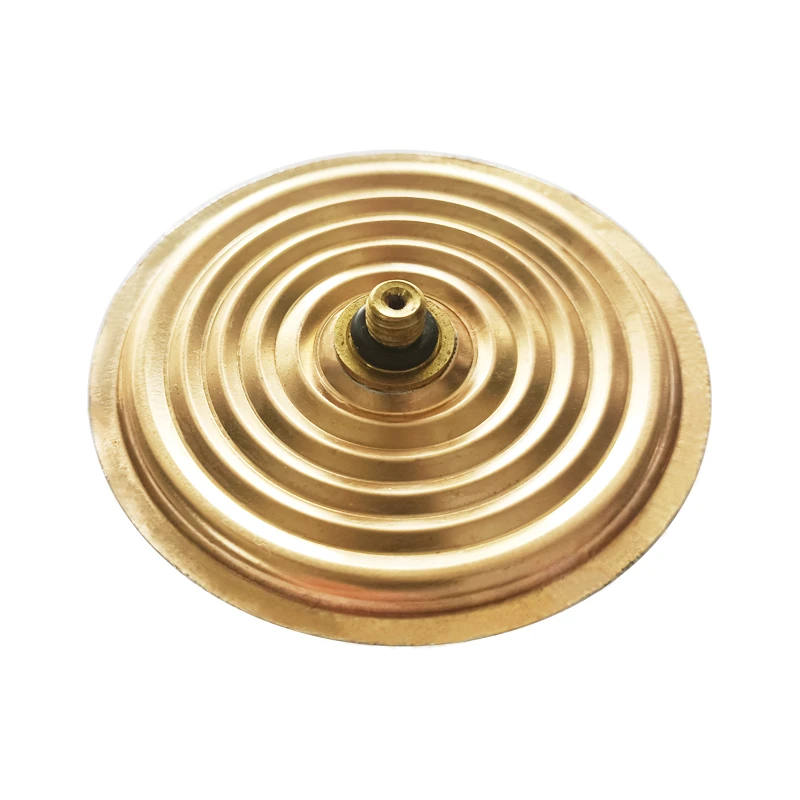
Pressure Diaphragm Capsule(DC)-All copper type-48mm
-
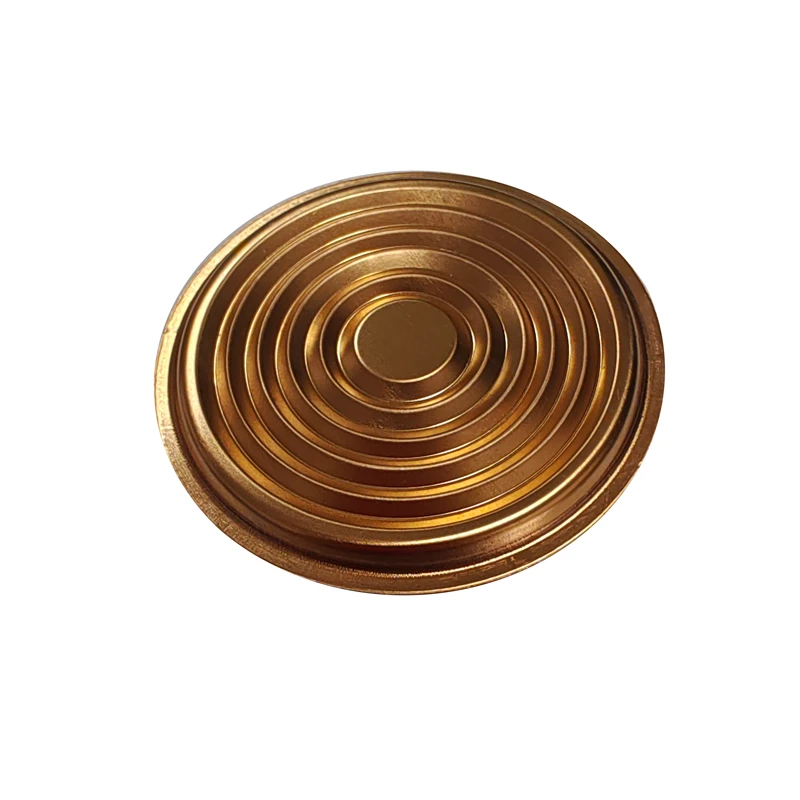
Pressure Single Diaphragm -micropressure-48mm,CuBe2
-
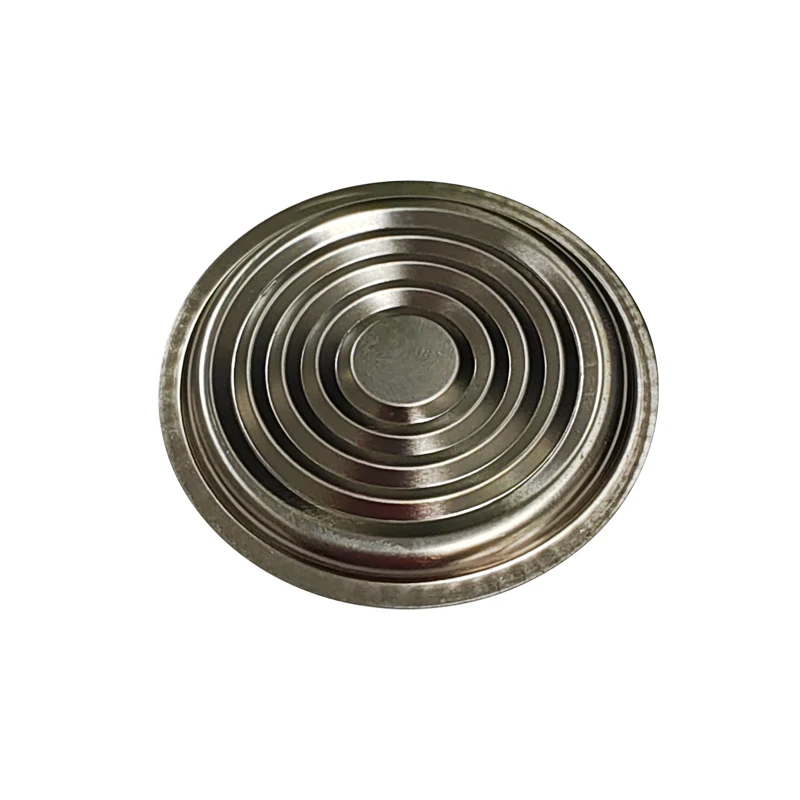
Pressure Single Diaphragm -Corrugated diaphragm-micropressure316/LSS
-
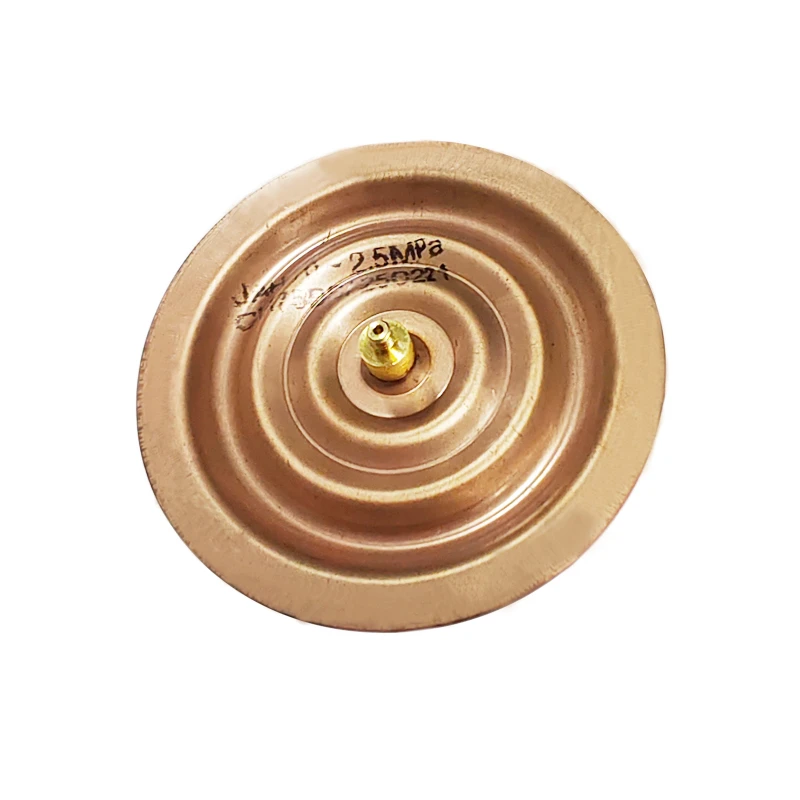
C+H Ø75AS Pressure Diaphragm(PD)-All copper type2.5MPa