


fire hydrant pressure gauge
Fire Hydrant Pressure Gauge
Product Overview
The fire hydrant pressure gauge is an essential instrument designed for accurately measuring the water pressure in fire hydrants. This tool is vital for fire safety professionals and municipal fire departments, ensuring that hydrants are functioning optimally and can deliver adequate water flow in emergencies. With robust construction and reliable performance, our pressure gauge is engineered to meet the stringent requirements of the fire protection industry.
Key Features
- High Accuracy: Provides precise pressure readings, ensuring readiness during emergencies.
- Durable Design: Constructed from corrosion-resistant materials to withstand harsh environmental conditions.
- Easy Installation: Simple setup with standard fittings compatible with most hydrants.
- Wide Pressure Range: Measures a broad spectrum of pressure levels to accommodate various hydrant specifications.
- Clear Readability: Equipped with a large, easy-to-read dial for quick assessments.
- Calibration Certificate: Each unit comes with a calibration certificate for quality assurance.
Technical Specifications
| Specification | Details |
|---|---|
| Model | FG-100A |
| Pressure Range | 0-300 psi |
| Accuracy | ±1% Full Scale |
| Temperature Range | -20°C to 60°C |
| Material | Stainless Steel |
| Dial Size | 6 inches |
| Connection Size | 1/2 inch NPT |
Application Scenarios
The fire hydrant pressure gauge is versatile and can be utilized in various scenarios, including:
- Municipal Fire Departments: Regular testing and maintenance of fire hydrants to ensure public safety.
- Industrial Facilities: Monitoring water pressure for fire suppression systems in warehouses and manufacturing plants.
- Construction Sites: Ensuring adequate water supply for on-site firefighting measures.
- Fire Safety Inspections: Used by inspectors to verify that hydrants are operating within required pressure standards.
- Emergency Response Training: Training firefighters on the importance of hydrant pressure and flow rates.
Advantages
Investing in our fire hydrant pressure gauge offers numerous advantages:
- Enhanced Safety: Reliable pressure readings ensure that fire hydrants can effectively provide water during emergencies.
- Compliance: Meets industry standards for safety and performance, helping organizations comply with regulations.
- Cost-Effective: Durable design minimizes replacement costs and ensures long-term use.
- Expert Support: Our knowledgeable team is available to assist with installation and maintenance inquiries.
- Global Shipping: We serve clients worldwide, ensuring that your fire safety needs are met, no matter where you are located.
Why Choose Us
Choosing our fire hydrant pressure gauge means opting for quality, reliability, and expertise. We are committed to providing:
- Superior Quality: Our products undergo rigorous testing to meet the highest industry standards.
- Innovation: Continuous improvement and adaptation to new technologies enhance our product offerings.
- Customer-Centric Approach: We prioritize our clients' needs and tailor our solutions accordingly.
- Timely Delivery: Our efficient logistics ensure that your products arrive on time, every time.
- Competitive Pricing: We offer premium products at prices that accommodate various budgets.
FAQ
1. How often should a fire hydrant pressure gauge be tested?
It is recommended to test the fire hydrant pressure gauge at least once a year or following any significant changes in the water supply system.
2. Can the gauge be installed by non-professionals?
While installation is straightforward, we recommend having a qualified technician install the fire hydrant pressure gauge to ensure accuracy and compliance with local regulations.
3. What is the lifespan of the fire hydrant pressure gauge?
With proper maintenance and care, our fire hydrant pressure gauge can last for many years, providing consistent and reliable performance.
4. Is calibration necessary for the fire hydrant pressure gauge?
Yes, calibration is essential to ensure the accuracy of readings. We provide a calibration certificate with each unit, and routine checks are recommended.
5. What should I do if my gauge shows inconsistent readings?
If you notice inconsistent readings, we recommend checking for leaks or damage in the gauge. If the issue persists, contact our support team for further assistance.
Verwant PRODUCTEN
-
(Ultra)high purity clean pressure gauge-UPG50 / HPG50
-
Pressure Diaphragm Capsule-Capsule string-Cube electroplate
-
Pressure Diaphragm Capsule-Dual Capsule-316/L SS
-
Pressure Diaphragm Capsule(DC)-316 SS-48mm
-
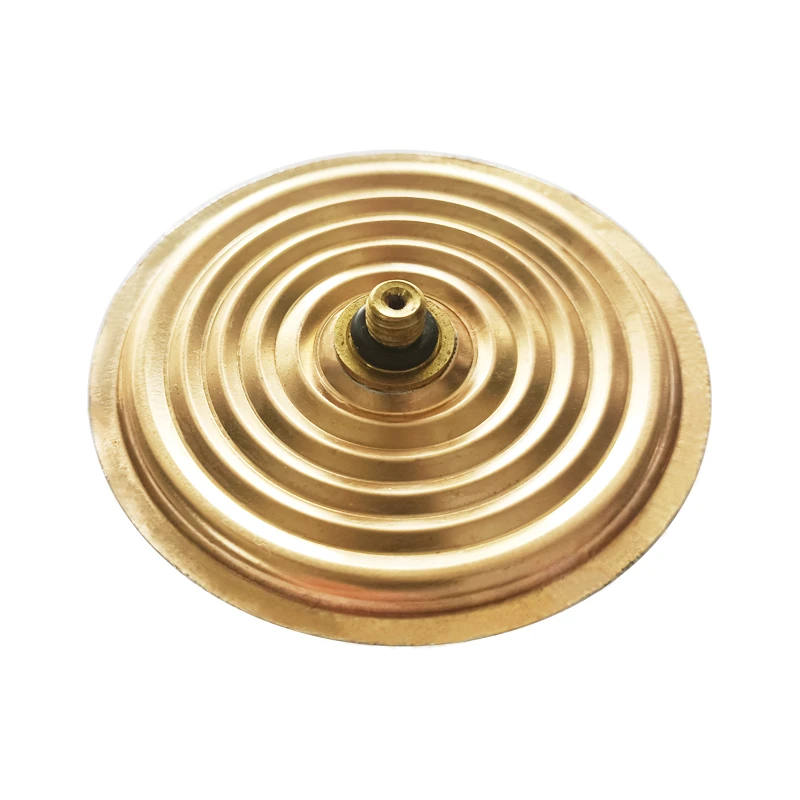
Pressure Diaphragm Capsule(DC)-All copper type-48mm
-
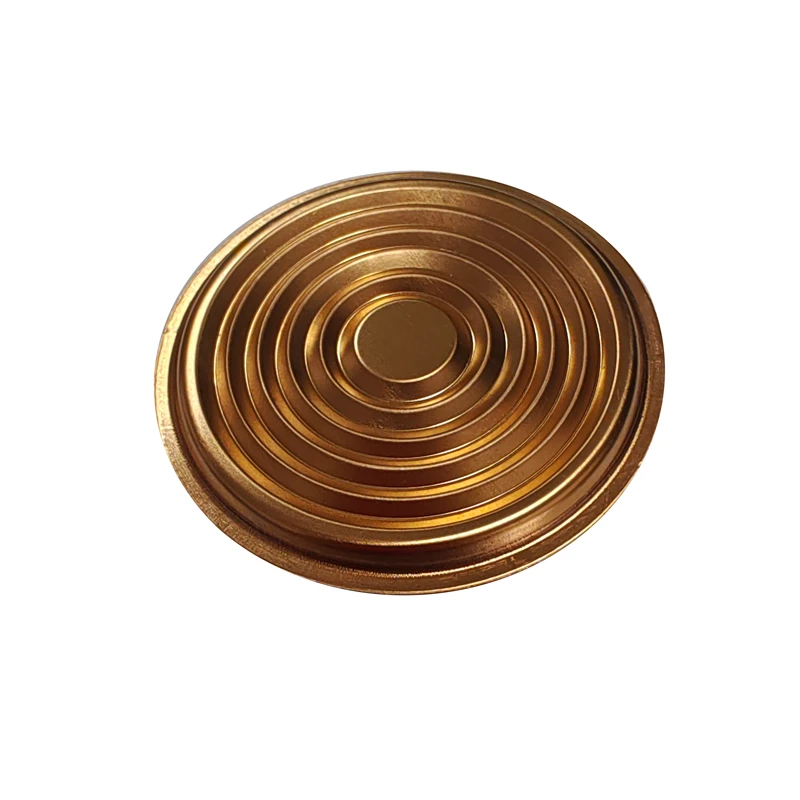
Pressure Single Diaphragm -micropressure-48mm,CuBe2
-
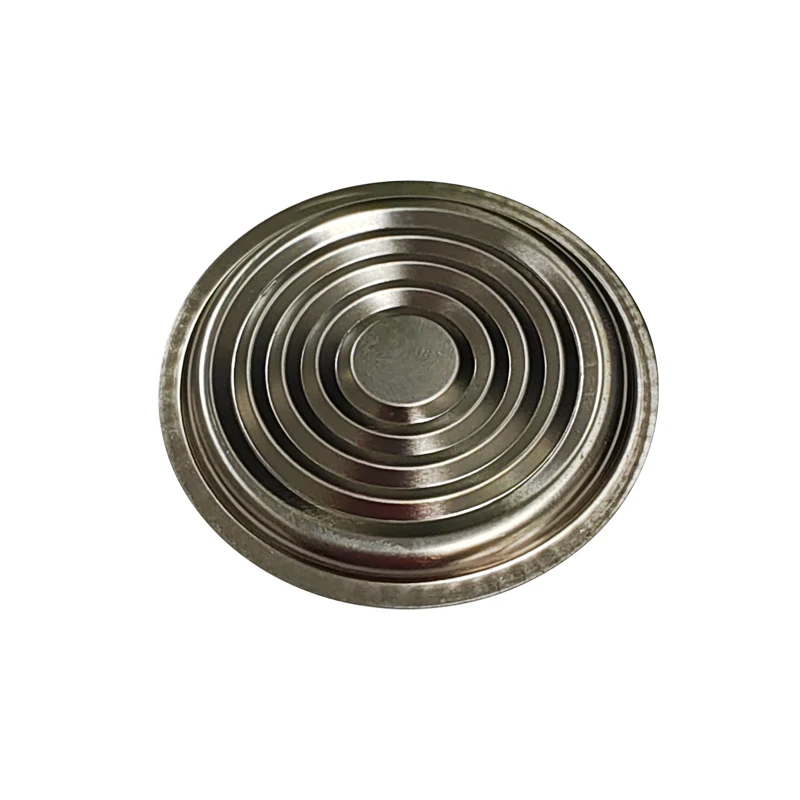
Pressure Single Diaphragm -Corrugated diaphragm-micropressure316/LSS
-
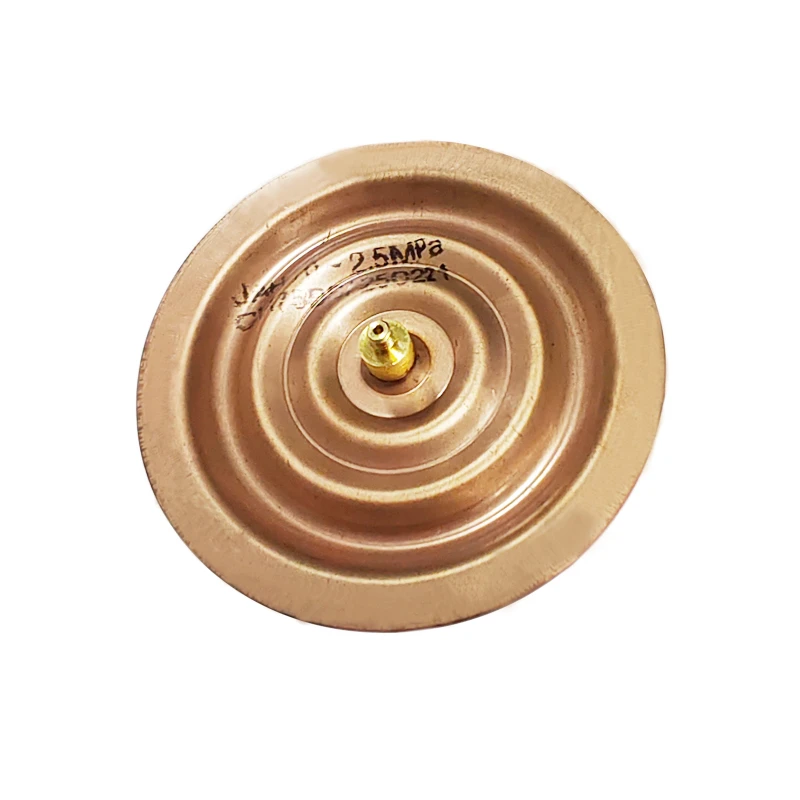
C+H Ø75AS Pressure Diaphragm(PD)-All copper type2.5MPa