

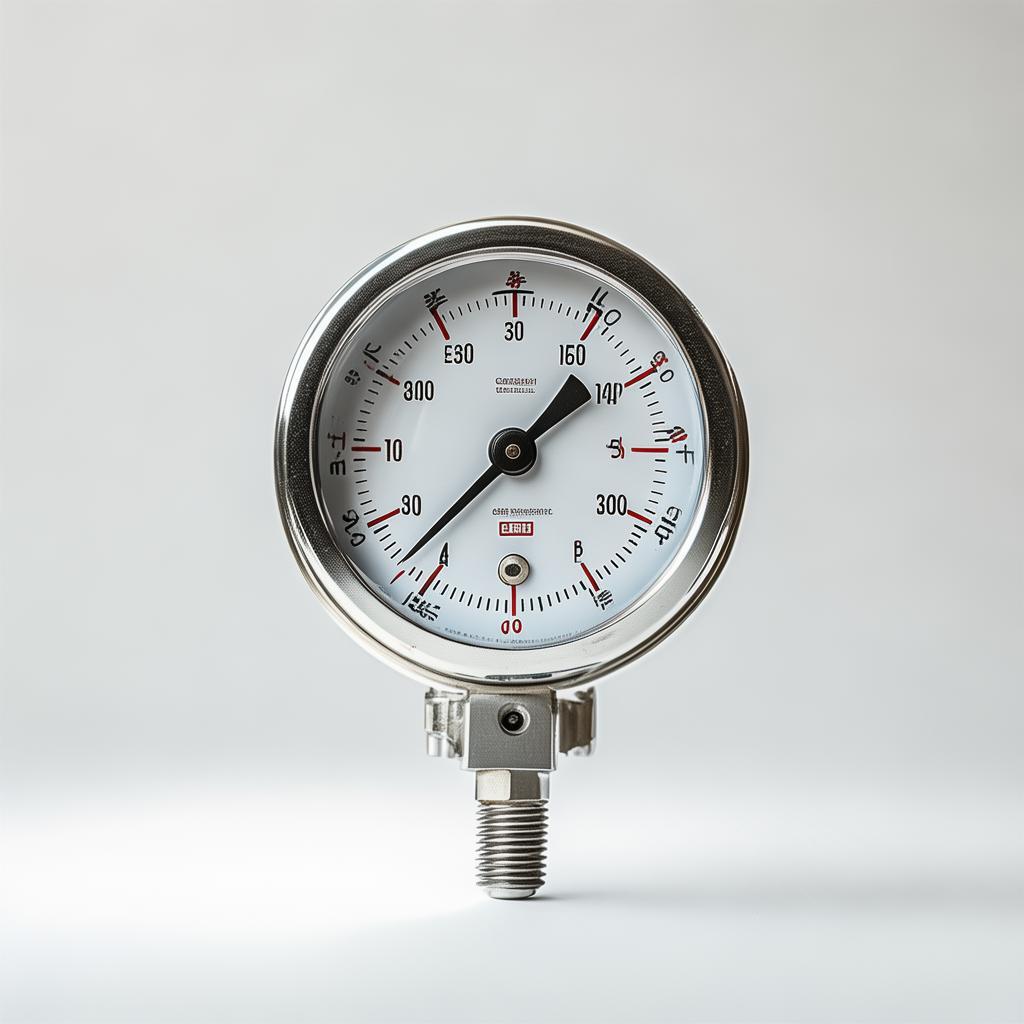
fire sprinkler pressure gauge
Fire Sprinkler Pressure Gauge
The fire sprinkler pressure gauge is an essential component in fire protection systems, providing critical information about the water pressure in sprinkler systems. Designed for reliability and accuracy, this gauge ensures that your fire suppression system operates effectively, safeguarding lives and property. With a robust construction and precise measurement capabilities, our fire sprinkler pressure gauge is the ideal solution for both commercial and industrial applications.
Key Features
- High Accuracy: Delivers precise readings to ensure optimal system performance.
- Durable Construction: Made from high-quality materials that withstand harsh environments.
- Easy Installation: User-friendly design allows for quick setup and integration into existing systems.
- Wide Measurement Range: Suitable for various applications with different pressure requirements.
- Corrosion Resistance: Ideal for use in varied climates and industrial settings.
Technical Specifications
| Specification | Details |
|---|---|
| Model | FG-1000 |
| Pressure Range | 0-300 PSI |
| Accuracy | ±1.5% |
| Connection Size | 1/4" NPT |
| Material | Stainless Steel |
| Temperature Range | -40°F to 150°F |
| Weight | 2 lbs |
Application Scenarios
The fire sprinkler pressure gauge is versatile, making it suitable for a variety of applications, including:
- Commercial buildings such as office complexes and retail stores.
- Industrial facilities including manufacturing plants and warehouses.
- Residential fire protection systems in multi-family units.
- Educational institutions, ensuring the safety of students and staff.
- Healthcare facilities where fire safety is critical.
Advantages
Investing in our fire sprinkler pressure gauge comes with numerous advantages:
- Enhanced Safety: Accurate pressure readings help maintain optimal system functionality, reducing the risk of fire hazards.
- Cost-Effective: Durable design minimizes replacement costs and maintenance needs.
- Compliance: Meets industry standards and regulations for fire protection systems.
- Improved Performance: Ensures that sprinkler systems activate at the right pressure, effectively controlling fires.
- Expert Support: Backed by our knowledgeable team, providing assistance and guidance for installation and maintenance.
Why Choose Us
At [Your Company Name], we specialize in manufacturing high-quality fire sprinkler pressure gauges that are trusted by professionals worldwide. Our commitment to quality, safety, and customer satisfaction sets us apart in the industry. Here’s why you should choose us:
- Expertise: With years of experience, we understand the critical nature of fire safety and protection.
- Quality Assurance: Each product undergoes rigorous testing to ensure reliability and durability.
- Global Reach: We serve clients across the globe, adapting our products to meet diverse regulatory requirements.
- Responsive Service: Our team is dedicated to providing prompt and effective support to our clients.
FAQ
1. What is a fire sprinkler pressure gauge?
A fire sprinkler pressure gauge is a device that measures the water pressure within a fire sprinkler system, ensuring it operates effectively when needed.
2. How often should I check the fire sprinkler pressure gauge?
It is recommended to check the fire sprinkler pressure gauge at least once a month to ensure accurate readings and optimal system performance.
3. Can the fire sprinkler pressure gauge be installed by someone without experience?
While it can be installed by individuals with basic plumbing skills, we recommend consulting a professional for proper installation to ensure safety and compliance with local regulations.
4. What should I do if the gauge shows low pressure?
If the fire sprinkler pressure gauge indicates low pressure, it is crucial to investigate the cause immediately. This may include checking for leaks or contacting a fire safety professional for assistance.
5. Is the fire sprinkler pressure gauge suitable for all environments?
Our fire sprinkler pressure gauge is designed to be durable and corrosion-resistant, making it suitable for various environments, including industrial and commercial settings. However, specific environmental conditions should be evaluated to ensure compatibility.
Verwant PRODUCTEN
-
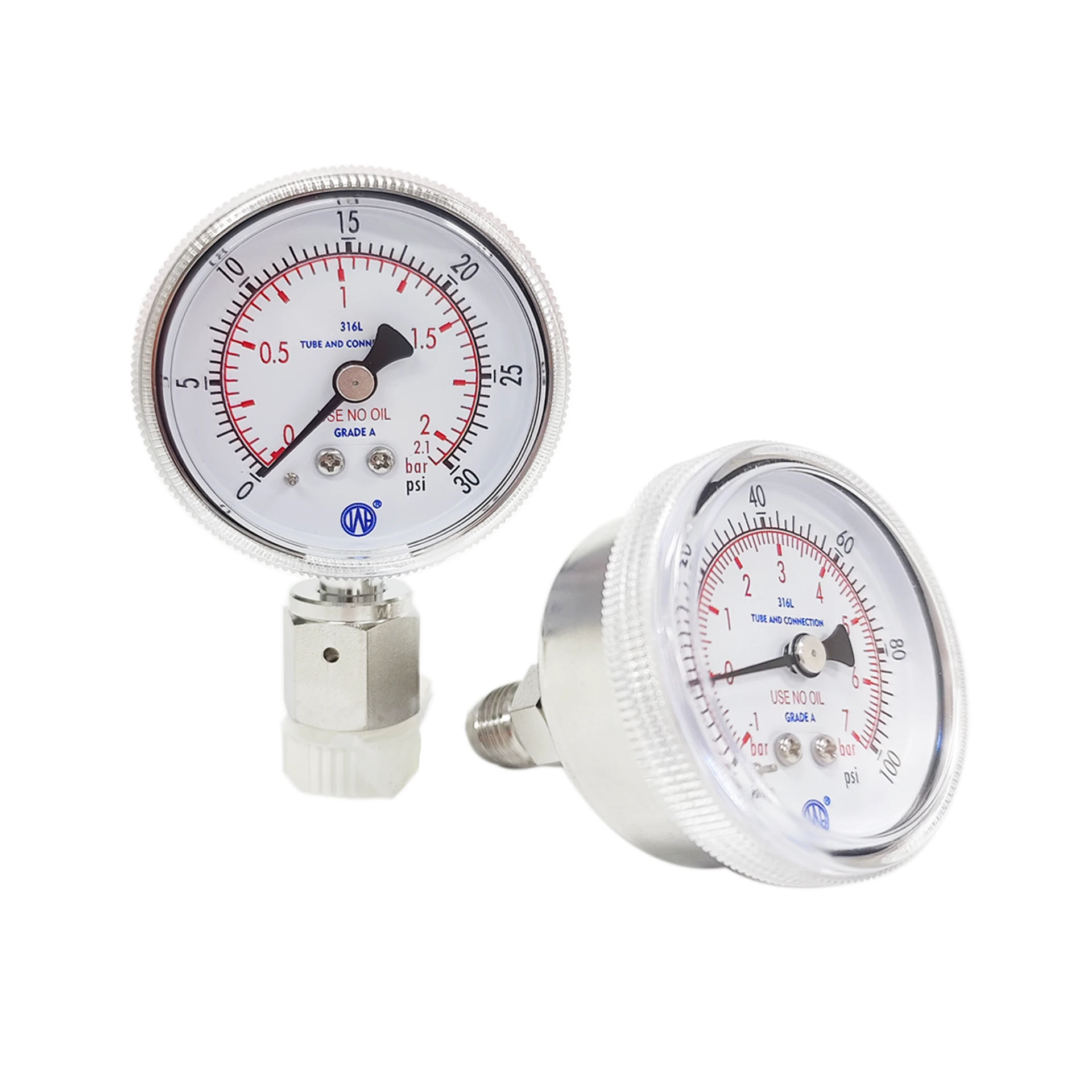
(Ultra)high purity clean pressure gauge-UPG50 / HPG50
-
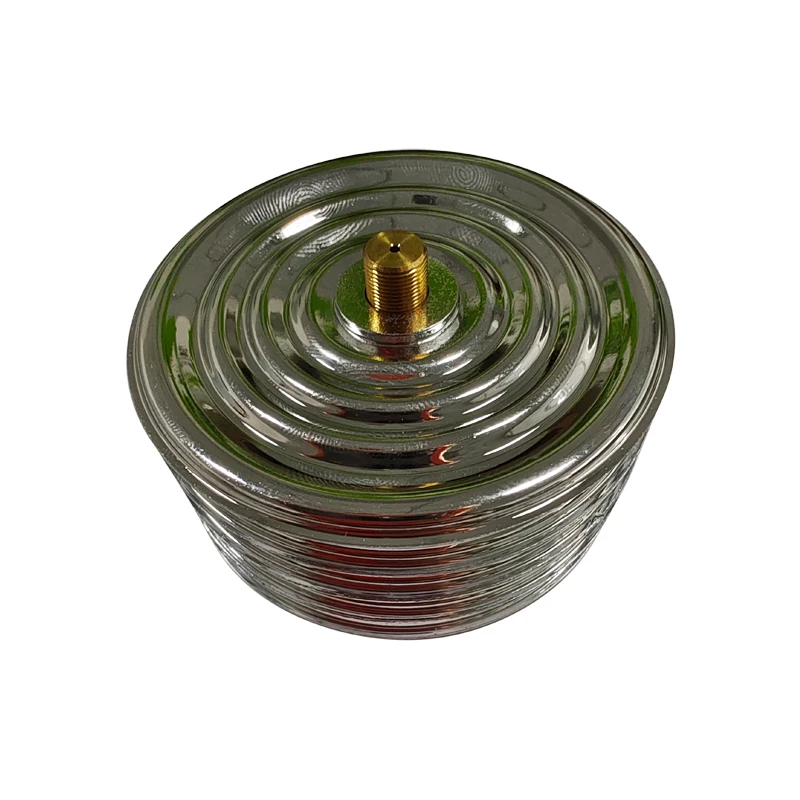
Pressure Diaphragm Capsule-Capsule string-Cube electroplate
-
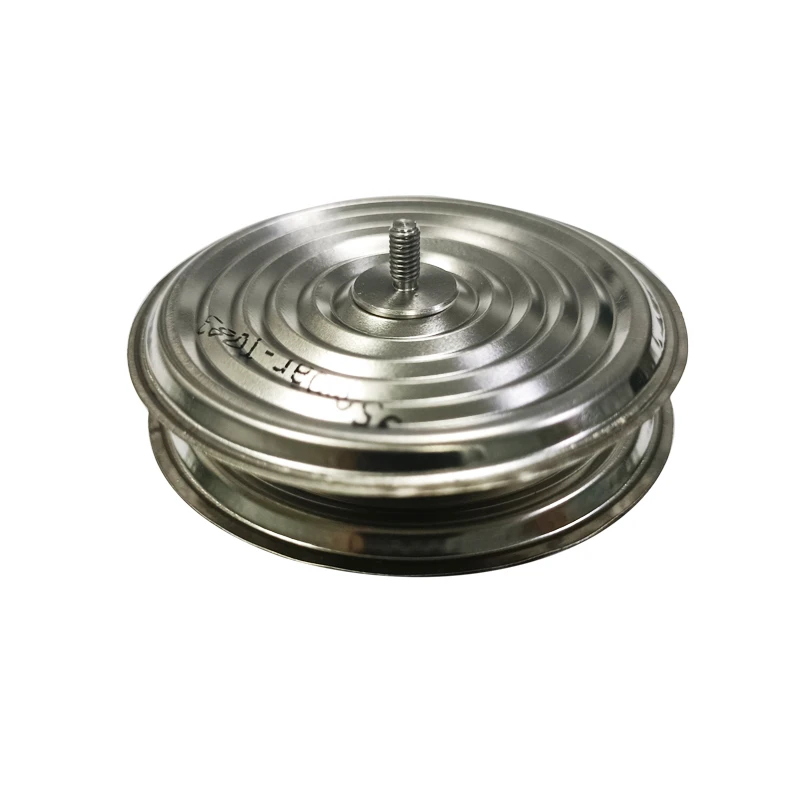
Pressure Diaphragm Capsule-Dual Capsule-316/L SS
-
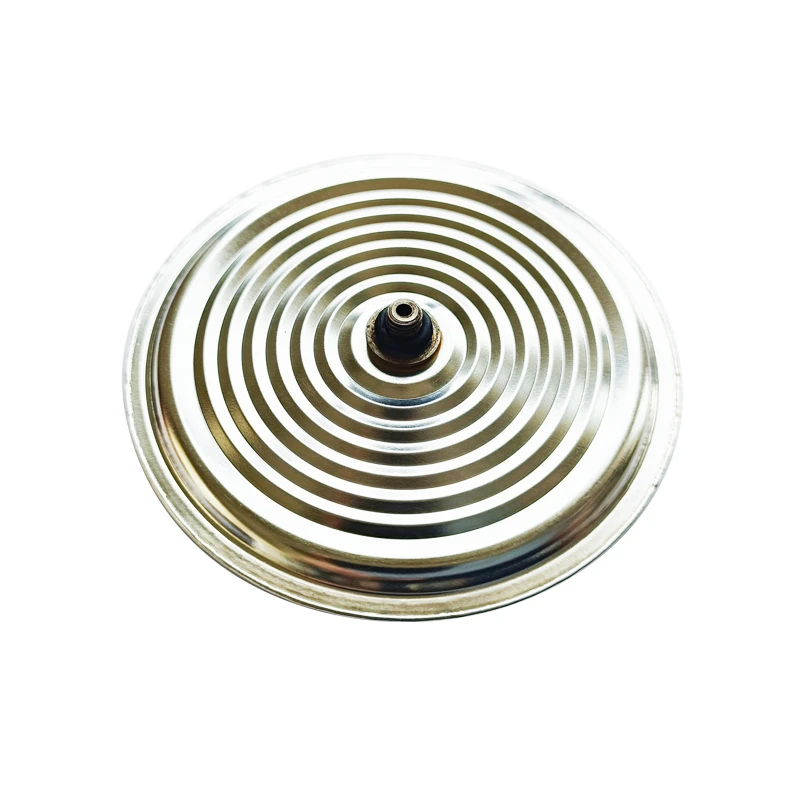
Pressure Diaphragm Capsule(DC)-316 SS-48mm
-
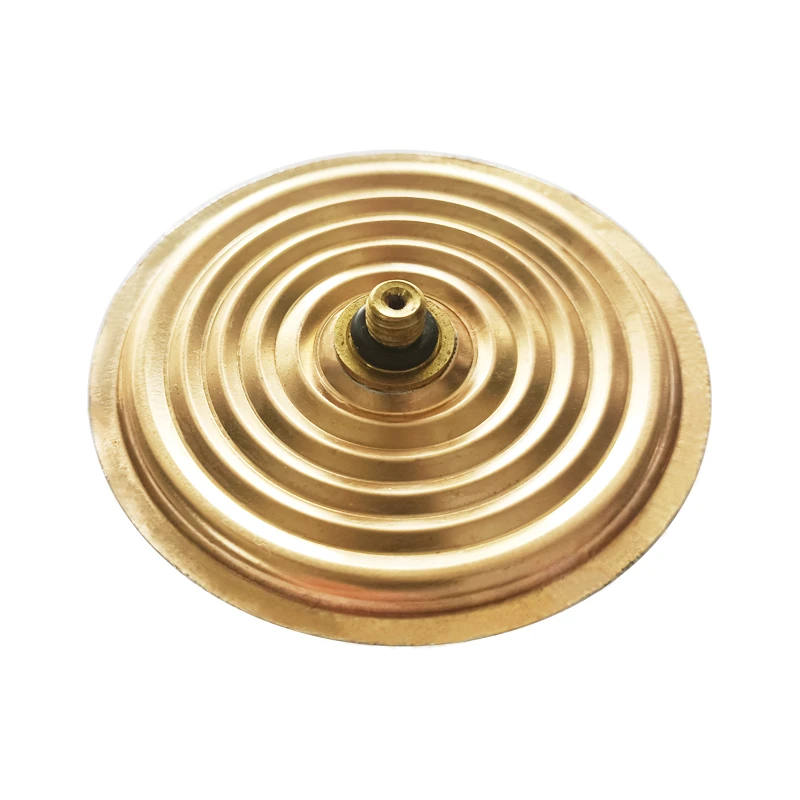
Pressure Diaphragm Capsule(DC)-All copper type-48mm
-
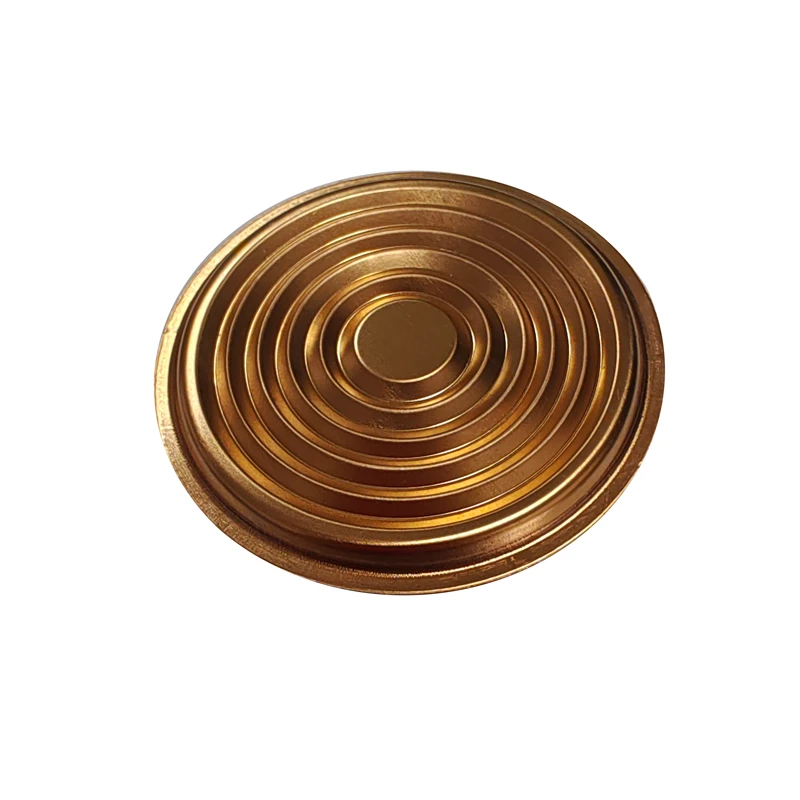
Pressure Single Diaphragm -micropressure-48mm,CuBe2
-
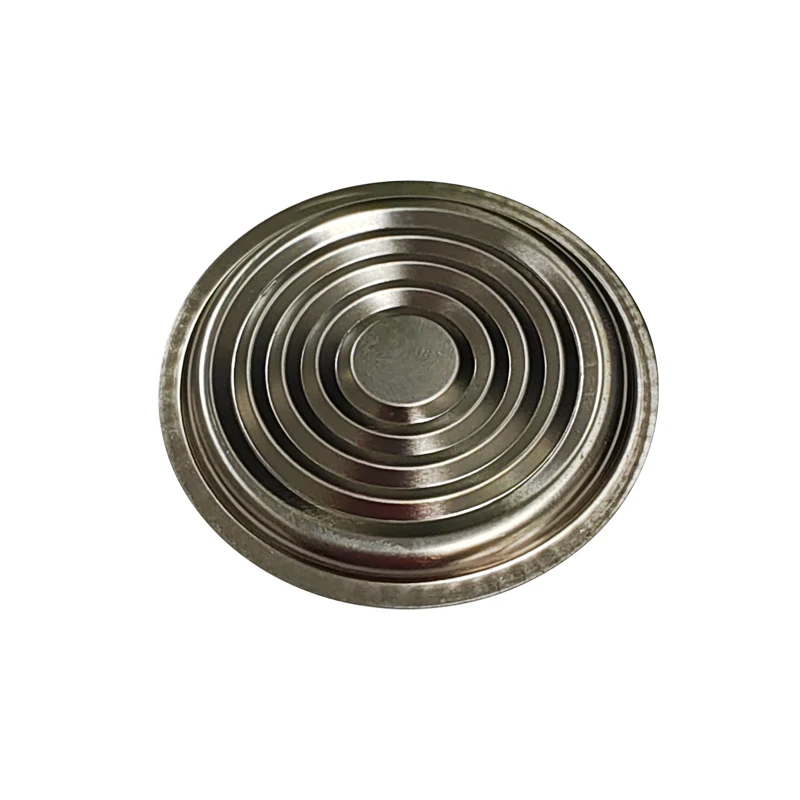
Pressure Single Diaphragm -Corrugated diaphragm-micropressure316/LSS
-
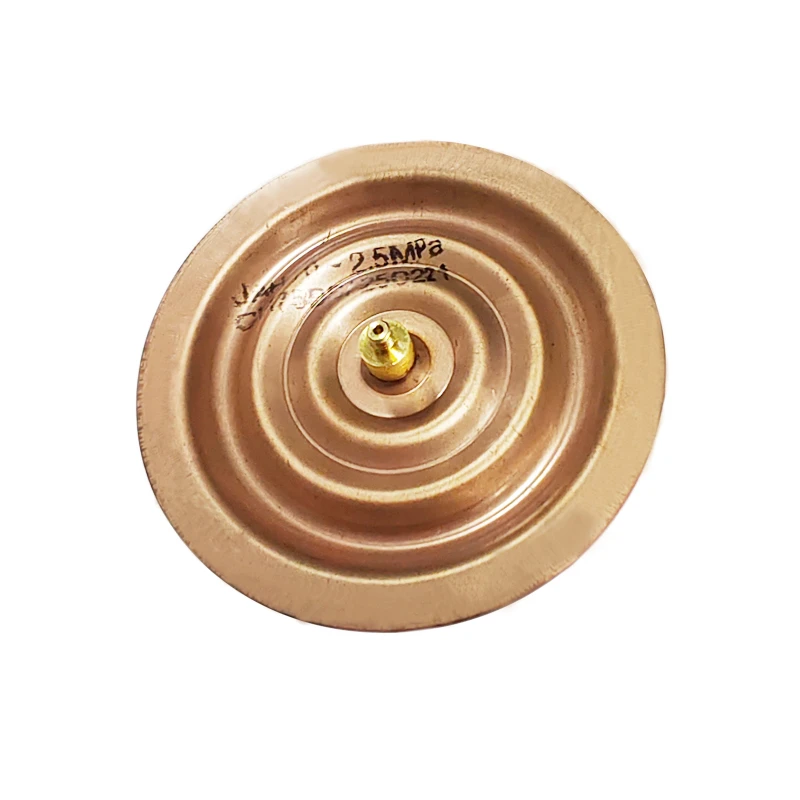
C+H Ø75AS Pressure Diaphragm(PD)-All copper type2.5MPa