


general instruments differential pressure gauge
General Instruments Differential Pressure Gauge
The general instruments differential pressure gauge is a precision instrument designed to measure the difference in pressure between two points in a system. This invaluable tool is widely used in various industries, including HVAC, water treatment, and process control, providing accurate and reliable pressure readings critical to optimizing system performance. Our differential pressure gauges are engineered to meet the highest standards, ensuring durability and accuracy in even the most demanding conditions.
Key Features
- High Accuracy: Provides precise measurements with minimal deviation.
- Robust Construction: Built with high-quality materials to withstand harsh environments.
- Wide Pressure Range: Suitable for diverse applications with varying pressure requirements.
- Easy Installation: User-friendly design allows for straightforward installation and maintenance.
- Clear Readings: Equipped with a large, easy-to-read dial and clear markings for enhanced visibility.
- Temperature Resistance: Functions effectively in high and low-temperature environments.
Technical Specifications
| Specification | Details |
|---|---|
| Model | GIDPG-100 |
| Pressure Range | 0-100 psi |
| Accuracy | ±1% of full scale |
| Dial Size | 100 mm |
| Connection Type | 1/4" NPT |
| Temperature Range | -10°C to 60°C |
| Material | Stainless Steel |
Application Scenarios
The general instruments differential pressure gauge is versatile and can be used in numerous applications, including:
- HVAC Systems: Monitoring airflow and ensuring optimal performance in heating, ventilation, and air conditioning systems.
- Water Treatment: Measuring pressure differences in filtration systems to maintain efficiency and filter life.
- Process Control: Used in various industrial processes to monitor pressure drops across equipment, ensuring consistent operation.
- Boiler Systems: Assessing pressure differences in boiler systems to enhance safety and efficiency.
- Gas and Oil Pipelines: Monitoring pressure changes to ensure safe transportation and distribution.
Advantages
Choosing the general instruments differential pressure gauge offers several advantages:
- Reliability: Designed for long-term use with minimal maintenance, providing dependable performance over time.
- Cost-Effective: Offers a great balance between performance and price, ensuring you get the best value.
- Customizable Options: Available in various configurations to meet specific application requirements.
- Expert Support: Backed by a team of professionals ready to assist with installation and troubleshooting.
Why Choose Us
When it comes to selecting a general instruments differential pressure gauge, we stand out for several reasons:
- Quality Assurance: Our products undergo rigorous testing to meet international standards, ensuring quality and reliability.
- Industry Experience: With years of experience in the field, we have developed a deep understanding of customer needs and industry challenges.
- Customer-Centric Approach: We prioritize customer satisfaction and are committed to providing exceptional service and support.
- Global Reach: Our products are trusted by clients worldwide, demonstrating our capability to serve diverse markets.
FAQ
1. What is a differential pressure gauge?
A differential pressure gauge is an instrument used to measure the difference in pressure between two points in a system. It is essential for monitoring various processes in industrial applications.
2. How do I install a general instruments differential pressure gauge?
Installation is straightforward. Ensure that you follow the manufacturer's guidelines included with the product, including suitable mounting positions and connection methods.
3. What is the typical lifespan of a differential pressure gauge?
With proper maintenance and usage, a general instruments differential pressure gauge can last several years. Regular checks and calibration can help prolong its lifespan.
4. Can I use this gauge for both liquids and gases?
Yes, the general instruments differential pressure gauge is designed to be versatile and can be used for measuring pressure differences in both liquids and gases.
5. What should I do if my gauge is not providing accurate readings?
If you suspect inaccuracies, check for any blockages or leaks in the system. If issues persist, recalibration or replacement may be necessary. Contact our support team for assistance.
Verwant PRODUCTEN
-
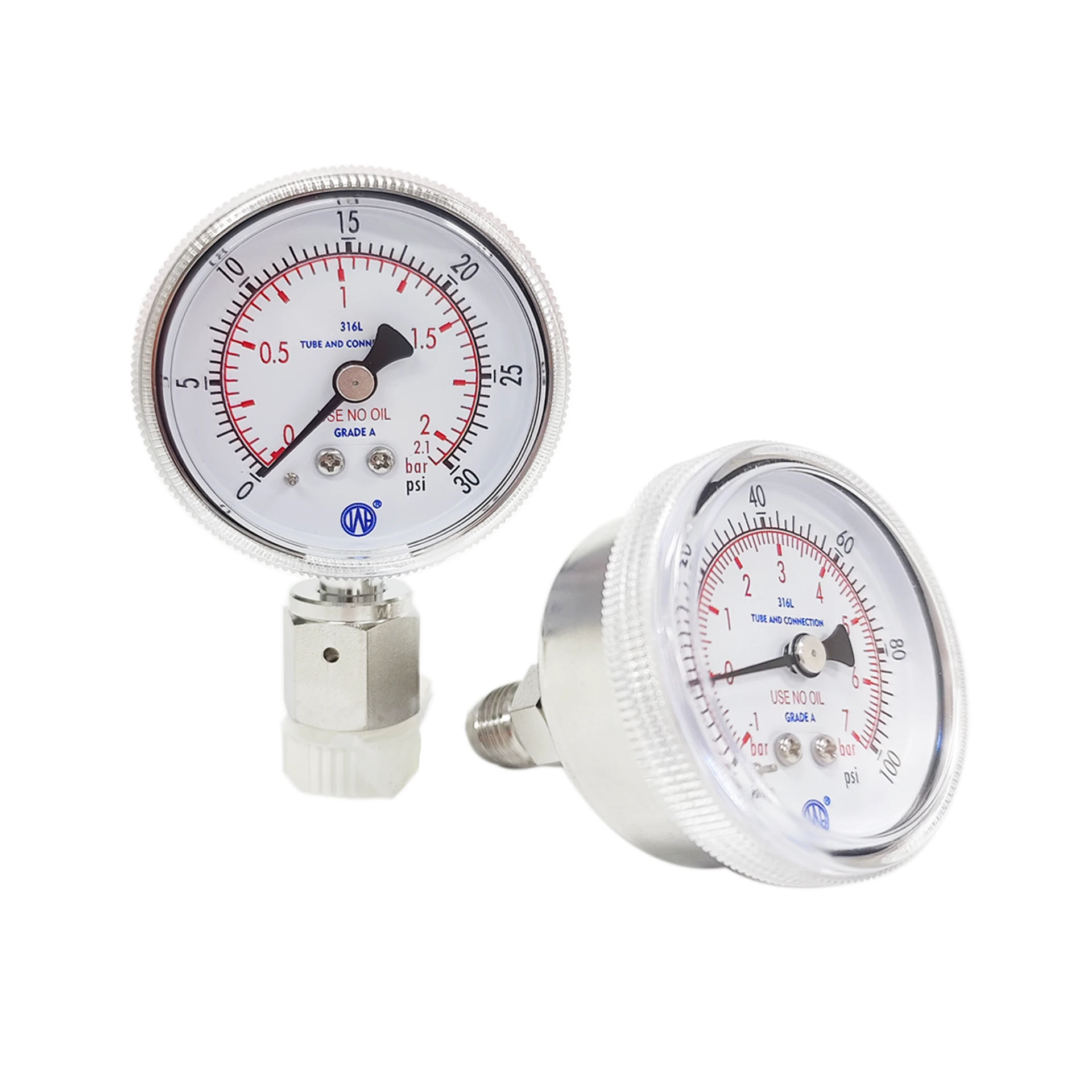
(Ultra)high purity clean pressure gauge-UPG50 / HPG50
-
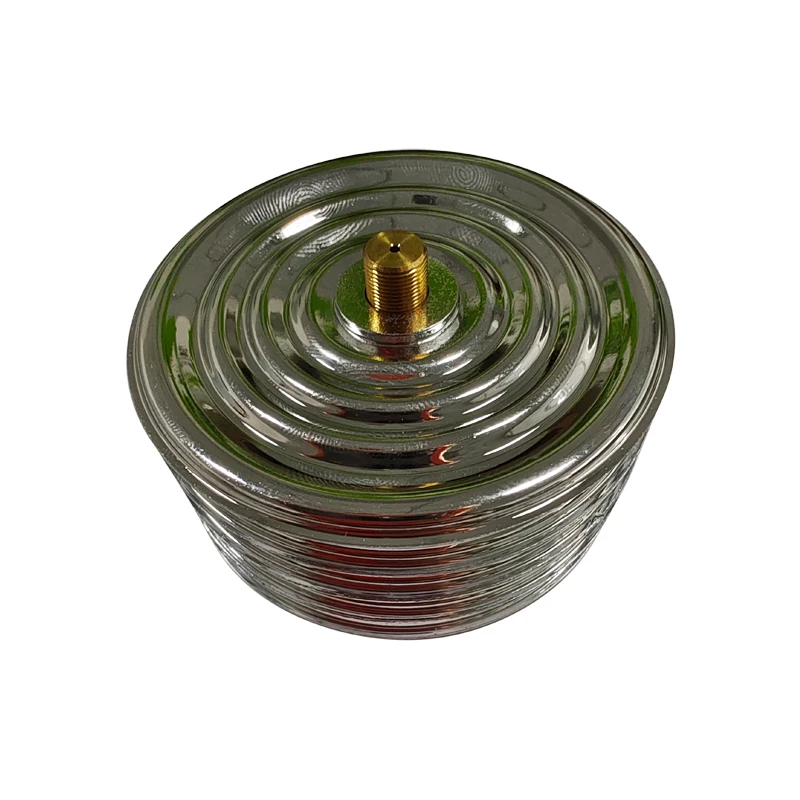
Pressure Diaphragm Capsule-Capsule string-Cube electroplate
-
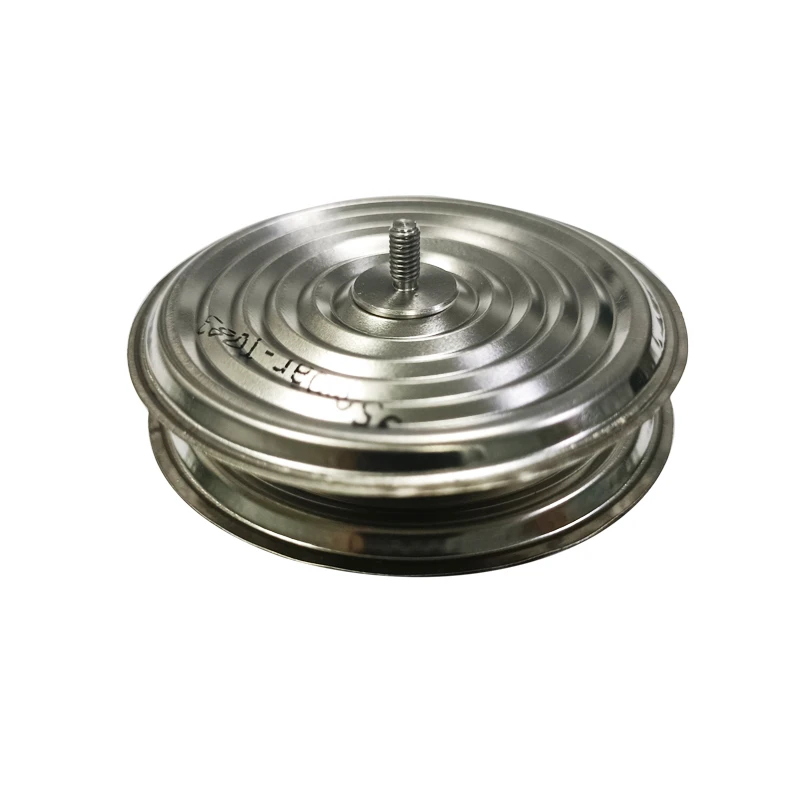
Pressure Diaphragm Capsule-Dual Capsule-316/L SS
-
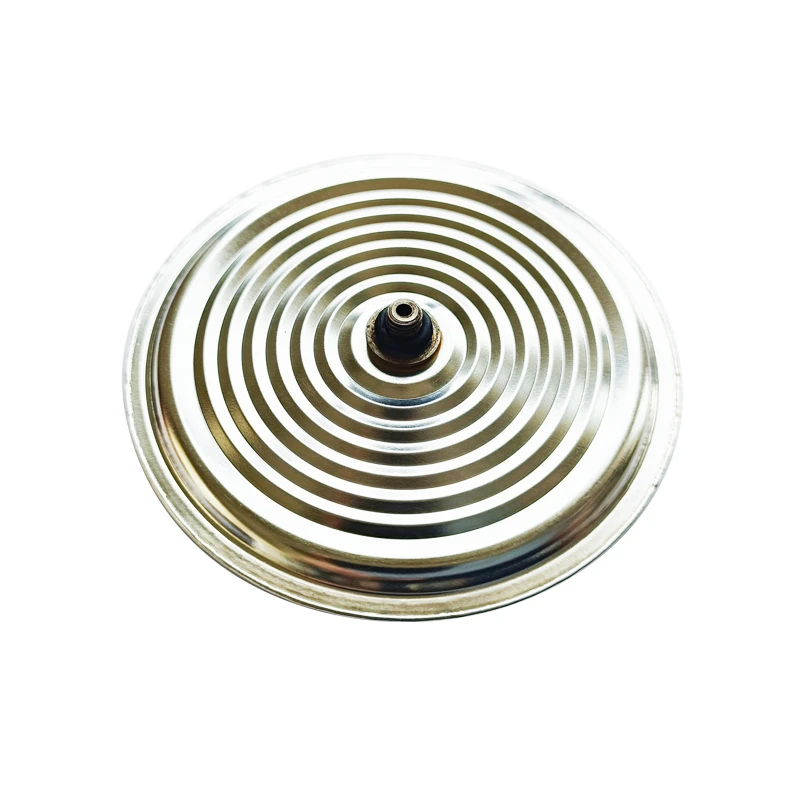
Pressure Diaphragm Capsule(DC)-316 SS-48mm
-
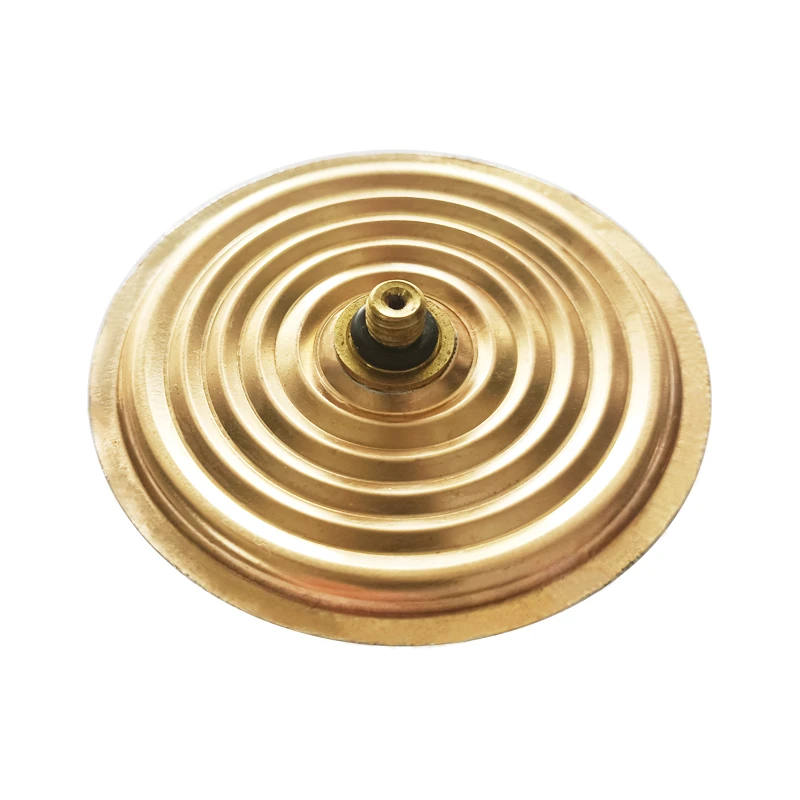
Pressure Diaphragm Capsule(DC)-All copper type-48mm
-
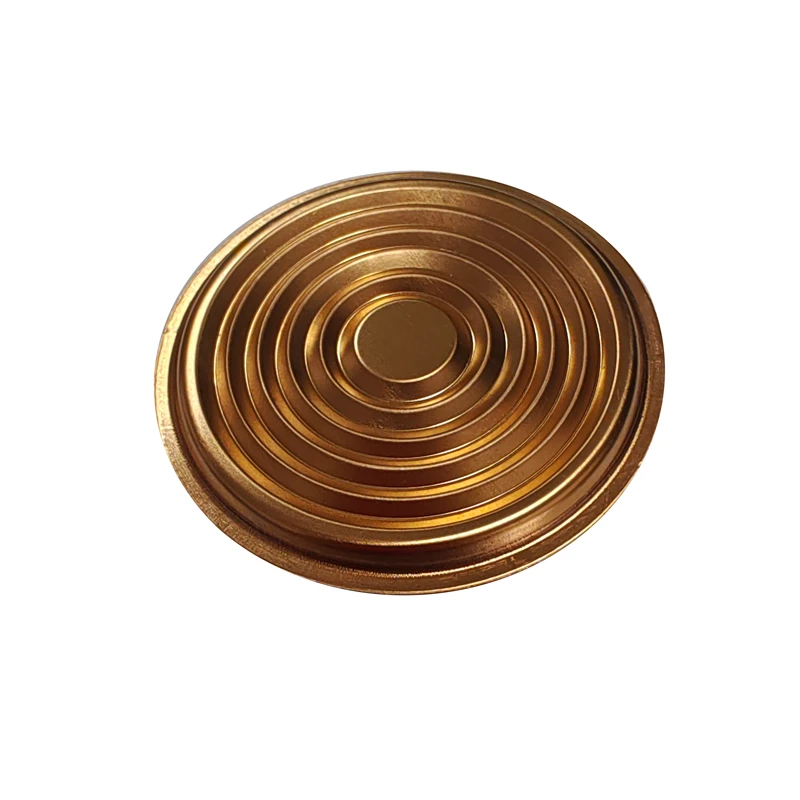
Pressure Single Diaphragm -micropressure-48mm,CuBe2
-
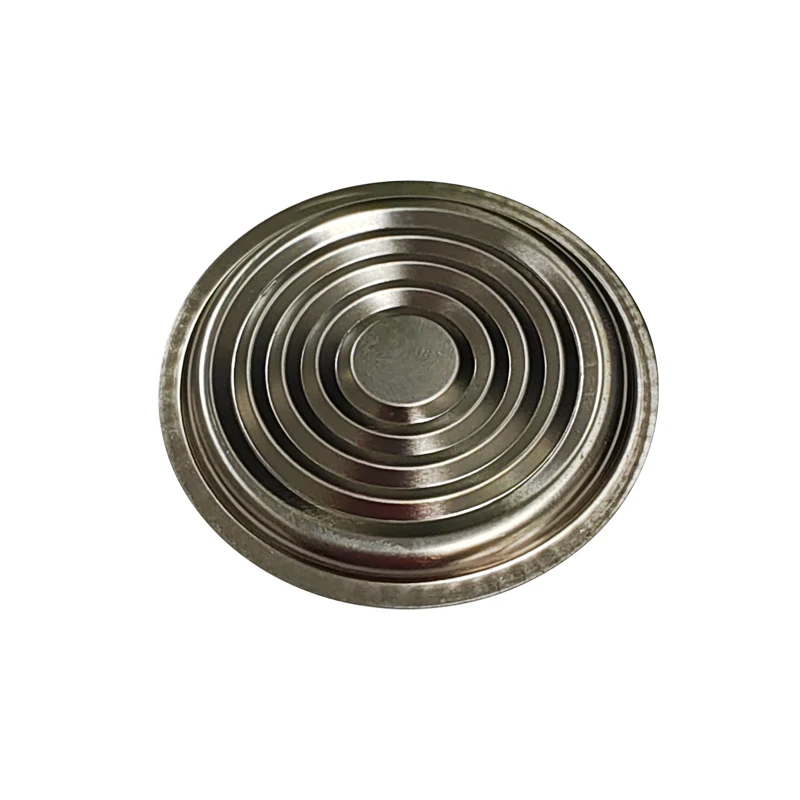
Pressure Single Diaphragm -Corrugated diaphragm-micropressure316/LSS
-
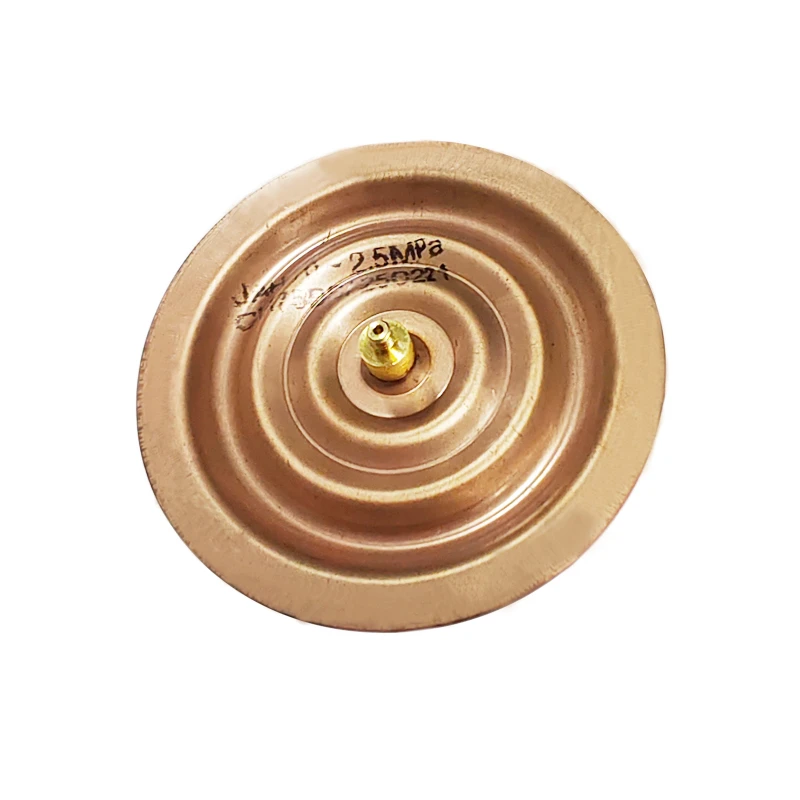
C+H Ø75AS Pressure Diaphragm(PD)-All copper type2.5MPa