


high quality difference between differential and absolute pressure gauges
High Quality Difference Between Differential and Absolute Pressure Gauges
Understanding the high quality difference between differential and absolute pressure gauges is crucial for industries that rely on precise pressure measurement. These gauges play a vital role in various applications, ensuring safety and efficiency. This product page explores the key features, technical specifications, application scenarios, advantages, and more to help you make an informed decision.
Product Overview
Pressure gauges are essential tools in monitoring and controlling pressure in various systems. Differential pressure gauges measure the difference between two pressure points, while absolute pressure gauges measure pressure relative to a perfect vacuum. The high quality difference between differential and absolute pressure gauges lies in their functionality and application. Our state-of-the-art gauges are designed for durability, accuracy, and reliability, making them ideal for a diverse range of industrial settings.
Key Features
- Durable Construction: Built to withstand harsh environments, ensuring longevity and consistent performance.
- High Accuracy: Offers precise measurements, crucial for critical applications.
- Wide Range of Applications: Suitable for various industries including oil and gas, pharmaceuticals, and food processing.
- User-Friendly Interface: Easy to read displays that enhance usability in the field.
- Customizable Options: Available in different sizes and specifications to meet specific requirements.
Technical Specifications
| Specification | Differential Pressure Gauge | Absolute Pressure Gauge |
|---|---|---|
| Measurement Range | 0-100 psi | 0-150 psi |
| Accuracy | ±1% Full Scale | ±0.5% Full Scale |
| Operating Temperature | -40°C to 85°C | -20°C to 70°C |
| Connection Type | 1/2" NPT | 1/4" NPT |
| Material | Stainless Steel | Bronze |
Application Scenarios
The high quality difference between differential and absolute pressure gauges makes them suitable for various applications. Here are some scenarios:
- Oil and Gas: Used for monitoring pressure in pipelines and tanks to ensure safe operations.
- Pharmaceuticals: Critical in maintaining sterile environments by measuring pressure differentials in clean rooms.
- Food Processing: Ensures proper pressure levels in systems to maintain product quality and safety.
- Aerospace: Applied in testing and monitoring systems where precise pressure readings are vital.
- HVAC Systems: Utilized to ensure optimal performance and efficiency in heating and cooling systems.
Advantages
Investing in high quality differential and absolute pressure gauges offers numerous advantages:
- Enhanced Safety: Accurate pressure readings prevent accidents and equipment failures.
- Cost-Effective: Durable construction reduces the need for frequent replacements, saving money in the long run.
- Improved Efficiency: Precise measurements enhance operational efficiency and product quality.
- Versatility: Suitable for a wide array of industries, providing flexibility for various applications.
- Expert Support: Our knowledgeable team is ready to assist with any inquiries or technical support.
Why Choose Us
When it comes to the high quality difference between differential and absolute pressure gauges, we stand out as a reliable supplier. Our commitment to quality and customer satisfaction is unparalleled. Here’s why you should choose us:
- Industry Expertise: Our team has years of experience in pressure measurement technologies.
- Quality Assurance: Each product undergoes rigorous testing to ensure top performance standards.
- Global Reach: We cater to clients worldwide, adapting to diverse industrial needs.
- Innovative Solutions: Our research and development team is dedicated to continuous improvement and innovation.
- Comprehensive Support: We provide extensive support before, during, and after the purchase process.
FAQ
1. What is the main difference between differential and absolute pressure gauges?
The primary difference lies in their measurement reference points. Differential pressure gauges measure the difference between two pressures, while absolute pressure gauges measure pressure relative to a vacuum.
2. In what applications should I use a differential pressure gauge?
Differential pressure gauges are commonly used in applications where measuring the pressure drop across filters, pumps, or heat exchangers is crucial for system performance.
3. Can absolute pressure gauges be used in vacuum applications?
Yes, absolute pressure gauges are ideal for vacuum applications as they measure pressure relative to a perfect vacuum, providing accurate readings.
4. How do I choose the right pressure gauge for my application?
Consider factors such as the measurement range, accuracy, operating conditions, and specific industry requirements to select the most suitable gauge for your needs.
5. What kind of maintenance do these gauges require?
Regular calibration and inspection are recommended to ensure continued accuracy and performance. It's also essential to check for any signs of wear or damage.
Verwant PRODUCTEN
-
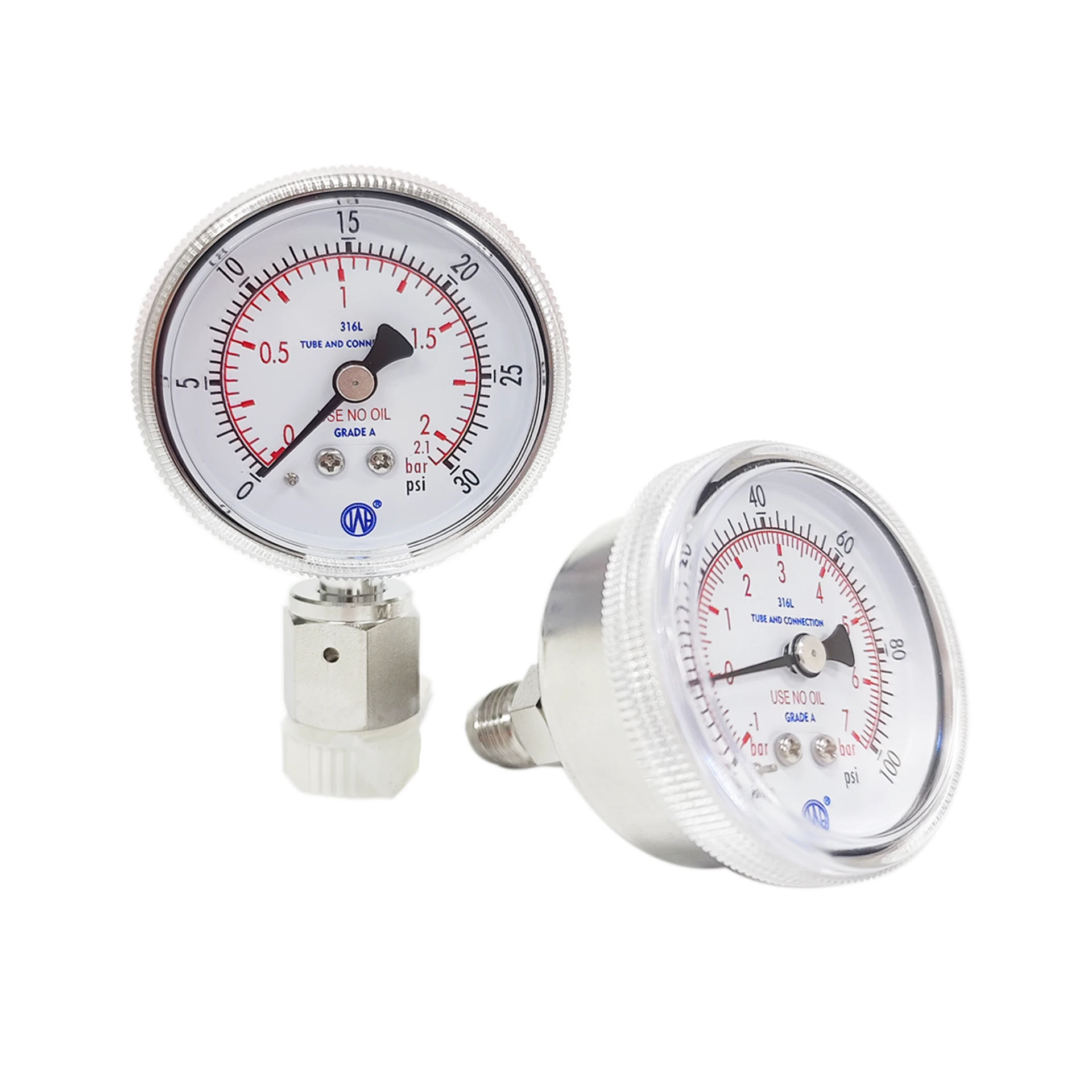
(Ultra)high purity clean pressure gauge-UPG50 / HPG50
-
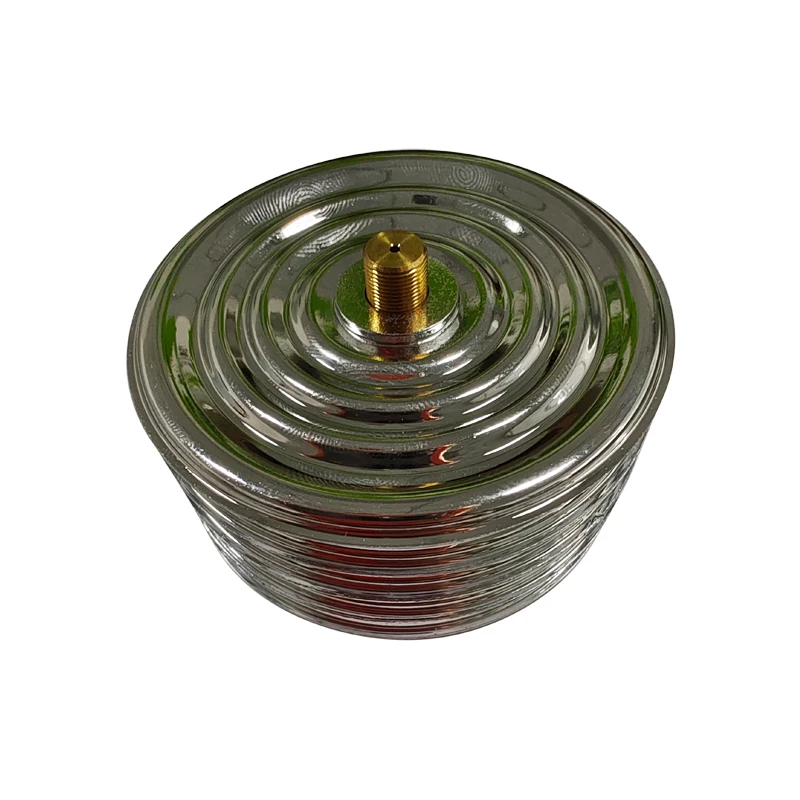
Pressure Diaphragm Capsule-Capsule string-Cube electroplate
-
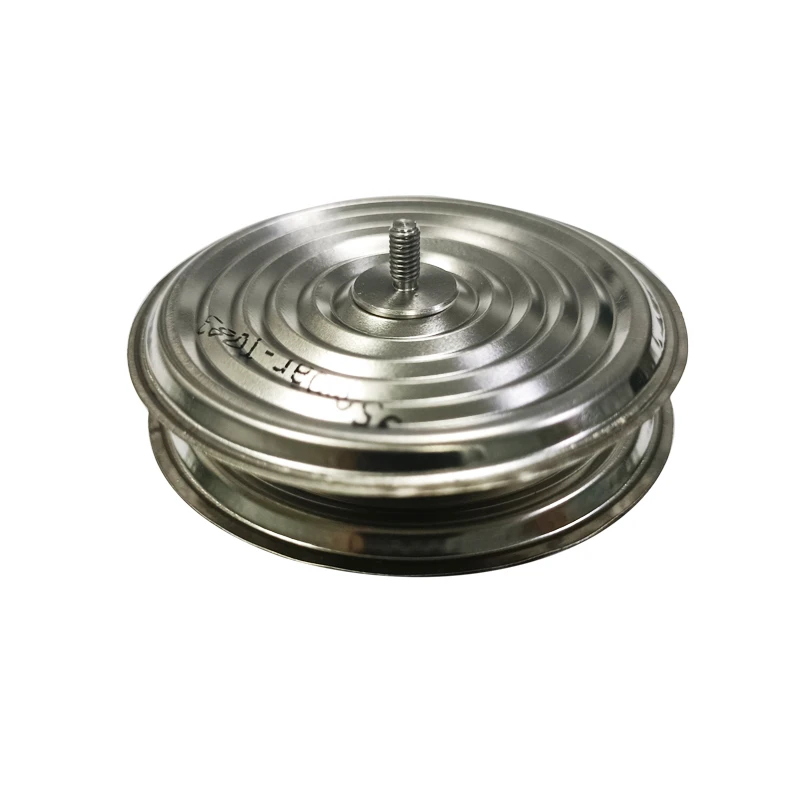
Pressure Diaphragm Capsule-Dual Capsule-316/L SS
-
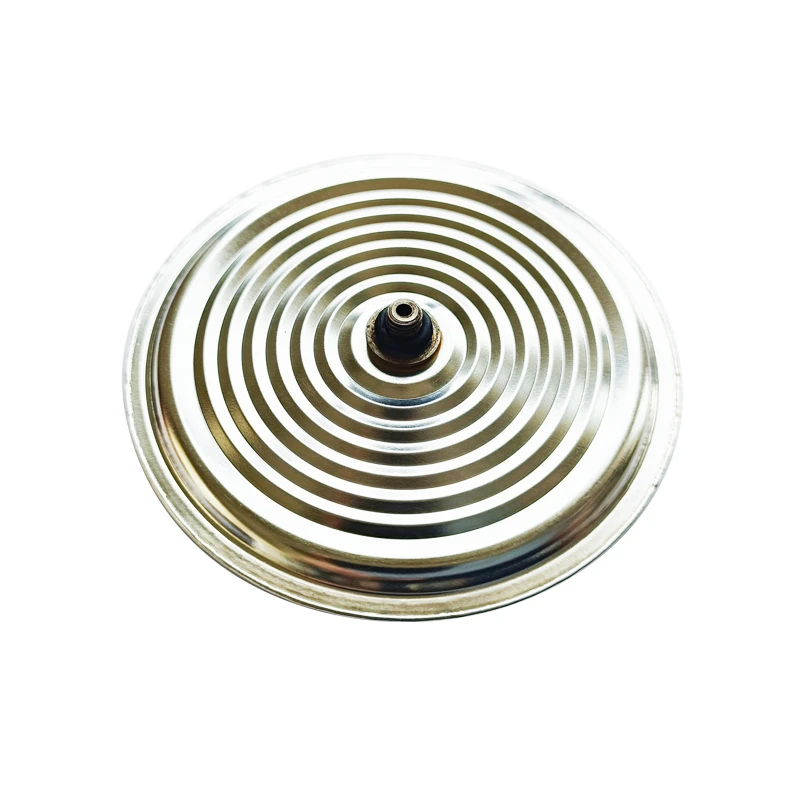
Pressure Diaphragm Capsule(DC)-316 SS-48mm
-
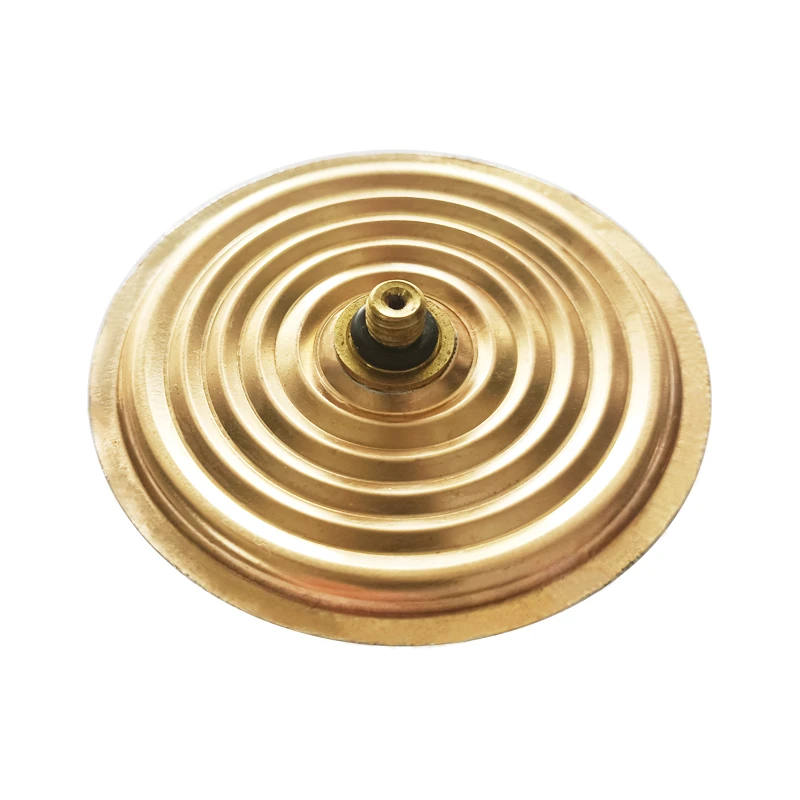
Pressure Diaphragm Capsule(DC)-All copper type-48mm
-
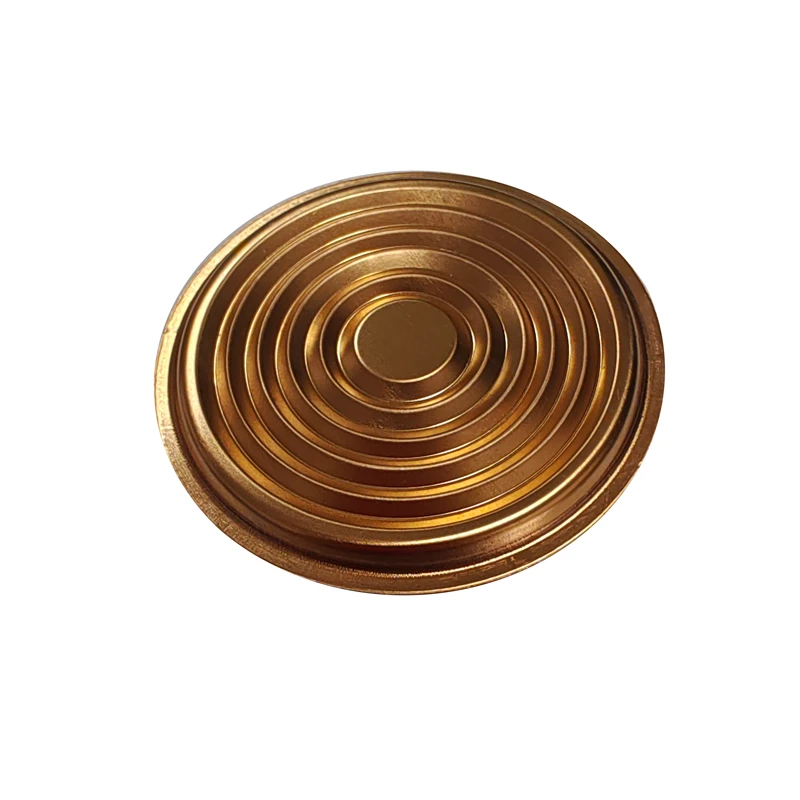
Pressure Single Diaphragm -micropressure-48mm,CuBe2
-
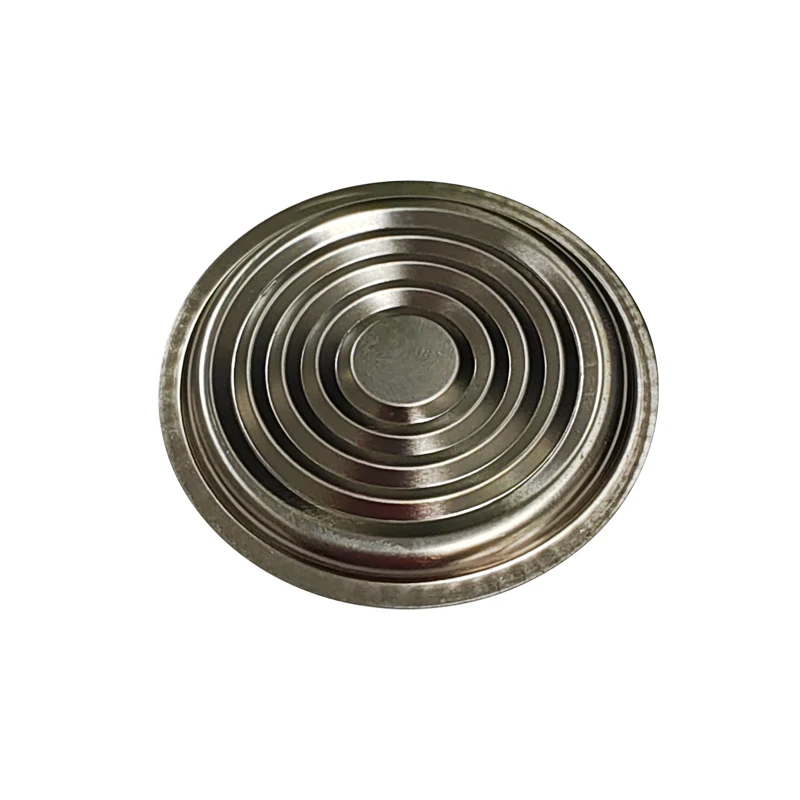
Pressure Single Diaphragm -Corrugated diaphragm-micropressure316/LSS
-
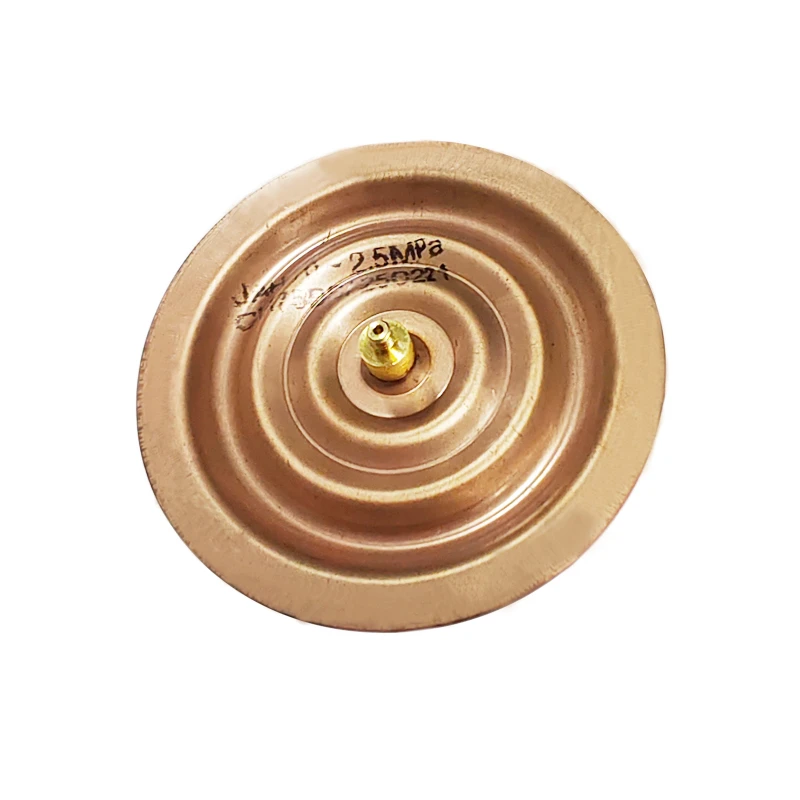
C+H Ø75AS Pressure Diaphragm(PD)-All copper type2.5MPa