


inline fire hose pressure gauge
Inline Fire Hose Pressure Gauge
The inline fire hose pressure gauge is an essential tool for monitoring water pressure in fire protection systems, ensuring optimal performance and safety. Designed specifically for use with fire hoses, this gauge provides accurate readings of pressure levels, allowing fire safety professionals to make informed decisions during emergency situations. With its robust construction and user-friendly design, the inline fire hose pressure gauge is a reliable choice for any fire safety application.
Key Features
- High Accuracy: Provides precise pressure readings, critical for effective firefighting.
- Durable Construction: Made from high-quality materials to withstand harsh environments.
- Easy Installation: Designed for quick and hassle-free installation on standard fire hoses.
- Wide Pressure Range: Capable of measuring a broad range of pressures suitable for various applications.
- Clear Display: Features a large, easy-to-read dial for quick assessments.
- Corrosion Resistant: Built to resist damage from water and chemicals commonly found in fire suppression scenarios.
Technical Specifications
| Specification | Details |
|---|---|
| Model | IFG-1000 |
| Pressure Range | 0-300 PSI |
| Dial Size | 4 inches |
| Connection Size | 2.5 inches NST |
| Material | Brass housing, Polycarbonate lens |
| Weight | 1.5 lbs |
| Operating Temperature | -40°F to 140°F |
Application Scenarios
The inline fire hose pressure gauge is versatile and can be utilized in various scenarios including:
- Fire Departments: Essential for monitoring hose pressure during firefighting operations.
- Industrial Facilities: Used in warehouses and manufacturing plants with fire suppression systems.
- Commercial Buildings: Vital for maintaining pressure in fire protection systems in high-rise buildings.
- Construction Sites: Helps ensure fire hoses used in construction meet safety standards.
- Emergency Services: A crucial tool for rescue teams in assessing water flow and pressure.
Advantages
Choosing our inline fire hose pressure gauge comes with numerous benefits:
- Enhanced Safety: Accurate pressure readings help prevent failures in fire suppression systems.
- Cost-Effective: Durable design reduces replacement costs and downtime.
- Improved Efficiency: Quick and easy readings allow for faster response times in emergencies.
- Reliable Performance: Designed to perform under pressure, ensuring consistent accuracy even in demanding conditions.
- Expert Support: Backed by knowledgeable customer service ready to assist with any inquiries.
Why Choose Us
When it comes to fire safety equipment, we are a trusted leader in the industry. Here are a few reasons to choose our inline fire hose pressure gauge:
- Quality Assurance: Our products are manufactured following stringent quality control measures, ensuring reliability and performance.
- Innovative Design: We invest in research and development to bring the latest technology to our products.
- Comprehensive Warranty: Our inline fire hose pressure gauge comes with a warranty that covers defects and ensures peace of mind.
- Global Shipping: We offer international shipping options, making our products accessible worldwide.
- Customer-Centric Approach: We prioritize customer satisfaction and are committed to providing exceptional service.
FAQ
1. How do I install the inline fire hose pressure gauge?
The inline fire hose pressure gauge is designed for easy installation. Simply connect it to the fire hose using the 2.5 inches NST connection. Ensure all fittings are secure to avoid leaks.
2. Can the gauge be used in extreme temperatures?
Yes, the inline fire hose pressure gauge operates effectively within a temperature range of -40°F to 140°F, making it suitable for various environments.
3. What maintenance is required for the pressure gauge?
Regularly inspect the gauge for any signs of wear or damage. It is also advisable to calibrate the gauge periodically to ensure accuracy.
4. Is the gauge resistant to corrosion?
Yes, the inline fire hose pressure gauge features corrosion-resistant materials, ensuring longevity even in moist or chemical environments.
5. What should I do if the gauge shows an inaccurate reading?
If you notice an inaccurate reading, check the connections for leaks or blockages. If issues persist, consider recalibrating or replacing the gauge.
Verwant PRODUCTEN
-
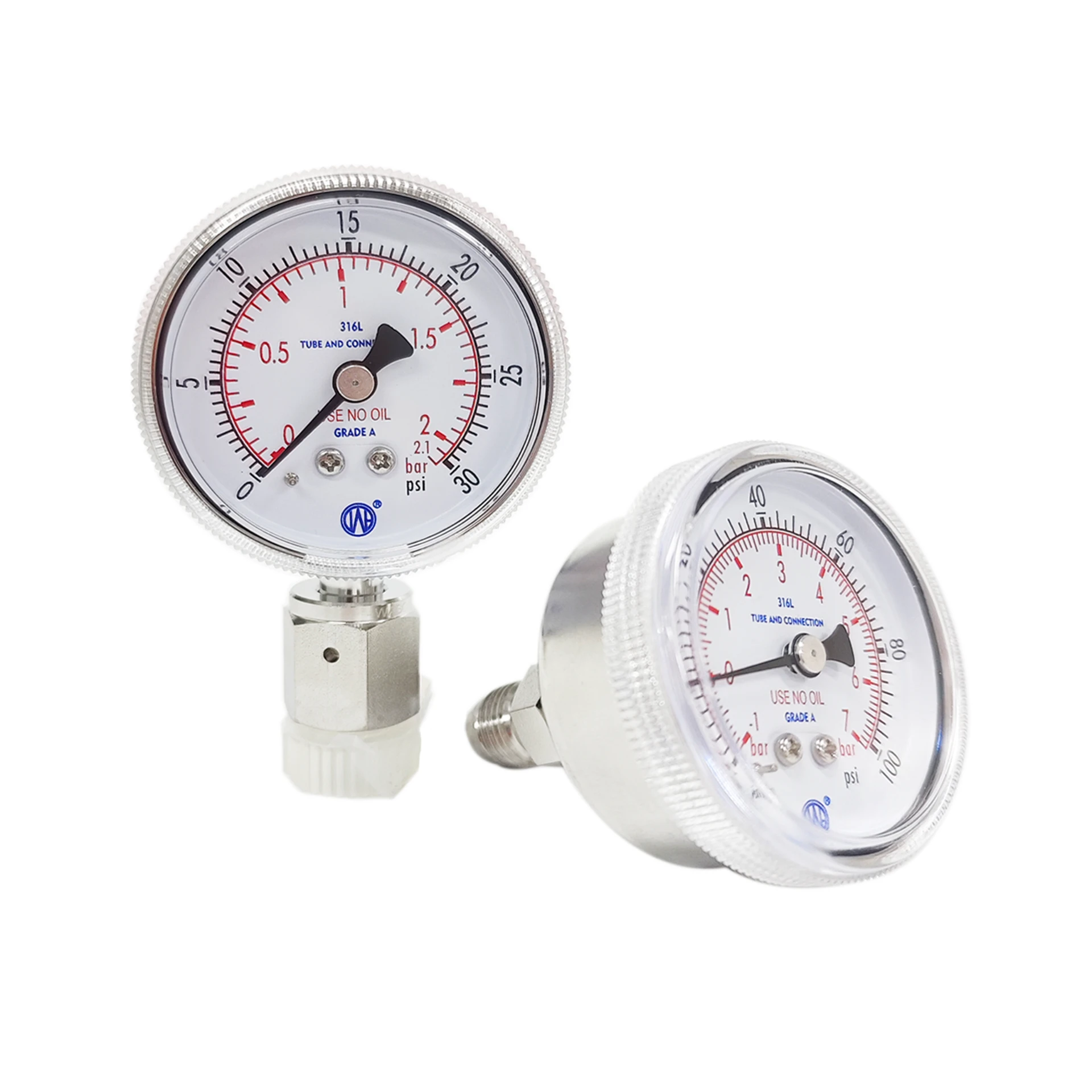
(Ultra)high purity clean pressure gauge-UPG50 / HPG50
-
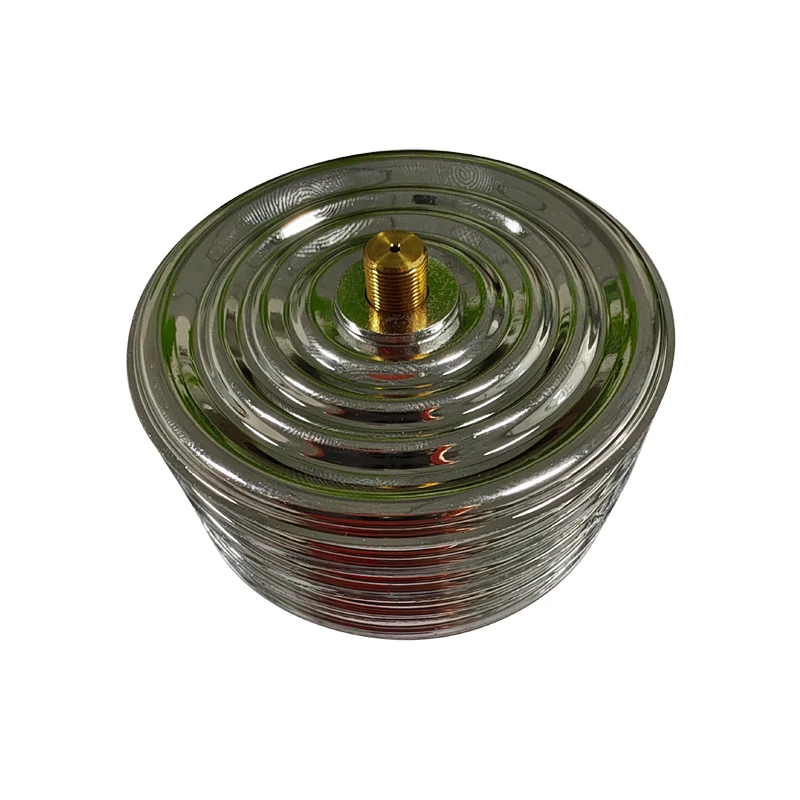
Pressure Diaphragm Capsule-Capsule string-Cube electroplate
-
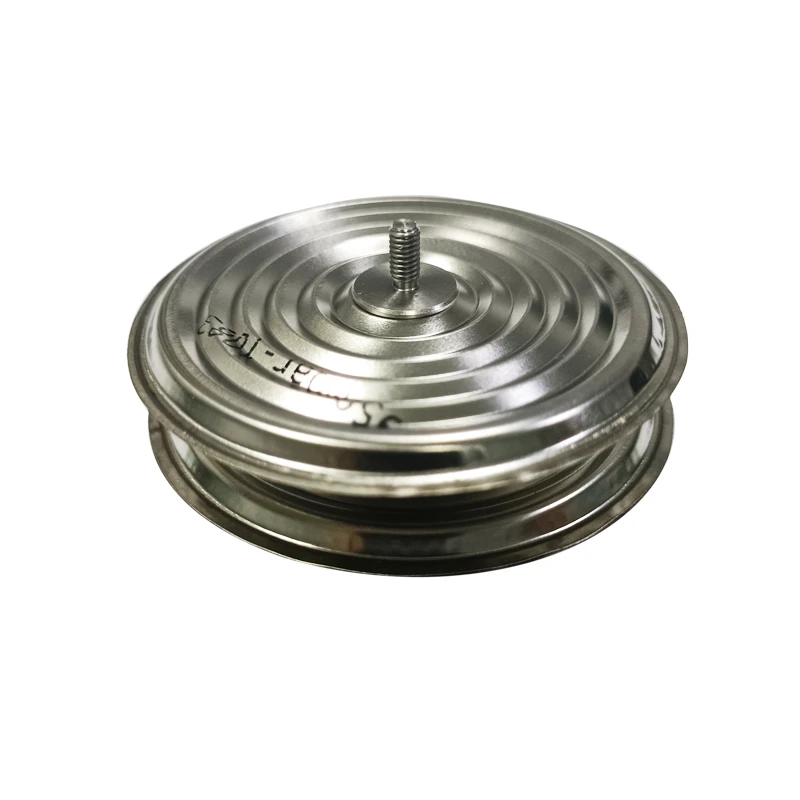
Pressure Diaphragm Capsule-Dual Capsule-316/L SS
-
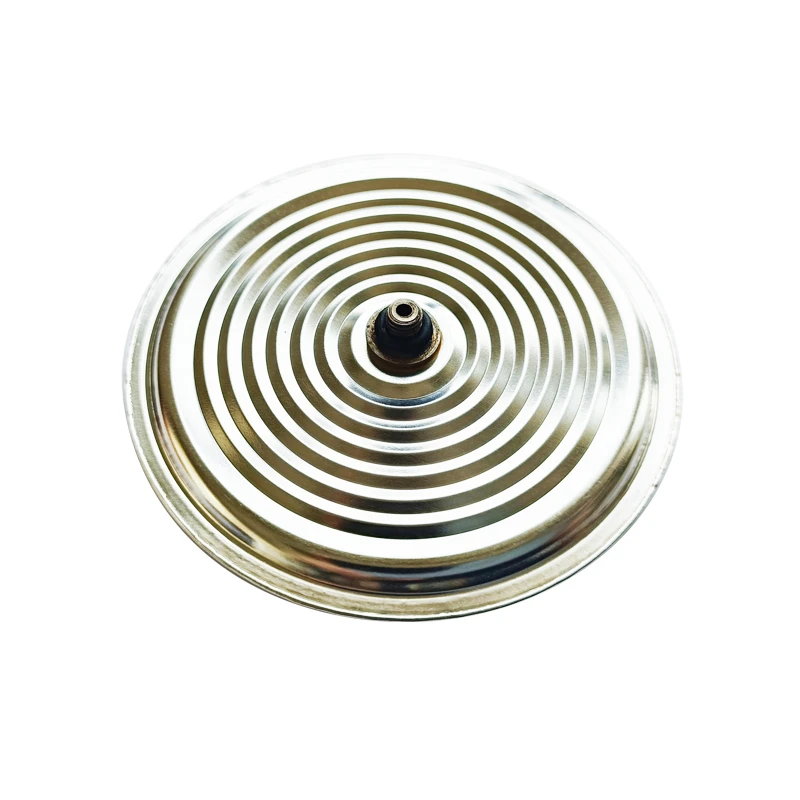
Pressure Diaphragm Capsule(DC)-316 SS-48mm
-
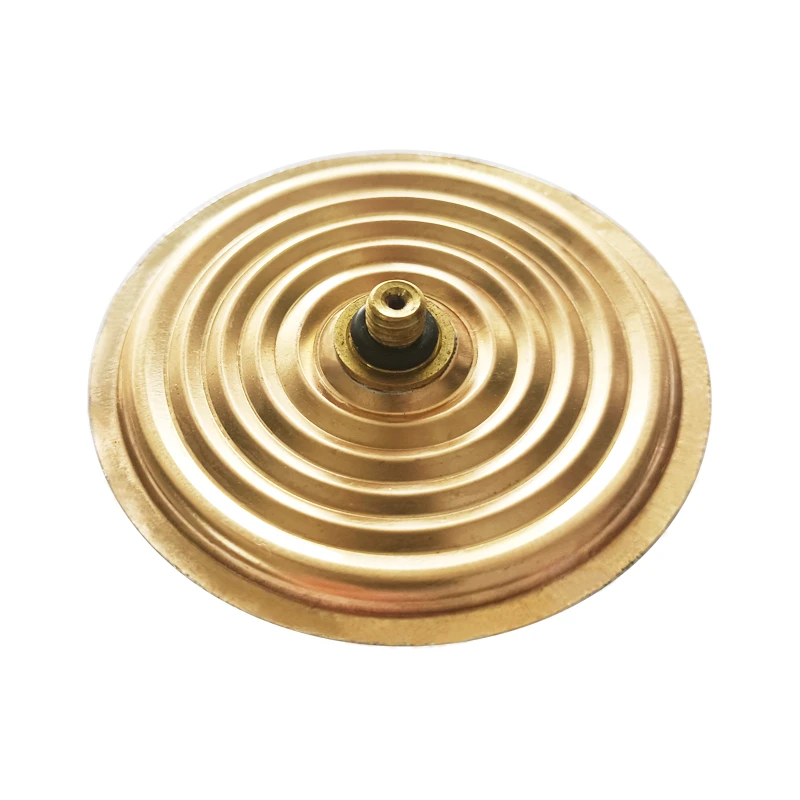
Pressure Diaphragm Capsule(DC)-All copper type-48mm
-
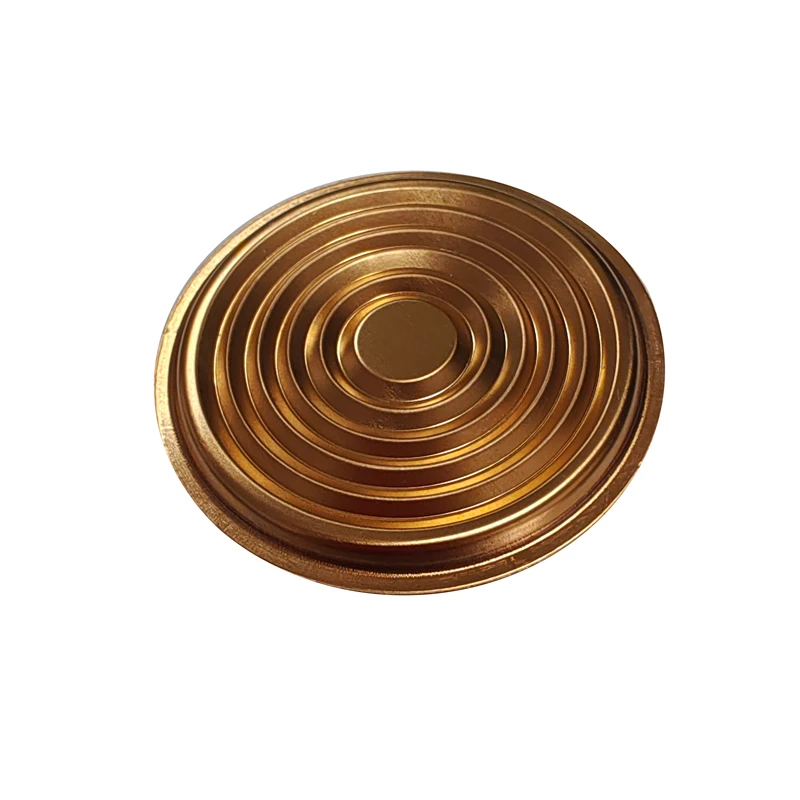
Pressure Single Diaphragm -micropressure-48mm,CuBe2
-
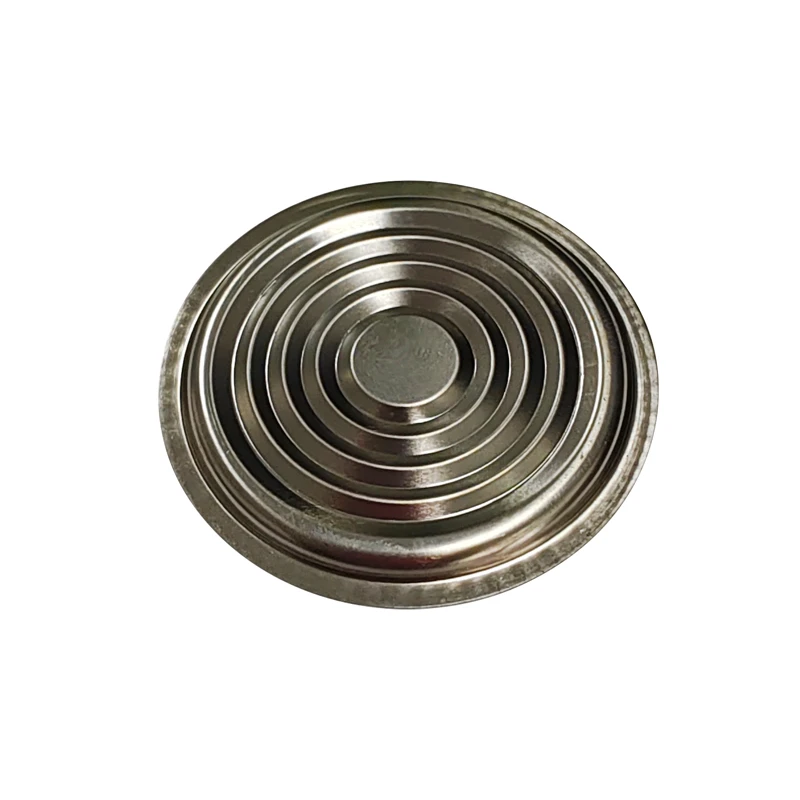
Pressure Single Diaphragm -Corrugated diaphragm-micropressure316/LSS
-
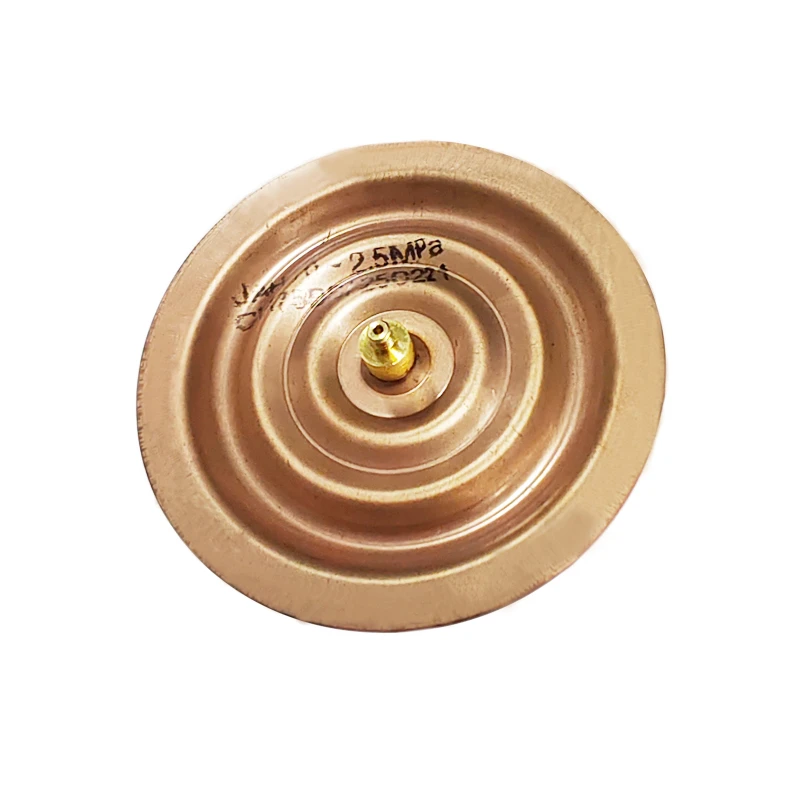
C+H Ø75AS Pressure Diaphragm(PD)-All copper type2.5MPa
 English
  Arabic
  China
China  China (Taiwan)
  Danish
  Dutch
Dutch  French
  German
  Greek
Greek  Hindi
Hindi  Indonesian
  Italian
  Japanese
  Korean
  Latin
Latin  Polish
  Portuguese
  Russian
  Spanish
  Turkish