


low pressure diaphragm pressure gauges
Low Pressure Diaphragm Pressure Gauges
Our low pressure diaphragm pressure gauges are precision instruments designed to measure and display low pressure levels in various industrial applications. Engineered for accuracy and reliability, these gauges provide essential data for monitoring and controlling processes that require careful pressure regulation. With a robust construction and advanced technology, our low pressure diaphragm pressure gauges ensure optimal performance in demanding environments.
Key Features
- High Accuracy: Achieve precise pressure readings with minimal deviation.
- Durable Construction: Built with high-quality materials to withstand harsh conditions.
- Wide Range of Applications: Suitable for various industries including water treatment, food processing, and chemical manufacturing.
- Easy Installation: Designed for straightforward mounting and integration into existing systems.
- Low Maintenance: Reliable performance with minimal upkeep required.
Technical Specifications
| Specification | Details |
|---|---|
| Pressure Range | 0-0.6 MPa (0-87 psi) |
| Accuracy Class | ±1.0% of Full Scale |
| Material | Stainless Steel & Brass |
| Dial Size | 63 mm, 100 mm, 150 mm |
| Connection Type | 1/4" NPT, 1/2" NPT |
| Temperature Range | -20°C to +60°C (-4°F to +140°F) |
Application Scenarios
The low pressure diaphragm pressure gauges are versatile and can be utilized in a variety of settings:
- Water Treatment Plants: Monitoring pressure in filtration systems.
- Food and Beverage Industry: Ensuring consistent pressure in processing systems.
- Chemical Manufacturing: Measuring low pressure in reactors and storage tanks.
- HVAC Systems: Monitoring pressure in heating and cooling applications.
- Pharmaceutical Industry: Ensuring compliance with stringent pressure standards in production.
Advantages
Choosing our low pressure diaphragm pressure gauges offers several key advantages:
- Enhanced Safety: Accurate pressure readings reduce the risk of overpressure situations, ensuring safe operations.
- Cost-Effective: Durable design minimizes replacement costs and extends service life.
- Versatility: Applicable in multiple industries, catering to a range of pressure measurement needs.
- High Sensitivity: Capable of detecting even the smallest pressure changes, critical for sensitive applications.
- Excellent Customer Support: Our team provides comprehensive support and guidance for installation and maintenance.
Why Choose Us
Our company is dedicated to providing high-quality low pressure diaphragm pressure gauges that meet international standards. Here’s why you should consider us:
- Expertise: Over 20 years of experience in pressure measurement technology.
- Quality Assurance: Rigorous testing and quality control processes ensure the reliability of our products.
- Customization: We offer tailored solutions to meet specific industry requirements.
- Global Reach: Servicing clients across various countries, adapting to local standards and regulations.
- Commitment to Innovation: Continuous investment in R&D to enhance product performance and introduce new technologies.
FAQ
What is a low pressure diaphragm pressure gauge?
A low pressure diaphragm pressure gauge is an instrument used to measure low pressure levels, utilizing a diaphragm that deforms under pressure to provide accurate readings.
What industries utilize low pressure diaphragm pressure gauges?
These gauges are widely used in industries such as water treatment, food processing, chemical manufacturing, HVAC, and pharmaceuticals.
How do I choose the right pressure range for my application?
Selecting the appropriate pressure range depends on the specific requirements of your application. Consult with our technical team for guidance based on your operational needs.
Can these gauges be customized?
Yes, we offer customization options to meet the unique specifications and requirements of your industry.
What maintenance is required for low pressure diaphragm pressure gauges?
Our low pressure diaphragm pressure gauges are designed for low maintenance. Regular inspections and calibration checks are recommended to ensure optimal performance.
Verwant PRODUCTEN
-
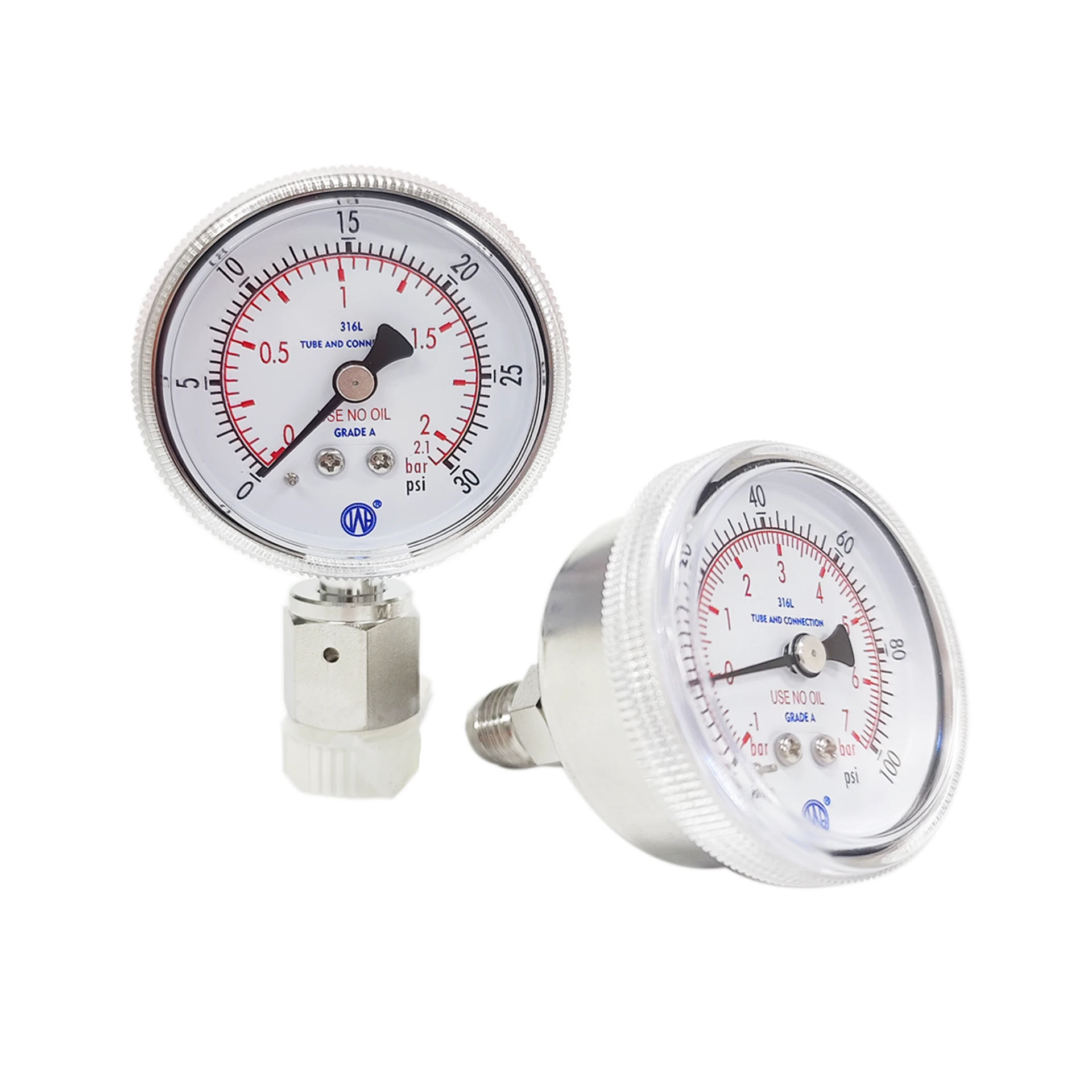
(Ultra)high purity clean pressure gauge-UPG50 / HPG50
-
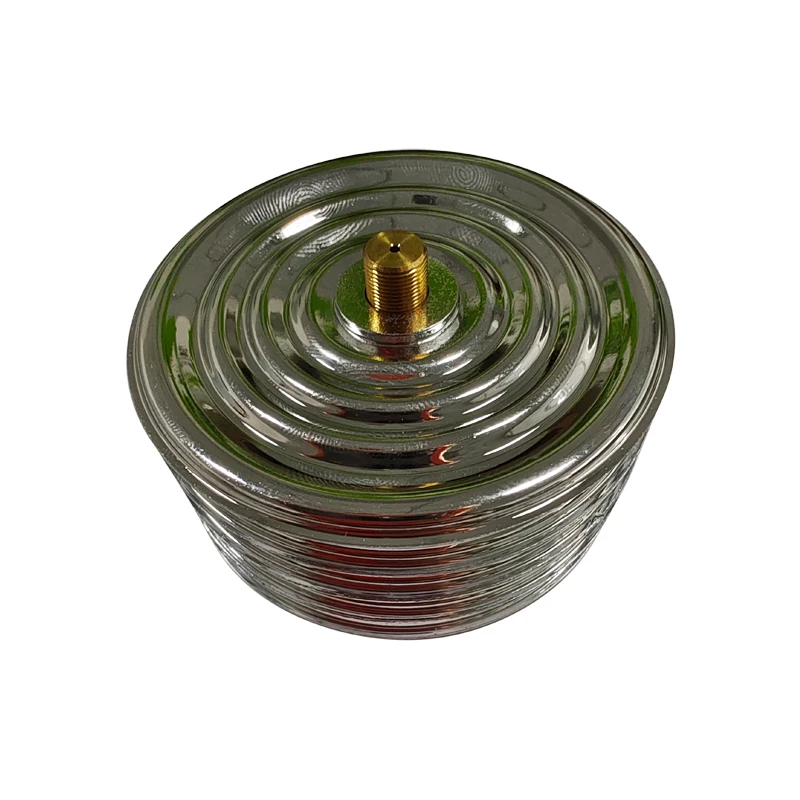
Pressure Diaphragm Capsule-Capsule string-Cube electroplate
-
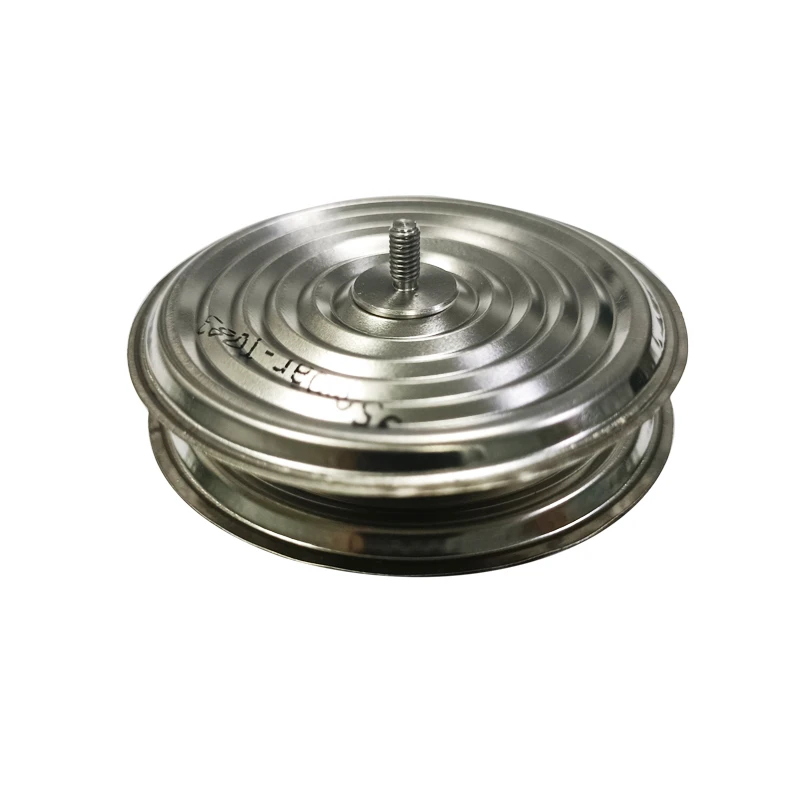
Pressure Diaphragm Capsule-Dual Capsule-316/L SS
-
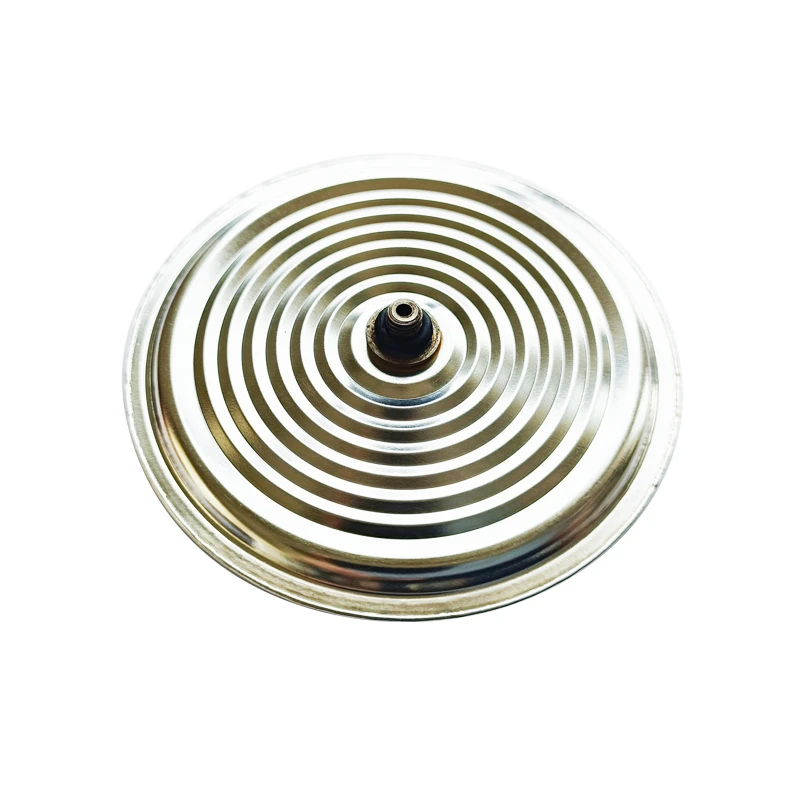
Pressure Diaphragm Capsule(DC)-316 SS-48mm
-
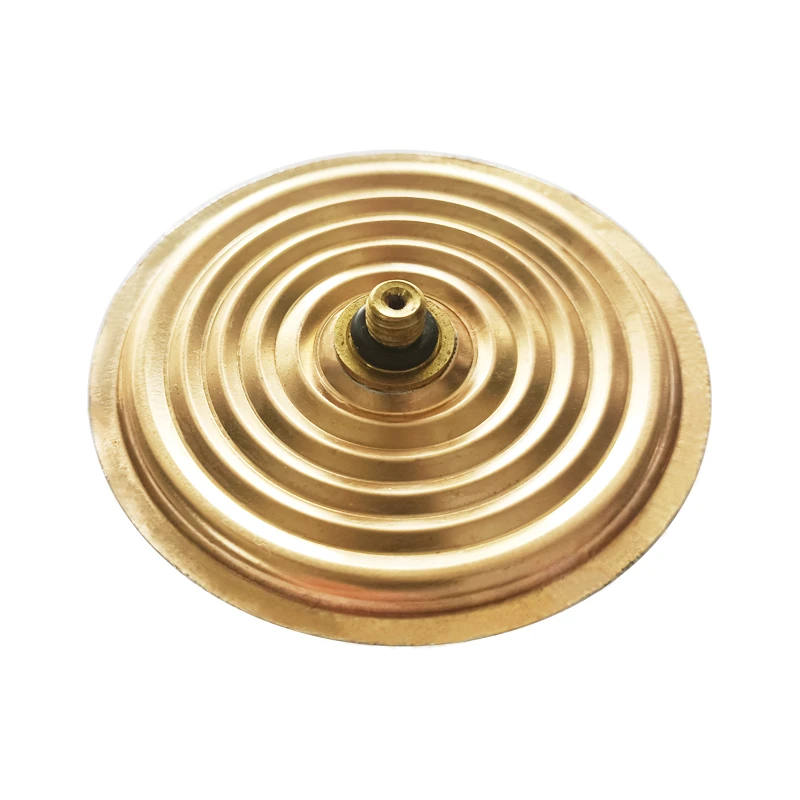
Pressure Diaphragm Capsule(DC)-All copper type-48mm
-
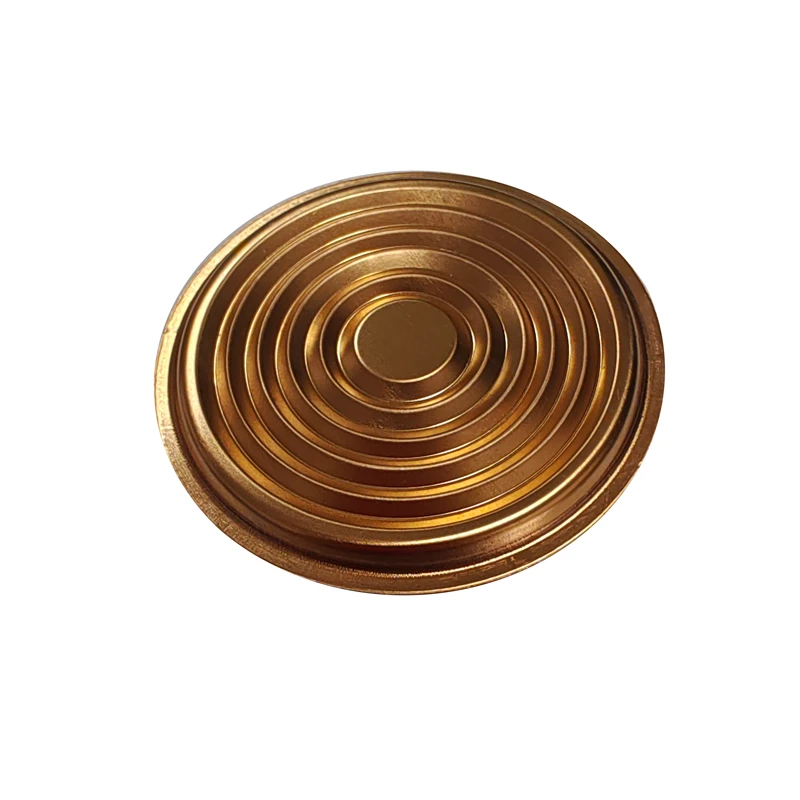
Pressure Single Diaphragm -micropressure-48mm,CuBe2
-
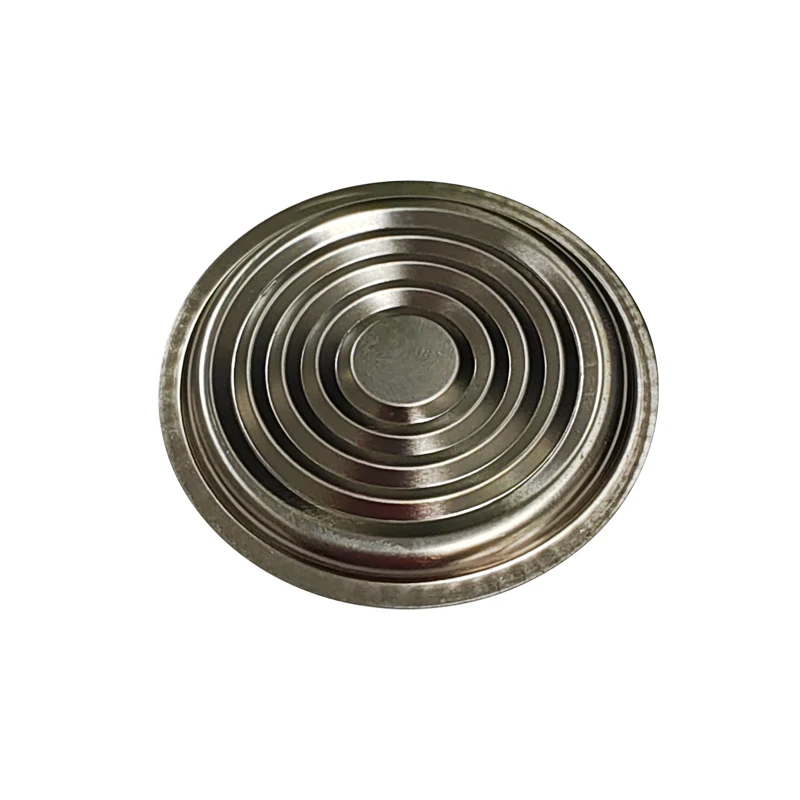
Pressure Single Diaphragm -Corrugated diaphragm-micropressure316/LSS
-
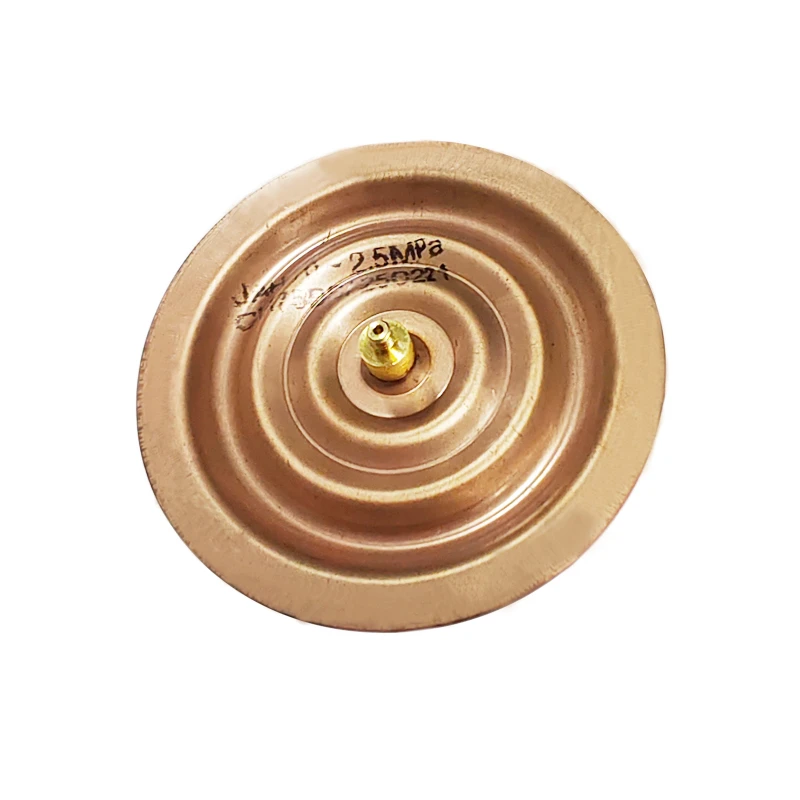
C+H Ø75AS Pressure Diaphragm(PD)-All copper type2.5MPa