


low pressure differential pressure gauge
Low Pressure Differential Pressure Gauge
The low pressure differential pressure gauge is an essential instrument for measuring differential pressure in various industrial applications. Designed for precise and reliable performance, this gauge is ideal for monitoring low-pressure systems, ensuring optimal operation and safety across a range of sectors, including HVAC, petrochemical, and food processing. With its robust construction and advanced technological features, our low pressure differential pressure gauge stands out as a trusted solution for professionals demanding accuracy and durability.
Key Features
- High Accuracy: Provides precise measurements with minimal deviation, crucial for maintaining optimal system performance.
- Wide Measurement Range: Suitable for a variety of low-pressure applications, accommodating a broad spectrum of operational needs.
- Durable Construction: Built with high-quality materials to withstand harsh environments and ensure longevity.
- Easy Installation: User-friendly design allows for quick and straightforward setup, minimizing downtime.
- Versatile Applications: Ideal for HVAC systems, filtration monitoring, and various industrial processes, enhancing its utility.
Technical Specifications
| Specification | Details |
|---|---|
| Pressure Range | 0-100 in H2O |
| Accuracy | ±1% of Full Scale |
| Temperature Range | -20°C to 80°C |
| Material | Stainless Steel |
| Connection Type | 1/4" NPT |
| Display | Analog Dial with Clear Markings |
Application Scenarios
The low pressure differential pressure gauge is versatile and can be utilized in numerous settings, including:
- HVAC Systems: Monitoring air pressure differences to optimize heating, ventilation, and air conditioning performance.
- Filtration Systems: Ensuring that filters are functioning correctly by measuring pressure drop across filter media.
- Pneumatic Systems: Monitoring the performance of pneumatic equipment, ensuring efficient operation.
- Clean Room Environments: Maintaining proper pressure differentials to prevent contamination in sensitive areas.
- Food Processing: Ensuring the safety and quality of food products by monitoring pressure in processing and packaging systems.
Advantages
The adoption of our low pressure differential pressure gauge offers several significant advantages:
- Enhanced Safety: By providing accurate pressure readings, the gauge helps prevent dangerous overpressure situations.
- Cost-Effective: Reliable performance reduces maintenance and operational costs over time.
- Improved Efficiency: Optimal pressure monitoring allows for better control of processes, leading to increased productivity.
- Ease of Use: The intuitive design ensures that even personnel with minimal training can operate the gauge effectively.
- Customizable Options: Available in various configurations to meet specific application requirements.
Why Choose Us
When it comes to selecting a low pressure differential pressure gauge, we pride ourselves on being a leader in the industry. Here’s why:
- Expertise: With years of experience in industrial instrumentation, we understand the unique needs of our clients.
- Quality Assurance: Our products undergo rigorous testing to ensure they meet the highest industry standards for quality and performance.
- Customer Support: We provide comprehensive support, from pre-purchase consultation to after-sales service, ensuring you have the assistance you need.
- Global Reach: Our products are trusted worldwide, reflecting our commitment to quality and reliability.
- Innovative Solutions: We continuously invest in research and development to bring you the latest advancements in pressure measurement technology.
FAQ
1. What is a low pressure differential pressure gauge?
A low pressure differential pressure gauge is an instrument used to measure the difference in pressure between two points in low-pressure systems, helping to monitor and control processes effectively.
2. How does a low pressure differential pressure gauge work?
This gauge operates by comparing the pressure from two separate points, providing a reading that reflects the differential pressure. The measurement is displayed on an analog dial, allowing for easy interpretation of data.
3. What industries commonly use low pressure differential pressure gauges?
Common industries include HVAC, petrochemical, food processing, pharmaceuticals, and water treatment, among others.
4. Can I use this gauge for high-pressure applications?
No, the low pressure differential pressure gauge is specifically designed for low-pressure applications. Using it in high-pressure scenarios may damage the gauge and lead to inaccurate readings.
5. How do I install a low pressure differential pressure gauge?
Installation is straightforward. Simply follow the manufacturer's instructions, ensuring that the connections are secure and the gauge is positioned correctly to measure the desired differential pressure.
6. What maintenance is required for these gauges?
Routine checks are recommended to ensure accuracy, including periodic calibration and inspection for any signs of wear or damage. Keeping the gauge clean and free from contaminants will also extend its lifespan.
Verwant PRODUCTEN
-
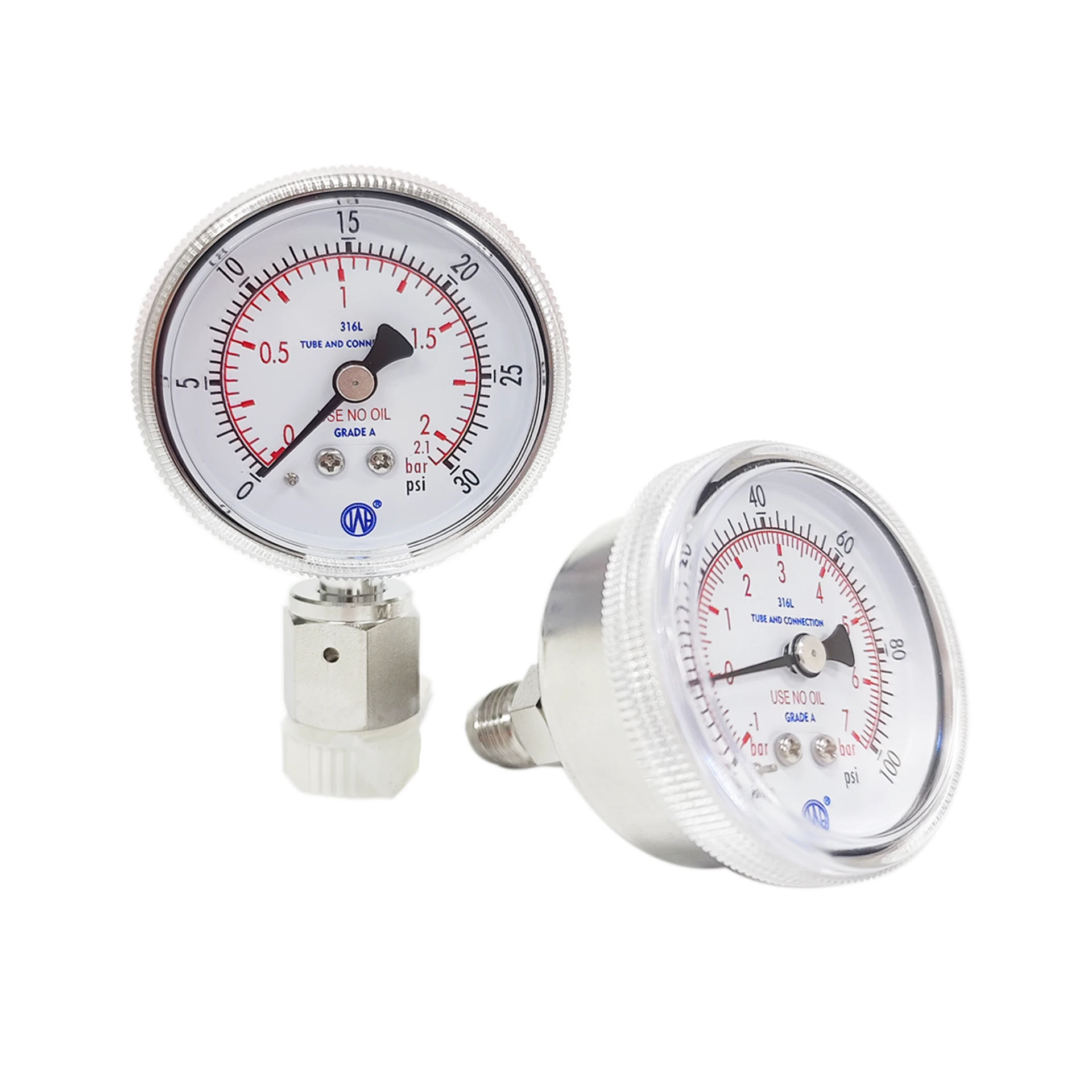
(Ultra)high purity clean pressure gauge-UPG50 / HPG50
-
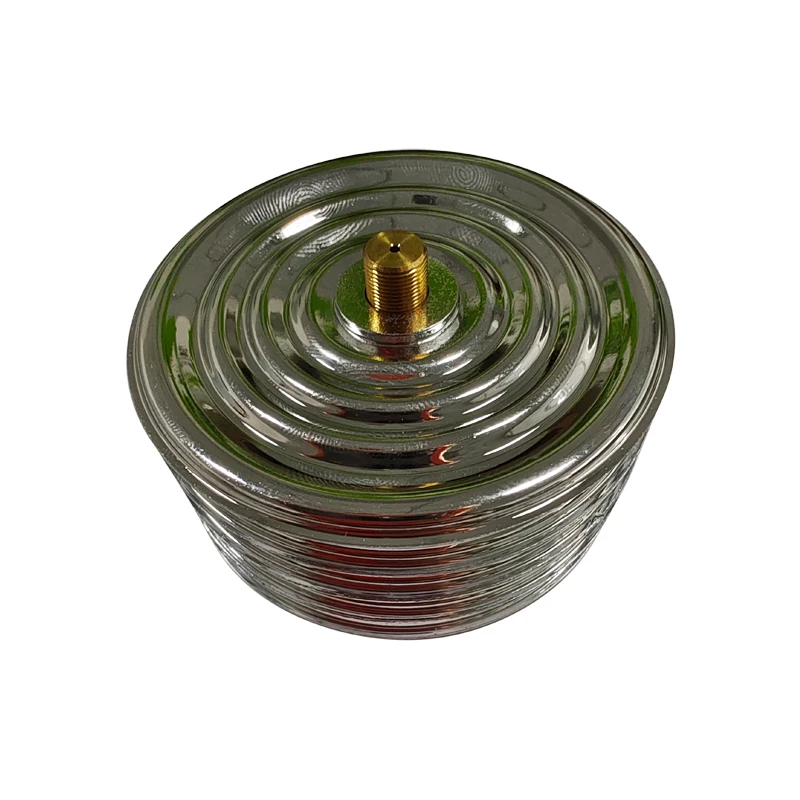
Pressure Diaphragm Capsule-Capsule string-Cube electroplate
-
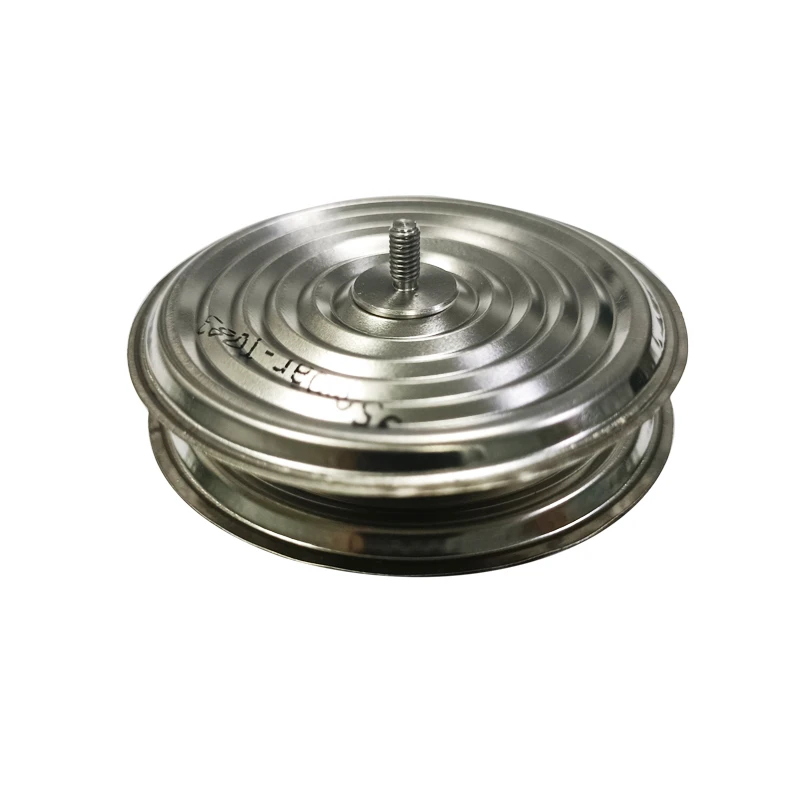
Pressure Diaphragm Capsule-Dual Capsule-316/L SS
-
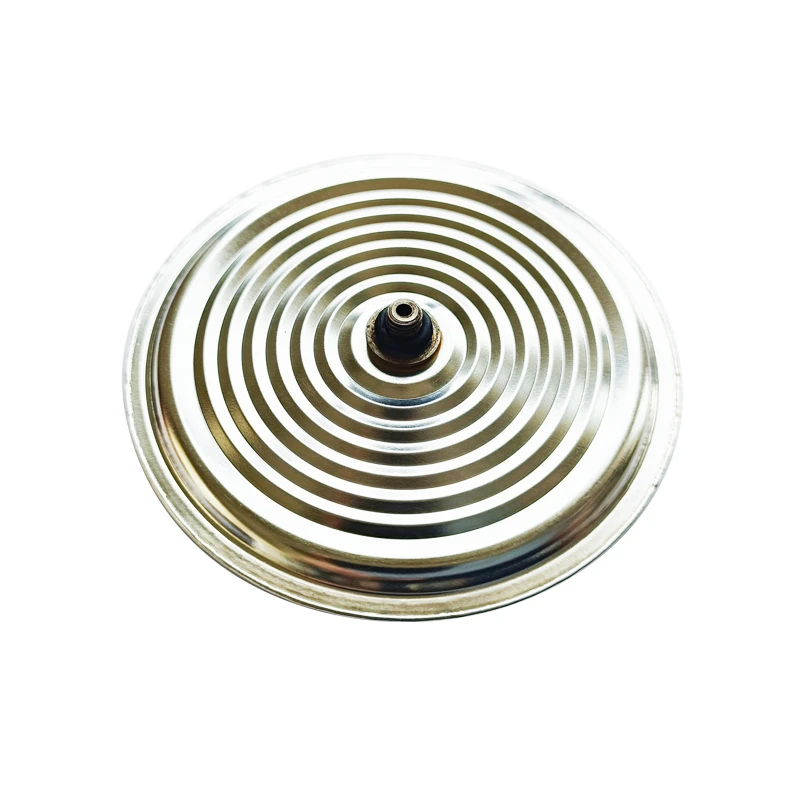
Pressure Diaphragm Capsule(DC)-316 SS-48mm
-
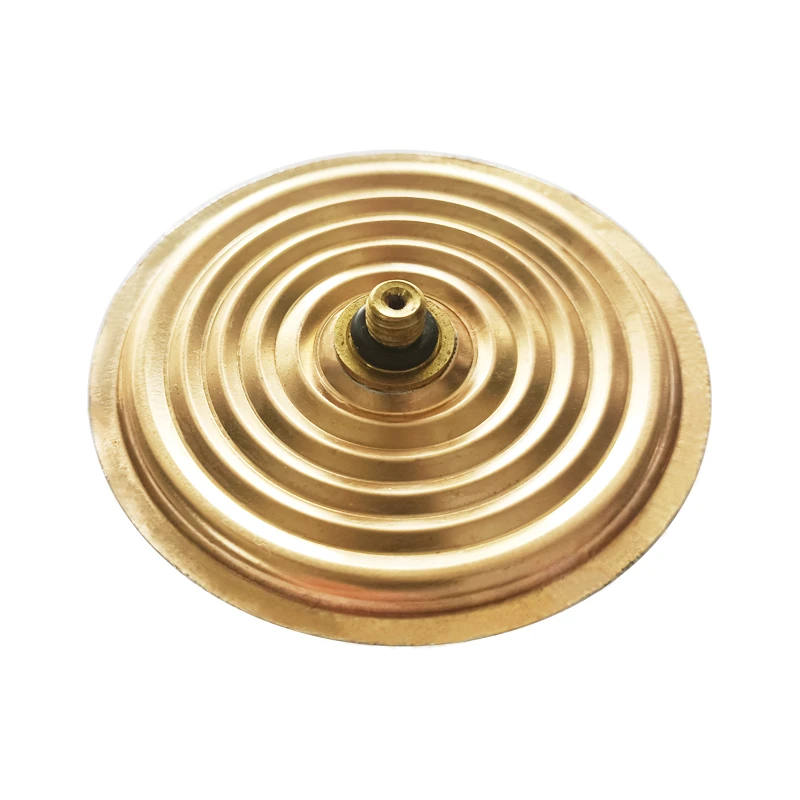
Pressure Diaphragm Capsule(DC)-All copper type-48mm
-
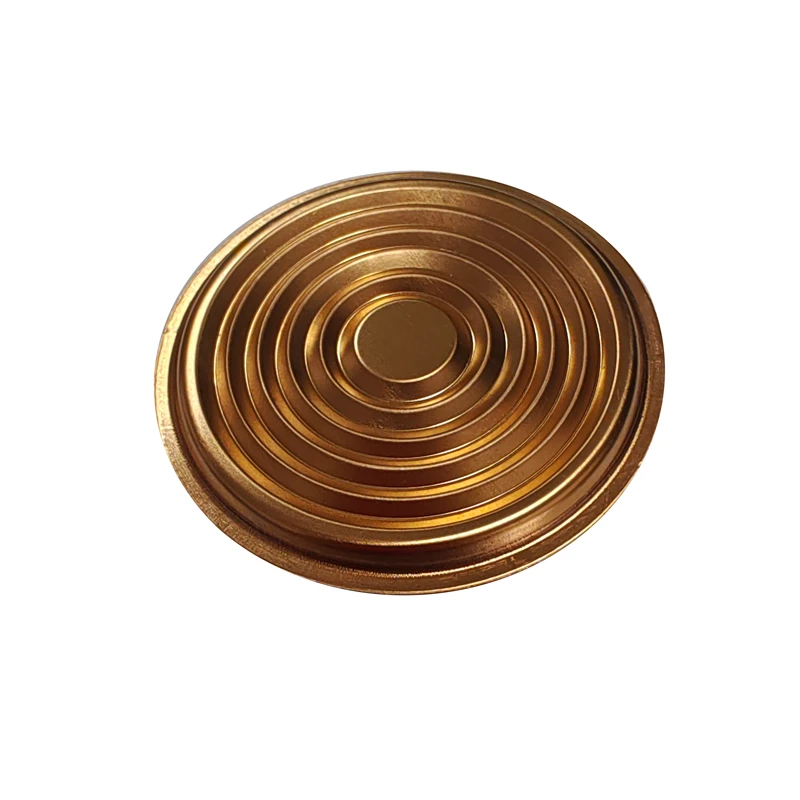
Pressure Single Diaphragm -micropressure-48mm,CuBe2
-
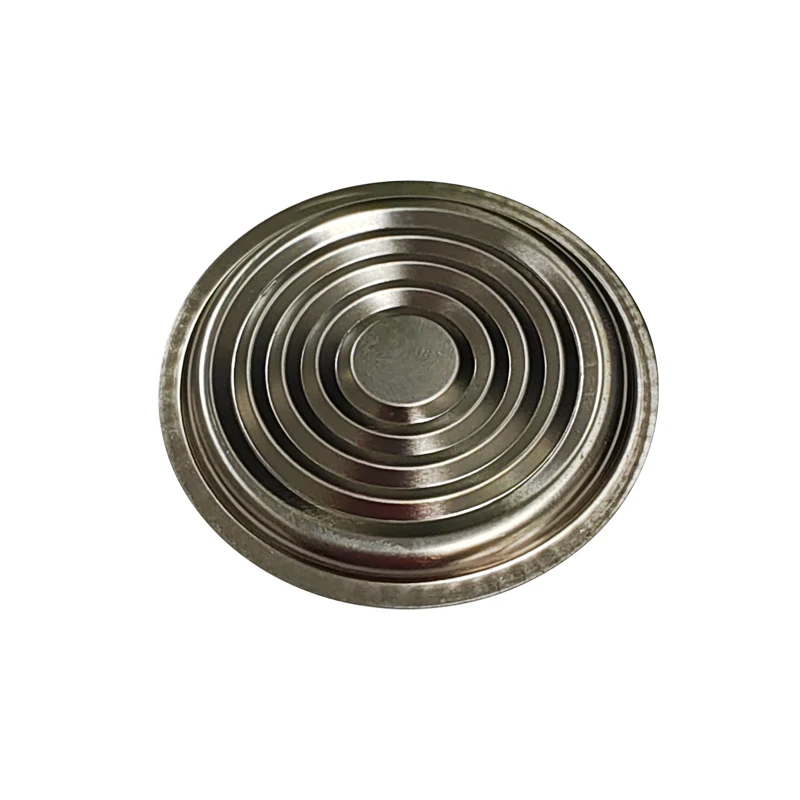
Pressure Single Diaphragm -Corrugated diaphragm-micropressure316/LSS
-
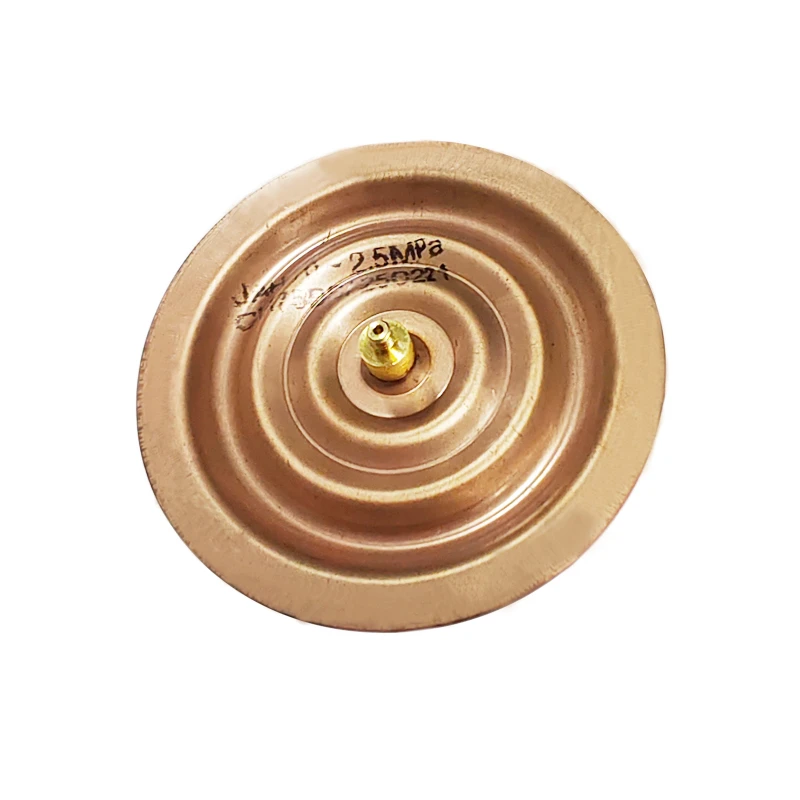
C+H Ø75AS Pressure Diaphragm(PD)-All copper type2.5MPa