

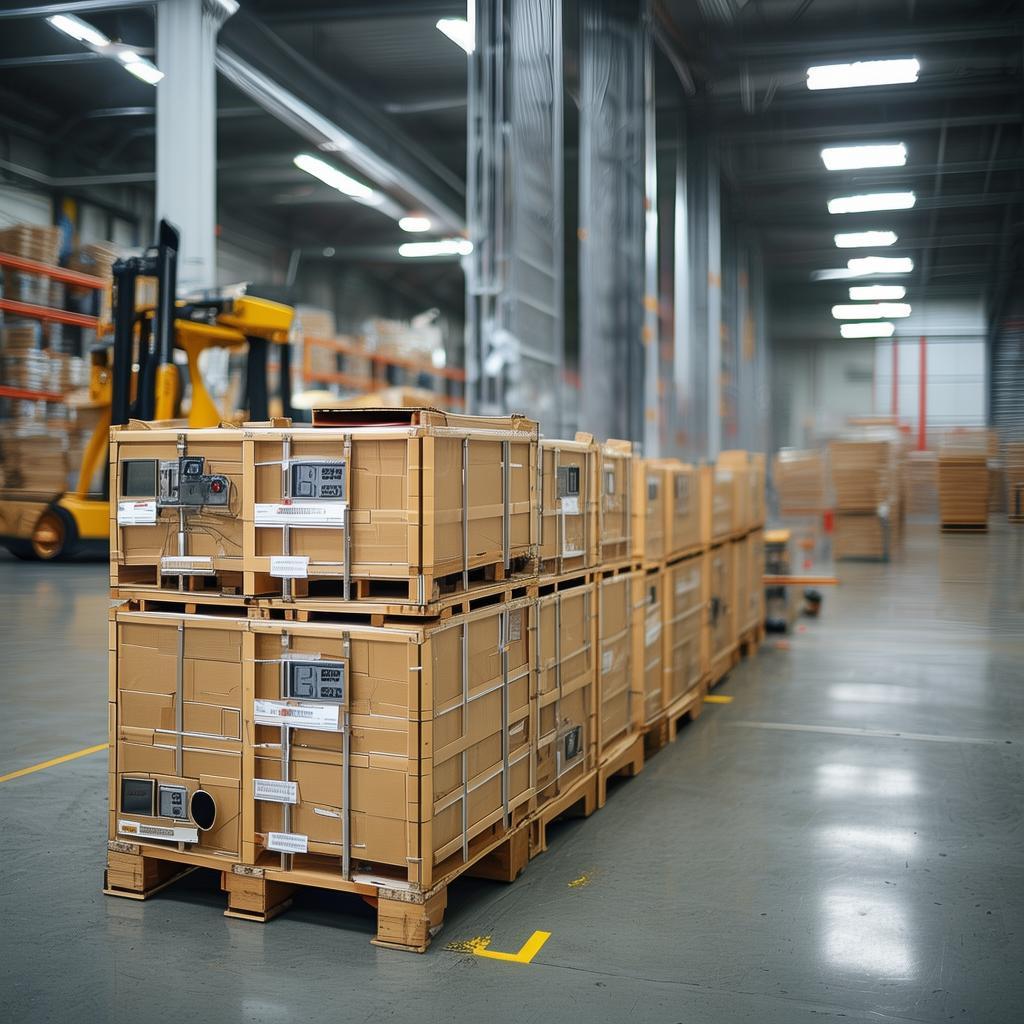
low range differential pressure gauge
Low Range Differential Pressure Gauge
The low range differential pressure gauge is an essential instrument designed for the precise measurement of differential pressure in various industrial applications. This gauge is particularly effective in monitoring low-pressure systems, ensuring optimal performance and safety in processes involving air, gases, or liquids. With its robust design and high accuracy, our low range differential pressure gauge is ideal for industries that demand reliable pressure monitoring solutions.
Key Features
- High Accuracy: Provides precise measurements with minimal deviation.
- Wide Range of Applications: Suitable for HVAC systems, filtration monitoring, and cleanroom environments.
- Robust Construction: Built to withstand harsh industrial conditions and environments.
- Easy Installation: User-friendly design allows for quick and easy setup.
- Clear Readings: Equipped with a large, easy-to-read dial for immediate pressure readings.
Technical Specifications
| Specification | Value |
|---|---|
| Measurement Range | 0-25 in H2O (0-62.4 mbar) |
| Accuracy | ±1% Full Scale |
| Temperature Range | -20°C to 60°C |
| Material | 304 Stainless Steel |
| Connection Type | 1/4" NPT |
| Weight | 500g |
Application Scenarios
The low range differential pressure gauge is widely utilized in various sectors including:
- HVAC Systems: Monitoring air pressure differentials to ensure efficient ventilation.
- Filtration Monitoring: Assessing the performance of filtration systems in industrial processes.
- Cleanroom Environments: Maintaining controlled pressure levels to prevent contamination.
- Medical Equipment: Used in devices where precise pressure measurements are critical.
- Water Treatment Plants: Monitoring pressure differentials in water filtration systems.
Advantages
- Enhanced Safety: Early detection of pressure discrepancies helps prevent equipment failures.
- Cost-Effective: Reduces operational costs by optimizing system performance and energy consumption.
- Durability: Designed to endure extreme conditions and provide long-lasting performance.
- Versatile: Can be used in a wide range of applications across multiple industries.
- Minimal Maintenance: Requires little upkeep thanks to its robust design and materials.
Why Choose Us
At our company, we pride ourselves on delivering high-quality measurement instruments, including the low range differential pressure gauge. Here’s why our products stand out:
- Quality Assurance: Each gauge undergoes rigorous testing to ensure it meets industry standards.
- Expert Support: Our team of professionals is always available to assist with technical inquiries and product selection.
- Custom Solutions: We offer tailored solutions to meet specific customer requirements.
- Global Reach: Our products are trusted by businesses worldwide, providing a reliable solution to pressure measurement needs.
- Competitive Pricing: We offer cost-effective solutions without compromising on quality.
FAQ
1. What is a low range differential pressure gauge?
A low range differential pressure gauge measures the difference in pressure between two points in a system, specifically designed for low-pressure environments.
2. How do I install the low range differential pressure gauge?
The installation process is straightforward. Ensure the gauge is mounted securely and connected to the pressure points using appropriate fittings as per the manufacturer’s instructions.
3. What maintenance is required for the gauge?
Minimal maintenance is required; however, periodic checks for accuracy and any signs of wear or damage are recommended to ensure ongoing performance.
4. Can the gauge be used in corrosive environments?
Yes, the gauge is constructed from 304 stainless steel, making it suitable for many corrosive environments. However, for extreme conditions, consult our technical team for specific advice.
5. What is the typical lifespan of a low range differential pressure gauge?
With proper care and maintenance, our low range differential pressure gauges are designed to provide reliable service for several years, depending on the operating conditions.
Verwant PRODUCTEN
-
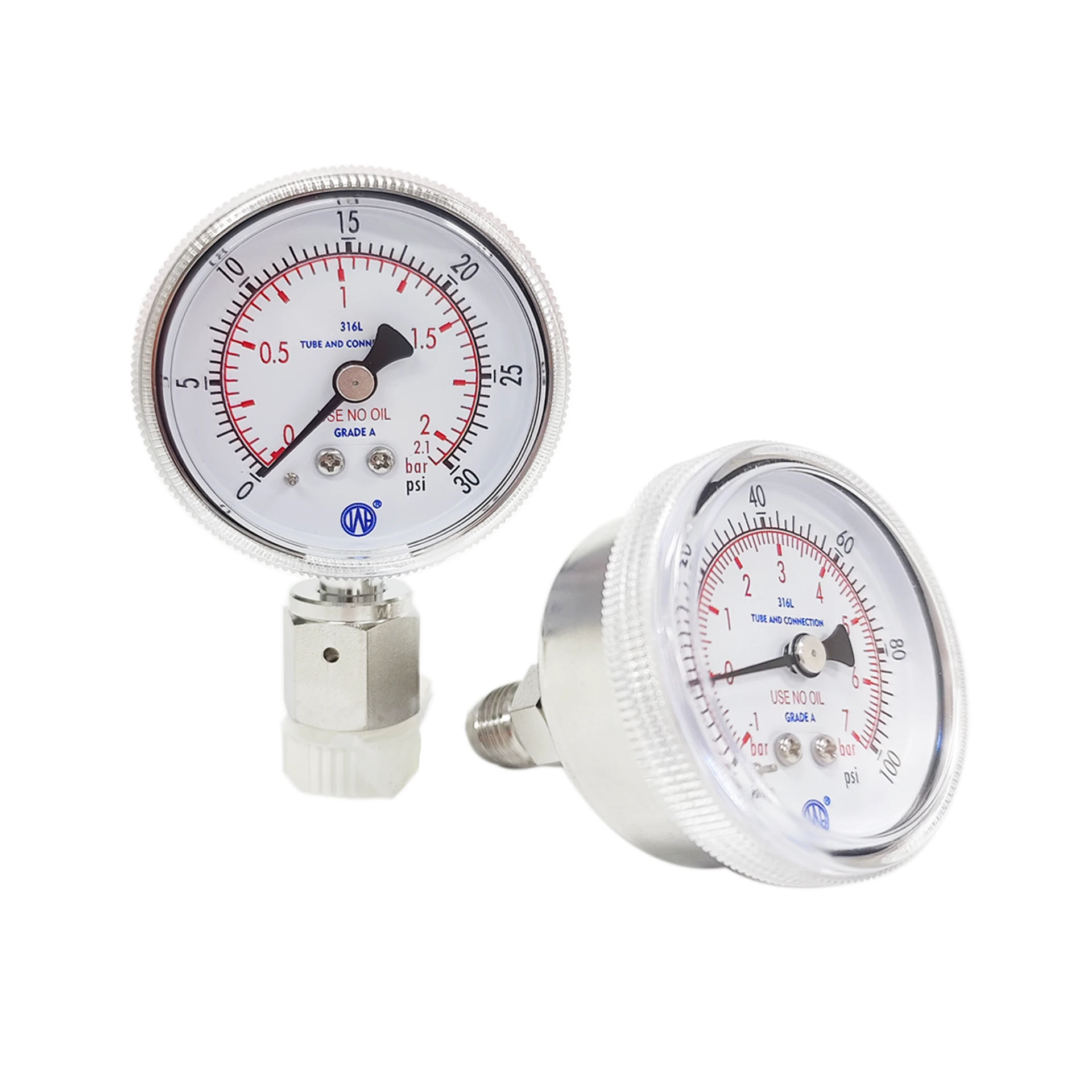
(Ultra)high purity clean pressure gauge-UPG50 / HPG50
-
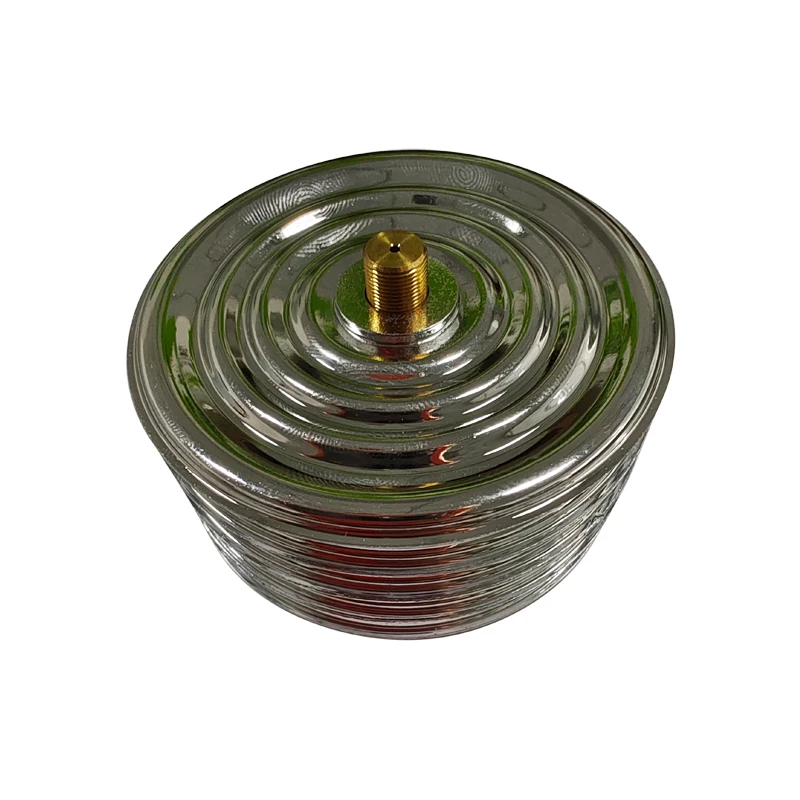
Pressure Diaphragm Capsule-Capsule string-Cube electroplate
-
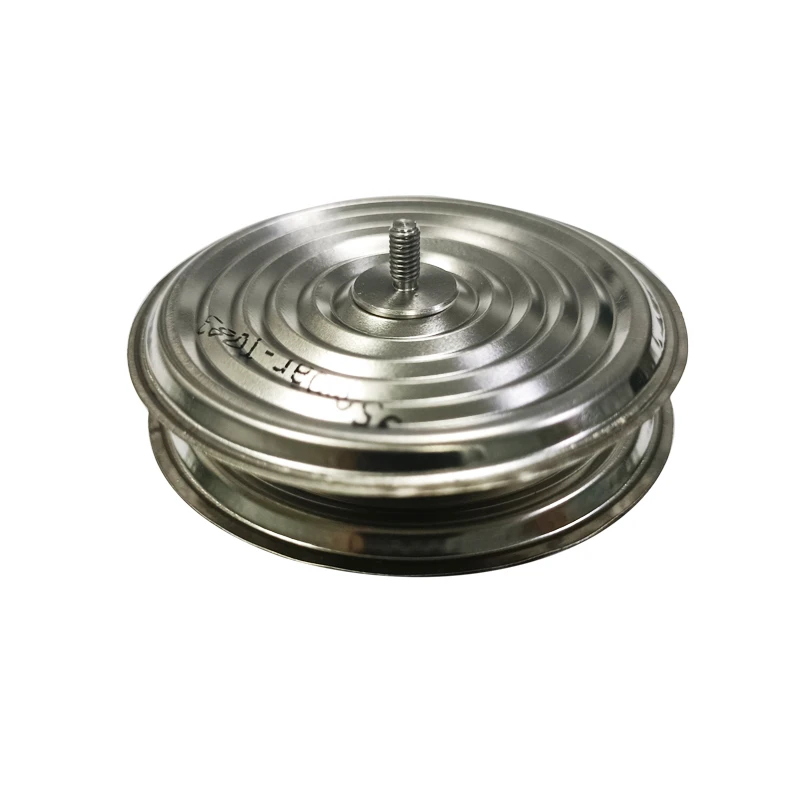
Pressure Diaphragm Capsule-Dual Capsule-316/L SS
-
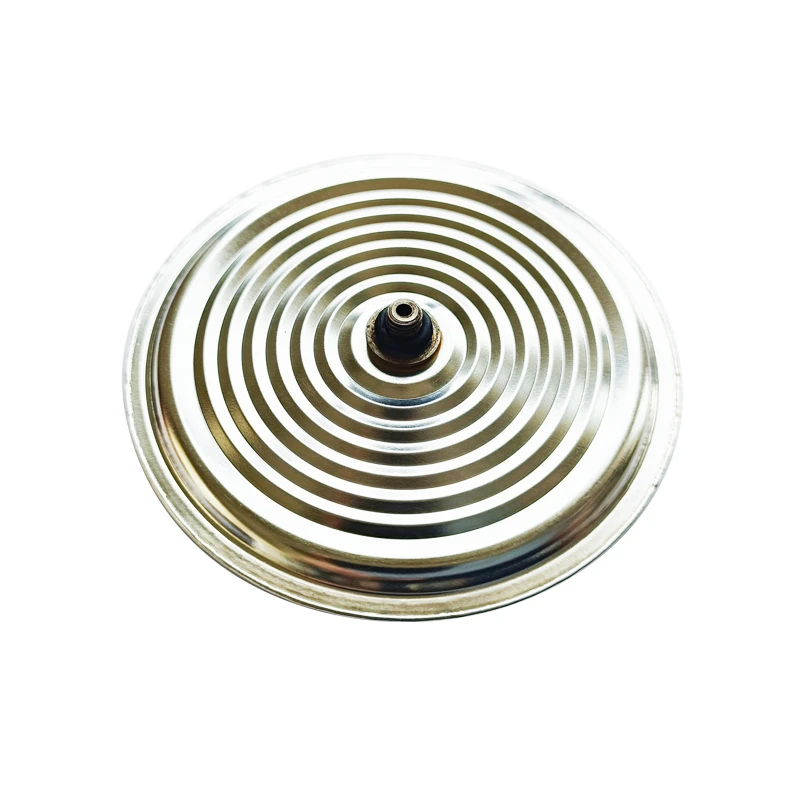
Pressure Diaphragm Capsule(DC)-316 SS-48mm
-
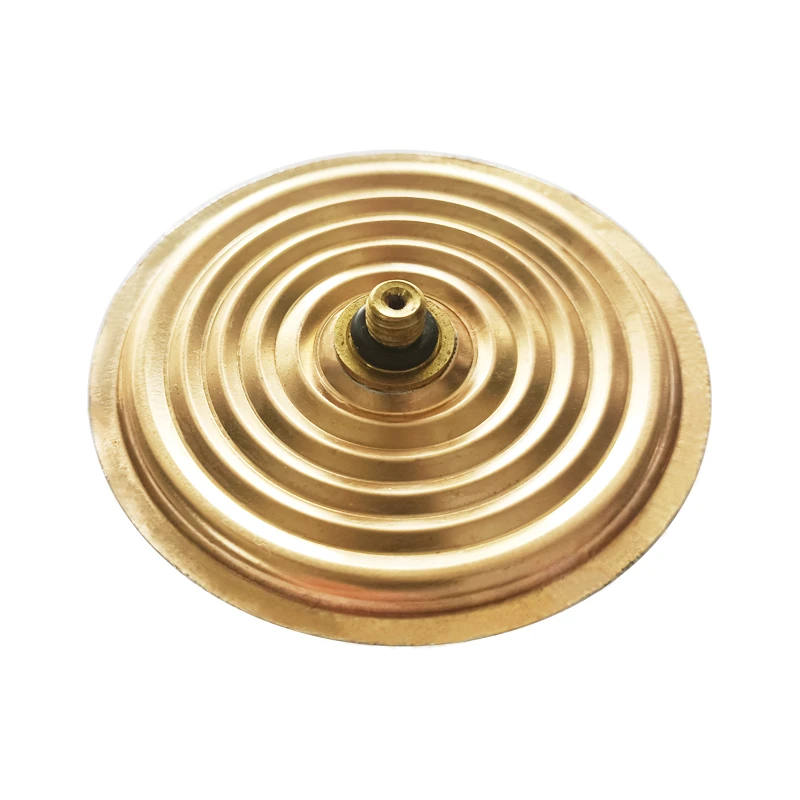
Pressure Diaphragm Capsule(DC)-All copper type-48mm
-
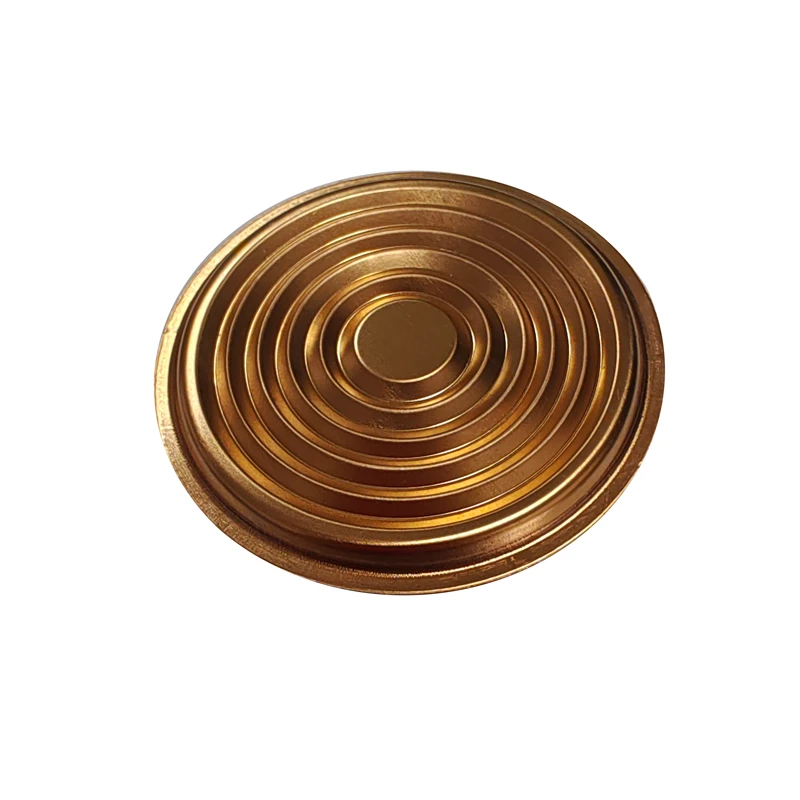
Pressure Single Diaphragm -micropressure-48mm,CuBe2
-
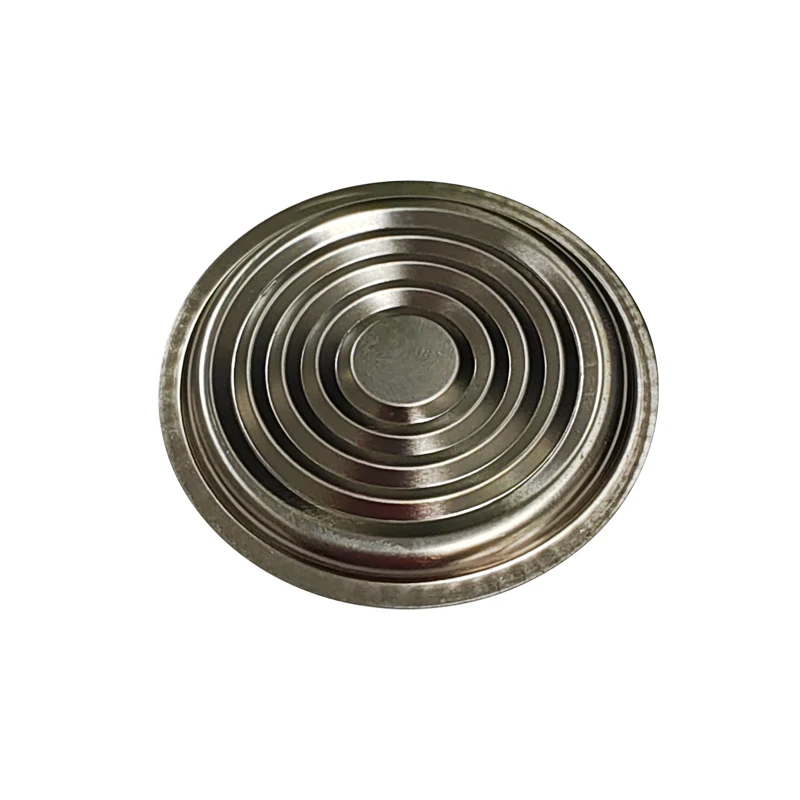
Pressure Single Diaphragm -Corrugated diaphragm-micropressure316/LSS
-
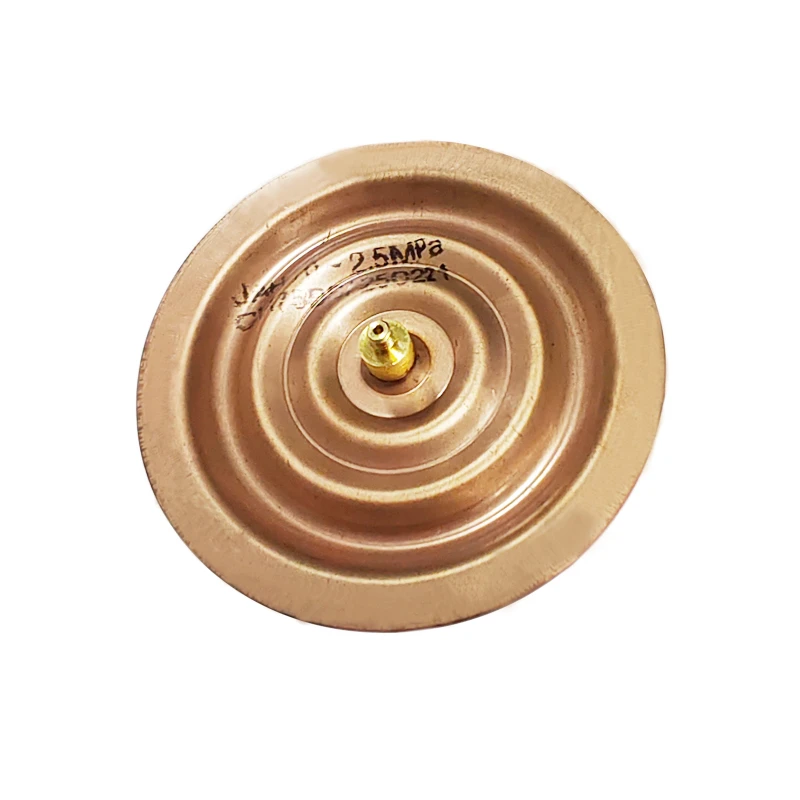
C+H Ø75AS Pressure Diaphragm(PD)-All copper type2.5MPa