


mechanical differential pressure gauge
Mechanical Differential Pressure Gauge
The mechanical differential pressure gauge is a precision instrument designed to measure the pressure difference between two points in a system, providing crucial insights into the operational efficiency and safety of various processes. This reliable device is widely used in industrial applications, ranging from HVAC systems to process control in manufacturing. Its robust construction, coupled with its ease of use, makes it an essential tool for engineers and technicians alike.
Key Features
- High Accuracy: Delivers precise measurements with minimal deviation, ensuring reliable performance.
- Durable Construction: Designed to withstand harsh environments, featuring corrosion-resistant materials.
- Wide Measurement Range: Capable of measuring a broad spectrum of pressure differentials, catering to diverse applications.
- Easy Calibration: Simplified calibration process allows for quick adjustments and maintenance.
- Clear Readout: Equipped with easy-to-read dials and scales for improved visibility and user experience.
- Versatile Mounting Options: Suitable for various installation configurations, including panel mounting and direct installation.
Technical Specifications
| Specification | Details |
|---|---|
| Measurement Range | 0-1000 mbar |
| Accuracy | ±1.5% of full scale |
| Dial Size | 100 mm or 150 mm |
| Connection Type | 1/4" NPT male |
| Operating Temperature | -20°C to 60°C |
| Material | Stainless steel case, brass or stainless steel internals |
Application Scenarios
The mechanical differential pressure gauge plays a vital role in a myriad of industrial applications, including but not limited to:
- HVAC Systems: Monitoring pressure drops across filters and ducts to ensure optimal airflow and system efficiency.
- Water Treatment Plants: Measuring pressure differences in filtration systems to maintain proper functioning.
- Chemical Processing: Ensuring safe operations by monitoring pressure differentials in reactors and storage tanks.
- Food and Beverage Industry: Monitoring pressure in pipelines and filtration systems to guarantee product quality and safety.
- Petroleum and Gas: Measuring pressure differences in pipelines to prevent leaks and ensure safe transport.
Advantages
Utilizing a mechanical differential pressure gauge provides several advantages, including:
- Cost-Effective: Offers a reliable solution without the need for electronic components, reducing maintenance costs.
- Simple Operation: User-friendly design allows for easy interpretation of results without requiring specialized training.
- Robust Design: Built to endure harsh industrial conditions, ensuring longevity and reliability.
- Versatile Application: Suitable for various industries and systems, making it a universal tool for pressure measurement.
- Minimal Downtime: Quick installation and calibration lead to reduced operational downtime during maintenance.
Why Choose Us
When selecting a supplier for your mechanical differential pressure gauge, consider the following reasons to choose us:
- Expertise: With years of experience in the manufacturing and distribution of pressure measurement instruments, we understand the needs of our clients.
- Quality Assurance: Our products undergo rigorous testing to ensure they meet the highest quality standards, providing you with confidence in your purchase.
- Customer Support: Our dedicated support team is available to assist you with any inquiries, ensuring a seamless experience from purchase to installation.
- Custom Solutions: We offer tailored solutions to meet specific industry requirements, ensuring you get the exact product you need.
- Competitive Pricing: Our pricing strategy is designed to deliver value without compromising on quality, making our products accessible to all businesses.
FAQ
1. What is a mechanical differential pressure gauge?
A mechanical differential pressure gauge is an instrument that measures the pressure difference between two points in a system, providing critical data for monitoring and controlling various industrial processes.
2. How does a mechanical differential pressure gauge work?
This gauge operates by utilizing a diaphragm or bellows that responds to pressure changes. The movement of these components is translated into a readable measurement on the dial.
3. What are the typical applications for this type of gauge?
Mechanical differential pressure gauges are used in HVAC systems, water treatment plants, chemical processing, food and beverage production, and the petroleum and gas industries, among others.
4. Can these gauges be calibrated easily?
Yes, mechanical differential pressure gauges are designed for easy calibration, allowing users to adjust settings quickly to maintain accuracy.
5. What materials are used in the construction of these gauges?
Typically, mechanical differential pressure gauges feature a stainless steel case and brass or stainless steel internals to ensure durability and resistance to corrosion.
Verwant PRODUCTEN
-
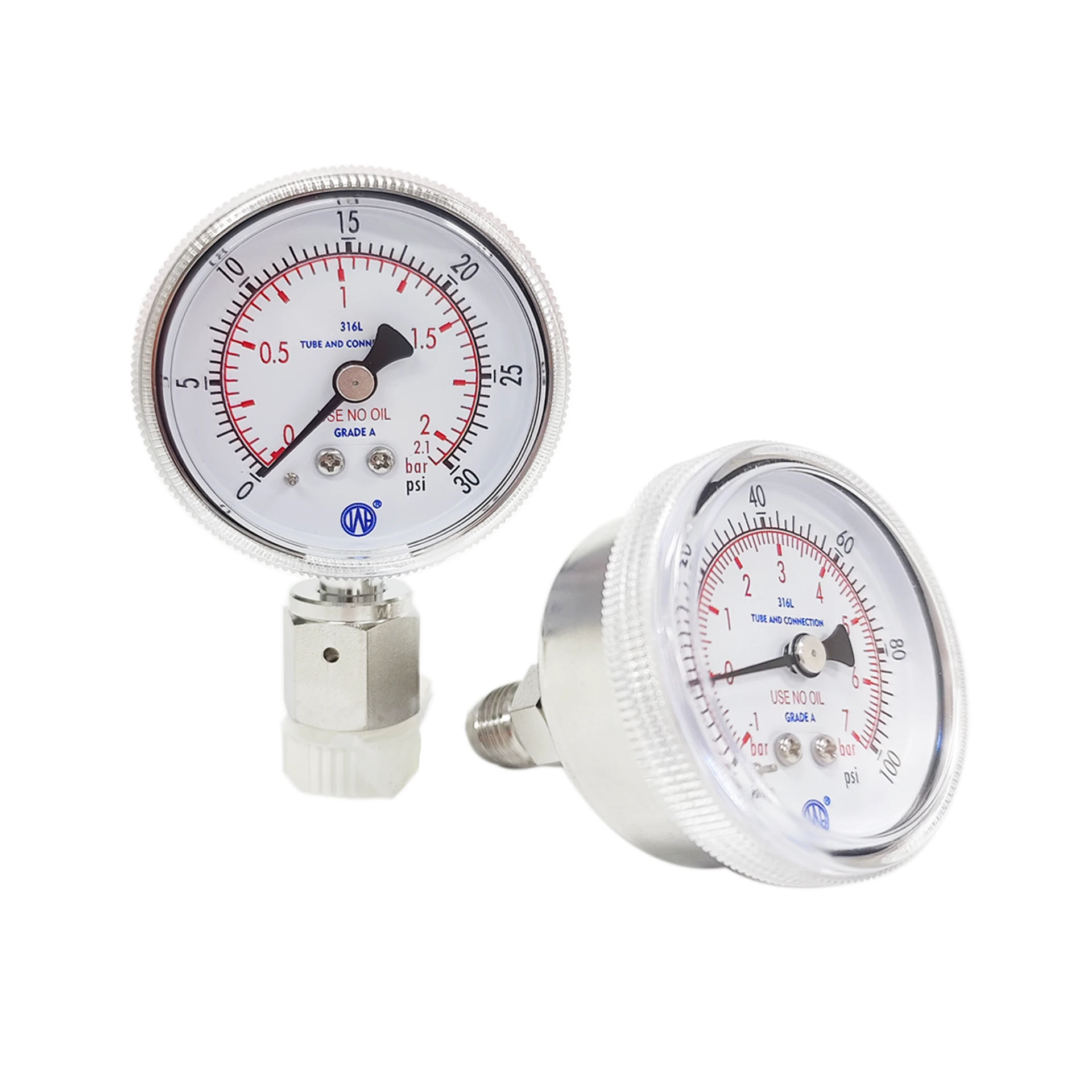
(Ultra)high purity clean pressure gauge-UPG50 / HPG50
-
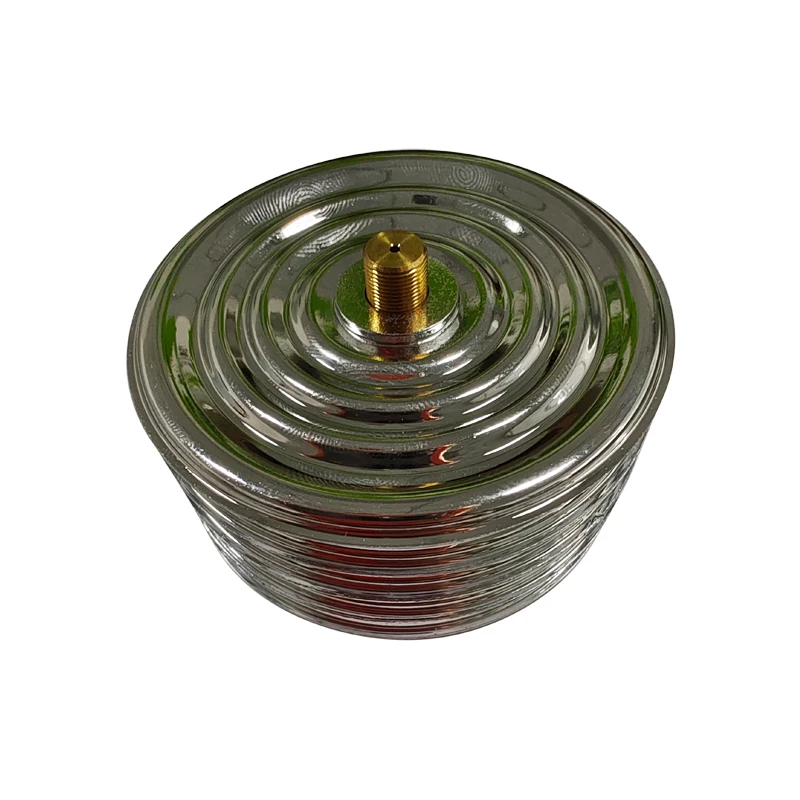
Pressure Diaphragm Capsule-Capsule string-Cube electroplate
-
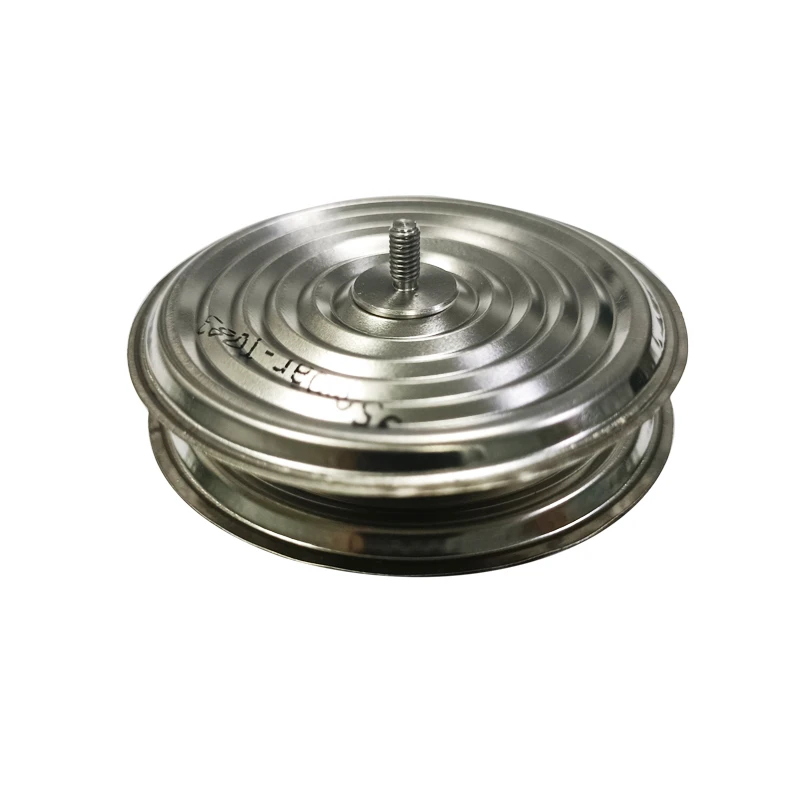
Pressure Diaphragm Capsule-Dual Capsule-316/L SS
-
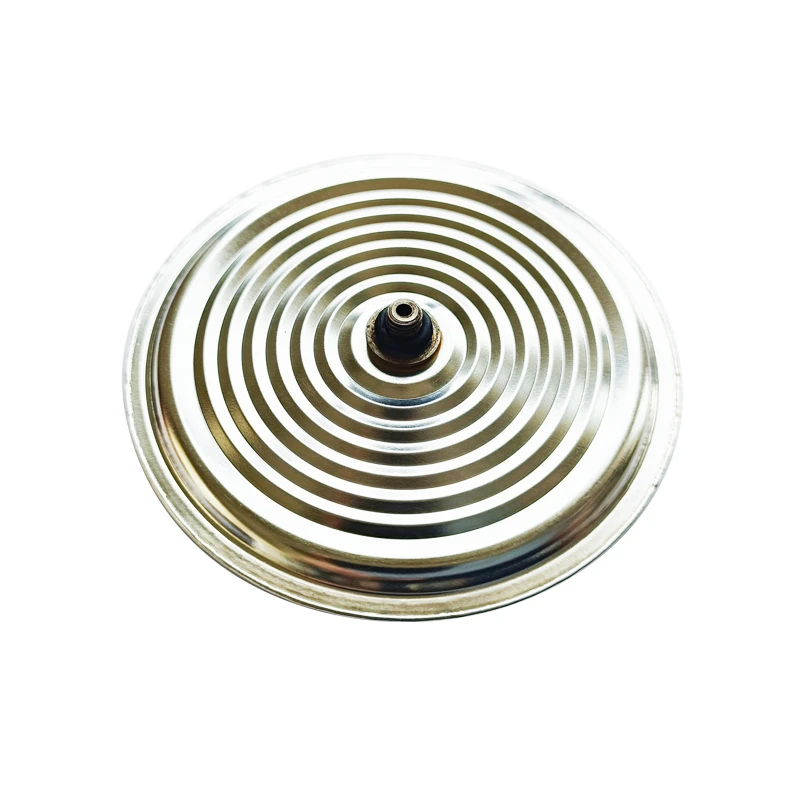
Pressure Diaphragm Capsule(DC)-316 SS-48mm
-
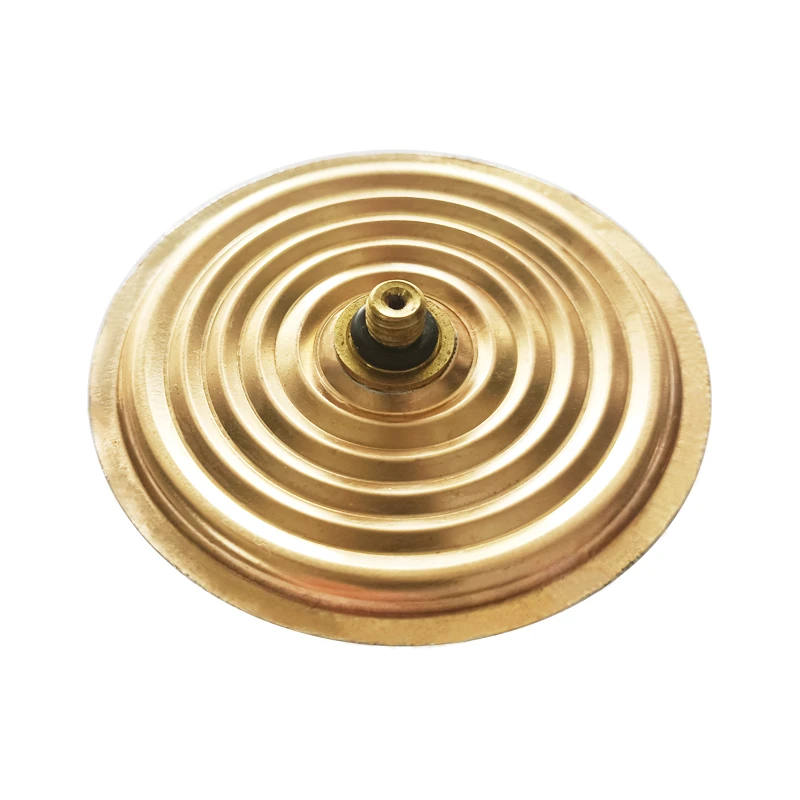
Pressure Diaphragm Capsule(DC)-All copper type-48mm
-
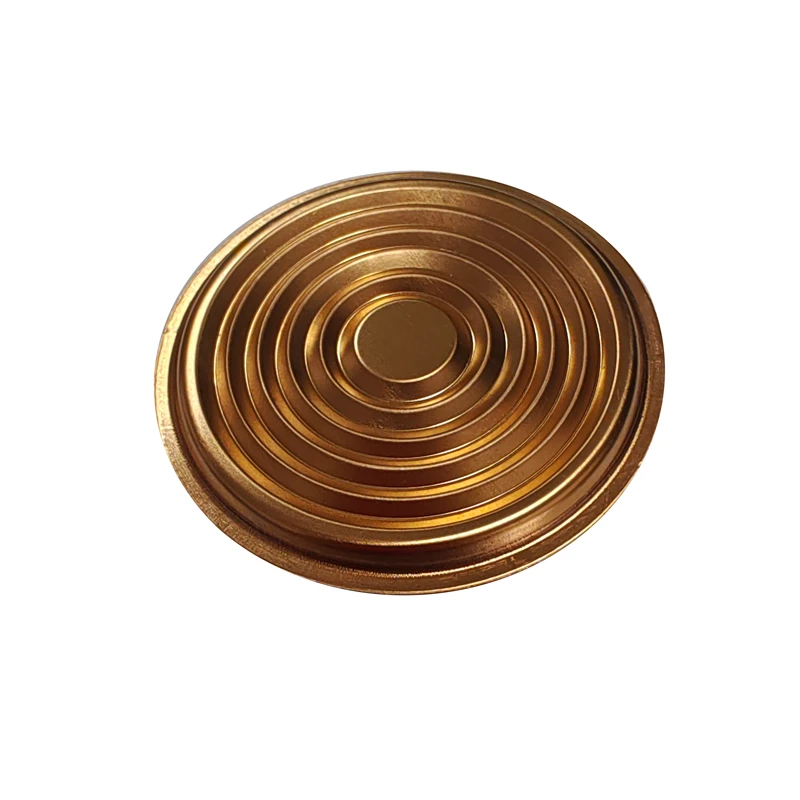
Pressure Single Diaphragm -micropressure-48mm,CuBe2
-
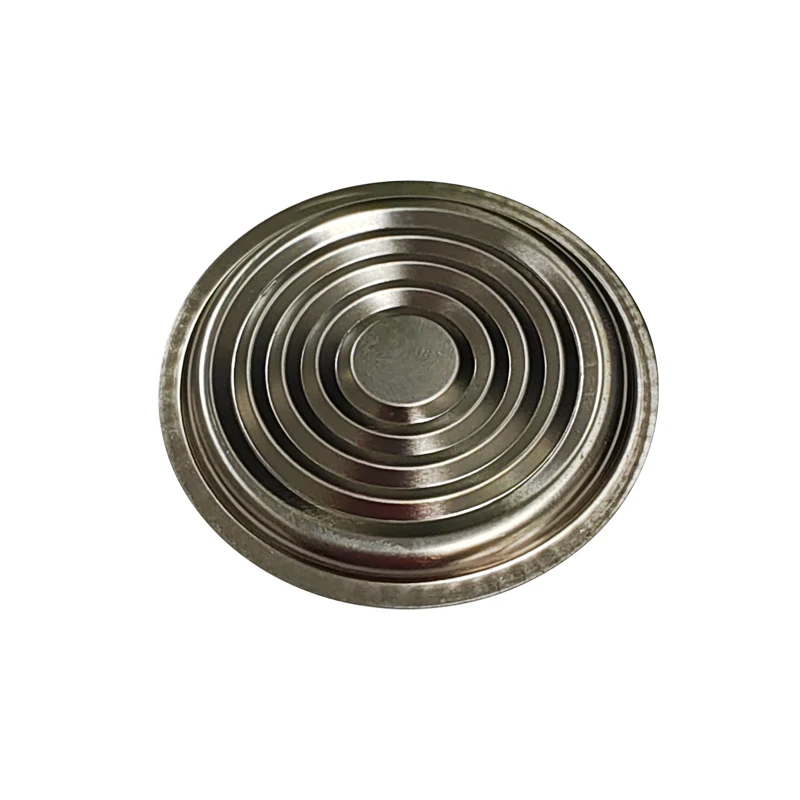
Pressure Single Diaphragm -Corrugated diaphragm-micropressure316/LSS
-
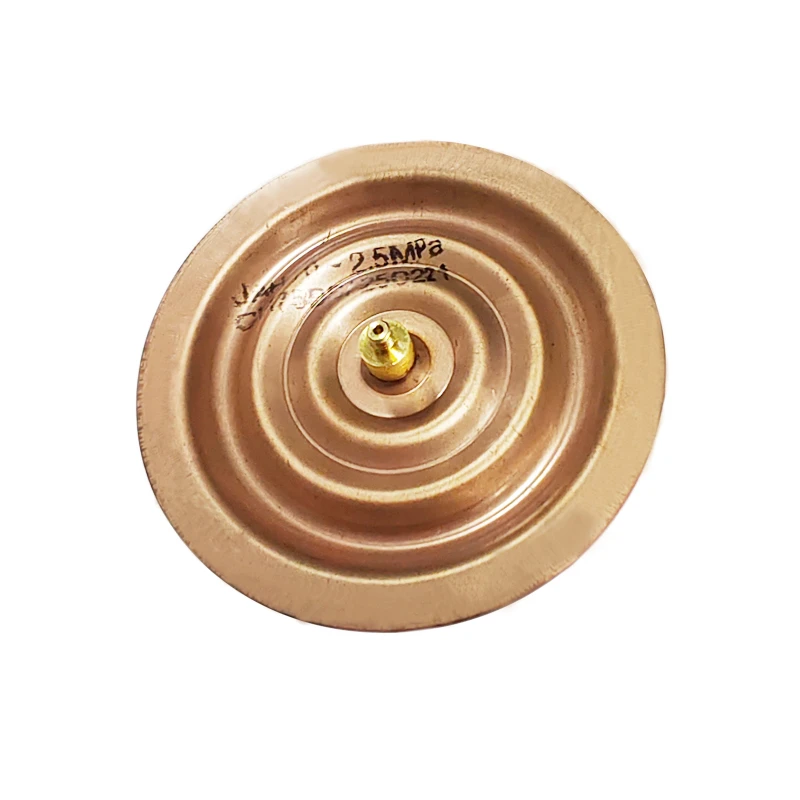
C+H Ø75AS Pressure Diaphragm(PD)-All copper type2.5MPa