


oem diaphragm pressure gauge
OEM Diaphragm Pressure Gauge
Product Overview
The OEM diaphragm pressure gauge is an essential instrument designed for precision measurement of pressure in various industrial applications. Engineered to provide reliable readings, this gauge utilizes a diaphragm mechanism that ensures accurate pressure detection even under challenging conditions. Ideal for both OEM manufacturers and end-users, our diaphragm pressure gauge stands out for its durability, accuracy, and versatility.
Key Features
- High Accuracy: Designed to deliver precise pressure readings, ensuring optimal performance in critical applications.
- Robust Construction: Made with high-quality materials that withstand harsh environments, including temperature fluctuations and corrosive substances.
- Wide Measurement Range: Available in various pressure ranges to meet diverse industrial needs.
- Easy Installation: User-friendly design with straightforward mounting options for quick setup and integration.
- Customizable Options: Tailored solutions available to meet specific OEM requirements, including size, scale, and connection types.
Technical Specifications
| Specification | Details |
|---|---|
| Pressure Range | 0-1000 bar |
| Accuracy | ±1% Full Scale |
| Dial Size | 63 mm, 100 mm, 150 mm |
| Connection Type | 1/4" NPT, 1/2" NPT, M20x1.5 |
| Temperature Range | -20°C to 85°C |
| Material | Stainless Steel, Brass |
Application Scenarios
The OEM diaphragm pressure gauge is suitable for a wide array of applications across various industries, including:
- Chemical Processing: Accurate pressure measurement in reactors and pipelines for safe chemical handling.
- Oil and Gas: Monitoring pressure levels in extraction and refining processes.
- Water Treatment: Ensuring optimal pressure in filtration and purification systems.
- Food and Beverage: Complying with hygiene standards while monitoring pressure in production lines.
- HVAC Systems: Measuring pressure in heating, ventilation, and air conditioning systems for efficiency.
Advantages
Choosing our OEM diaphragm pressure gauge provides several advantages:
- Enhanced Durability: Built to last with materials that resist corrosion and wear, reducing the need for frequent replacements.
- Cost-Effectiveness: Competitive pricing without compromising on quality, making it a smart investment for businesses.
- Versatile Use: Adaptable for various applications, our gauges meet diverse industry standards and requirements.
- Expert Support: Access to our knowledgeable team for guidance on installation, calibration, and maintenance.
Why Choose Us
When it comes to sourcing an OEM diaphragm pressure gauge, our company stands out due to:
- Proven Experience: Years of expertise in manufacturing precision instruments tailored for international markets.
- Quality Assurance: Rigorous testing protocols to ensure every product meets high standards of quality and performance.
- Customization: Ability to customize products according to your specific needs, ensuring optimal functionality.
- Global Reach: Established network for international trade, providing timely delivery and support worldwide.
FAQ
1. What is the operating principle of an OEM diaphragm pressure gauge?
An OEM diaphragm pressure gauge operates by using a flexible diaphragm that deflects in response to pressure changes. This deflection is then translated into a readable pressure value on the dial.
2. Can the OEM diaphragm pressure gauge be used for corrosive fluids?
Yes, our diaphragm pressure gauges are designed with materials that can withstand corrosive fluids, making them suitable for various applications.
3. How do I install the OEM diaphragm pressure gauge?
The installation process is straightforward. Simply connect the gauge to the pressure source using the appropriate fittings as specified in the technical documentation.
4. What calibration services do you offer?
We provide calibration services to ensure your OEM diaphragm pressure gauge delivers accurate readings throughout its operational life.
5. How do I choose the right pressure range for my application?
Choosing the right pressure range depends on the specific requirements of your application. Consult with our technical team for recommendations tailored to your needs.
Verwant PRODUCTEN
-
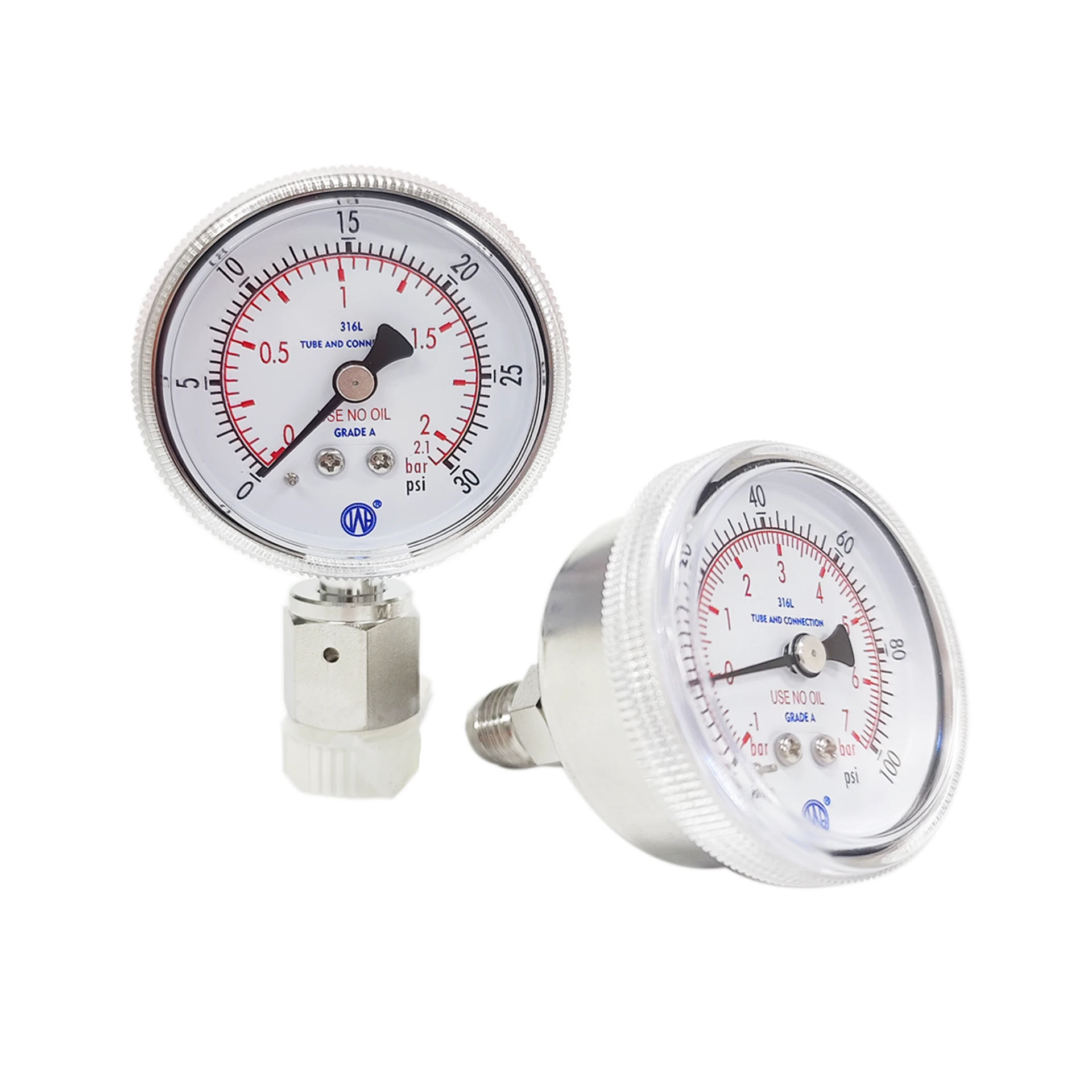
(Ultra)high purity clean pressure gauge-UPG50 / HPG50
-
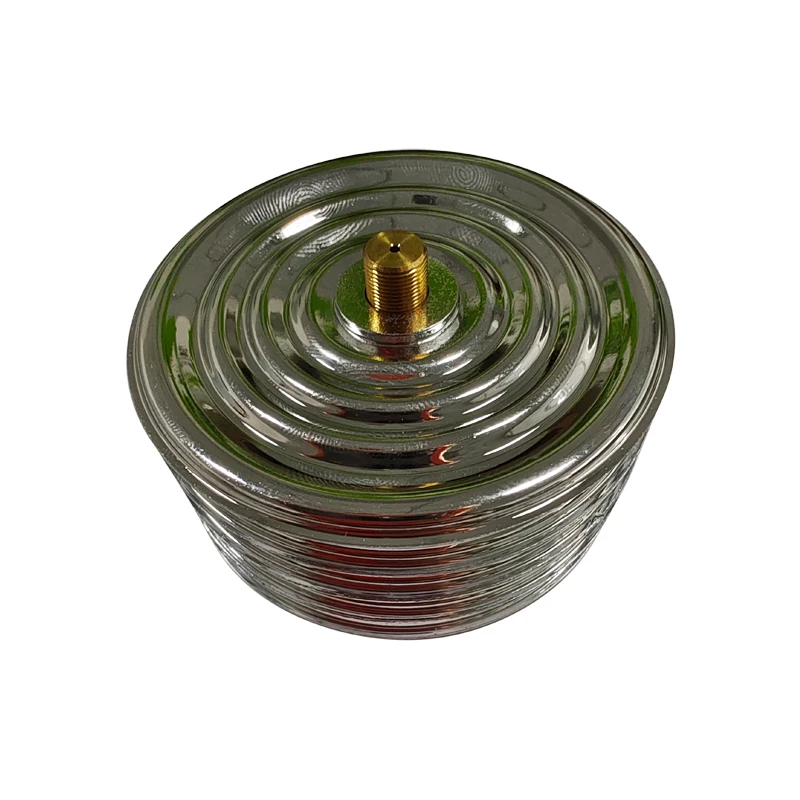
Pressure Diaphragm Capsule-Capsule string-Cube electroplate
-
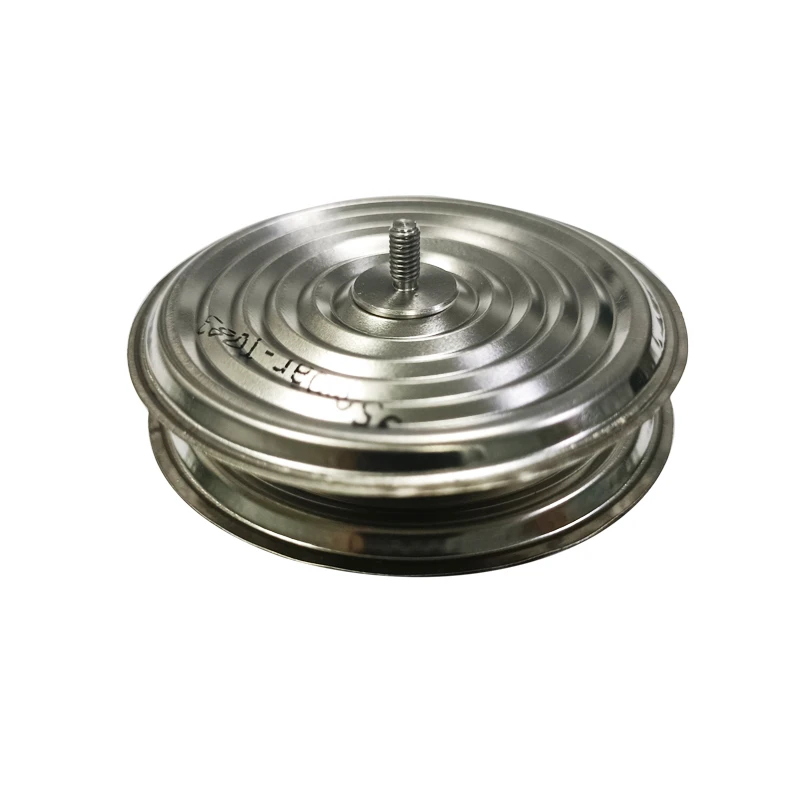
Pressure Diaphragm Capsule-Dual Capsule-316/L SS
-
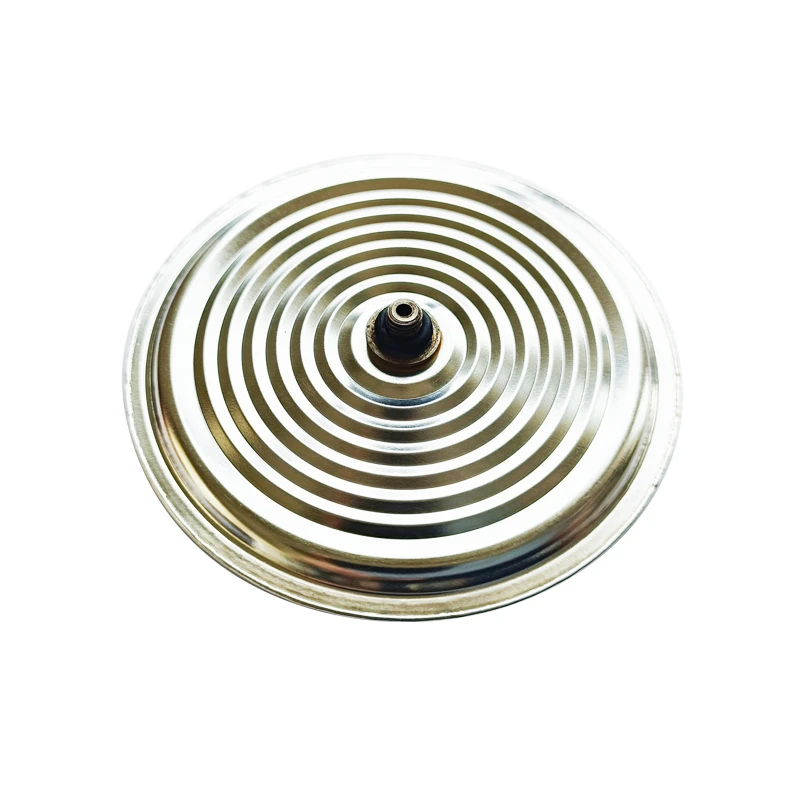
Pressure Diaphragm Capsule(DC)-316 SS-48mm
-
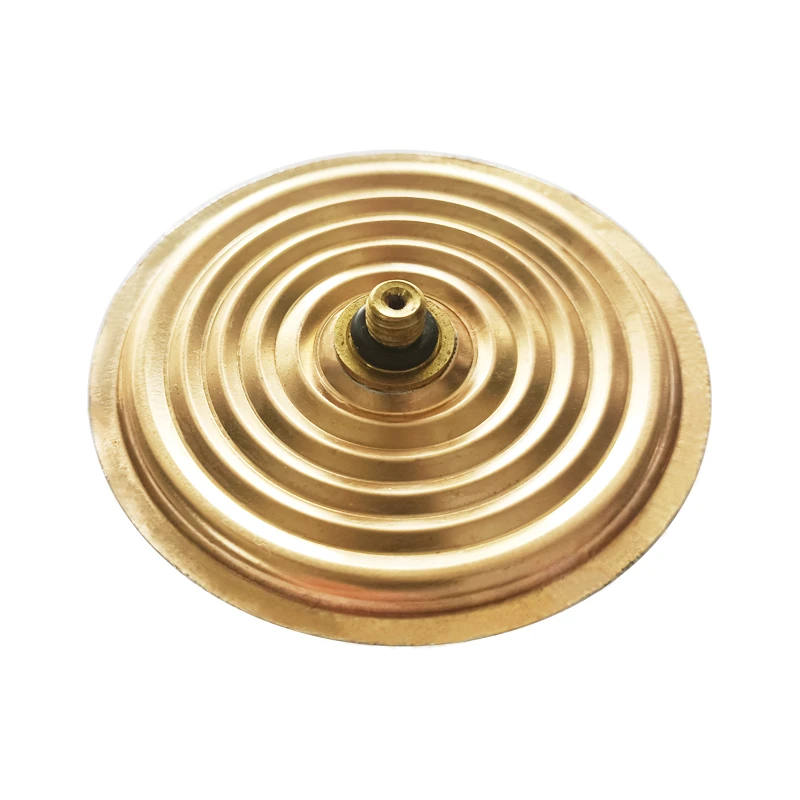
Pressure Diaphragm Capsule(DC)-All copper type-48mm
-
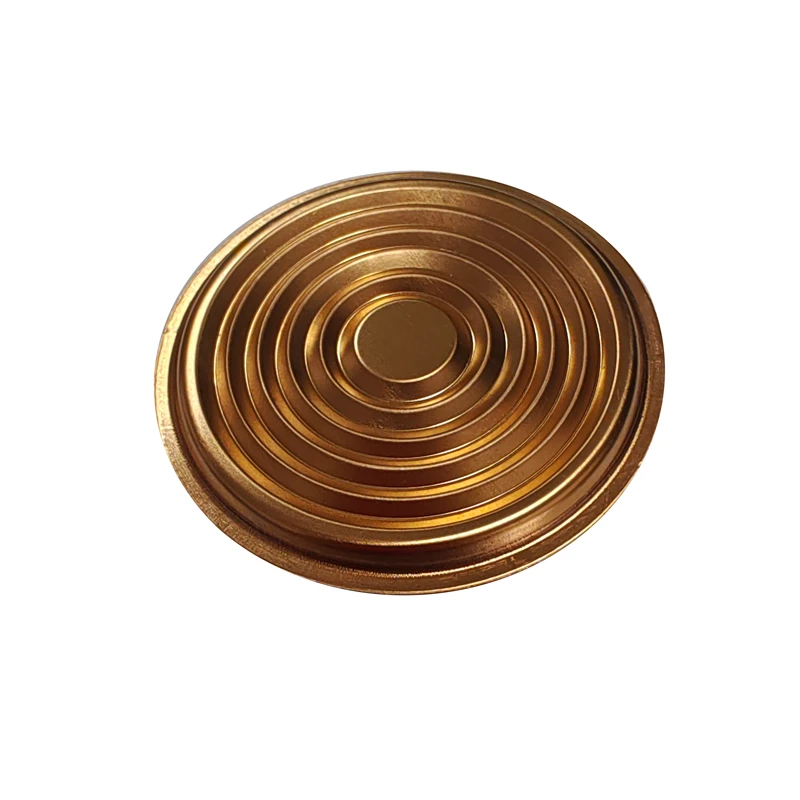
Pressure Single Diaphragm -micropressure-48mm,CuBe2
-
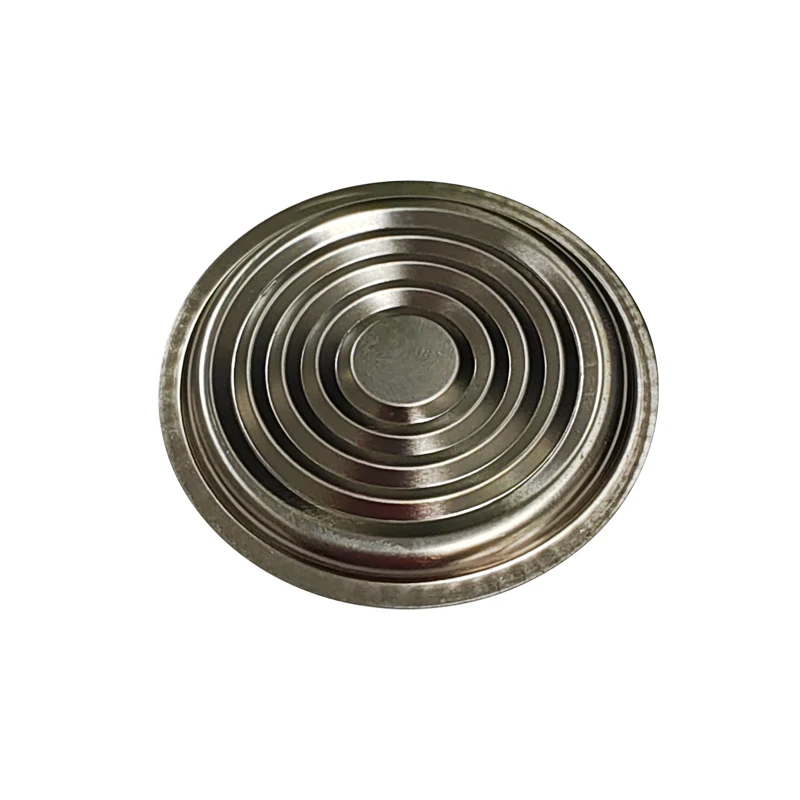
Pressure Single Diaphragm -Corrugated diaphragm-micropressure316/LSS
-
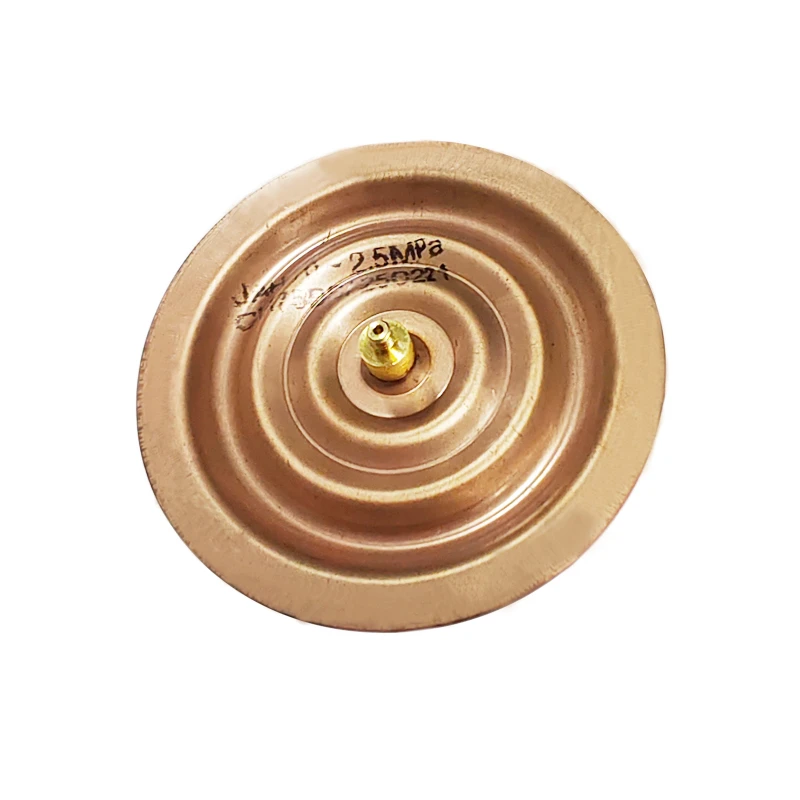
C+H Ø75AS Pressure Diaphragm(PD)-All copper type2.5MPa