


oem difference between differential and absolute pressure gauges
OEM Difference Between Differential and Absolute Pressure Gauges
Understanding the OEM difference between differential and absolute pressure gauges is essential for industries requiring precise pressure measurements. These gauges serve distinct purposes and are vital in various applications, from manufacturing to environmental monitoring. This product page will outline the key features, specifications, applications, advantages, and more, providing a comprehensive understanding of these essential instruments.
Product Overview
Pressure gauges play a critical role in monitoring and controlling processes across various industries. The OEM difference between differential and absolute pressure gauges lies in their measurement methods. Differential pressure gauges measure the difference between two pressure points, while absolute pressure gauges measure pressure relative to a perfect vacuum. Understanding these differences is crucial for selecting the right gauge for your specific needs.
Key Features
- High Accuracy: Both differential and absolute pressure gauges are designed for high precision, ensuring reliable readings.
- Durable Construction: Manufactured with robust materials to withstand harsh environments and ensure longevity.
- Wide Range of Applications: Suitable for various industries, including oil and gas, HVAC, food and beverage, and more.
- User-Friendly Design: Easy to install and operate, with clear readouts for quick assessment of pressure levels.
- Customizable Options: Available in various sizes and specifications to meet specific industrial requirements.
Technical Specifications
| Feature | Differential Pressure Gauge | Absolute Pressure Gauge |
|---|---|---|
| Measurement Range | 0 to 1000 psi | 0 to 3000 psi |
| Accuracy | ±0.5% FS | ±0.25% FS |
| Operating Temperature | -40°C to 85°C | -20°C to 70°C |
| Connection Type | 1/4" NPT | 1/4" NPT |
| Display Type | Analog/Digital | Analog/Digital |
Application Scenarios
The OEM difference between differential and absolute pressure gauges is evident in their applications:
- HVAC Systems: Differential pressure gauges are commonly used to measure airflow in ducts, while absolute pressure gauges monitor system pressure.
- Oil and Gas: Differential pressure gauges are crucial for flow measurement in pipelines, while absolute gauges are used for tank pressure readings.
- Pharmaceuticals: Accurate measurement of pressure is vital in sterile environments; absolute gauges ensure safety in vacuum systems.
- Food and Beverage: Differential pressure gauges monitor filtration processes, while absolute gauges are used for packaging applications.
- Water Treatment: Both types of gauges play a role in monitoring pressure levels in various stages of treatment processes.
Advantages
Choosing the right pressure gauge can significantly impact operational efficiency and safety. The benefits of understanding the OEM difference between differential and absolute pressure gauges include:
- Enhanced Precision: Ensure accurate pressure readings, which are crucial for optimal performance and safety in your operations.
- Versatility: Both types of gauges can be used in various applications, making them suitable for diverse industrial needs.
- Cost-Effectiveness: Investing in the right gauge minimizes errors and downtime, ultimately saving costs in the long run.
- Improved Safety: Accurate pressure readings help prevent accidents and equipment failures, ensuring a safer working environment.
- Expert Support: Our team offers expert guidance to help you choose the appropriate gauge for your specific applications.
Why Choose Us
We are a trusted OEM supplier with extensive experience in manufacturing differential and absolute pressure gauges. Here’s why you should partner with us:
- Quality Assurance: We adhere to strict quality control processes to ensure our gauges meet industry standards and regulations.
- Custom Solutions: Our engineering team can provide tailored solutions to meet your specific measurement requirements.
- Technical Expertise: With years of industry experience, we offer valuable insights and support to help you make informed decisions.
- Global Reach: We serve clients across the globe, ensuring timely delivery and exceptional service regardless of location.
- Competitive Pricing: Our pricing strategy ensures you receive high-quality products without exceeding your budget.
FAQ
What is the main difference between differential and absolute pressure gauges?
The key difference lies in the measurement reference point. Differential pressure gauges measure the difference between two pressures, while absolute pressure gauges measure pressure relative to a perfect vacuum.
Can I use a differential pressure gauge for absolute pressure measurements?
No, differential pressure gauges are not suitable for absolute pressure measurements. For accurate absolute measurements, an absolute pressure gauge should be used.
What industries benefit from using these gauges?
Industries such as HVAC, oil and gas, pharmaceuticals, food and beverage, and water treatment extensively use both differential and absolute pressure gauges.
How do I choose the right pressure gauge for my application?
Consider factors such as the type of measurement needed (differential or absolute), the pressure range required, and the specific environmental conditions of your application.
Are these gauges customizable?
Yes, we offer customizable options to fit your specific requirements, including size, measurement range, and connection types.
Verwant PRODUCTEN
-
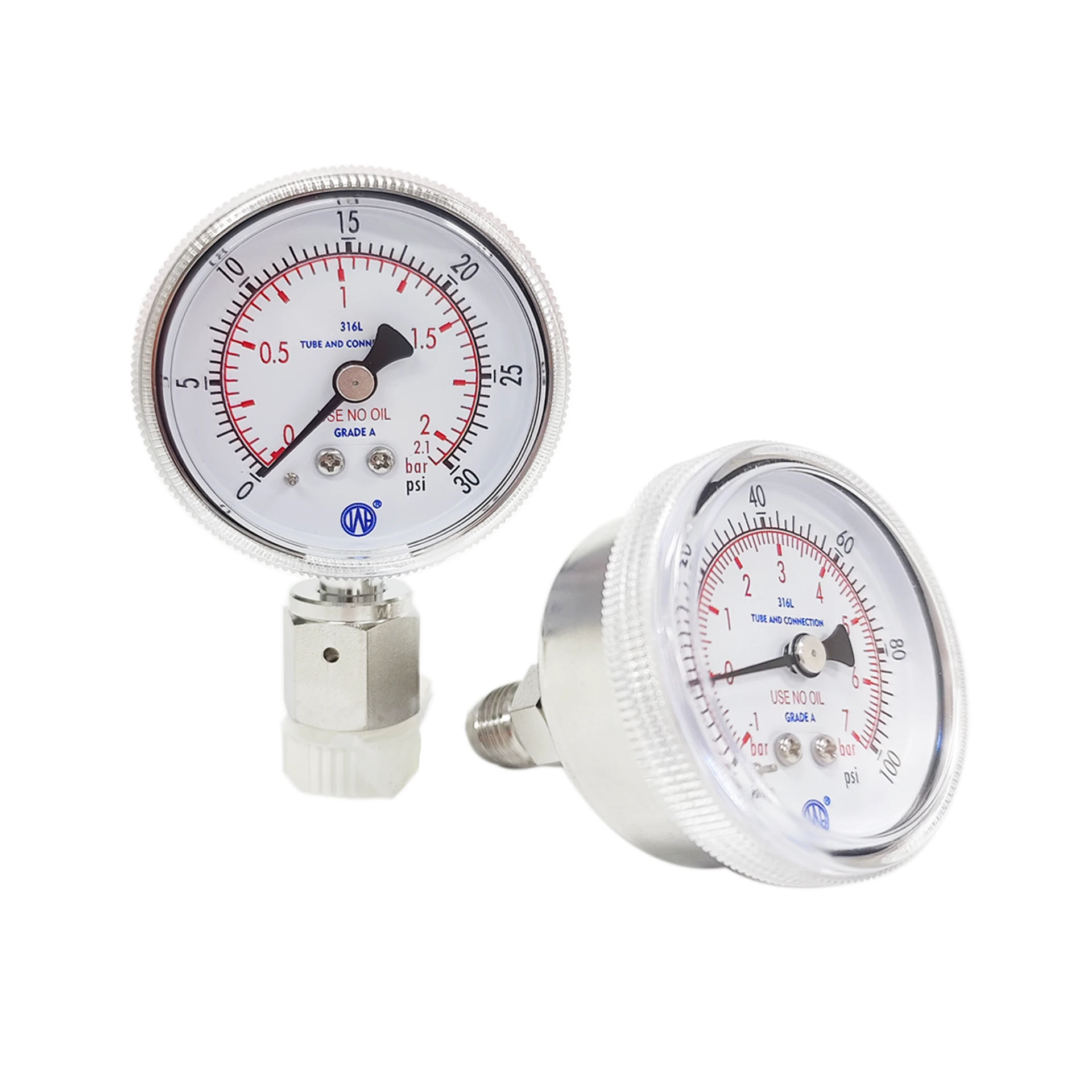
(Ultra)high purity clean pressure gauge-UPG50 / HPG50
-
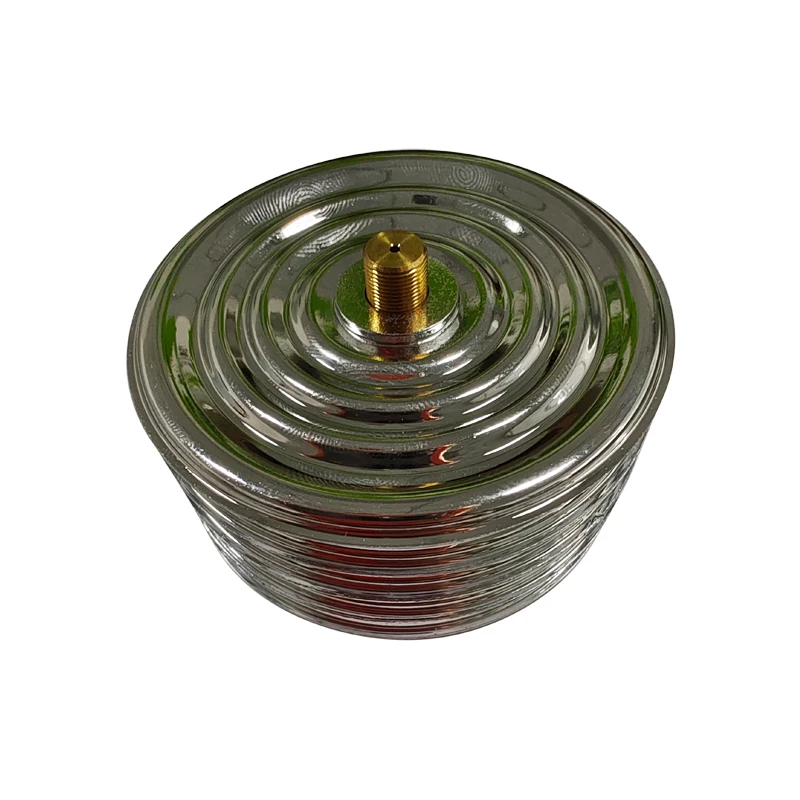
Pressure Diaphragm Capsule-Capsule string-Cube electroplate
-
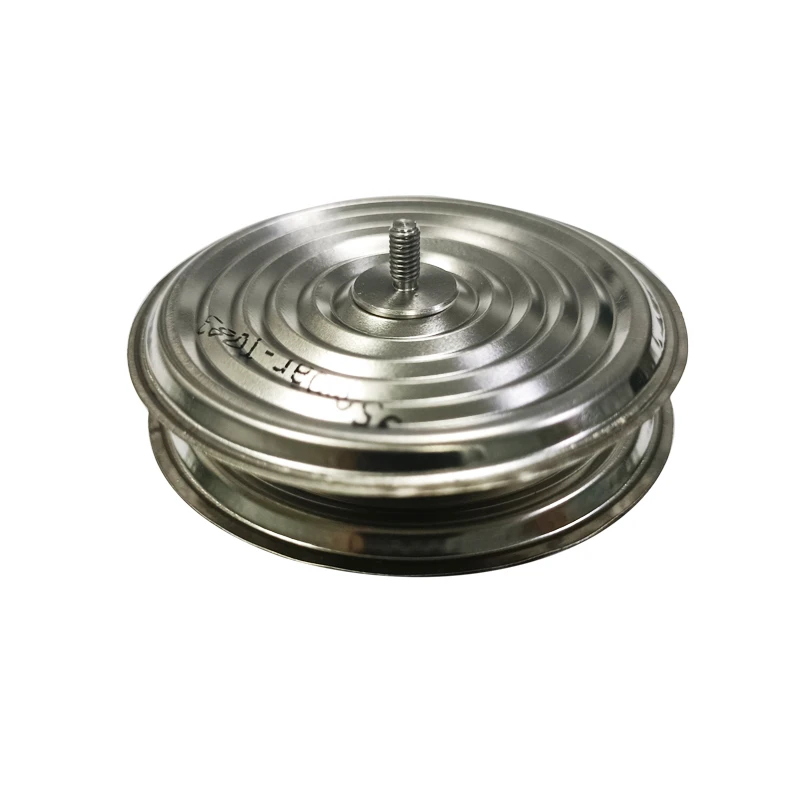
Pressure Diaphragm Capsule-Dual Capsule-316/L SS
-
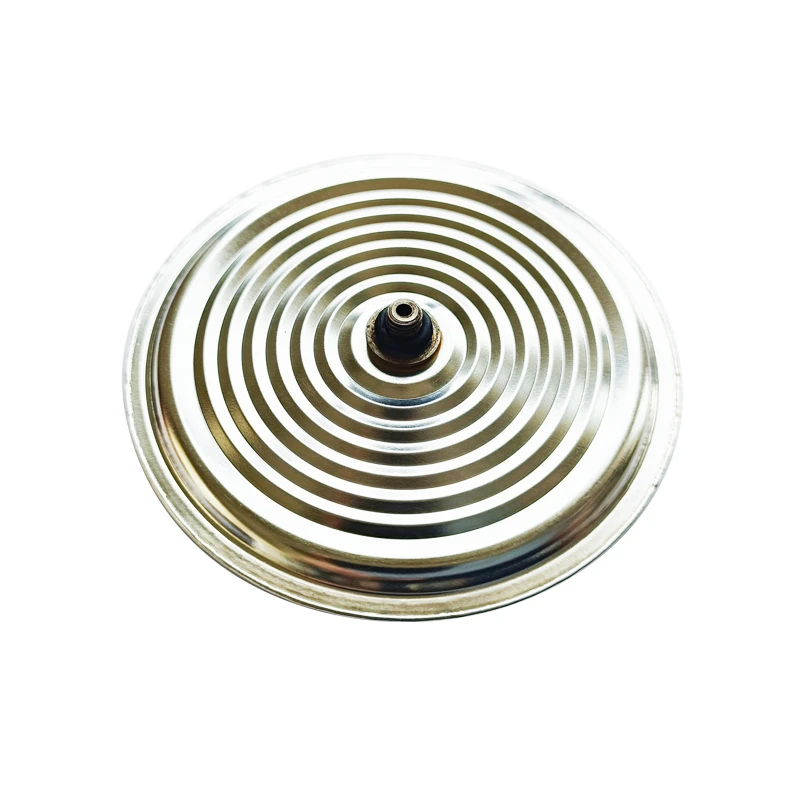
Pressure Diaphragm Capsule(DC)-316 SS-48mm
-
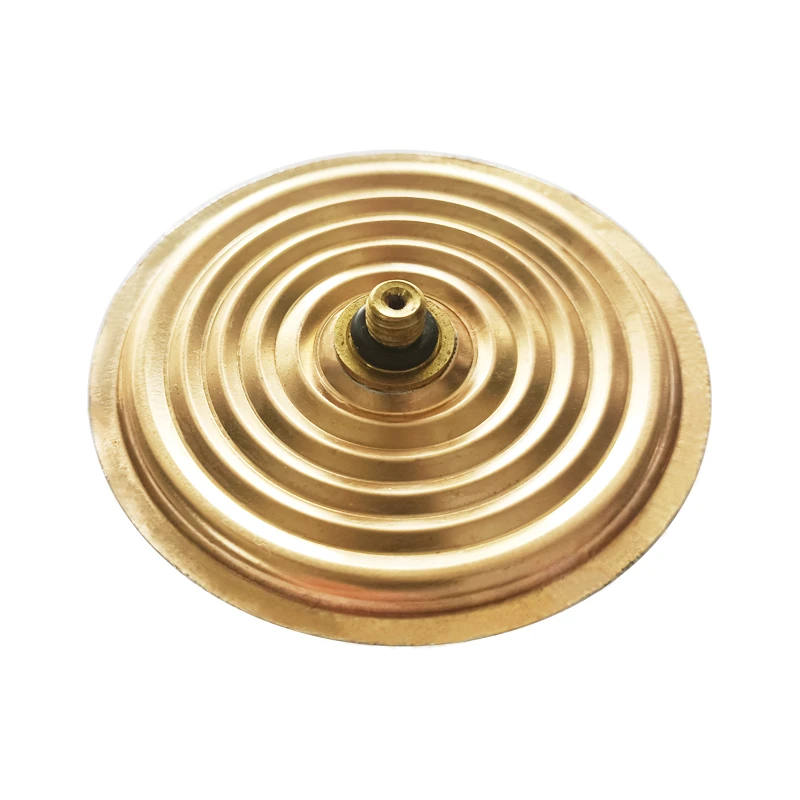
Pressure Diaphragm Capsule(DC)-All copper type-48mm
-
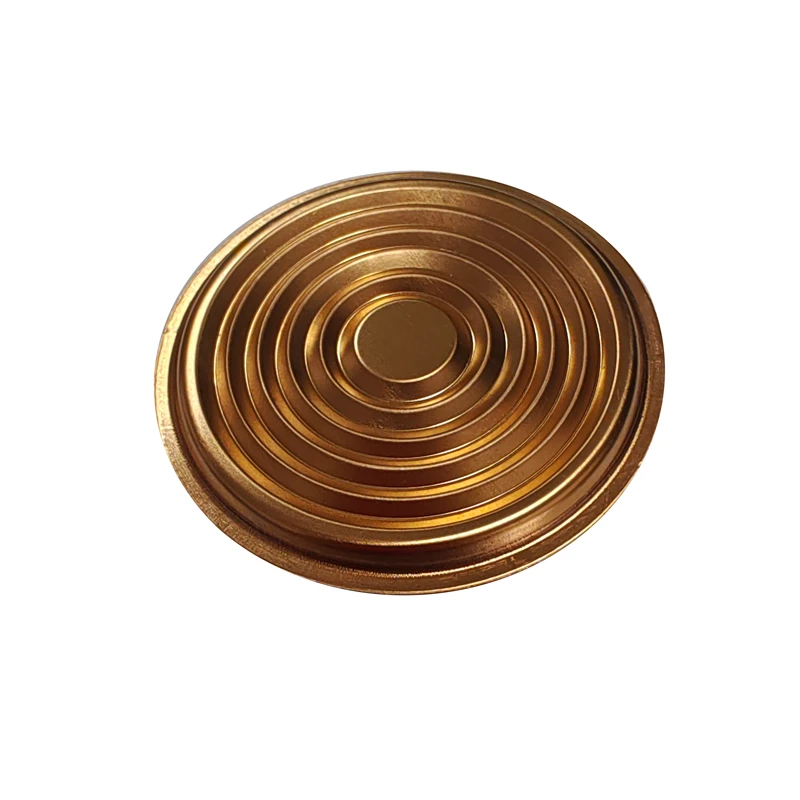
Pressure Single Diaphragm -micropressure-48mm,CuBe2
-
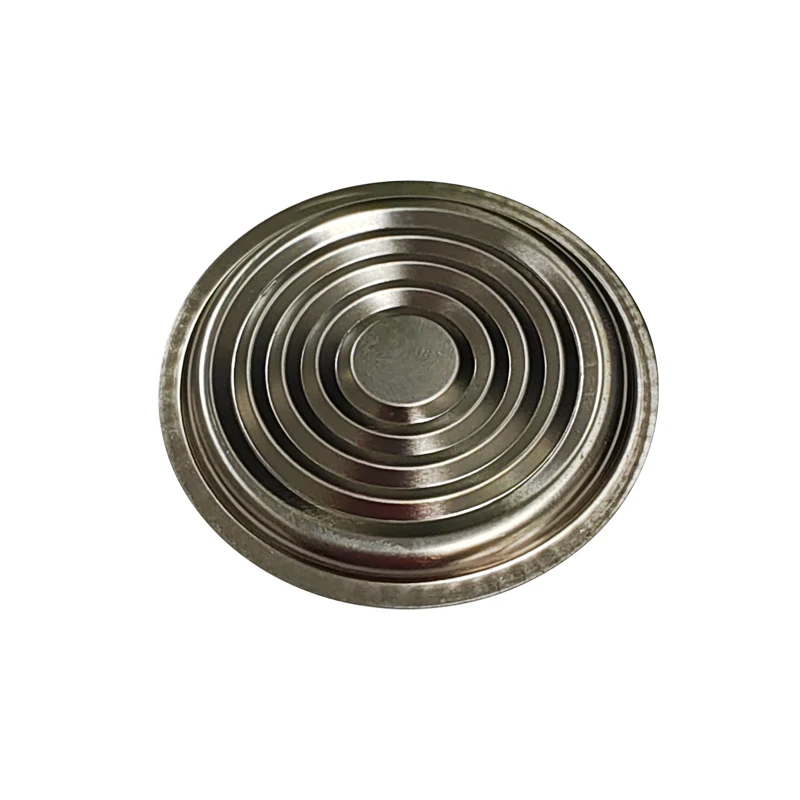
Pressure Single Diaphragm -Corrugated diaphragm-micropressure316/LSS
-
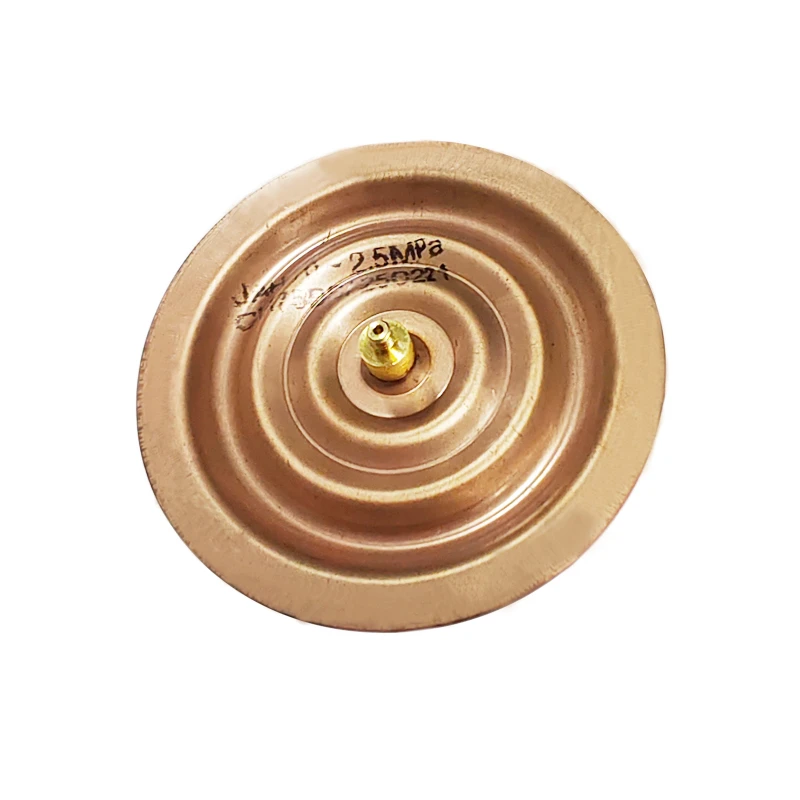
C+H Ø75AS Pressure Diaphragm(PD)-All copper type2.5MPa