


oem differential pressure gauge hydraulic
OEM Differential Pressure Gauge Hydraulic
The OEM differential pressure gauge hydraulic is a precision instrument designed to measure the difference in pressure between two points in a hydraulic system. Engineered for reliability and accuracy, this gauge is essential for monitoring and controlling fluid dynamics in various industrial applications. Whether it’s for fluid filtration, pump systems, or HVAC, this gauge ensures optimal performance and safety in your operations.
Key Features
- High Accuracy: Designed to provide precise measurements, ensuring efficient system performance.
- Robust Construction: Made from durable materials to withstand harsh industrial environments.
- Wide Measurement Range: Accommodates a variety of pressure ranges suitable for different applications.
- Easy Installation: User-friendly design allows for quick and easy integration into existing systems.
- Clear Dial Readings: Features large, easy-to-read dial for enhanced visibility and monitoring.
Technical Specifications
| Specification | Details |
|---|---|
| Model | OEM-DPGH-001 |
| Pressure Range | 0-100 psi to 0-1000 psi |
| Accuracy | ±1% full scale |
| Connection Type | 1/4" NPT or customized |
| Material | Stainless steel housing |
| Temperature Range | -20°C to 60°C |
| Weight | 500 grams |
Application Scenarios
The OEM differential pressure gauge hydraulic is versatile and suitable for various industrial applications, including:
- Hydraulic Systems: Monitoring pressure differences in hydraulic circuits ensures optimal operation and safety.
- Filtration Systems: Measuring pressure drop across filters to determine when maintenance is required.
- HVAC Systems: Monitoring air pressure in ductwork to maintain airflow efficiency.
- Water Treatment: Ensuring proper functioning of pumps and filtration systems in water treatment facilities.
- OEM Applications: Custom solutions for equipment manufacturers requiring precise pressure monitoring.
Advantages
Choosing our OEM differential pressure gauge hydraulic offers numerous advantages:
- Quality Assurance: Each gauge is rigorously tested to meet international standards, ensuring reliability.
- Customization Options: We provide tailored solutions to meet specific customer requirements.
- Competitive Pricing: Superior quality at a price point that maximizes your return on investment.
- Expert Support: Our team of professionals is available to assist you with installation and troubleshooting.
Why Choose Us
As a leader in industrial instrumentation, we pride ourselves on delivering high-quality products and exceptional service. Here’s why you should choose us for your OEM differential pressure gauge hydraulic needs:
- Proven Track Record: Years of experience in the industry, serving clients globally.
- Innovation: Continuous investment in R&D to improve our product offerings.
- Customer-Centric Approach: We prioritize customer satisfaction and strive to build long-term relationships.
- Global Reach: Expertise in international trade, ensuring timely delivery to any location.
FAQ
1. What is a differential pressure gauge and how does it work?
A differential pressure gauge measures the pressure difference between two points in a system. It works by utilizing a sensing element that reacts to pressure changes, providing a readable output on a dial or digital display.
2. What applications can I use the OEM differential pressure gauge hydraulic for?
This gauge is ideal for hydraulic systems, filtration processes, HVAC systems, and more, making it a versatile tool for various industries.
3. Can I customize the pressure range for my specific needs?
Yes, we offer customization options for the pressure range and other specifications to meet your specific application requirements.
4. How do I install the differential pressure gauge?
The OEM differential pressure gauge hydraulic comes with user-friendly installation instructions. Typically, it involves connecting the gauge to the designated points in the system using the provided fittings.
5. What kind of maintenance does the gauge require?
Routine checks and calibrations are recommended to ensure accuracy. Regular visual inspections for leaks or damages will help maintain its reliability.
Verwant PRODUCTEN
-
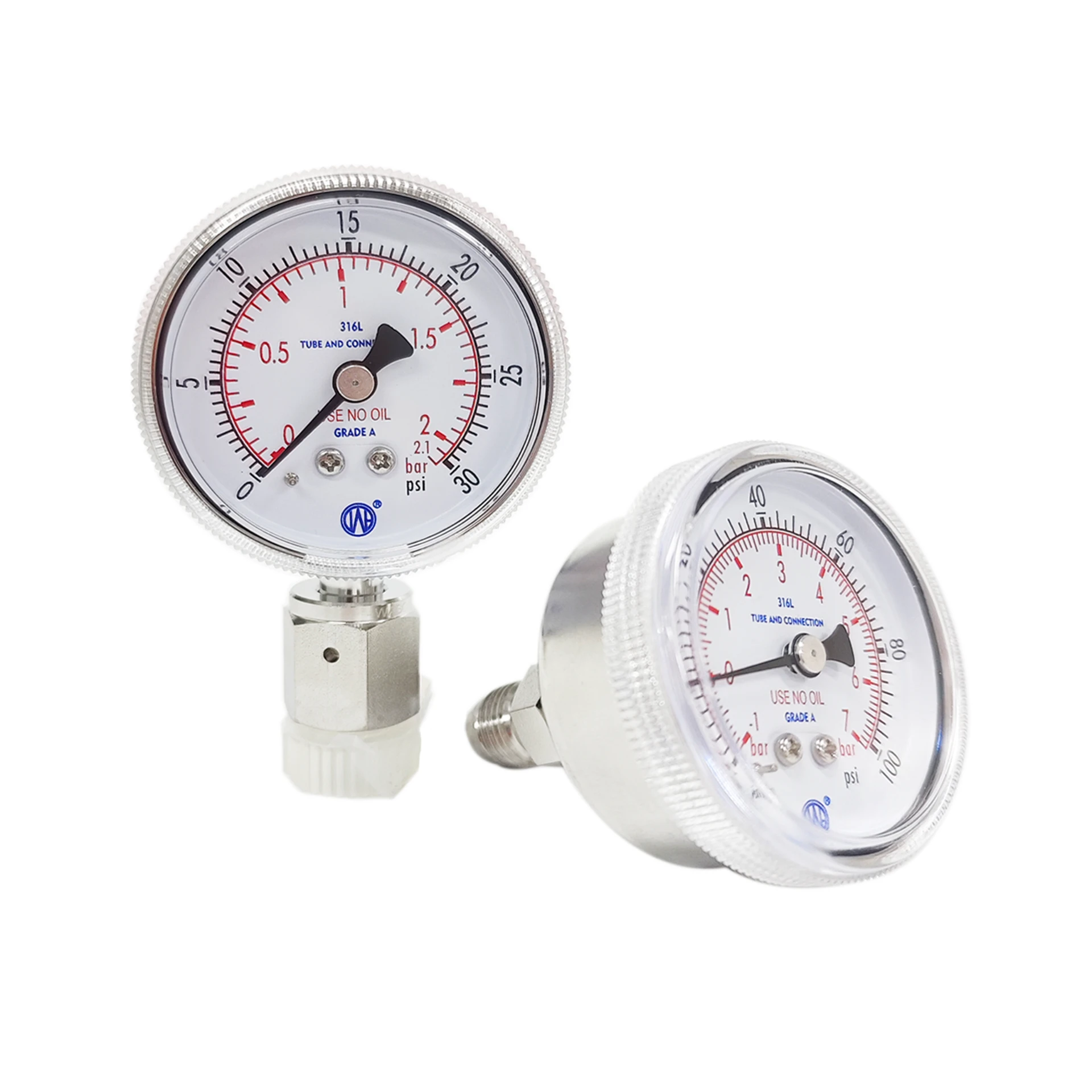
(Ultra)high purity clean pressure gauge-UPG50 / HPG50
-
Pressure Diaphragm Capsule-Capsule string-Cube electroplate
-
Pressure Diaphragm Capsule-Dual Capsule-316/L SS
-
Pressure Diaphragm Capsule(DC)-316 SS-48mm
-
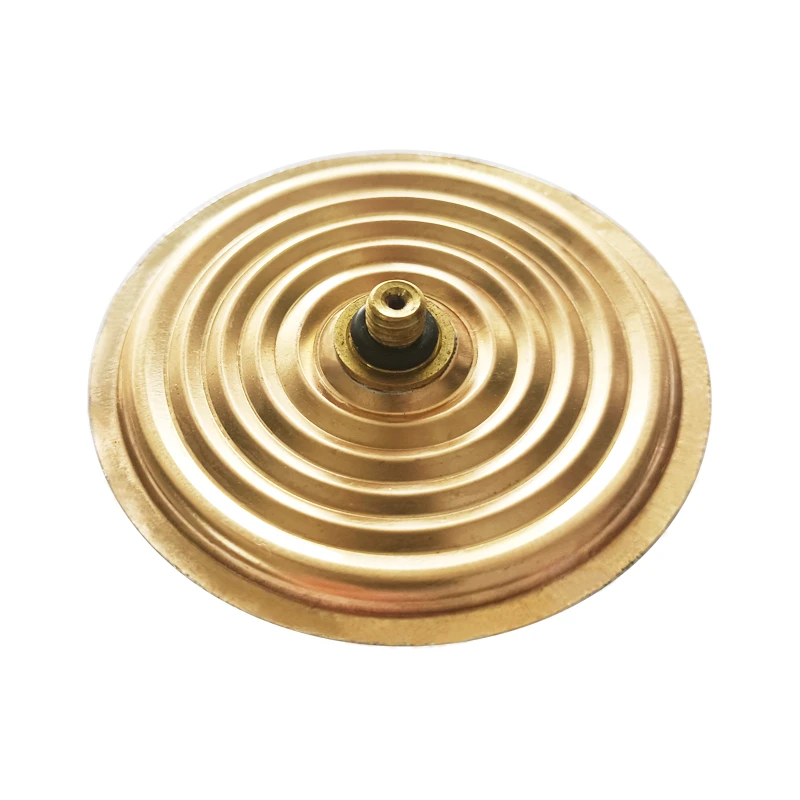
Pressure Diaphragm Capsule(DC)-All copper type-48mm
-
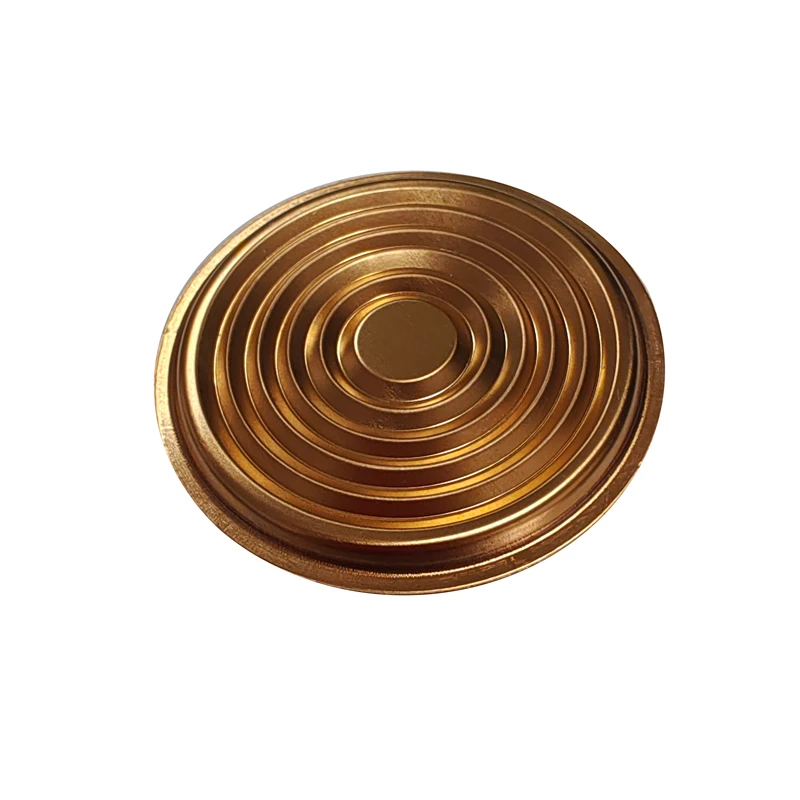
Pressure Single Diaphragm -micropressure-48mm,CuBe2
-
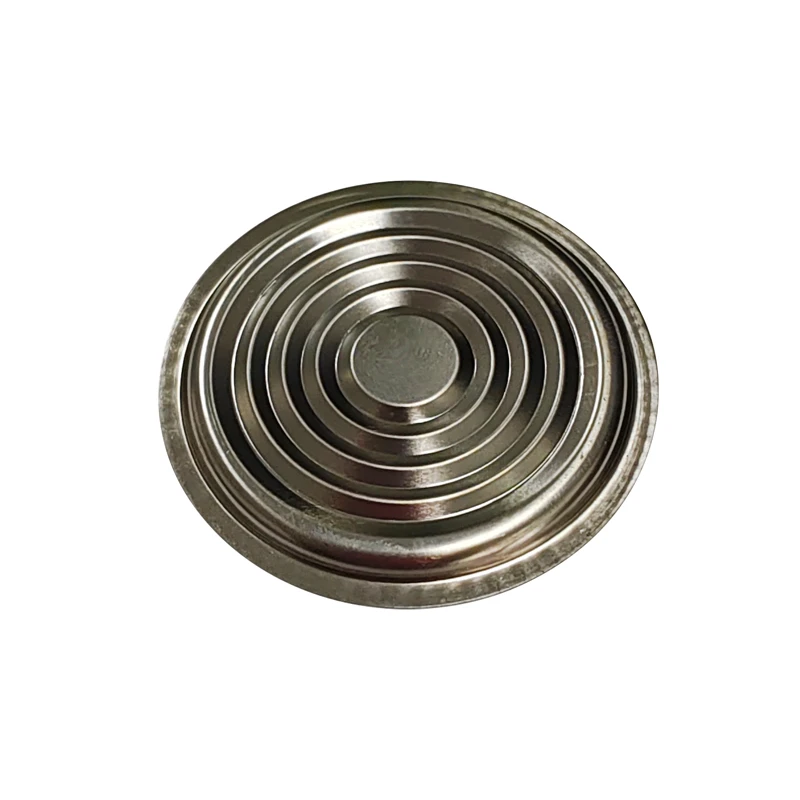
Pressure Single Diaphragm -Corrugated diaphragm-micropressure316/LSS
-
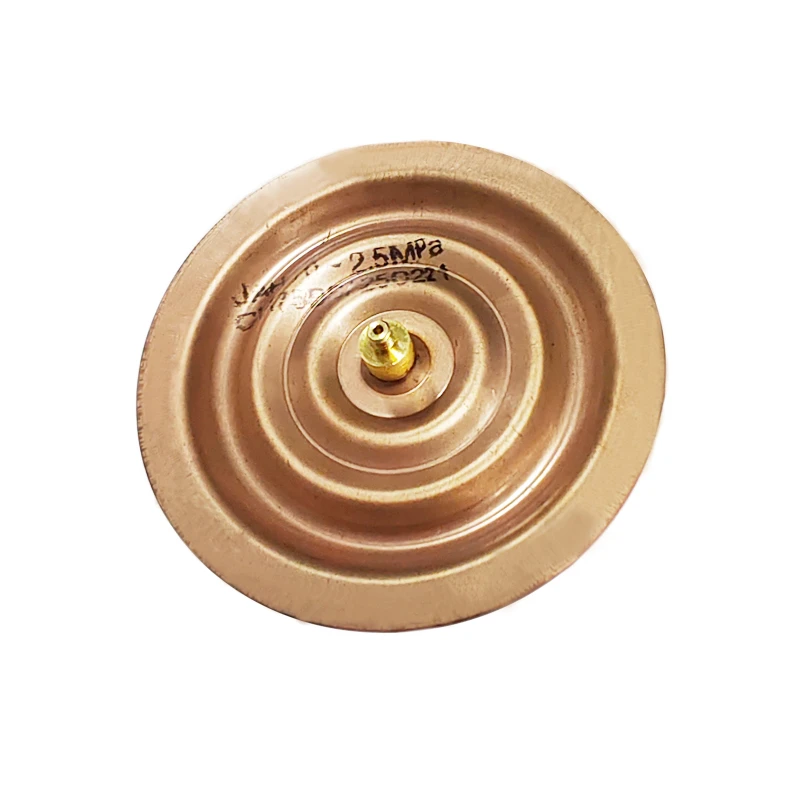
C+H Ø75AS Pressure Diaphragm(PD)-All copper type2.5MPa
 English
  Arabic
  China
China  China (Taiwan)
  Danish
  Dutch
Dutch  French
  German
  Greek
Greek  Hindi
Hindi  Indonesian
  Italian
  Japanese
  Korean
  Latin
Latin  Polish
  Portuguese
  Russian
  Spanish
  Turkish