


oem inline fire hose pressure gauge
OEM Inline Fire Hose Pressure Gauge
The OEM inline fire hose pressure gauge is a critical instrument designed to accurately measure the pressure of water flowing through fire hoses. It is essential for fire safety professionals, ensuring that fire suppression systems are operating within optimal pressure ranges. This gauge is engineered for durability and precision, making it an indispensable tool in firefighting operations and industrial applications.
Key Features
- High Accuracy: Provides precise pressure readings, crucial for effective firefighting.
- Robust Construction: Made from high-quality materials to withstand harsh environments.
- Easy Installation: Designed for quick and straightforward installation on various fire hose systems.
- Wide Pressure Range: Suitable for various applications with a broad range of pressure measurements.
- Clear Display: Features a large, easy-to-read dial for swift pressure assessment.
Technical Specifications
| Specification | Details |
|---|---|
| Model | OEM-FH-100 |
| Pressure Range | 0-300 PSI |
| Accuracy | ±1.5% FS |
| Material | Stainless Steel |
| Dial Size | 4 inches |
| Connection Size | 1/2" NPT |
| Temperature Range | -40°F to 140°F |
Application Scenarios
The OEM inline fire hose pressure gauge is versatile and can be used in various applications, including:
- Fire Departments: Ensures that fire hoses are pressurized correctly during firefighting operations.
- Industrial Facilities: Monitors pressure in fire suppression systems within factories and warehouses.
- Construction Sites: Used to verify the functionality of fire safety equipment on-site.
- Agricultural Operations: Applicable in irrigation systems where pressure monitoring is crucial.
- Marine Applications: Ideal for boats and ships equipped with fire suppression systems.
Advantages
Investing in the OEM inline fire hose pressure gauge offers numerous advantages:
- Enhanced Safety: Accurate pressure readings enhance the safety of firefighting operations, reducing the risk of equipment failure.
- Cost-Effective: Durable construction minimizes the need for frequent replacements, offering long-term savings.
- User-Friendly: The straightforward design allows for quick readings, enabling rapid response in emergencies.
- Customizable Options: Available in various specifications to meet specific industry needs.
- Reliable Performance: Designed to perform efficiently in tough conditions, ensuring consistent accuracy.
Why Choose Us
When it comes to sourcing an OEM inline fire hose pressure gauge, our company stands out due to our commitment to quality and customer satisfaction:
- Expertise: With years of experience in manufacturing precision gauges, we are industry leaders.
- Quality Assurance: Our products undergo rigorous testing to meet international quality standards.
- Customization: We offer tailored solutions to fit your specific application requirements.
- Global Reach: Our products are used in various industries worldwide, supported by robust distribution networks.
- Customer Support: Our dedicated support team is available to assist with inquiries and provide technical assistance.
FAQ
1. What is the maximum pressure the OEM inline fire hose pressure gauge can measure?
The gauge can measure up to 300 PSI, making it suitable for most fire hose applications.
2. How do I install the OEM inline fire hose pressure gauge?
The installation process is straightforward. Simply connect it to the fire hose system using the 1/2" NPT connection. Ensure that it is securely tightened to avoid leaks.
3. Can the gauge be calibrated?
Yes, the OEM inline fire hose pressure gauge can be calibrated to ensure accuracy over time. It is recommended to have it calibrated regularly as part of your maintenance routine.
4. Is the gauge resistant to harsh environments?
Absolutely. The gauge is constructed from stainless steel, which provides excellent resistance to corrosion and other environmental factors, ensuring longevity.
5. What types of industries use the OEM inline fire hose pressure gauge?
This gauge is widely used in fire departments, industrial facilities, construction sites, agriculture, and marine applications, among others.
Verwant PRODUCTEN
-
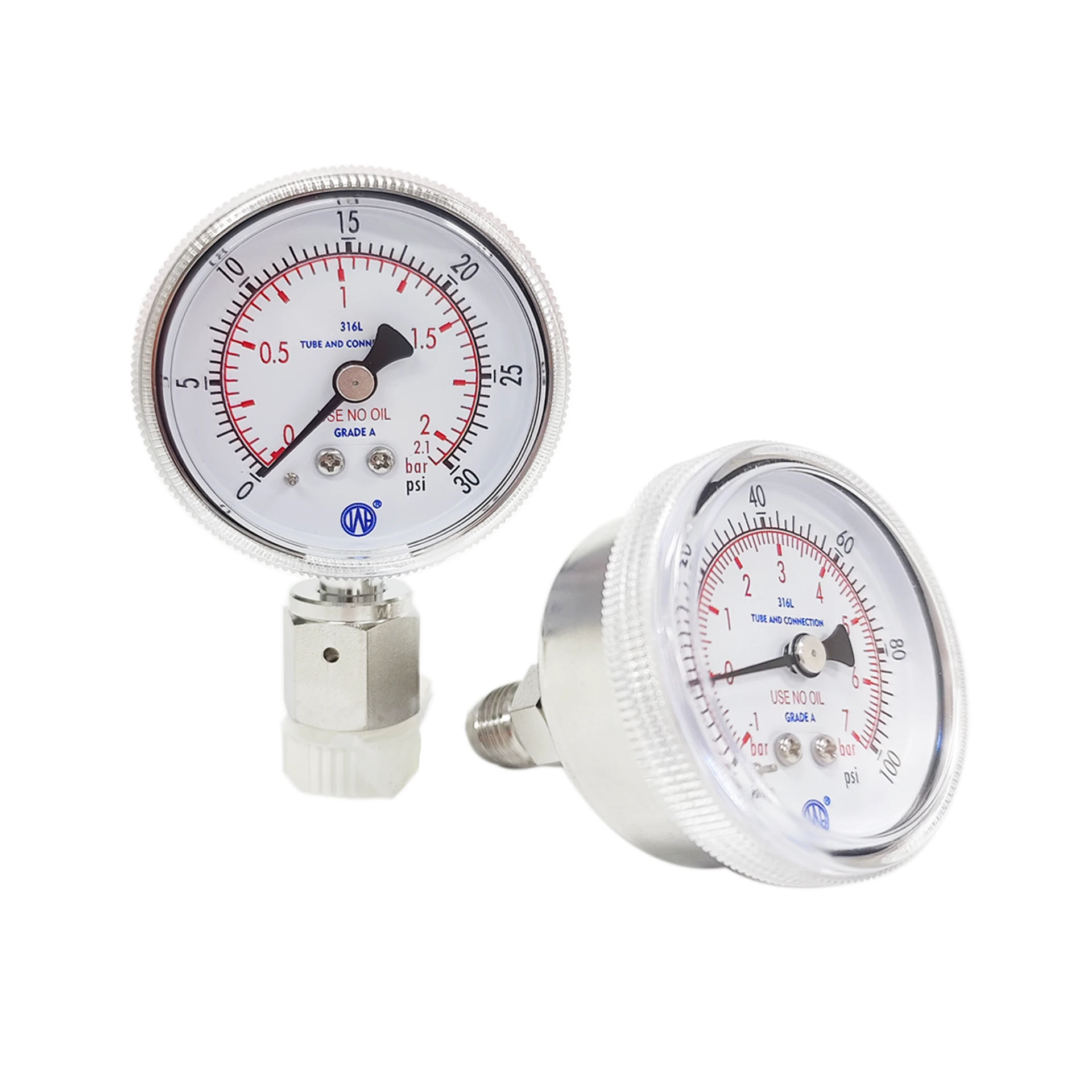
(Ultra)high purity clean pressure gauge-UPG50 / HPG50
-
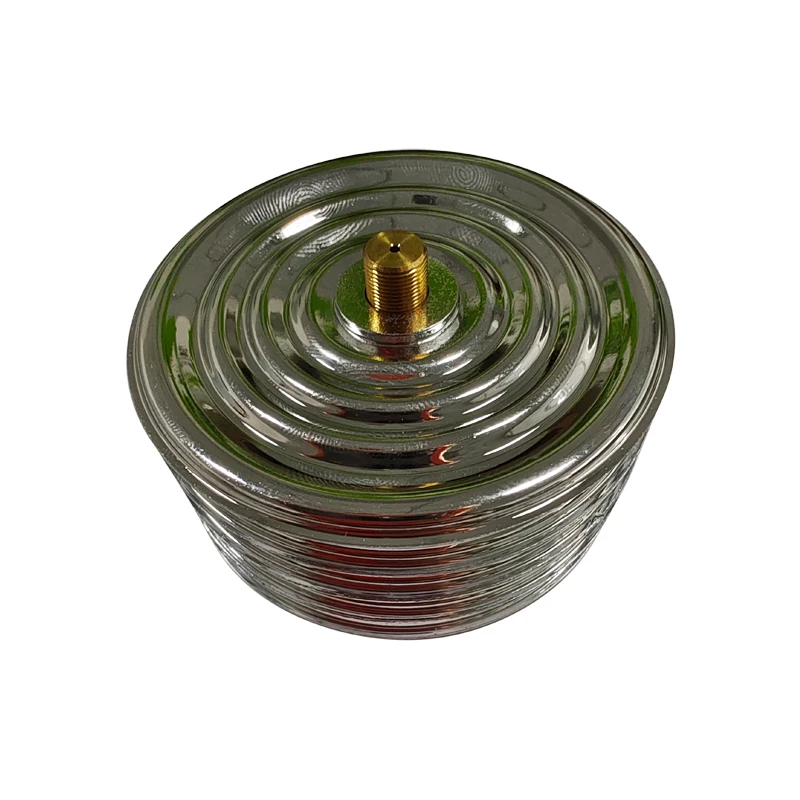
Pressure Diaphragm Capsule-Capsule string-Cube electroplate
-
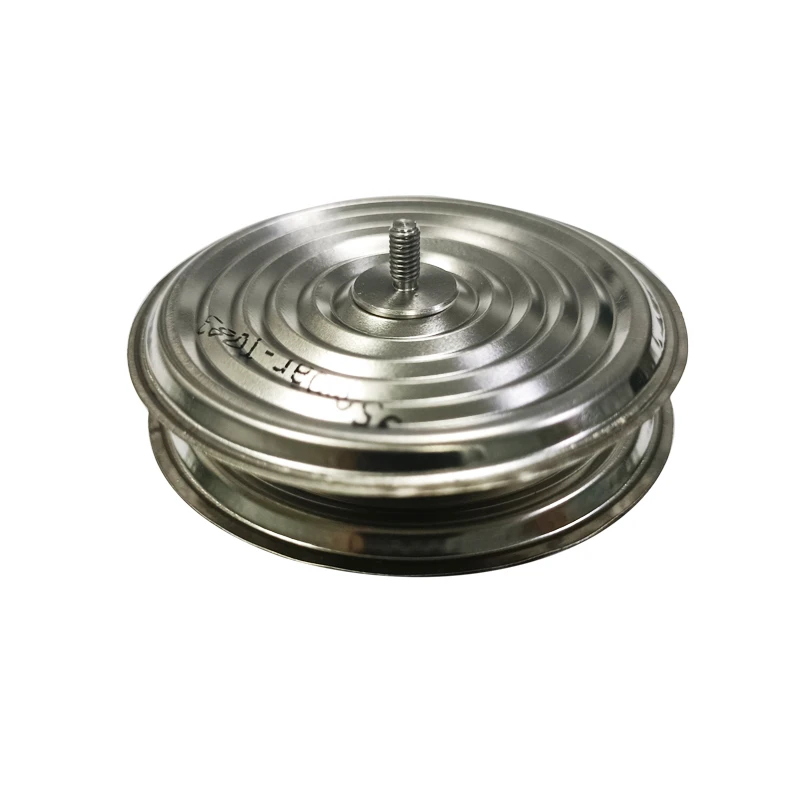
Pressure Diaphragm Capsule-Dual Capsule-316/L SS
-
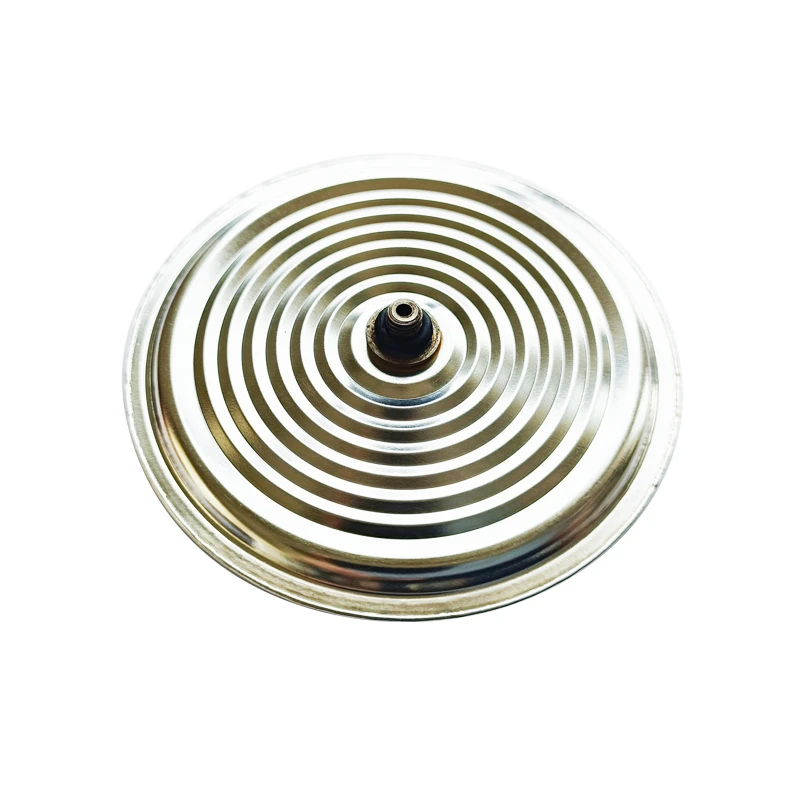
Pressure Diaphragm Capsule(DC)-316 SS-48mm
-
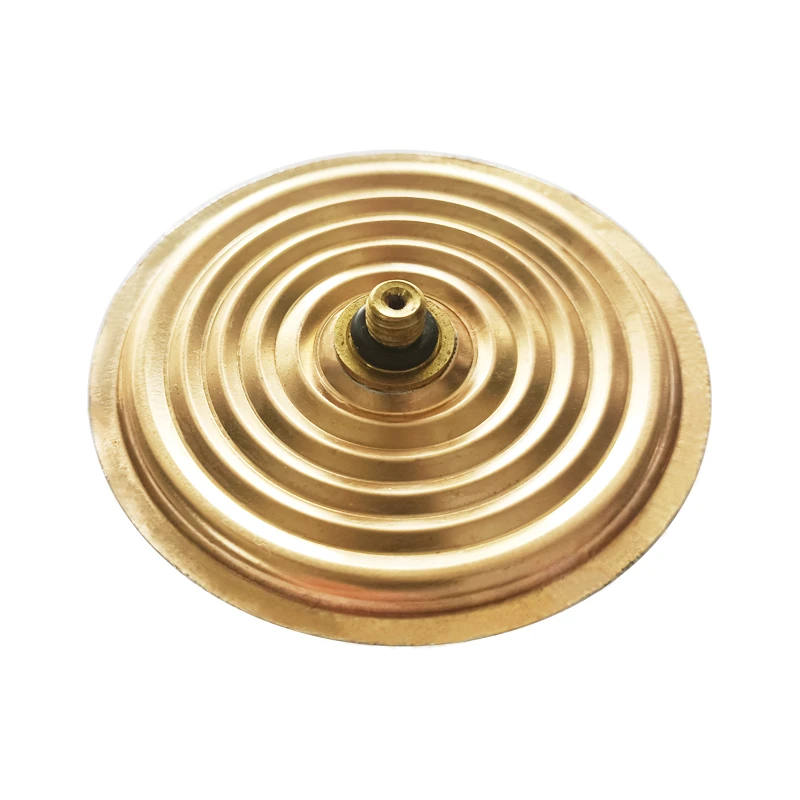
Pressure Diaphragm Capsule(DC)-All copper type-48mm
-
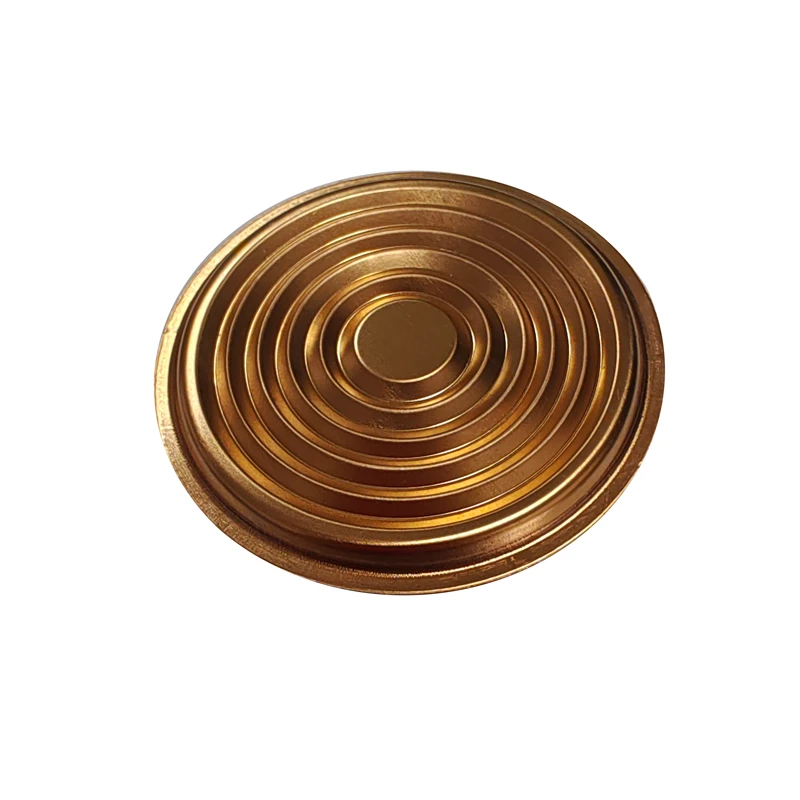
Pressure Single Diaphragm -micropressure-48mm,CuBe2
-
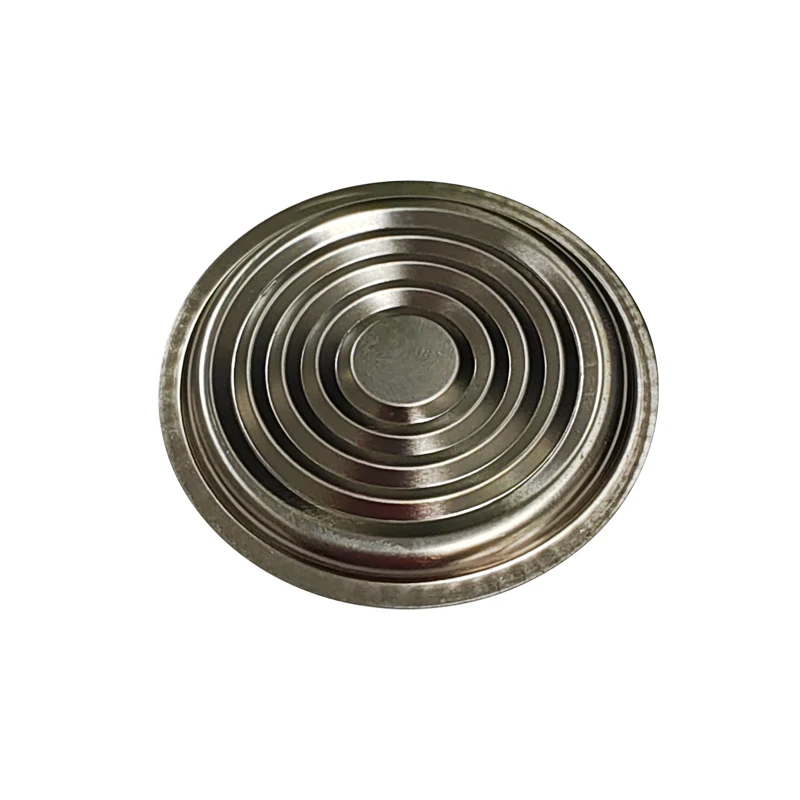
Pressure Single Diaphragm -Corrugated diaphragm-micropressure316/LSS
-
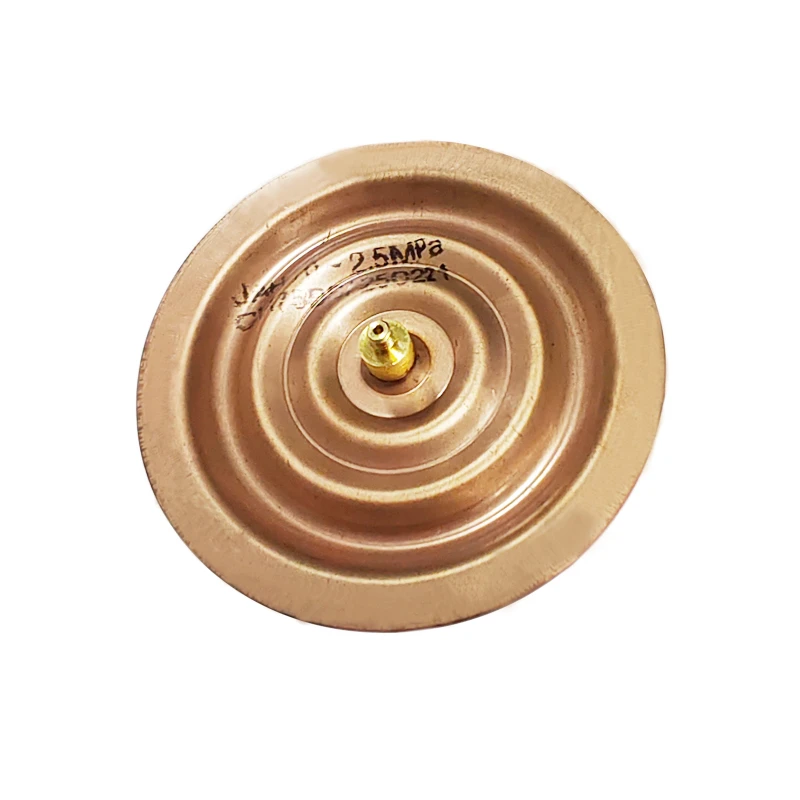
C+H Ø75AS Pressure Diaphragm(PD)-All copper type2.5MPa