


pressure gauge diaphragm type
Pressure Gauge Diaphragm Type
The pressure gauge diaphragm type is an essential instrument designed for precise measurement of pressure in various industrial applications. This type of gauge utilizes a flexible diaphragm to translate pressure changes into mechanical movements, ensuring high accuracy and reliability. Suitable for a wide range of environments, the diaphragm pressure gauge is a staple in industries such as oil and gas, chemical processing, and food and beverage production.
Key Features
- High Accuracy: The diaphragm design ensures minimal hysteresis and excellent repeatability, delivering precise readings.
- Robust Construction: Made from durable materials, these gauges can withstand harsh conditions and corrosive environments.
- Wide Measurement Range: Available in various pressure ranges, accommodating both low and high-pressure applications.
- Easy Installation: Designed for straightforward installation and integration into existing systems.
- Minimal Maintenance: The sealed diaphragm reduces the need for frequent maintenance, enhancing operational efficiency.
Technical Specifications
| Specification | Details |
|---|---|
| Pressure Range | 0-1000 psi (varies by model) |
| Accuracy | ±1% of full scale |
| Dial Size | 2.5", 4", 6" options available |
| Connection Type | 1/4" NPT, 1/2" NPT options |
| Temperature Range | -40°F to 250°F |
| Material | Stainless steel, brass, or plastic options |
Application Scenarios
The pressure gauge diaphragm type is versatile and can be employed in various industries, including:
- Oil and Gas: For monitoring pressure in pipelines and tanks, ensuring safety and efficiency.
- Chemical Processing: To measure pressure in reactors and distillation columns, where accuracy is critical.
- Food and Beverage: For monitoring pressure in processing equipment to maintain product quality.
- Pharmaceuticals: Used in sterile environments to ensure accurate pressure readings without contamination.
- HVAC Systems: To monitor and control pressure within heating and cooling systems for optimal performance.
Advantages
The diaphragm type pressure gauge offers numerous advantages that make it an ideal choice for businesses:
- Enhanced Durability: With a robust design, these gauges can endure extreme conditions, increasing their lifespan.
- Reduced Downtime: The minimal maintenance requirements lead to fewer interruptions in operations.
- Cost-Effective: High accuracy and longevity translate into lower replacement and maintenance costs over time.
- Versatile Use: Capable of handling various fluids, including corrosive and viscous substances.
- Improved Safety: Accurate pressure readings help prevent accidents and equipment failures, ensuring a safer working environment.
Why Choose Us
When selecting a supplier for your pressure gauge diaphragm type, consider the following reasons to choose us:
- Expertise: With years of experience in the industry, we have a deep understanding of your needs and challenges.
- Quality Assurance: Our products are rigorously tested to meet international standards, ensuring high performance and reliability.
- Customization: We offer tailored solutions to meet specific requirements for various applications and environments.
- Comprehensive Support: Our dedicated customer service team is always ready to assist with any inquiries or technical support.
- Global Reach: We serve a diverse range of clients across multiple industries worldwide, ensuring we understand global market demands.
FAQ
1. What is a pressure gauge diaphragm type?
A pressure gauge diaphragm type is a device that measures pressure using a flexible diaphragm. Changes in pressure cause the diaphragm to bend, translating that movement into a readable measurement on the gauge.
2. How does a diaphragm pressure gauge work?
The diaphragm inside the gauge flexes in response to pressure changes. This movement is mechanically linked to a pointer on a dial that indicates the pressure level, providing an accurate measurement.
3. Can the pressure gauge diaphragm type be used with corrosive fluids?
Yes, many diaphragm-type pressure gauges are constructed from materials that can withstand corrosive fluids. It is essential to choose the right material based on the specific application and fluid compatibility.
4. What maintenance is required for diaphragm pressure gauges?
Diaphragm pressure gauges generally require minimal maintenance. Regular checks for leaks and ensuring the gauge is clean and free from obstructions are recommended to maintain optimal performance.
5. Are there different types of diaphragm pressure gauges?
Yes, diaphragm pressure gauges come in various designs and materials tailored for specific applications, including sanitary, industrial, and high-temperature variants.
Verwant PRODUCTEN
-
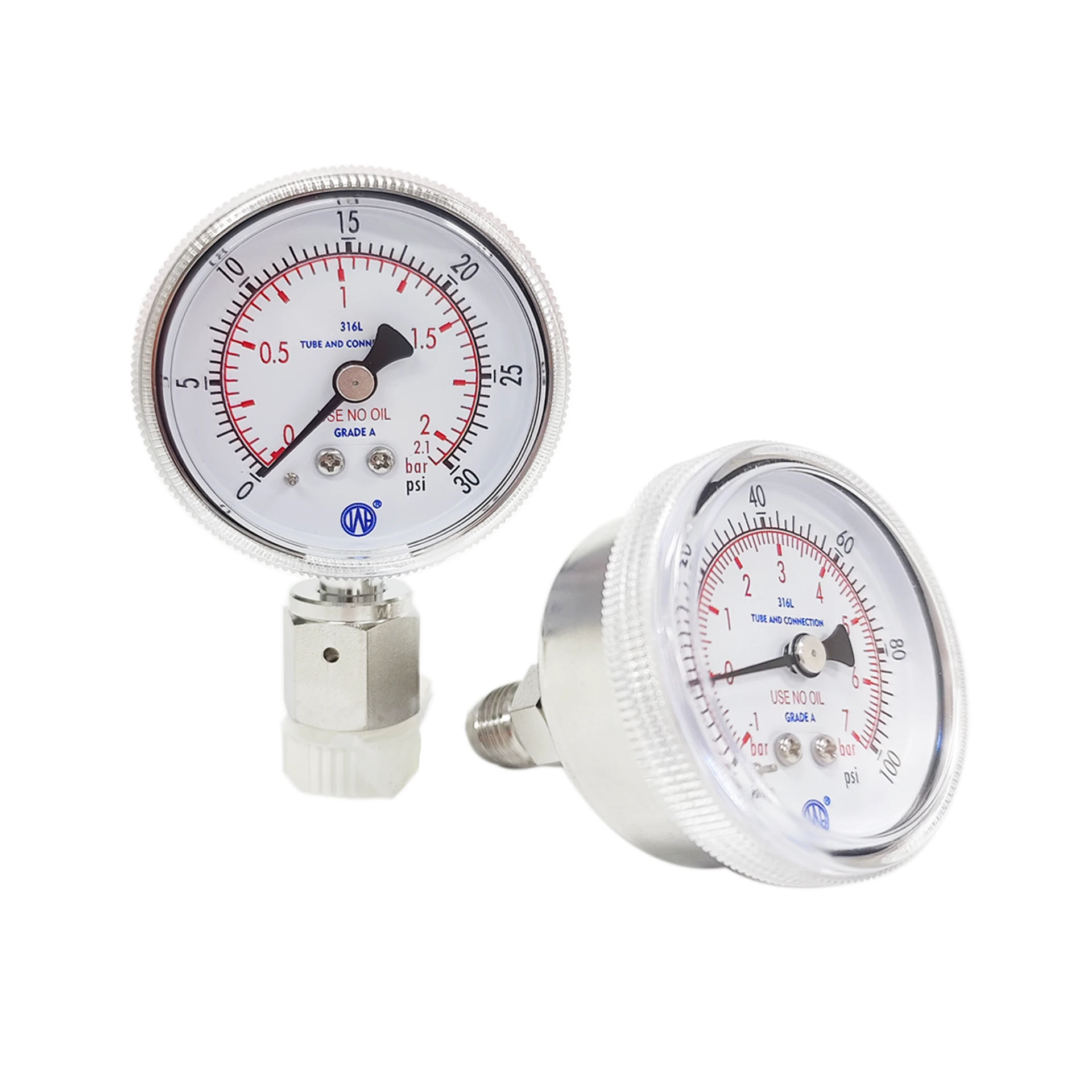
(Ultra)high purity clean pressure gauge-UPG50 / HPG50
-
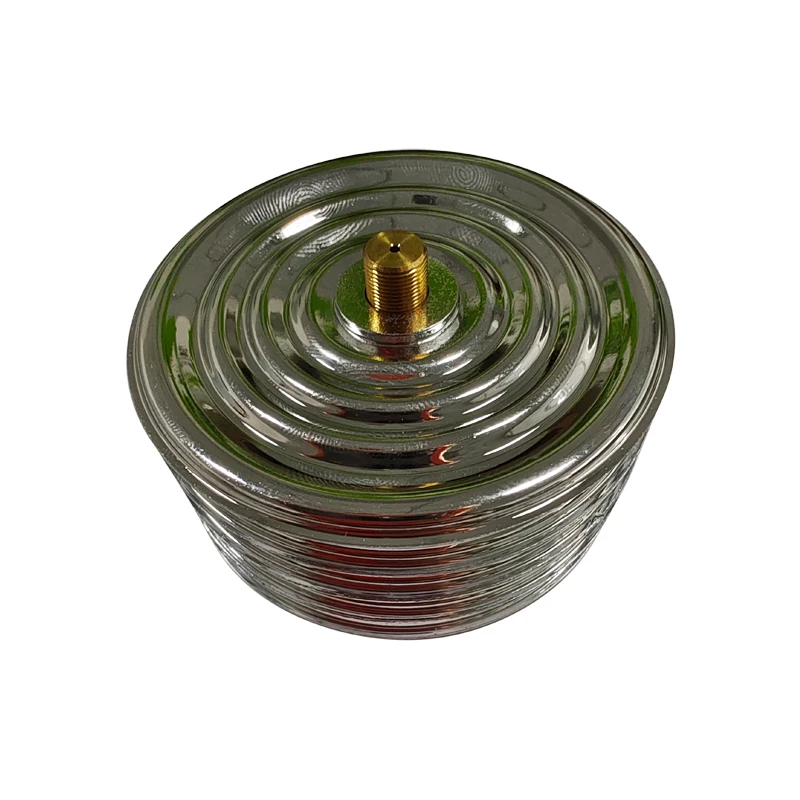
Pressure Diaphragm Capsule-Capsule string-Cube electroplate
-
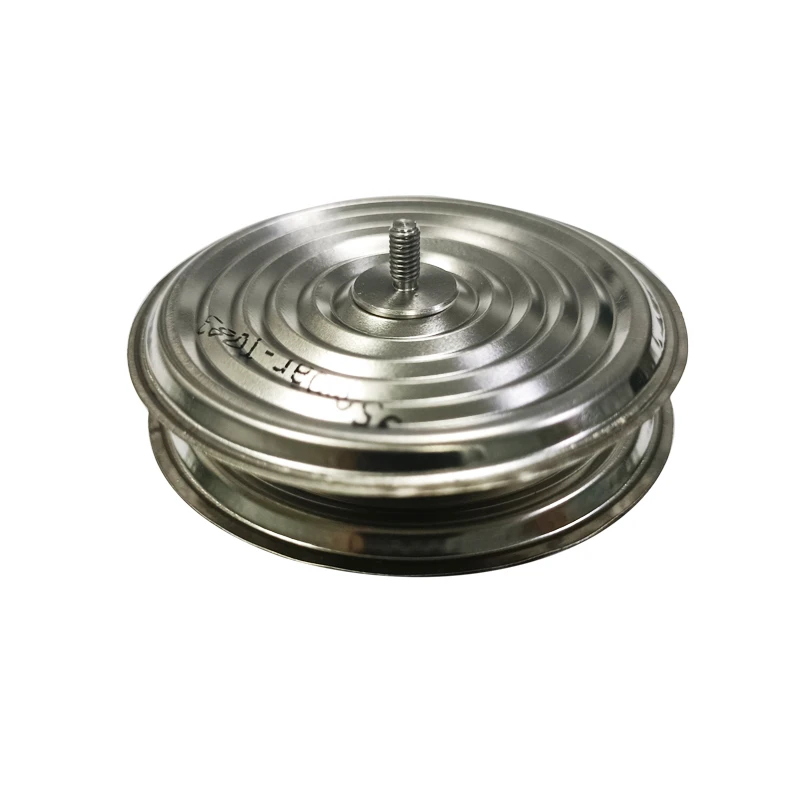
Pressure Diaphragm Capsule-Dual Capsule-316/L SS
-
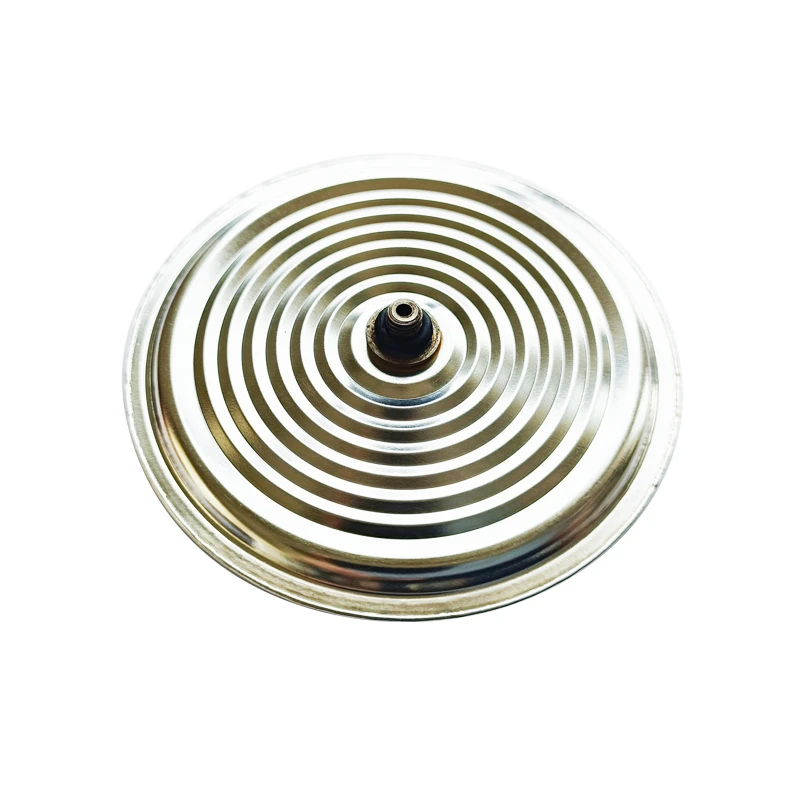
Pressure Diaphragm Capsule(DC)-316 SS-48mm
-
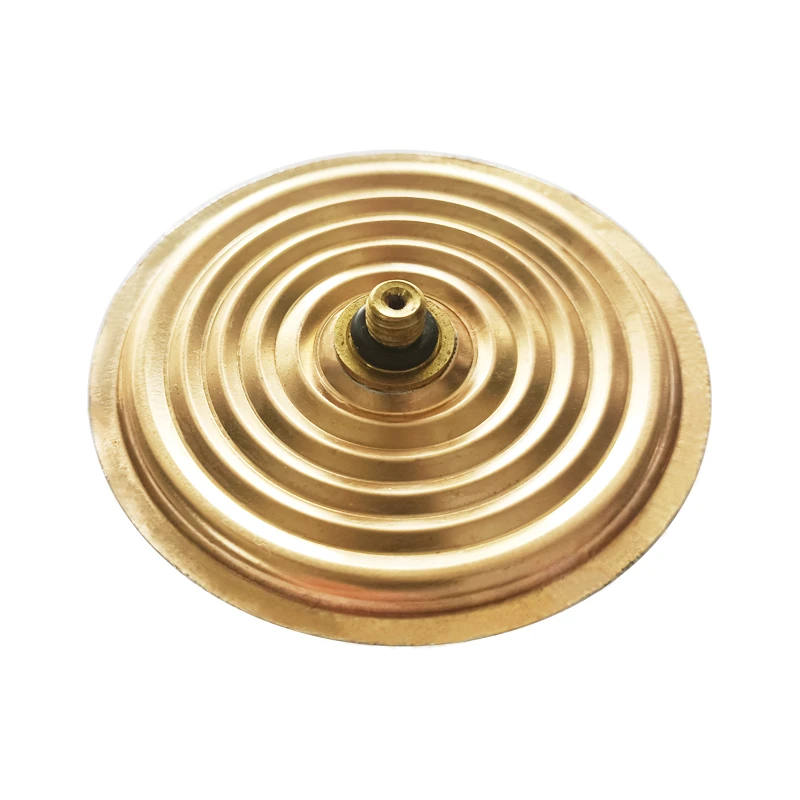
Pressure Diaphragm Capsule(DC)-All copper type-48mm
-
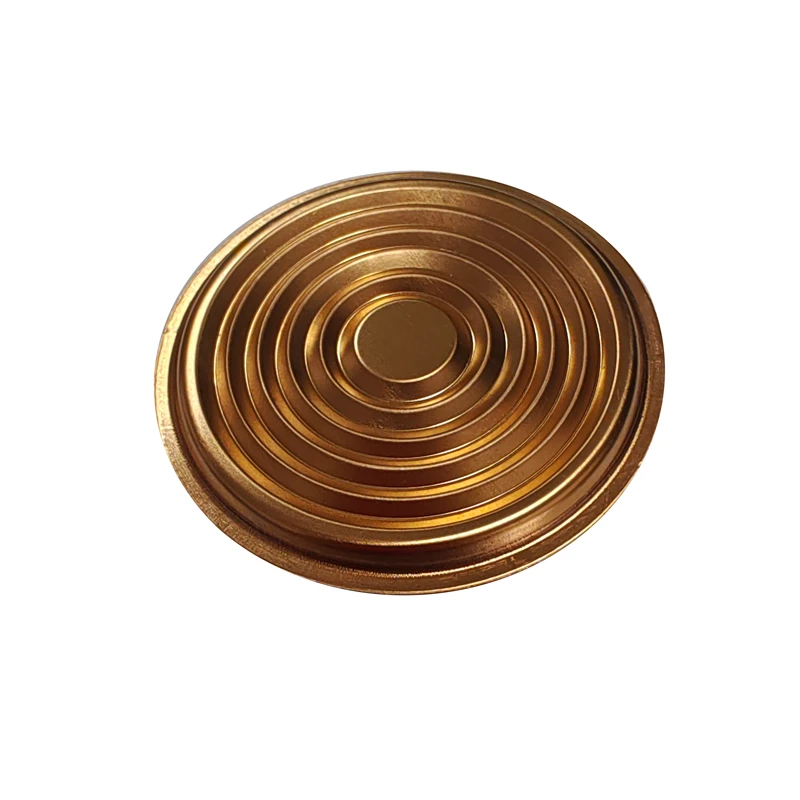
Pressure Single Diaphragm -micropressure-48mm,CuBe2
-
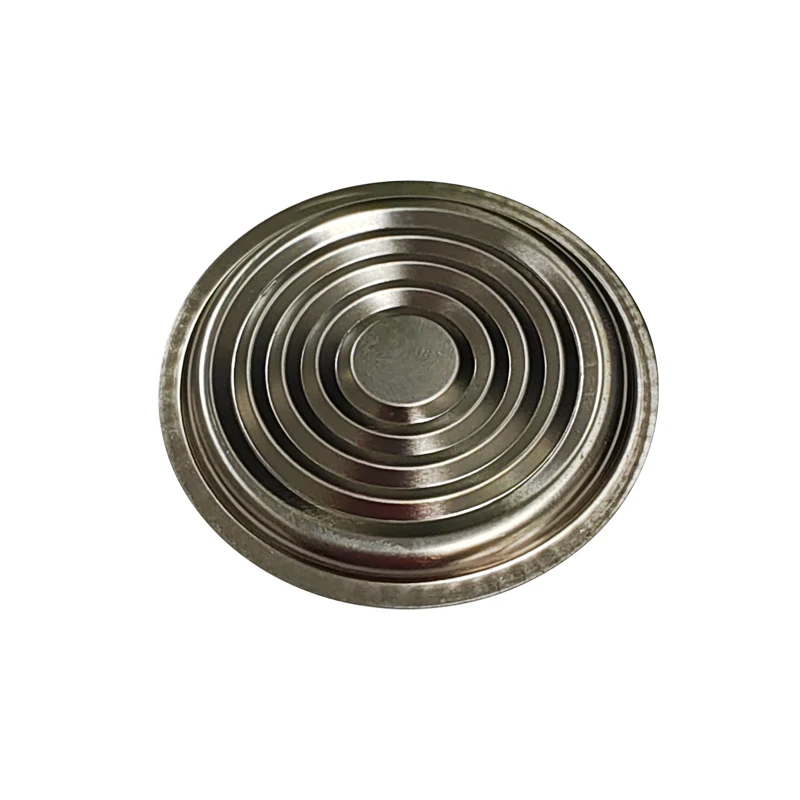
Pressure Single Diaphragm -Corrugated diaphragm-micropressure316/LSS
-
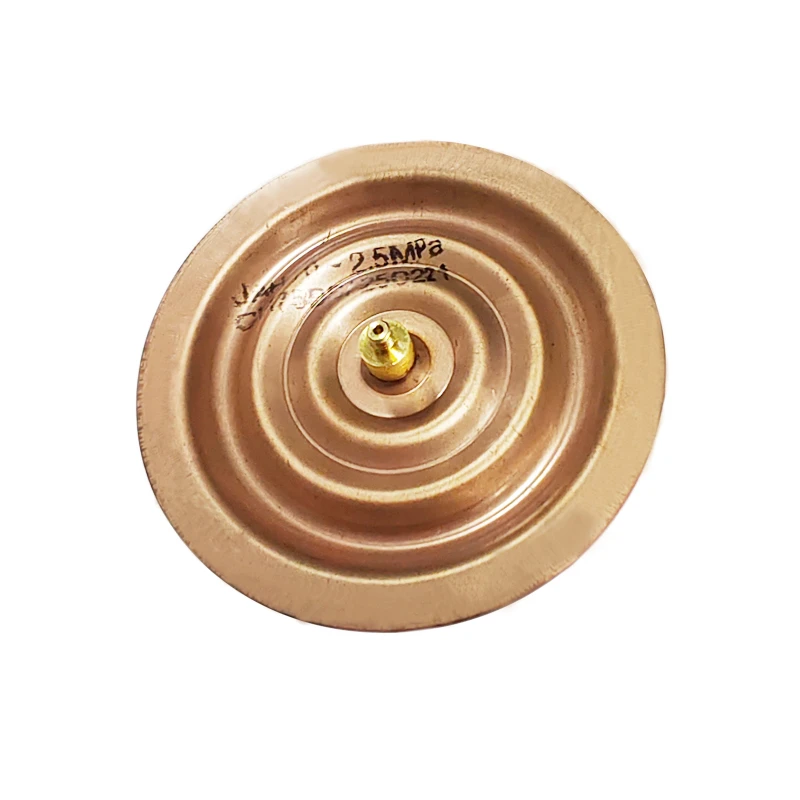
C+H Ø75AS Pressure Diaphragm(PD)-All copper type2.5MPa