


the diaphragm pressure gauge
The Diaphragm Pressure Gauge
Product Overview
The diaphragm pressure gauge is an essential instrument designed for measuring the pressure of gases and liquids in a wide range of industrial applications. Utilizing a flexible diaphragm, this gauge accurately translates pressure changes into readable measurements, providing crucial data for process monitoring and control. Whether you need it for HVAC systems, chemical processing, or water treatment facilities, the diaphragm pressure gauge ensures reliability and precision in your operations.
Key Features
- High Accuracy: Offers precise pressure readings with minimal calibration required.
- Robust Design: Constructed with durable materials to withstand harsh environments.
- Wide Pressure Range: Available in various models to measure low to high pressures.
- Easy Installation: Compatible with standard piping systems, simplifying integration.
- Corrosion Resistant: Ideal for use with aggressive fluids, ensuring longevity.
Technical Specifications
| Specification | Details |
|---|---|
| Pressure Range | 0-100 psi to 0-10,000 psi |
| Accuracy | ±1% of full scale |
| Material | Stainless Steel, Bronze, or Plastic |
| Temperature Range | -40°F to 150°F (-40°C to 65°C) |
| Connection Type | 1/4" NPT, 1/2" NPT, Flanged |
| Dial Size | 2.5", 4", 6" |
Application Scenarios
The diaphragm pressure gauge is versatile and can be used in various industries, including:
- Oil & Gas: Monitoring pressure in pipelines and storage tanks.
- Chemical Processing: Measuring pressure in reactors and distillation columns.
- Water Treatment: Ensuring optimal pressure levels in filtration systems.
- HVAC Systems: Monitoring pressure in heating and cooling applications.
- Food & Beverage: Ensuring safety and compliance in production lines.
Advantages
The diaphragm pressure gauge offers several advantages that set it apart from other pressure measurement devices:
- Durability: The robust design ensures long-lasting performance even in demanding environments.
- Low Maintenance: Minimal moving parts reduce the need for frequent maintenance.
- Versatile Applications: Suitable for various fluids and gases, making it a multi-functional tool.
- Cost-Effective: Provides reliable performance at a competitive price point.
- Real-Time Monitoring: Offers instant feedback, crucial for process adjustments.
Why Choose Us
We specialize in providing high-quality industrial measurement solutions, including the diaphragm pressure gauge. Our commitment to excellence is reflected in:
- Expertise: Years of experience in the industry, ensuring knowledgeable support.
- Quality Assurance: All products undergo rigorous testing to meet international standards.
- Custom Solutions: Tailored offerings to meet the specific needs of your applications.
- Customer Service: Dedicated support team available to assist with inquiries and technical guidance.
- Global Reach: Serving clients worldwide, ensuring timely delivery and service.
FAQ
1. What is the operating principle of the diaphragm pressure gauge?
The diaphragm pressure gauge operates by using a flexible diaphragm that deflects under pressure. This deflection is transmitted to a pointer on a dial, providing a visual representation of the pressure level.
2. How do I select the right diaphragm pressure gauge for my application?
When selecting a diaphragm pressure gauge, consider the pressure range, media compatibility, temperature conditions, and installation requirements. Our experts can help guide you in choosing the right model tailored to your specific needs.
3. Can the diaphragm pressure gauge be used for corrosive fluids?
Yes, the diaphragm pressure gauge is available in materials that are resistant to corrosion, such as stainless steel, making it suitable for various corrosive applications.
4. What maintenance is required for the diaphragm pressure gauge?
While the diaphragm pressure gauge is designed for low maintenance, periodic checks for accuracy and functionality are recommended, especially in critical applications.
5. How can I ensure the accuracy of my diaphragm pressure gauge?
Regular calibration and maintenance checks can help ensure the accuracy of your diaphragm pressure gauge. It is advisable to follow the manufacturer's guidelines for calibration intervals.
Verwant PRODUCTEN
-
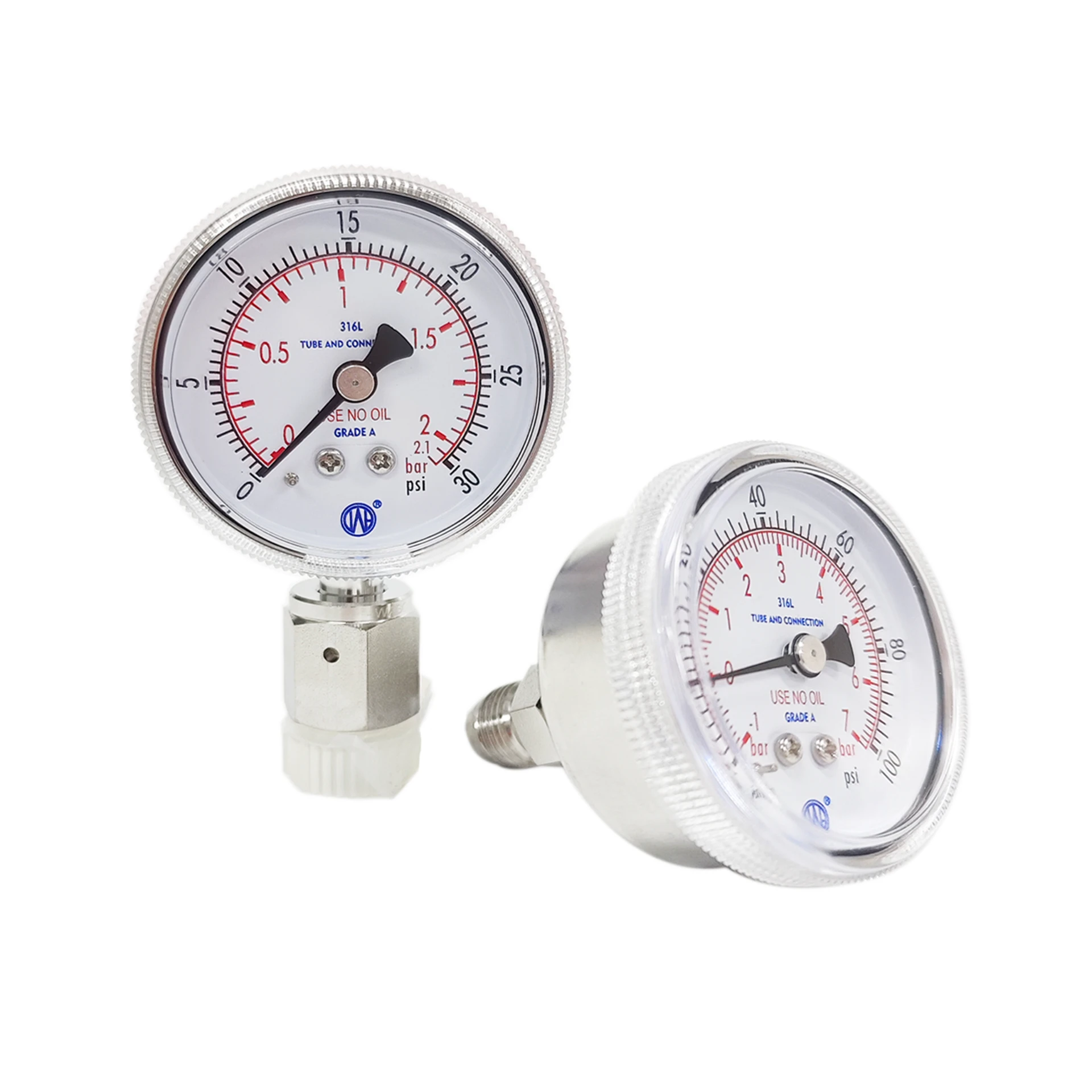
(Ultra)high purity clean pressure gauge-UPG50 / HPG50
-
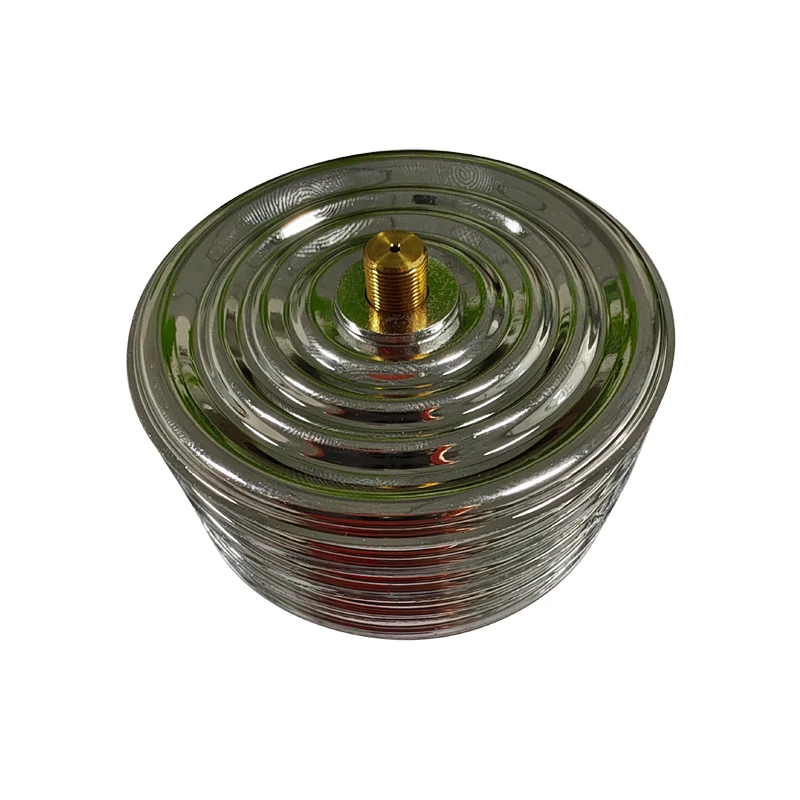
Pressure Diaphragm Capsule-Capsule string-Cube electroplate
-
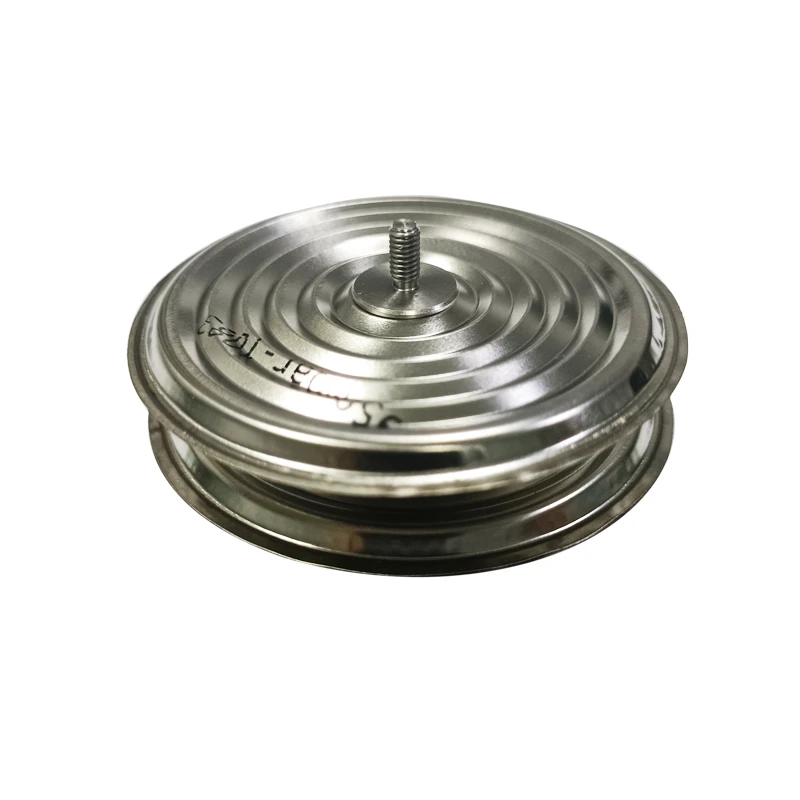
Pressure Diaphragm Capsule-Dual Capsule-316/L SS
-
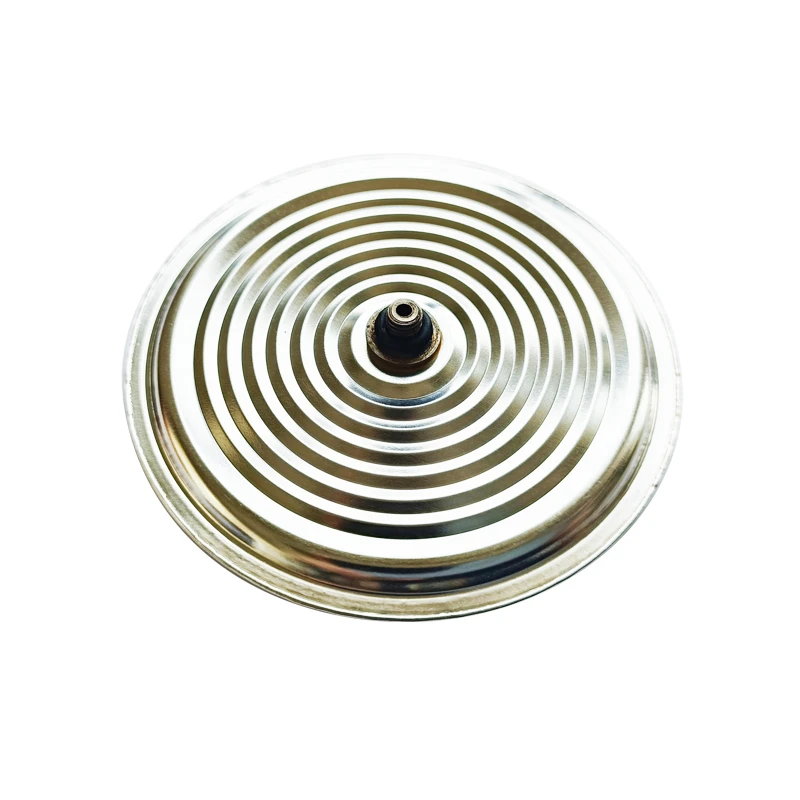
Pressure Diaphragm Capsule(DC)-316 SS-48mm
-
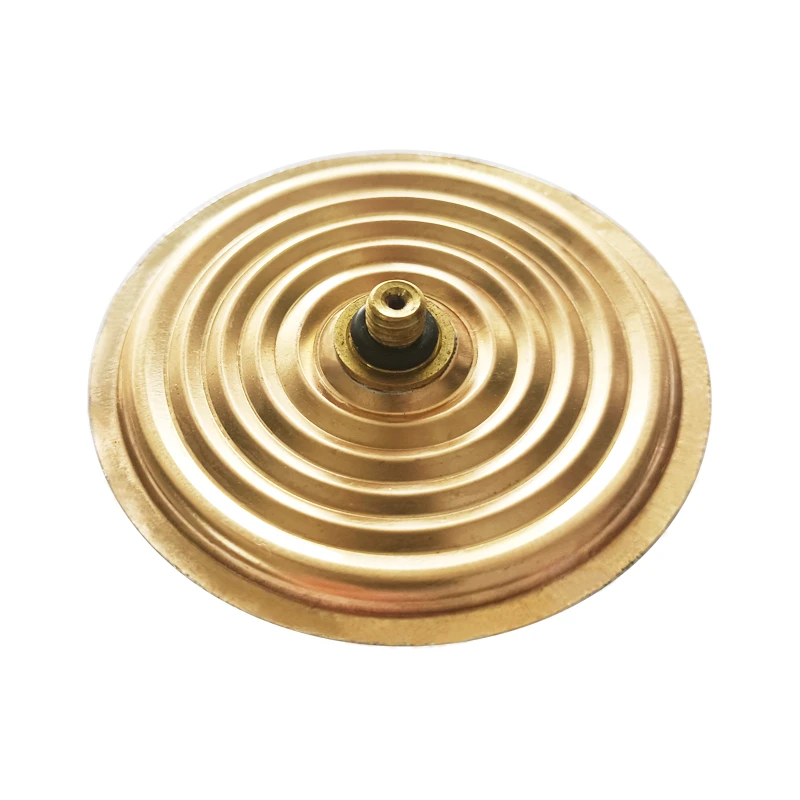
Pressure Diaphragm Capsule(DC)-All copper type-48mm
-
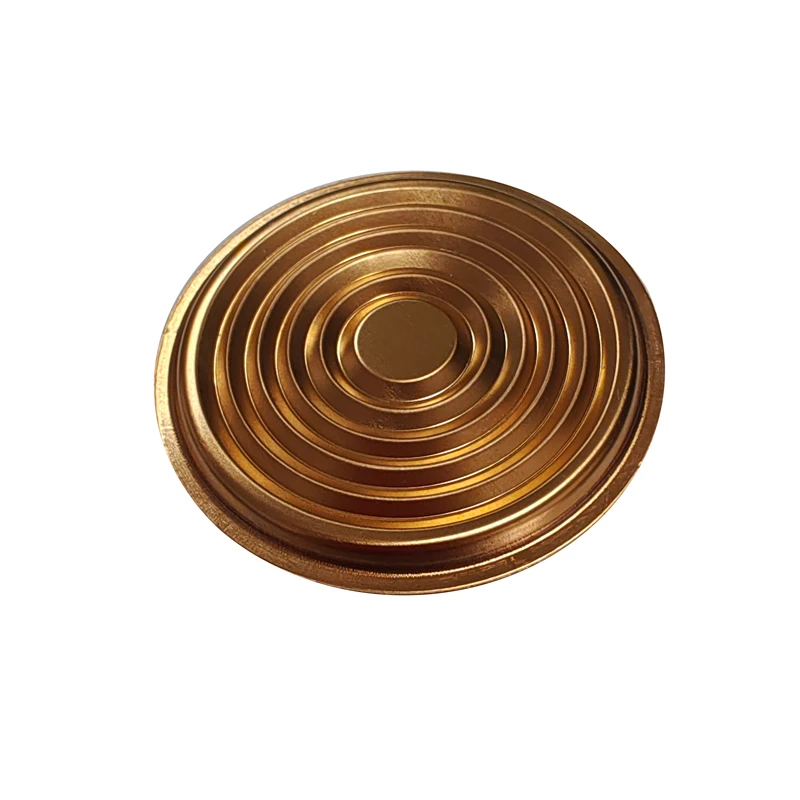
Pressure Single Diaphragm -micropressure-48mm,CuBe2
-
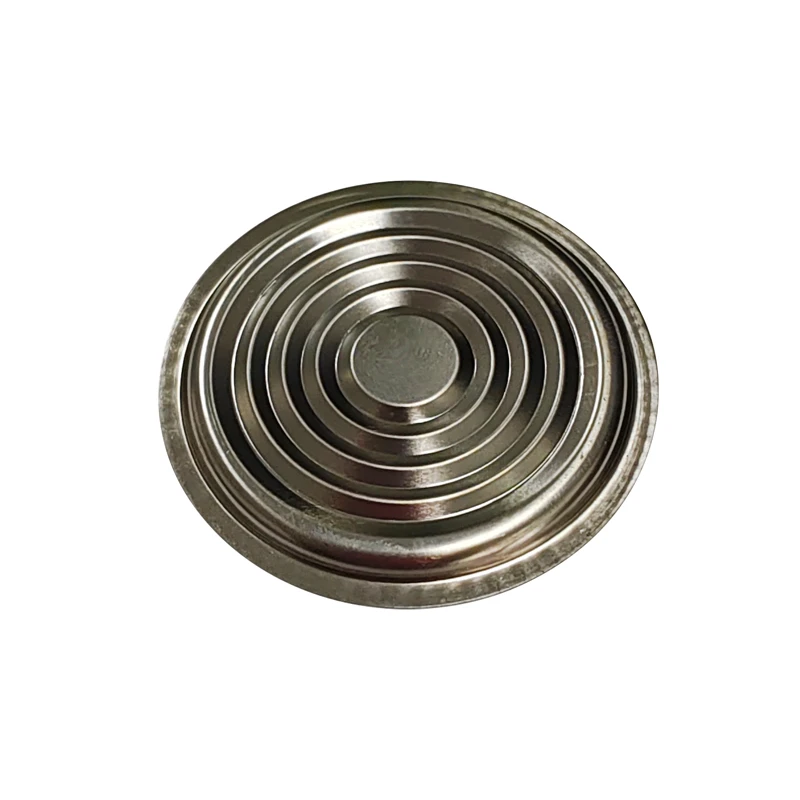
Pressure Single Diaphragm -Corrugated diaphragm-micropressure316/LSS
-
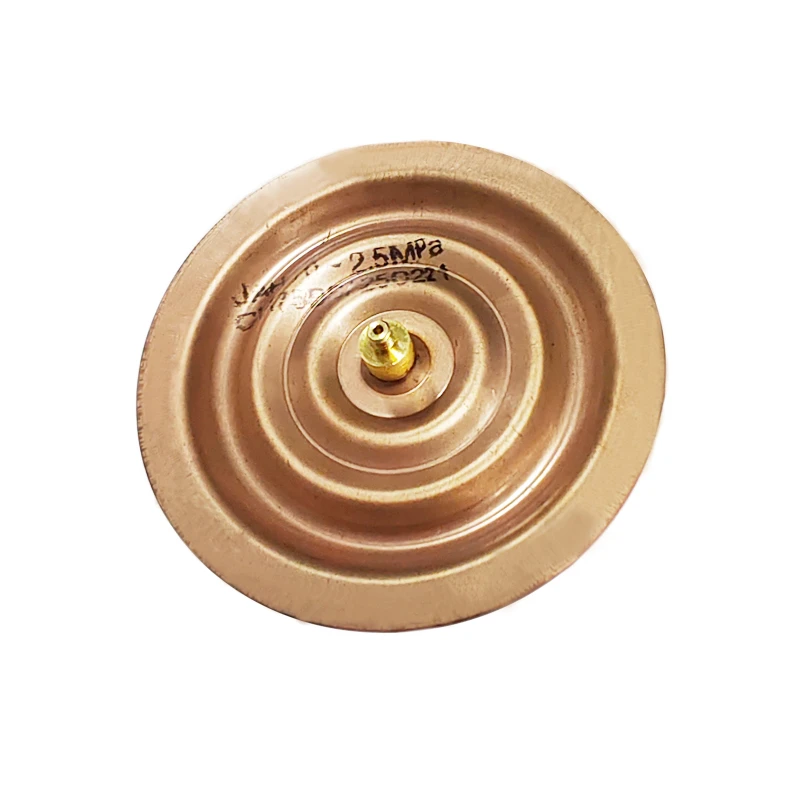
C+H Ø75AS Pressure Diaphragm(PD)-All copper type2.5MPa
 English
  Arabic
  China
China  China (Taiwan)
  Danish
  Dutch
Dutch  French
  German
  Greek
Greek  Hindi
Hindi  Indonesian
  Italian
  Japanese
  Korean
  Latin
Latin  Polish
  Portuguese
  Russian
  Spanish
  Turkish