


wika diaphragm pressure gauge
wika diaphragm pressure gauge
Product Overview
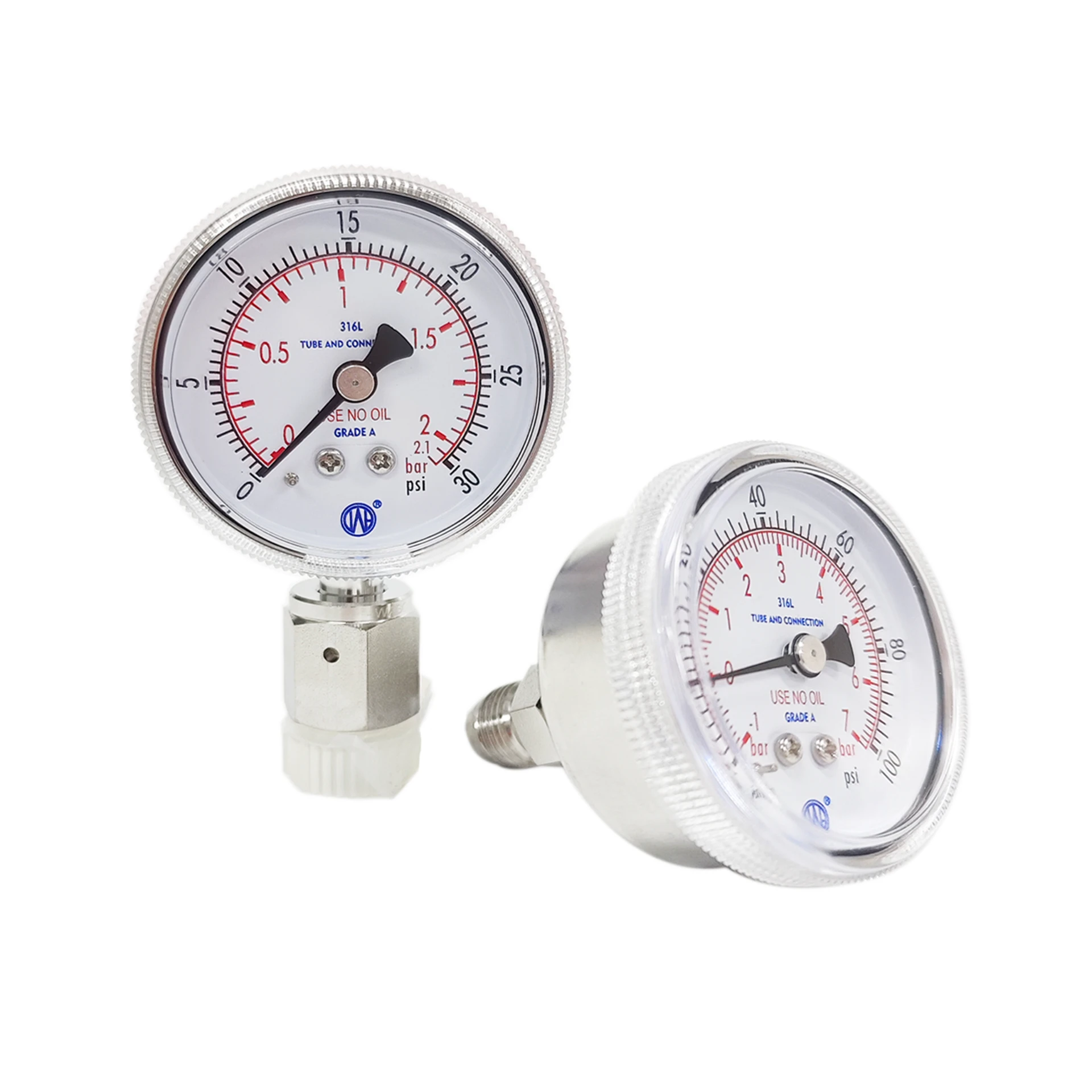
The wika diaphragm pressure gauge is a precision instrument designed to measure the pressure of gases and liquids in various industrial applications. Utilizing a diaphragm as the sensing element, this gauge provides accurate readings while being highly resistant to temperature fluctuations and aggressive media. Known for its reliability and durability, the wika diaphragm pressure gauge is ideal for environments where traditional pressure gauges may fail due to corrosive conditions or high pressures.
Key Features
- Durable Construction: Made from high-quality materials to withstand harsh operating conditions.
- Corrosion Resistance: Suitable for use with aggressive media thanks to its diaphragm design.
- High Accuracy: Delivers precise pressure readings with minimal deviation.
- Wide Pressure Range: Available in various pressure ranges to meet diverse application needs.
- Easy Installation: Designed for straightforward mounting in various setups.
- Low Maintenance: Requires minimal upkeep, enhancing operational efficiency.
Technical Specifications
| Specification | Details |
|---|---|
| Pressure Range | 0-600 bar |
| Accuracy Class | Class 1.0 |
| Temperature Range | -40°C to +100°C |
| Material | Stainless Steel |
| Dial Size | 100 mm, 160 mm |
| Connection Type | G1/2, G1/4 |
Application Scenarios
The wika diaphragm pressure gauge is widely used across various industries due to its versatility and robustness. Common application scenarios include:
- Chemical Processing: Measuring pressure in reactors, storage tanks, and pipelines.
- Oil and Gas: Monitoring pressure in drilling operations and production facilities.
- Food and Beverage: Ensuring hygiene and safety in pressure monitoring for processing equipment.
- Pharmaceuticals: Maintaining accurate pressure measurements in sterile environments.
- Water Treatment: Controlling pressure in filtration and purification systems.
Advantages
The wika diaphragm pressure gauge offers numerous advantages that make it a preferred choice for professionals across various sectors:
- Enhanced Durability: Its robust design ensures long service life, even in extreme conditions.
- High Precision: Provides reliable readings, crucial for maintaining optimal operating conditions.
- Versatile Applications: Suitable for a wide range of fluids and gases, including corrosive substances.
- Cost-Effective: Minimal maintenance and replacement costs lead to significant savings over time.
- Compliance: Meets international standards and regulations, ensuring safety and reliability.
Why Choose Us
When it comes to purchasing a wika diaphragm pressure gauge, choosing a reliable supplier is crucial. Here’s why you should consider us:
- Expertise: We have extensive knowledge and experience in industrial instrumentation.
- Quality Assurance: Our products undergo rigorous testing to ensure they meet the highest standards.
- Customer Support: Our dedicated team is here to assist you before, during, and after your purchase.
- Wide Selection: We offer a comprehensive range of gauges to suit various applications and requirements.
- Competitive Pricing: We provide high-quality products at prices that fit your budget.
FAQ
1. What is a diaphragm pressure gauge?
A diaphragm pressure gauge is a type of pressure measuring device that uses a flexible diaphragm to sense pressure changes. It is particularly effective for measuring the pressure of corrosive gases and liquids.
2. How does the wika diaphragm pressure gauge work?
The wika diaphragm pressure gauge works by converting the mechanical deformation of the diaphragm, caused by pressure, into a readable dial indication. The diaphragm flexes in response to pressure changes, and this movement is translated into a pressure reading.
3. What are the maintenance requirements for a wika diaphragm pressure gauge?
Generally, the wika diaphragm pressure gauge requires minimal maintenance. However, periodic checks for leaks and calibration are recommended to ensure accurate readings.
4. Can the wika diaphragm pressure gauge be used in high-temperature applications?
Yes, the wika diaphragm pressure gauge is designed to operate effectively in high-temperature environments, with a temperature range typically up to 100°C, depending on the model.
5. How do I choose the right pressure range for my application?
When selecting a wika diaphragm pressure gauge, consider the maximum pressure of your application and choose a gauge that can accommodate that pressure, ideally with some margin to ensure safety and longevity.
Verwant PRODUCTEN
-
(Ultra)high purity clean pressure gauge-UPG50 / HPG50
-
Pressure Diaphragm Capsule-Capsule string-Cube electroplate
-
Pressure Diaphragm Capsule-Dual Capsule-316/L SS
-
Pressure Diaphragm Capsule(DC)-316 SS-48mm
-
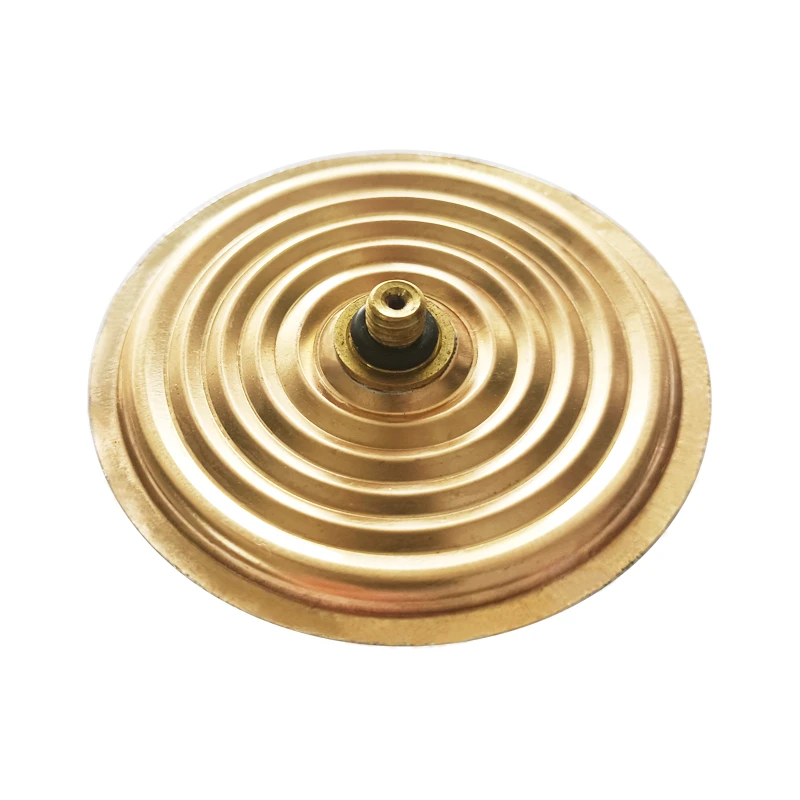
Pressure Diaphragm Capsule(DC)-All copper type-48mm
-
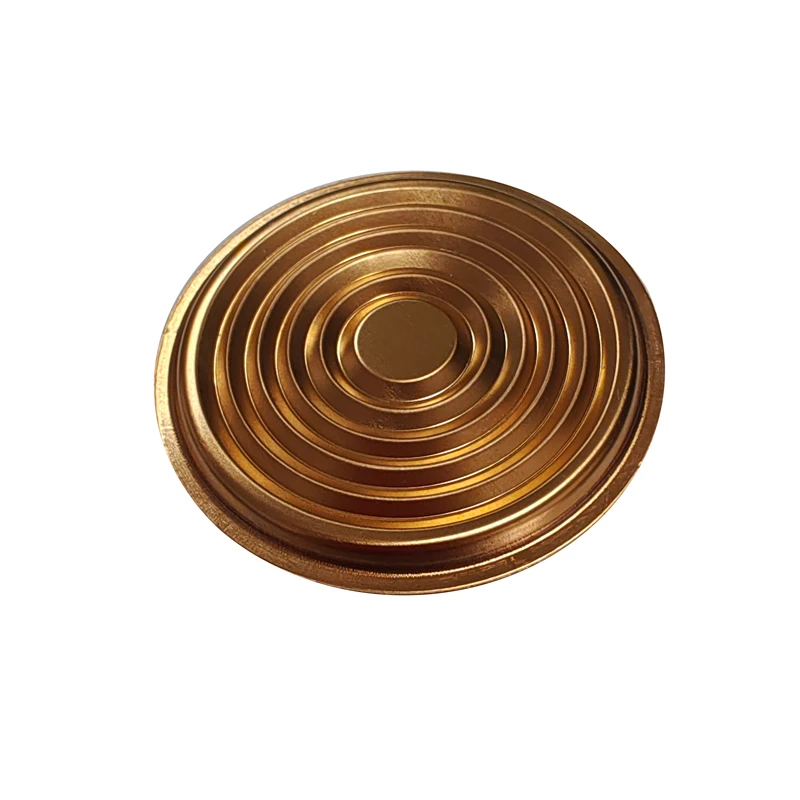
Pressure Single Diaphragm -micropressure-48mm,CuBe2
-
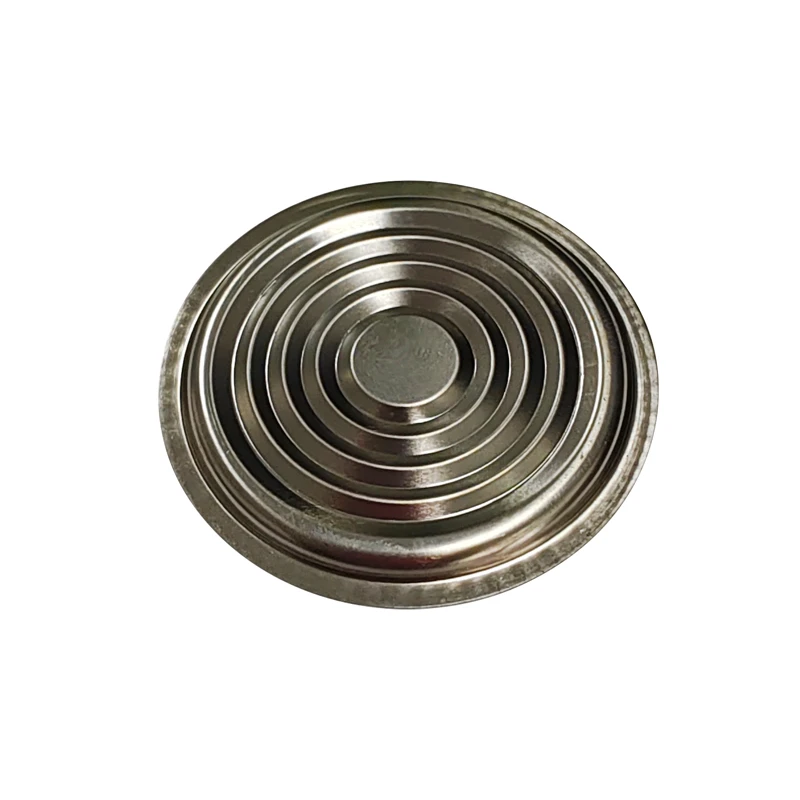
Pressure Single Diaphragm -Corrugated diaphragm-micropressure316/LSS
-
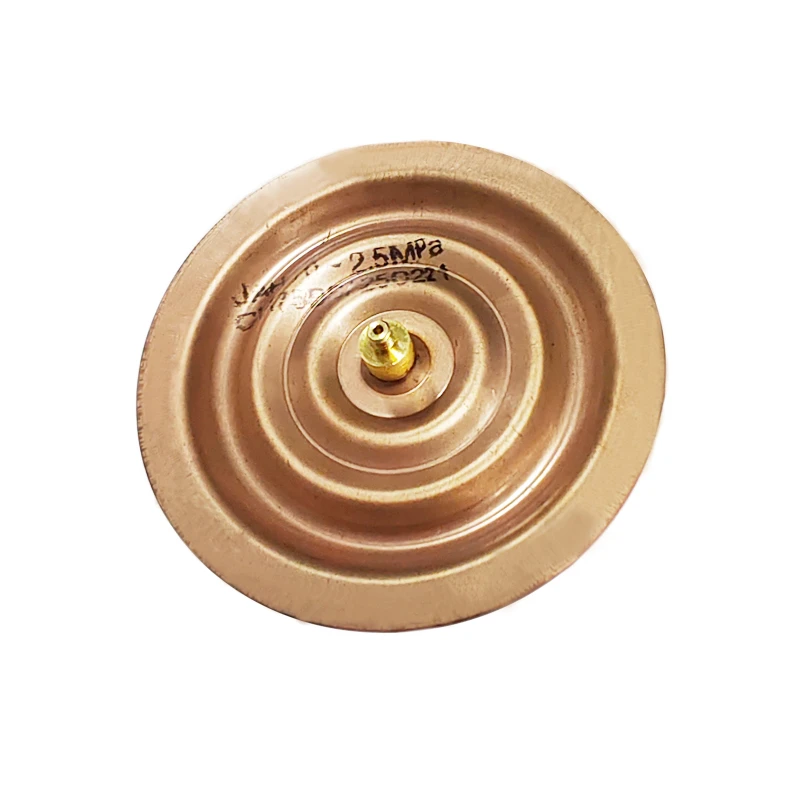
C+H Ø75AS Pressure Diaphragm(PD)-All copper type2.5MPa
 English
  Arabic
  China
China  China (Taiwan)
  Danish
  Dutch
Dutch  French
  German
  Greek
Greek  Hindi
Hindi  Indonesian
  Italian
  Japanese
  Korean
  Latin
Latin  Polish
  Portuguese
  Russian
  Spanish
  Turkish